Landscape of Anguilla
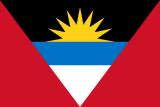
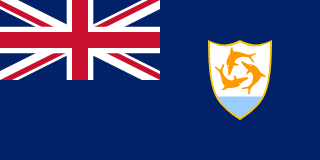
Flag of Anguilla

Anguilla

North America

Anguilla is a British overseas territory located in the Caribbean, with a population of around 15,000 people. One fun fact about the island is that it is home to some of the world's most beautiful beaches,with crystal-clear waters and soft white sand. Despite challenges related to economic development and natural disasters, Anguilla has a unique culture and a strong sense of community. Efforts to address these challenges and promote economic growth are ongoing, with the British government working to invest in infrastructure and support the island's development.

What would you like to learn about in Anguilla?

Select a section to explore the country where nonprofits are creating positive change.

About Anguilla

Anguilla is a British overseas territory located in the Caribbean, with a population of around 15,000 people. One fun fact about the island is that it is home to some of the world's most beautiful beaches,with crystal-clear waters and soft white sand. Despite challenges related to economic development and natural disasters, Anguilla has a unique culture and a strong sense of community. Efforts to address these challenges and promote economic growth are ongoing, with the British government working to invest in infrastructure and support the island's development.

Causes in Anguilla

Environment

Anguilla, a British Overseas Territory located in the Caribbean, is vulnerable to the impacts of climate change and environmental degradation. As a low-lying island nation, Anguilla faces threats such as sea-level rise, coastal erosion, and extreme weather events, all of which are exacerbated by global warming. The island's economy, heavily reliant on tourism and fishing industries, is at risk due to the loss of natural resources and damage to coastal infrastructure. Additionally, the ecosystem and biodiversity of Anguilla are under pressure from habitat destruction and pollution. To address these challenges, sustainable development practices and climate change adaptation strategies are crucial to safeguarding the environment and promoting resilience in Anguilla.

Family

Family plays a significant role in the social fabric of Anguilla, a small British overseas territory in the Caribbean. In Anguillian society, family is considered the cornerstone of community life and holds great importance in shaping individuals' identities and values. Family ties are strong, with extended family members often providing support and guidance to one another. The emphasis on family unity and loyalty contributes to a sense of belonging and security for Anguillians. Furthermore, families in Anguilla often come together to celebrate cultural traditions and pass down heritage from one generation to the next, reinforcing the importance of family connections. By fostering strong family bonds, Anguillians uphold their cultural values and continue to build a resilient and close-knit society.

Human Rights

Anguilla, a British Overseas Territory in the Caribbean, is a small island nation with a population of around 15,000 people. Despite its status as a British territory, Anguilla faces several challenges in terms of upholding human rights. One significant issue is the lack of protection for migrant workers, who often experience exploitation and abuse due to their vulnerable status. Additionally, there are concerns about gender equality on the island, with women facing discrimination in various aspects of life, including employment opportunities and representation in decision-making processes. The government of Anguilla has made efforts to address these issues by enacting legislation and policies aimed at promoting human rights and equality. However, more needs to be done to ensure that all individuals in Anguilla are able to enjoy their fundamental human rights without discrimination or prejudice.

Education

Education plays a crucial role in the development and progress of Anguilla, a small British Overseas Territory in the Caribbean. With a population of approximately 15,000 people, Anguilla faces challenges in providing quality education due to its limited resources and infrastructure. However, investing in education is essential for the future prosperity of the nation. Education not only equips individuals with the necessary knowledge and skills to thrive in a rapidly changing world but also plays a key role in reducing poverty, promoting economic growth, and fostering social cohesion. By prioritizing education, Anguilla can empower its citizens to contribute meaningfully to society and secure a brighter future for generations to come.

Poverty

Anguilla, a British overseas territory in the Caribbean known for its pristine beaches and vibrant culture, is not immune to the challenges of poverty. Despite being classified as a high-income economy, poverty remains a pressing issue in Anguilla, particularly affecting vulnerable populations such as single-parent households and the elderly. The high cost of living, limited employment opportunities, and dependence on tourism contribute to income inequality and financial hardship for many Anguillians. Poverty in Anguilla is often intertwined with social issues such as inadequate access to education, healthcare, and housing, further perpetuating cycles of deprivation. Addressing poverty in Anguilla requires a multi-faceted approach that encompasses social welfare programs, economic diversification, and sustainable development strategies to ensure long-term prosperity for all its residents.

Religion

Religion plays a significant role in the community of Anguilla, a small Caribbean island nation known for its stunning beaches and vibrant culture. The predominant religion in Anguilla is Christianity, with a majority of the population identifying as Protestant. This religious affiliation has a profound impact on various aspects of Anguillian society, including family life, education, and social norms. Churches hold a central place in the community, serving as not only places of worship but also as hubs for social gatherings and community events. The influence of religion can be observed in the strong emphasis on values such as compassion, charity, and respect for others. Moreover, religious holidays and traditions are widely celebrated across the island, further solidifying the role of religion in shaping the cultural identity of Anguillians.

Clean Water

Anguilla, a small island nation in the Caribbean, faces significant challenges regarding access to clean water. With limited freshwater resources and susceptibility to droughts, Anguilla heavily relies on desalination plants and rainwater harvesting to meet its water needs. The lack of clean water infrastructure and proper sanitation facilities in some areas of the island poses a risk to public health, leading to the spread of waterborne diseases. Additionally, pollution from agricultural runoff, improper waste disposal, and coastal development further threaten the quality of Anguilla's water sources. Addressing these issues is crucial for safeguarding the well-being of Anguilla's population and preserving its fragile ecosystems.

Economy

Anguilla, a British Overseas Territory located in the Caribbean, faces significant economic challenges that greatly impact its population. The country relies heavily on tourism as its primary source of revenue, accounting for approximately 60% of its GDP. With the COVID-19 pandemic causing a sharp decline in tourism, Anguilla's economy has been severely affected, leading to job losses and reduced incomes for many residents. The lack of economic diversification further exacerbates the country's vulnerability to external shocks. Addressing these economic challenges requires strategic efforts to promote sustainable growth and resilience in the face of future uncertainties.

Government

Anguilla, a British overseas territory in the Caribbean, is a small island nation with a population of approximately 15,000 people. The government of Anguilla plays a crucial role in shaping the lives of its citizens through various policies and initiatives. As a parliamentary dependency, Anguilla has a system of government headed by a Governor appointed by the British Monarch, along with an elected House of Assembly responsible for local governance. The government's impact on Anguilla's society is far-reaching, influencing areas such as healthcare, education, infrastructure development, and economic growth. Policies related to tourism, fisheries, and financial services also significantly affect the country's economy and overall well-being. Source: - The World Factbook. (2021). Central Intelligence Agency. Retrieved from: https://www.cia.gov/the-world-factbook/countries/anguilla/

Health

Health is a critical concern for the people of Anguilla, a British Overseas Territory in the Caribbean. The impact of health on this nation is multifaceted, with challenges such as limited healthcare infrastructure, access to medical services, and high rates of chronic diseases. According to the World Health Organization (WHO), non-communicable diseases such as diabetes, hypertension, and obesity are prevalent in Anguilla, contributing significantly to the country's health burden. Additionally, the vulnerability of Anguilla to natural disasters further exacerbates health risks, as seen in the aftermath of hurricanes and other extreme weather events. Addressing these health issues requires a comprehensive approach that includes improving healthcare facilities, increasing access to essential medicines, promoting healthier lifestyles, and enhancing disaster preparedness and response strategies.

Children

In Anguilla, children face various challenges that impact their well-being and development. The limited access to quality education and healthcare services exacerbates these issues, leading to disparities in opportunities for the youth. Child poverty rates remain a concern, affecting their access to basic necessities and hindering their overall growth. Additionally, exposure to natural disasters such as hurricanes further jeopardizes the safety and security of children in Anguilla. Efforts are being made to address these issues through government initiatives and support from non-governmental organizations, but more awareness and resources are needed to ensure a brighter future for the children of Anguilla. Source: - "Children in Anguilla: Overview of the situation" - UNICEF - "Anguilla Country Profile" - World Bank

Animals

Anguilla, a British Overseas Territory in the Caribbean, is home to a diverse range of animal species that play a crucial role in its ecosystem. From the endangered Anguilla Bank Racer to the vibrant birdlife including herons, egrets, and terns, animals in Anguilla contribute to its rich biodiversity. However, these animals face numerous threats such as habitat loss due to development, pollution, climate change, and invasive species. Furthermore, unsustainable fishing practices and poaching pose significant challenges to marine life in Anguilla's waters. By raising awareness about the importance of preserving the natural habitats of these animals and advocating for conservation efforts, we can help protect the wildlife that is integral to Anguilla's environment.

Nonprofits Working in Anguilla

Discover organizations making a difference in Anguilla

Make Your Impact Today

Discover causes you care about and support the nonprofits making a difference in communities around the world.

Are you a nonprofit? Join Project World Impact for free

Join Us Free