Landscape of Canada
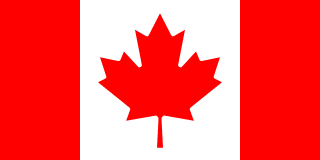
Flag of Canada

Canada

North America

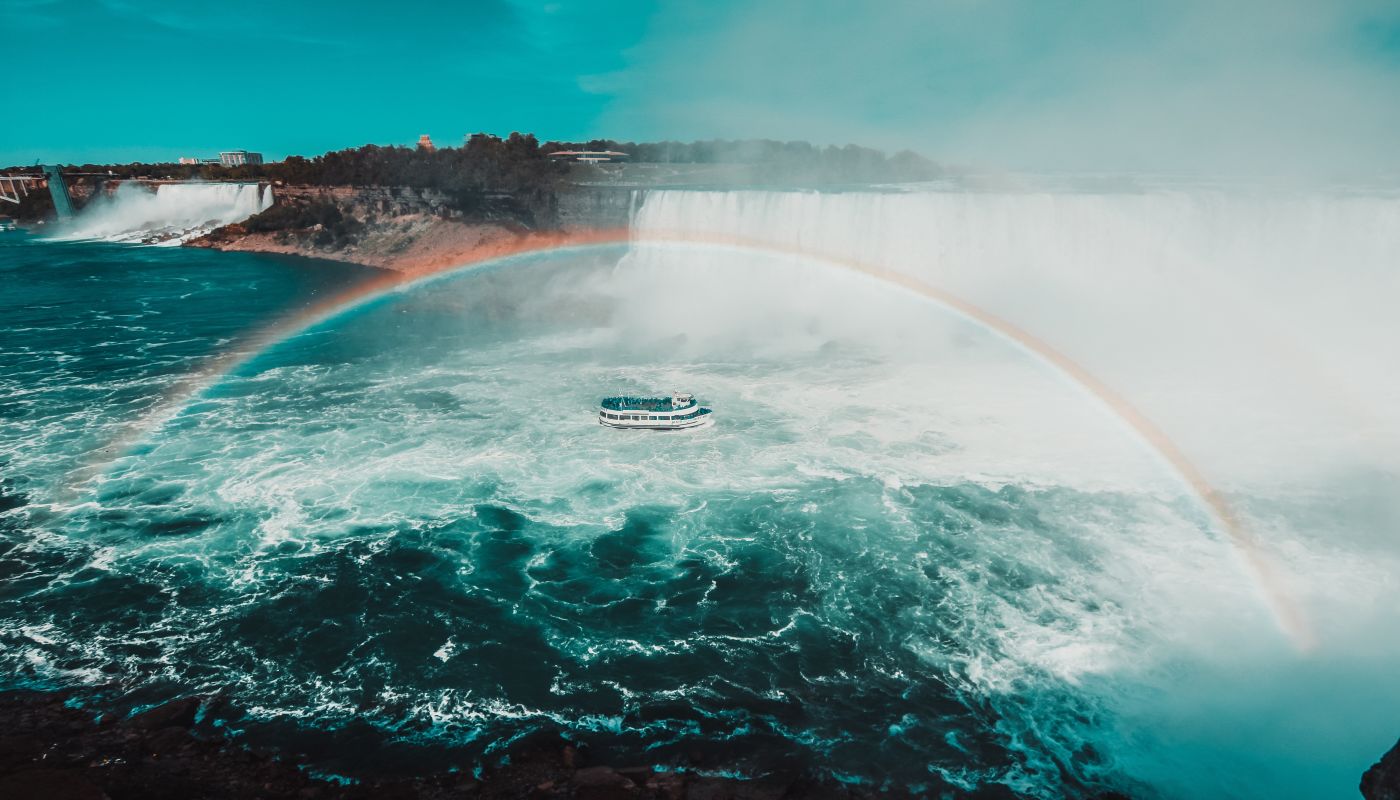
Canada is a vast and diverse country located in North America, bordered by the United States to the south and the Arctic Ocean to the north. It has a population of over 38 million people and is known for its natural beauty, multicultural society, and high standard of living. The country is home to stunning landscapes that include mountains, forests, lakes, and coastlines, making it a popular destination for outdoor enthusiasts. In addition to its natural beauty, Canada is known for its political stability, with a well-established democracy and a strong commitment to human rights and social justice. The economy of Canada is based on a mix of natural resources, manufacturing, and service industries, with a strong focus on technology, healthcare, and education. Canada is also recognized for its cultural achievements, with a thriving arts scene that includes literature, music, film, and more. Overall, Canada is a fascinating and dynamic country with a unique culture and a strong sense of national identity.

What would you like to learn about in Canada?

Select a section to explore the country where nonprofits are creating positive change.

About Canada

A land of vast distances and rich natural resources, Canada became a self-governing dominion in 1867 while retaining ties to the British crown. Economically and technologically, the nation has developed in parallel with the US, its neighbor to the south across the world's longest unfortified border. Canada faces the political challenges of meeting public demands for quality improvements in health care, education, social services, and economic competitiveness, as well as responding to the particular concerns of predominantly francophone Quebec. Canada also aims to develop its diverse energy resources while maintaining its commitment to the environment.

Quick Facts

Population
34,568,211 (July 2013 est.)
Area
9,984,670 sq km
ISO Code
CA
Continent
North America
Government
a parliamentary democracy, a federation, and a constitutional monarchy
Active Causes
12
View all countries in North America

Geography & Environment

Climate

varies from temperate in south to subarctic and arctic in north

Terrain

mostly plains with mountains in west and lowlands in southeast

Natural Resources

iron ore, nickel, zinc, copper, gold, lead, rare earth elements, molybdenum, potash, diamonds, silver, fish, timber, wildlife, coal, petroleum, natural gas, hydropower

Environmental Issues

air pollution and resulting acid rain severely affecting lakes and damaging forests; metal smelting, coal-burning utilities, and vehicle emissions impacting on agricultural and forest productivity; oc...

People & Society

81.57 years
Avg. Life Expectancy
99%
Literacy Rate
81% of total population (2010)
Total Urban Population

Languages

English (official) 58.8%, French (official) 21.6%, other 19.6% (2006 Census)

Religions

Roman Catholic 42.6%, Protestant 23.3% (United Church 9.5%, Anglican 6.8%, Baptist 2.4%, Lutheran 2%), other Christian 4.4%, Muslim 1.9%, other and un...

Health Expenditure

11.3% of GDP (2010) of GDP

Education Expenditure

5% of GDP (2009) of GDP

Economy

$43,400
GDP per Capita (PPP)
7.3%
Unemployment Rate
9.4%
Below Poverty Line

Economic Overview

As a high-tech industrial society in the trillion-dollar class, Canada resembles the US in its market-oriented economic system, pattern of production, and affluent living standards. Since World War II, the impressive growth of the manufacturing, mining, and service sectors has transformed the nation from a largely rural economy into one primarily industrial and urban. The 1989 US-Canada Free Trade Agreement (FTA) and the 1994 North American Free Trade Agreement (NAFTA) (which includes Mexico) touched off a dramatic increase in trade and economic integration with the US its principal trading pa...

Causes in Canada

Environment

Canada, known for its vast and diverse natural landscapes, faces significant environmental challenges that have a profound impact on the country and its inhabitants. With a rapidly changing climate, Canada is experiencing more frequent extreme weather events, such as wildfires, floods, and heatwaves, which threaten both human health and ecosystems. The melting of Arctic ice caps and permafrost further exacerbates these issues, contributing to rising sea levels and loss of habitat for wildlife. Additionally, air and water pollution from industrial activities and transportation systems pose risks to public health and environmental sustainability. It is imperative for Canada to prioritize conservation efforts, sustainable practices, and climate change mitigation strategies to safeguard its environment for current and future generations.

Family

Family plays a significant role in Canadian society, serving as the cornerstone of social structure and support networks. Within the Canadian context, families contribute to shaping individuals' identities, instilling values, and providing emotional and practical support. The strong emphasis on family values in Canada is reflected in policies promoting family well-being, such as parental leave benefits, child care subsidies, and initiatives to address domestic violence. Additionally, families play a crucial role in intergenerational wealth transfer and the preservation of cultural heritage. Despite the diversity of family structures in Canada, ranging from nuclear families to blended families to single-parent households, the importance of familial relationships remains a common thread that binds communities together.

Human Rights

Canada is a country known for its commitment to upholding Human Rights principles. The Canadian Charter of Rights and Freedoms, enacted in 1982, serves as the cornerstone of the nation's human rights framework, guaranteeing fundamental freedoms such as equality, liberty, and democratic rights. Despite these legal protections, challenges persist in ensuring the full realization of human rights for all individuals in Canada. Indigenous communities face systemic discrimination and unequal access to basic services such as healthcare, education, and clean water. Additionally, marginalized groups including LGBTQ+ individuals, racial minorities, and persons with disabilities continue to experience barriers to equality and inclusion. It is imperative for Canadian society to address these issues through advocacy, policy reform, and community engagement to create a more equitable and just society for all its residents.

Education

In Canada, education plays a pivotal role in shaping the nation's future and fostering social mobility. With a well-developed education system that emphasizes inclusivity and diversity, Canada has consistently ranked high in global education indices. Access to quality education is considered a fundamental right for all Canadians, regardless of socio-economic background. The impact of education in Canada is far-reaching, contributing to the country's economic prosperity, innovation, and overall societal well-being. By investing in education, Canada ensures a skilled workforce, fosters critical thinking skills, and promotes a culture of lifelong learning. Education equips individuals with the knowledge and skills necessary to navigate an increasingly complex world and contribute meaningfully to society.

Poverty

Poverty is a significant issue in Canada, affecting individuals and communities across the country. Despite being one of the wealthiest nations globally, poverty remains a persistent challenge, impacting various aspects of Canadian society. Poverty in Canada is often associated with inadequate access to education, healthcare, housing, and employment opportunities, leading to social inequality and diminished quality of life for many Canadians. Children, Indigenous populations, single-parent households, and recent immigrants are among the most vulnerable groups disproportionately affected by poverty in Canada. Addressing poverty requires a multifaceted approach that includes social policies, economic initiatives, and community support programs to create a more equitable society for all Canadians.

Religion

Religion in Canada is a diverse and multifaceted aspect of its cultural landscape. The country's constitution guarantees freedom of religion, allowing individuals to practice their faith without discrimination. Christianity is the predominant religion in Canada, with Catholicism being the largest Christian denomination. However, Canada is also home to a wide array of religious beliefs, including Islam, Hinduism, Sikhism, Buddhism, and Indigenous spiritual practices. Religion plays a significant role in shaping Canadian society, influencing everything from social norms to political discourse. Places of worship serve as community hubs where individuals come together to celebrate their faith and engage in charitable activities. Despite the overall trend of declining religious affiliation in Canada, religion continues to be a vital part of many Canadians' lives, offering comfort, guidance, and a sense of belonging.

Clean Water

Clean water is a critical issue in Canada, a country abundant in freshwater resources. While Canada boasts vast water reserves, challenges such as industrial pollution, agricultural runoff, and aging infrastructure pose significant threats to water quality. Access to clean water is essential for the health and well-being of Canadians, as contaminated water can lead to various health issues. Indigenous communities in particular face disproportionately high rates of water contamination, highlighting the urgent need for action to ensure equitable access to safe drinking water for all Canadians. By addressing pollution sources, implementing sustainable water management practices, and investing in infrastructure upgrades, Canada can safeguard its water resources for current and future generations.

Economy

Canada is a country with a highly developed economy, characterized by its strong service sector and abundance of natural resources. The Canadian economy is deeply intertwined with various factors such as trade agreements, global market trends, government policies, and technological advancements. The impact of the economy on Canada is far-reaching, influencing employment rates, standard of living, social welfare programs, and overall economic growth. Fluctuations in the economy can lead to consequences such as unemployment, inflation, and income inequality, affecting individuals and communities across the nation. Source: Statistics Canada - www150.statcan.gc.ca

Government

Canada is a country with a diverse and multicultural society, known for its democratic governance and commitment to upholding human rights. The Canadian government plays a significant role in shaping the country's policies and initiatives across various sectors, including healthcare, education, and social welfare. Government decisions impact Canadians' lives in areas such as taxation, public services, environmental regulations, and international relations. Through legislation, budget allocations, and regulatory frameworks, the government influences economic growth, social equity, and environmental sustainability in Canada. The government's actions also contribute to addressing societal challenges such as poverty, inequality, and climate change. Overall, the Canadian government plays a crucial role in shaping the country's present and future trajectory.

Health

In Canada, health plays a significant role in shaping the well-being of its population. With a publicly funded healthcare system, the country aims to provide universal access to medical services for all its residents. Despite this, various factors such as socioeconomic status, access to healthcare facilities, lifestyle choices, and environmental conditions can impact an individual's health outcomes. Issues such as mental health challenges, chronic diseases, and disparities in healthcare access among Indigenous populations are prevalent concerns in the Canadian health landscape. Increased awareness and efforts towards preventive care, mental health support, and addressing social determinants of health are crucial in fostering a healthier population in Canada.

Children

In Canada, children are significantly impacted by various factors that can shape their well-being and future prospects. According to Statistics Canada, approximately 1 in 5 children live in poverty, facing challenges such as inadequate access to education, healthcare, and proper nutrition. Additionally, issues such as child abuse, neglect, and mental health concerns affect a notable number of Canadian children. These adversities can have lasting effects on their physical, emotional, and cognitive development. Furthermore, the indigenous children in Canada face unique challenges stemming from historical injustices and systemic inequalities. Addressing these issues requires a collective effort from government agencies, non-profit organizations, and communities to ensure that all children have equal opportunities to thrive and reach their full potential.

Animals

Canada is a country rich in biodiversity and home to a diverse range of animal species, both terrestrial and aquatic. Animals play a crucial role in Canada's ecosystem, contributing to the overall health and balance of its natural habitats. However, various factors such as habitat loss, climate change, pollution, and human-wildlife conflict pose significant threats to Canada's wildlife population. These challenges impact not only the animals themselves but also have far-reaching consequences on the environment and human society. By understanding the importance of preserving and protecting Canada's wildlife, we can work towards ensuring a sustainable future for both animals and humans in this country.

Nonprofits Working in Canada

Discover organizations making a difference in Canada

Make Your Impact Today

Discover causes you care about and support the nonprofits making a difference in communities around the world.

Are you a nonprofit? Join Project World Impact for free

Join Us Free