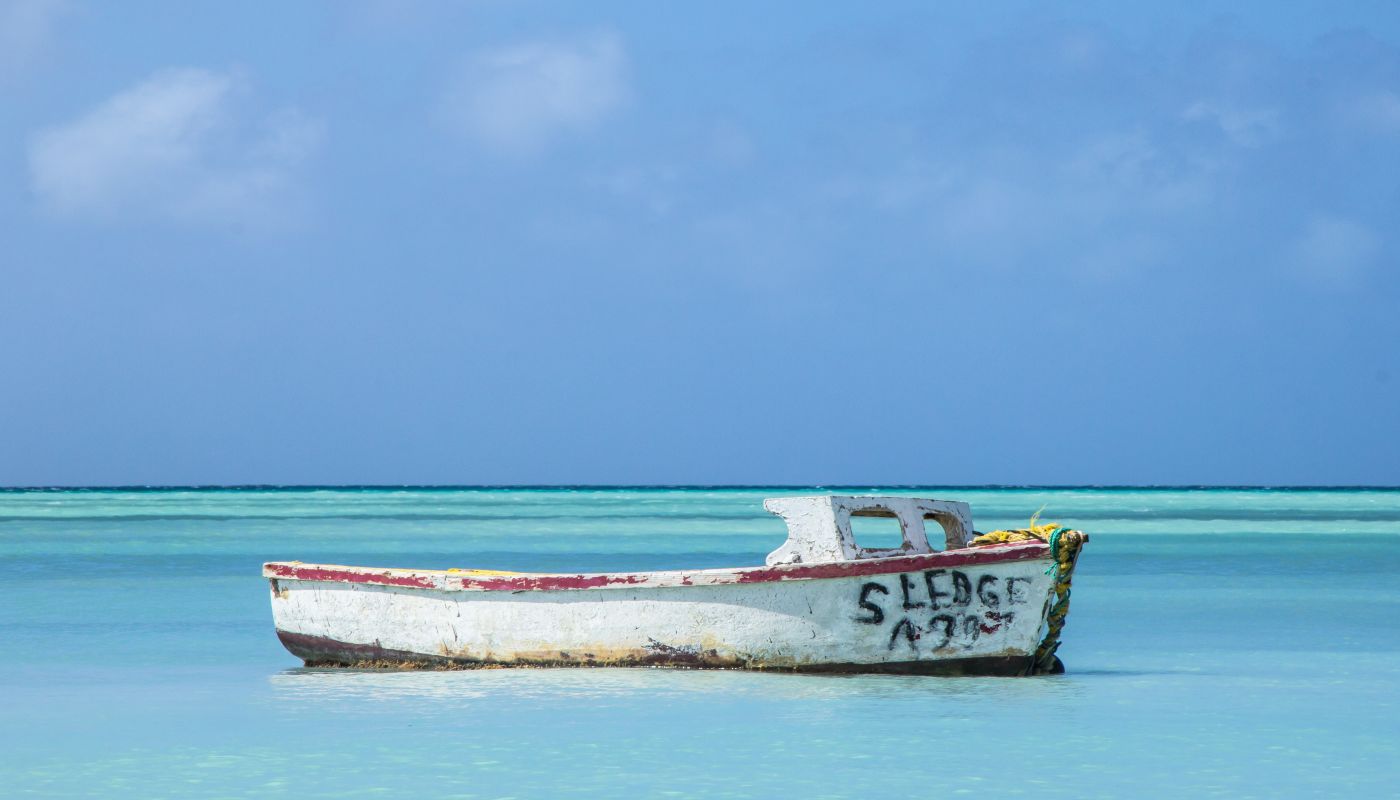
Landscape of Aruba
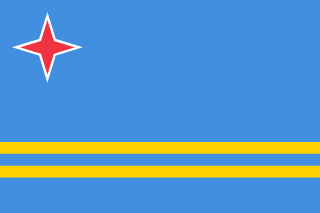
Flag of Aruba

Aruba

North America

Aruba is a beautiful Caribbean island nation that is known for its stunning beaches, crystal-clear waters, and warm hospitality. The country has a diverse population of around 110,000 people, which is made up of a mix of native Arubans, Dutch citizens, and expatriates from around the world. Despite its small size, Aruba has a vibrant culture that is influenced by its indigenous roots, as well as by its colonial history and its modern-day status as a popular tourist destination. Arubans are working hard to build a sustainable and inclusive society that benefits all members of their community. Aruba's welcoming culture, stunning geography, and commitment to sustainability make it a beautiful and unique country that is well-positioned to overcome its challenges and continue to thrive in the years ahead.

What would you like to learn about in Aruba?

Select a section to explore the country where nonprofits are creating positive change.

About Aruba

Aruba is a beautiful Caribbean island nation that is known for its stunning beaches, crystal-clear waters, and warm hospitality. The country has a diverse population of around 110,000 people, which is made up of a mix of native Arubans, Dutch citizens, and expatriates from around the world. Despite its small size, Aruba has a vibrant culture that is influenced by its indigenous roots, as well as by its colonial history and its modern-day status as a popular tourist destination. Arubans are working hard to build a sustainable and inclusive society that benefits all members of their community. Aruba's welcoming culture, stunning geography, and commitment to sustainability make it a beautiful and unique country that is well-positioned to overcome its challenges and continue to thrive in the years ahead.

Causes in Aruba

Environment

Aruba, a small Caribbean island nation known for its stunning beaches and warm climate, is increasingly feeling the impacts of environmental changes. As a low-lying island, Aruba is particularly vulnerable to rising sea levels and extreme weather events such as hurricanes and tropical storms. These environmental factors pose a significant threat to the island's infrastructure, economy, and overall well-being of its inhabitants. Additionally, the reliance on tourism as a major source of income makes Aruba susceptible to the effects of climate change, as any damage to its natural beauty could have severe repercussions on its economy. The government of Aruba has been taking steps to mitigate these risks by investing in renewable energy sources and sustainable practices to protect the environment for future generations.

Family

Aruba, a constituent country of the Kingdom of the Netherlands, is a small island nation located in the southern Caribbean Sea. The concept of family holds great significance in Aruban society, where familial ties play a crucial role in shaping individuals' identities and values. Families in Aruba are typically close-knit and supportive, with multi-generational households being common. The strong emphasis on family fosters a sense of unity and belonging among Arubans, influencing various aspects of their lives including decision-making, social interactions, and cultural traditions. Moreover, the familial structure in Aruba often extends beyond immediate relatives to encompass a wider network of kinship, creating a strong sense of community and mutual support. Understanding the pivotal role of family in Aruban society is essential to appreciating the cultural fabric and social dynamics of this vibrant island nation.

Human Rights

Aruba, a constituent country of the Kingdom of the Netherlands, is a small island nation located in the southern Caribbean Sea. Despite its reputation as a popular tourist destination known for its stunning beaches and vibrant culture, Aruba, like many countries, grapples with various human rights challenges. One prominent issue is the treatment of migrant workers, who often face exploitation and abuse in sectors such as hospitality and construction. Additionally, there have been concerns raised about gender inequality and domestic violence on the island. Ensuring respect for human rights in Aruba is crucial for fostering a just and inclusive society where all individuals can live with dignity and equality. By addressing these issues, Aruba can work towards upholding the fundamental rights of its residents and visitors alike.

Education

Education plays a crucial role in the development and progress of Aruba, a constituent country of the Kingdom of the Netherlands located in the southern Caribbean Sea. With a population of approximately 116,600 people, education in Aruba is highly valued for its potential to empower individuals and drive economic growth. The government of Aruba places a strong emphasis on providing quality education to its citizens, with education being compulsory for children between the ages of 4 and 18. The country boasts a high literacy rate of over 97%, reflecting the success of its education system. However, challenges such as limited resources and access to higher education opportunities persist, particularly for marginalized communities. By investing in education, Aruba aims to equip its citizens with the necessary skills and knowledge to thrive in an increasingly competitive global economy.

Poverty

Aruba, a constituent country of the Kingdom of the Netherlands located in the southern Caribbean Sea, faces significant challenges related to poverty. Despite being known for its tourism industry and relatively high standard of living compared to other countries in the region, poverty remains a critical issue in Aruba. The high cost of living, limited employment opportunities outside of the tourism sector, and a lack of social welfare programs have contributed to a persistent level of poverty within certain segments of the population. According to the World Bank, approximately 11% of Aruba's population lives below the national poverty line. Additionally, the COVID-19 pandemic has exacerbated these issues, leading to increased unemployment and economic hardship for many Arubans. Addressing poverty in Aruba requires a comprehensive approach that includes targeted social programs, job creation initiatives, and efforts to diversify the economy beyond tourism.

Religion

Religion plays a significant role in the cultural fabric of Aruba, a constituent country of the Kingdom of the Netherlands located in the southern Caribbean Sea. The predominant religion in Aruba is Roman Catholicism, with a majority of the population identifying as Catholic. The Catholic Church has historically been influential in shaping societal norms and values on the island. However, Aruba is also home to a diverse range of religious beliefs, including Protestantism, Judaism, Islam, Hinduism, and Buddhism among others. This diversity contributes to the rich tapestry of religious practices and traditions present in Aruban society. While religious freedom is protected by law in Aruba, it is essential to recognize and respect the various faiths that coexist within the country to foster inclusivity and understanding among its people.

Clean Water

Aruba, a Caribbean island nation, heavily relies on clean water for its survival and economic development. As a country with limited natural freshwater resources, Aruba faces challenges in ensuring access to safe drinking water for its population and sustaining its tourism industry. The availability of clean water is crucial for agriculture, tourism, and overall public health on the island. Increasing population growth and climate change further intensify the pressure on Aruba's water resources. Sustainable water management practices are essential to mitigate these challenges and safeguard the island's future. Investing in water conservation, desalination technologies, and wastewater treatment facilities are crucial steps towards ensuring a sustainable water supply for Aruba.

Economy

Aruba, a constituent country of the Kingdom of the Netherlands located in the southern Caribbean Sea, is heavily reliant on tourism as a significant driver of its economy. The tourism sector contributes substantially to the country's Gross Domestic Product (GDP) and provides employment opportunities for a considerable portion of the population. However, the economy of Aruba is particularly vulnerable to external factors, such as global economic downturns and natural disasters, which can have a significant impact on its tourism industry and overall economic stability. The country has been actively seeking to diversify its economy by investing in sectors like renewable energy and sustainable agriculture to reduce its dependence on tourism revenue and enhance resilience to external shocks.

Government

Aruba, a constituent country of the Kingdom of the Netherlands located in the southern Caribbean Sea, is an island known for its stunning beaches and vibrant culture. The government of Aruba plays a crucial role in shaping the country's development and sustainability. As a parliamentary democracy, Aruba elects its own parliament and prime minister, with the King of the Netherlands serving as the head of state. The government's policies and decisions impact various aspects of Aruban society, including economic development, environmental conservation, healthcare, education, and social welfare. Through strategic planning and legislation, the government aims to promote sustainable growth while preserving the island's natural beauty and cultural heritage. It is essential for citizens and stakeholders to actively engage with the government to ensure transparency, accountability, and effective governance for the benefit of present and future generations.

Health

Aruba, a small island nation in the Caribbean, faces various health challenges that impact its population. With a high prevalence of non-communicable diseases such as obesity, diabetes, and hypertension, Aruba's healthcare system is under pressure to provide adequate care and resources to address these issues. Limited access to healthcare services in remote areas and disparities in health outcomes among different socio-economic groups further exacerbate the situation. The country also grapples with environmental health concerns, including water scarcity and waste management issues that can have long-term effects on public health. Addressing these challenges requires a comprehensive approach that involves government intervention, community engagement, and partnerships with international organizations to improve the overall health and well-being of Aruba's population.

Children

Aruba, a constituent country of the Kingdom of the Netherlands located in the southern Caribbean Sea, faces several challenges affecting its children. The impact of poverty, lack of access to quality education, and exposure to domestic violence are prevalent issues that affect the well-being and development of children in Aruba. Approximately 17% of Aruban children live below the poverty line, which can lead to inadequate nutrition and healthcare. Moreover, limited resources and infrastructure in certain areas contribute to disparities in educational opportunities, hindering children's academic success and future prospects. Domestic violence also poses a significant threat to children's safety and mental health, with a reported increase in cases over recent years. Addressing these challenges requires a comprehensive approach involving government intervention, community support, and awareness campaigns to ensure the protection and well-being of Aruba's children.

Animals

Aruba, a Caribbean island nation known for its stunning beaches and vibrant culture, is also home to a diverse array of animal species that play a vital role in its ecosystem. The island's unique flora and fauna, including species such as the Aruban burrowing owl, Aruban whiptail lizard, and Aruban rattlesnake, are not only essential to the island's biodiversity but also contribute to its overall ecological balance. However, these animals face various threats such as habitat loss, climate change, and pollution, which endanger their survival. Conservation efforts in Aruba are crucial to protect these animals and preserve the island's rich natural heritage for future generations.

Nonprofits Working in Aruba

Discover organizations making a difference in Aruba

Make Your Impact Today

Discover causes you care about and support the nonprofits making a difference in communities around the world.

Are you a nonprofit? Join Project World Impact for free

Join Us Free