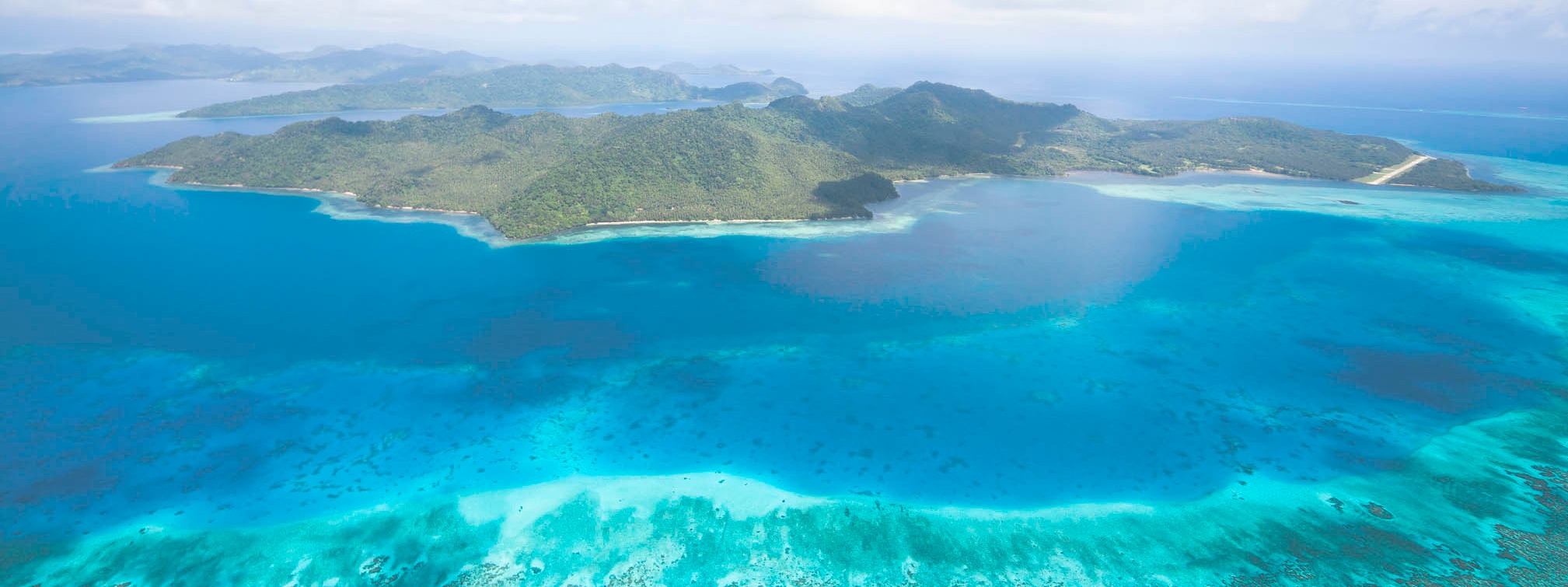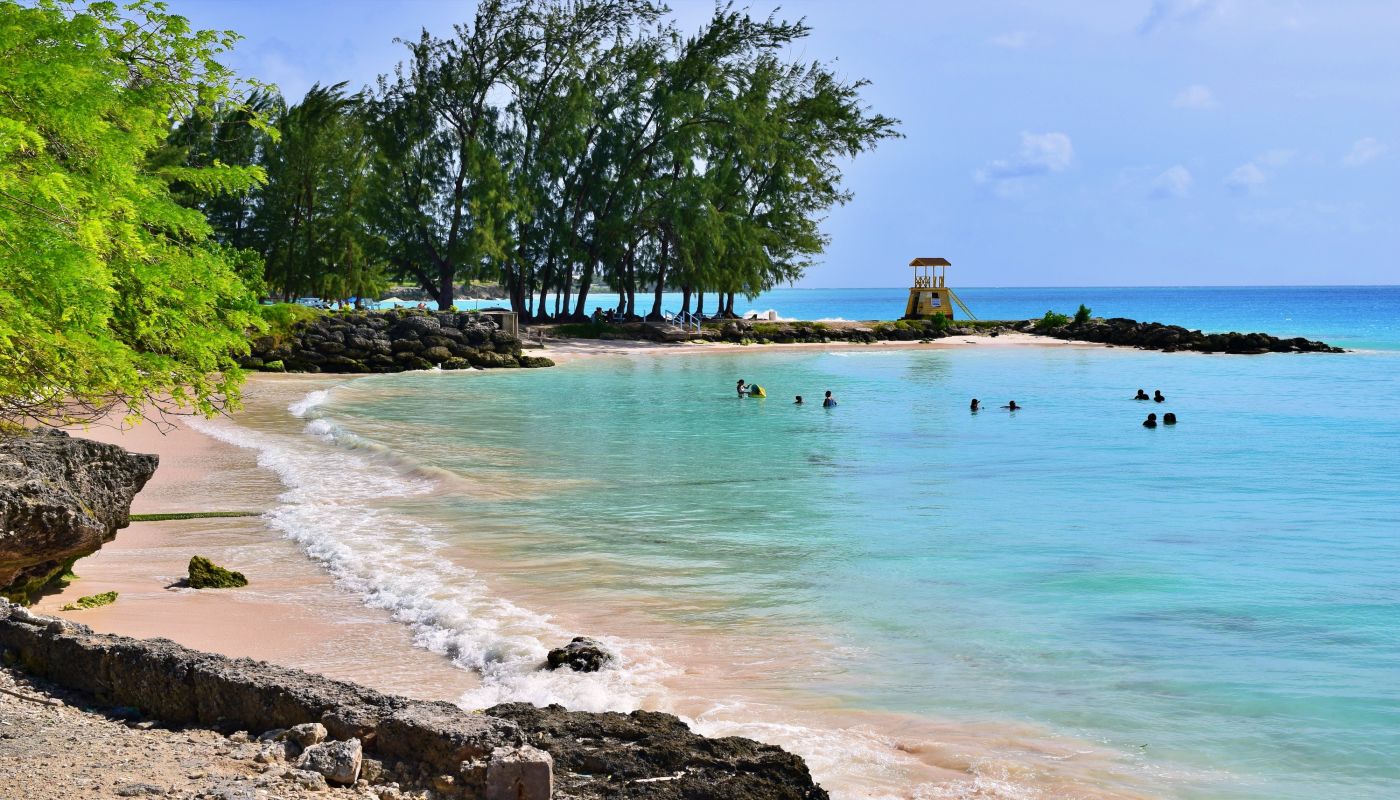
Landscape of Barbados
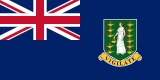
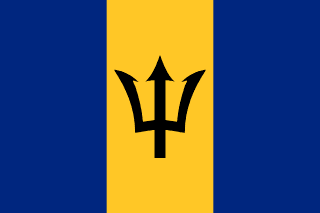
Flag of Barbados

Barbados

North America

Barbados is a beautiful island nation in the Caribbean that is known for its stunning beaches, warm climate, and friendly locals. The country has a population of approximately 287,000 people and covers an area of 430 square kilometers. Barbados has a thriving economy. In addition to its economic prosperity, Barbados is also home to a diverse range of flora and fauna, including green monkeys, sea turtles, and tropical plants like hibiscus and bougainvillea. The island's geography is equally impressive, featuring rolling hills, limestone cliffs, and long stretches of sandy beaches. Some of the most popular tourist destinations in Barbados include the capital city of Bridgetown, the historic plantation houses of St. John, and the vibrant nightlife of St. Lawrence Gap. Overall, Barbados is a wonderful place to visit or call home. Its warm climate, friendly people, and beautiful scenery make it a notable place to travel to in the Caribbean.

What would you like to learn about in Barbados?

Select a section to explore the country where nonprofits are creating positive change.

About Barbados

The island was uninhabited when first settled by the British in 1627. African slaves worked the sugar plantations established on the island until 1834 when slavery was abolished. The economy remained heavily dependent on sugar, rum, and molasses production through most of the 20th century. The gradual introduction of social and political reforms in the 1940s and 1950s led to complete independence from the UK in 1966. In the 1990s, tourism and manufacturing surpassed the sugar industry in economic importance.

Quick Facts

Population
288,725 (July 2013 est.)
Area
430 sq km
ISO Code
BB
Continent
North America
Government
parliamentary democracy and a Commonwealth realm
Active Causes
12
View all countries in North America

Geography & Environment

Climate

tropical; rainy season (June to October)

Terrain

relatively flat; rises gently to central highland region

Natural Resources

petroleum, fish, natural gas

Environmental Issues

pollution of coastal waters from waste disposal by ships; soil erosion; illegal solid waste disposal threatens contamination of aquifers

People & Society

74.75 years
Avg. Life Expectancy
99.7%
Literacy Rate
44% of total population (2010)
Total Urban Population

Languages

English

Religions

Protestant 63.4% (Anglican 28.3%, Pentecostal 18.7%, Methodist 5.1%, other 11.3%), Roman Catholic 4.2%, other Christian 7%, other 4.8%, none or unspec...

Health Expenditure

8% of GDP (2010) of GDP

Education Expenditure

7.5% of GDP (2010) of GDP

Economy

$25,800
GDP per Capita (PPP)
11.6%
Unemployment Rate
NA%
Below Poverty Line

Economic Overview

Barbados is the wealthiest and most developed country in the Eastern Caribbean and enjoys one of the highest per capita incomes in Latin America. Historically, the Barbadian economy was dependent on sugarcane cultivation and related activities. However, in recent years the economy has diversified into light industry and tourism with about four-fifths of GDP and of exports being attributed to services. Offshore finance and information services are important foreign exchange earners and thrive from having the same time zone as eastern US financial centers and a relatively highly educated workfor...

Causes in Barbados

Environment

Barbados, a small island nation located in the Caribbean, is highly vulnerable to the impacts of climate change and environmental degradation. The country's economy heavily relies on tourism, agriculture, and fishing, all of which are directly influenced by the environment. Rising sea levels threaten the coastal regions and infrastructure, while increased temperatures and changing weather patterns impact agriculture and fisheries. Furthermore, deforestation, pollution, and overexploitation of resources have led to habitat loss and declining biodiversity. It is crucial for Barbados to prioritize sustainable practices and policies to mitigate these environmental challenges and safeguard its future prosperity.

Family

Family plays a crucial role in the social fabric of Barbados, a small island nation in the Caribbean. The concept of family extends beyond just immediate relatives to include a wider network of kinship and community ties. Families in Barbados are typically close-knit and supportive, providing emotional, financial, and social assistance to their members. The influence of family can be seen in various aspects of Barbadian society, from education and healthcare to business and politics. Moreover, family values such as respect for elders, strong work ethic, and resilience are deeply ingrained in the culture of Barbados. As a result, families in Barbados serve as a foundation for individual well-being and societal cohesion.

Human Rights

Located in the eastern Caribbean, Barbados faces various human rights challenges that impact its population. Despite being known for its stunning beaches and vibrant culture, the country struggles with issues such as discrimination against marginalized groups, lack of access to education and healthcare for all citizens, and gender inequality. Human rights violations in Barbados are often linked to socioeconomic disparities and historical factors. The government has made efforts to address these issues by implementing policies aimed at promoting equality and protecting the rights of all individuals. However, more work needs to be done to ensure that every person in Barbados can enjoy their fundamental human rights without discrimination or barriers.

Education

Education in Barbados plays a crucial role in shaping the country's future. With a strong emphasis on providing quality education for all, Barbados has made significant strides in improving literacy rates and ensuring equal access to education. The country's education system is based on the British model, with a focus on academic excellence and vocational training. However, despite these efforts, challenges such as limited resources and overcrowded classrooms persist, hindering the full realization of the potential of Barbadian students. By investing in education, Barbados can empower its citizens, drive economic growth, and foster social progress.

Poverty

Barbados, a small island nation in the Caribbean, faces significant challenges in combating poverty. Despite being classified as an upper-middle-income country, poverty remains a pressing issue in Barbados, with approximately 12% of the population living below the poverty line. The impact of poverty in Barbados is multifaceted, affecting access to education, healthcare, and basic necessities for many individuals and families. High levels of unemployment, limited economic opportunities, and income inequality contribute to the persistence of poverty in the country. Addressing these systemic issues requires comprehensive strategies that focus on creating sustainable livelihoods, promoting social inclusion, and improving access to essential services for all Barbadians.

Religion

Barbados, a Caribbean island nation known for its vibrant culture and stunning natural beauty, is deeply influenced by religion. The predominant religion in Barbados is Christianity, with the majority of the population identifying as Protestant or Roman Catholic. Religion plays a significant role in the daily lives of Barbadians, influencing their values, traditions, and social interactions. Churches are central to many communities, serving as places of worship, social gatherings, and support networks. Religious festivals and holidays are widely celebrated throughout the year, further highlighting the importance of religion in Barbadian society. This strong religious presence has helped to shape the moral fabric of the country and foster a sense of community among its people.

Clean Water

Barbados, a small island nation in the Caribbean, faces significant challenges regarding access to clean water. The country's reliance on limited groundwater sources makes it vulnerable to contamination from agricultural runoff, industrial activities, and inadequate waste management systems. The impact of water pollution is profound, affecting public health, biodiversity, and the economy. Contaminated water sources in Barbados have been linked to the spread of waterborne diseases such as gastroenteritis and cholera, posing a serious threat to the well-being of its population. Furthermore, the degradation of marine ecosystems due to polluted runoff affects fisheries and tourism, key sectors of the Barbadian economy. Addressing water pollution through improved infrastructure, regulatory measures, and public awareness campaigns is crucial for safeguarding the health and prosperity of Barbados and its people.

Economy

Barbados, a sovereign island country in the Lesser Antilles, is heavily impacted by its economy. The Barbadian economy is largely reliant on tourism, international business, and manufacturing sectors. However, high debt levels and low growth rates have posed significant challenges for the country in recent years. The government has implemented austerity measures and structural reforms to stabilize the economy and attract foreign investments. Despite these efforts, Barbados continues to face economic vulnerabilities such as high unemployment rates and income inequality. It is crucial for policymakers and stakeholders to work towards sustainable economic development that benefits all sectors of society to ensure a prosperous future for Barbados.

Government

Barbados, a small island country in the Caribbean, relies heavily on its government to address various social, economic, and environmental challenges. The Government of Barbados plays a crucial role in shaping the country's policies related to tourism, agriculture, and sustainability efforts. With a strong focus on promoting sustainable development, the government has implemented initiatives to protect the environment and preserve the island's natural resources. Furthermore, the government also works towards enhancing social welfare by providing healthcare, education, and social services to its citizens. Through strategic planning and effective governance, the Barbadian government strives to create a better future for its people while preserving the unique beauty of the island.

Health

Barbados, an island nation in the Caribbean known for its stunning beaches and vibrant culture, faces significant health challenges that impact its population and overall well-being. The country's health system grapples with issues such as high rates of non-communicable diseases, including diabetes, hypertension, and obesity. These conditions are exacerbated by factors such as unhealthy diets, limited access to healthcare services in rural areas, and a lack of awareness about preventive healthcare measures. Furthermore, the COVID-19 pandemic has highlighted the importance of a robust healthcare infrastructure in Barbados to effectively respond to public health crises. As efforts continue to address these health challenges, raising awareness about the importance of adopting healthy lifestyles, regular health screenings, and seeking timely medical care is crucial for improving the overall health outcomes of Barbadians.

Children

In Barbados, like in many countries worldwide, children represent a significant portion of the population and are crucial to the nation's future. The well-being of children in Barbados is influenced by various factors including poverty, limited access to quality education and healthcare, and exposure to violence and exploitation. According to UNICEF, around 18% of children in Barbados live in poverty, impacting their ability to access basic necessities and hindering their overall development. Additionally, issues such as child abuse, neglect, and juvenile delinquency remain pressing concerns in the country. Addressing these challenges through targeted interventions and policies is essential to ensure a brighter future for the children of Barbados.

Animals

Barbados, a small island nation in the Caribbean, boasts a diverse ecosystem that is home to a variety of animal species. Animals play a crucial role in the cultural and economic fabric of Barbados, with activities such as fishing, agriculture, and tourism heavily reliant on the rich biodiversity found on the island. However, like many other regions around the world, Barbados is facing significant challenges in protecting its wildlife due to habitat destruction, climate change, and invasive species. Efforts are being made to conserve and protect endangered species such as the Barbados threadsnake and the Barbados green monkey through initiatives that focus on habitat preservation and public education. Awareness and action are key in ensuring the long-term survival of Barbados' unique animal population.

Nonprofits Working in Barbados

Discover organizations making a difference in Barbados

Make Your Impact Today

Discover causes you care about and support the nonprofits making a difference in communities around the world.

Are you a nonprofit? Join Project World Impact for free

Join Us Free