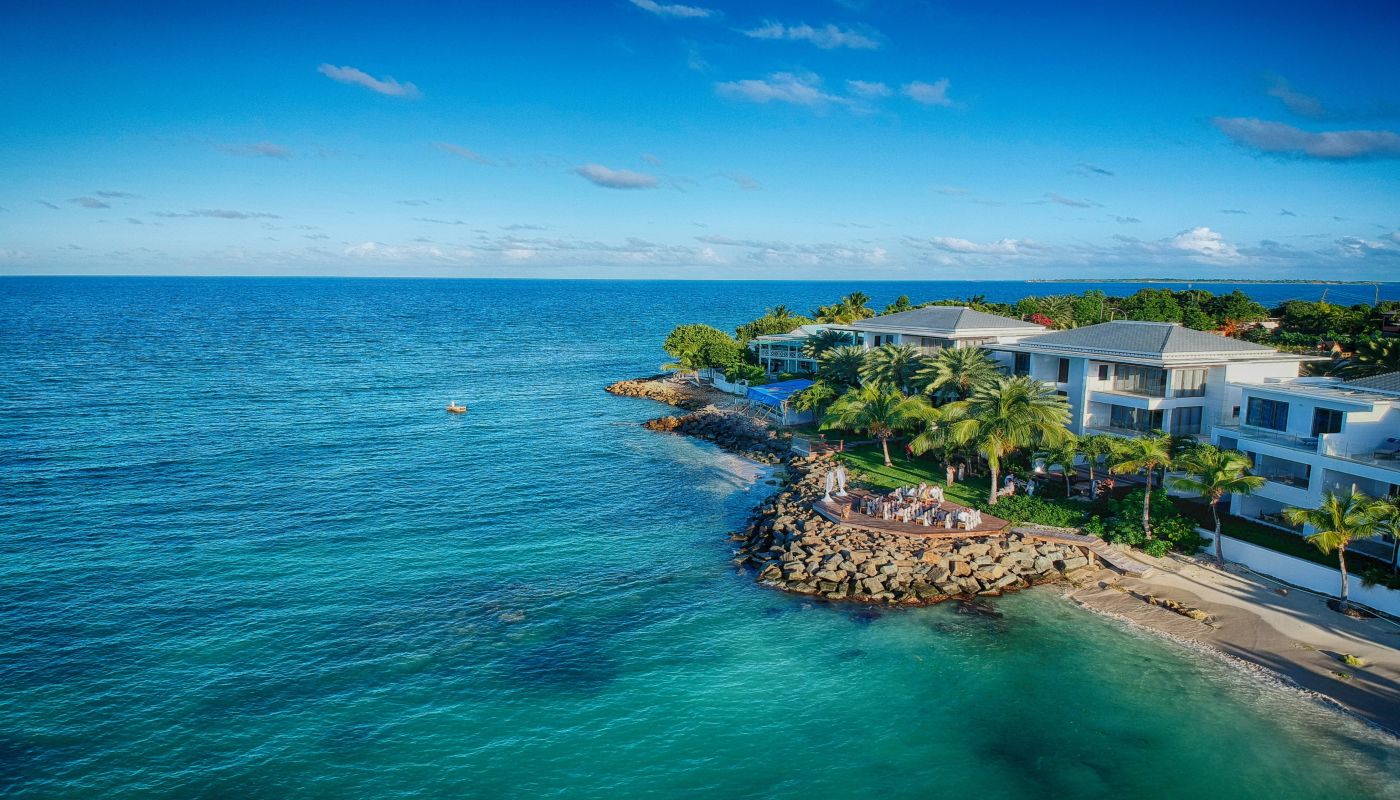
Landscape of Antigua and Barbuda
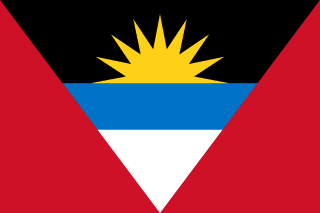
Flag of Antigua and Barbuda

Antigua and Barbuda

North America

Antigua and Barbuda has a population of approximately 103,000 people. The island nation has faced challenges related to climate change, including the devastation caused by Hurricane Irma in 2017. Efforts are underway to address these issues and promote sustainable development, including investments in renewable energy and sustainable tourism. The island is also home to a rich history, including the ruins of several colonial-era sugar plantations and the historic Nelson's Dockyard, a UNESCO World Heritage Site.

What would you like to learn about in Antigua and Barbuda?

Select a section to explore the country where nonprofits are creating positive change.

About Antigua and Barbuda

The Siboney were the first people to inhabit the islands of Antigua and Barbuda in 2400 B.C., but Arawak Indians populated the islands when COLUMBUS landed on his second voyage in 1493. Early Spanish and French settlements were succeeded by an English colony in 1667. Slavery, established to run the sugar plantations on Antigua, was abolished in 1834. The islands became an independent state within the British Commonwealth of Nations in 1981.

Quick Facts

Population
90,156 (July 2013 est.)
Area
442.6 sq km (Antigua 280 sq km; Barbuda 161 sq km)
ISO Code
AG
Continent
North America
Government
constitutional monarchy with a parliamentary system of government and a Commonwealth realm
Active Causes
12
View all countries in North America

Geography & Environment

Climate

tropical maritime; little seasonal temperature variation

Terrain

mostly low-lying limestone and coral islands, with some higher volcanic areas

Natural Resources

NEGL; pleasant climate fosters tourism

Environmental Issues

water management - a major concern because of limited natural freshwater resources - is further hampered by the clearing of trees to increase crop production, causing rainfall to run off quickly

People & Society

75.91 years
Avg. Life Expectancy
99%
Literacy Rate
30% of total population (2010)
Total Urban Population

Languages

English (official), local dialects

Religions

Protestant 76.4% (Anglican 25.7%, Seventh-Day Adventist 12.3%, Pentecostal 10.6%, Moravian 10.5%, Methodist 7.9%, Baptist 4.9%, Church of God 4.5%), R...

Health Expenditure

6% of GDP (2010) of GDP

Education Expenditure

2.5% of GDP (2009) of GDP

Economy

$18,300
GDP per Capita (PPP)
11%
Unemployment Rate
NA%
Below Poverty Line

Economic Overview

Tourism continues to dominate Antigua and Barbuda's economy, accounting for nearly 60% of GDP and 40% of investment. The dual-island nation's agricultural production is focused on the domestic market and constrained by a limited water supply and a labor shortage stemming from the lure of higher wages in tourism and construction. Manufacturing comprises enclave-type assembly for export with major products being bedding, handicrafts, and electronic components. Prospects for economic growth in the medium term will continue to depend on tourist arrivals from the US, Canada, and Europe and potentia...

Causes in Antigua and Barbuda

Environment

Antigua and Barbuda, a twin-island nation located in the eastern Caribbean, is significantly impacted by environmental factors due to its vulnerability to climate change and natural disasters. The country faces challenges such as rising sea levels, coastal erosion, and extreme weather events that threaten its infrastructure, agriculture, and tourism industry. The degradation of coral reefs and marine ecosystems also poses a threat to the country's fisheries and biodiversity. In response to these challenges, Antigua and Barbuda has been actively involved in international efforts to mitigate climate change and promote sustainable development practices. However, more needs to be done to build resilience and adapt to the changing environmental conditions in order to safeguard the future of the nation's economy and well-being.

Family

Family plays a significant role in the social fabric of Antigua and Barbuda, a twin-island nation located in the Caribbean region. In this country, families are typically close-knit and serve as the cornerstone of community support and cohesion. The concept of family extends beyond immediate relatives to encompass extended family members, neighbors, and friends who are considered part of one's familial network. This strong sense of familial bond is reflected in various aspects of Antiguan and Barbudan society, including celebrations, traditions, and decision-making processes. Families in Antigua and Barbuda often provide emotional, financial, and social support to their members, contributing to the overall well-being and stability of individuals and communities. Recognizing the importance of family dynamics is crucial in understanding the cultural values and behaviors of the people of Antigua and Barbuda.

Human Rights

Antigua and Barbuda, a twin-island nation located in the Caribbean, faces various human rights challenges that impact its citizens. Despite constitutional provisions guaranteeing fundamental freedoms and rights, issues such as discrimination against marginalized groups, gender inequality, and limited access to healthcare persist in the country. The government has taken steps to address these concerns through legislative reforms and initiatives aimed at promoting human rights awareness and protection. However, more efforts are needed to ensure the full realization of human rights for all individuals in Antigua and Barbuda.

Education

Antigua and Barbuda, a twin-island nation located in the Eastern Caribbean, faces educational challenges that significantly impact its social and economic development. While the country has made strides in improving its education system, issues such as limited access to quality education, inadequate resources, and high dropout rates persist. These challenges contribute to a cycle of poverty and inequality, hindering the nation's overall progress. Education in Antigua and Barbuda plays a crucial role in shaping its future by providing individuals with the necessary skills and knowledge to thrive in a competitive global economy. By investing in education and addressing these challenges, Antigua and Barbuda can empower its citizens, reduce poverty, and foster sustainable development.

Poverty

Poverty poses a significant challenge in Antigua and Barbuda, impacting various aspects of the country's socio-economic landscape. Despite being classified as an upper-middle-income country, poverty remains a pressing issue, particularly affecting vulnerable populations such as children, the elderly, and individuals living in rural areas. The lack of access to quality education, healthcare services, and employment opportunities further exacerbates the situation, perpetuating a cycle of poverty for many residents. The effects of poverty can be seen in the limited resources available for social services and infrastructure development, hindering the overall well-being and prosperity of the nation. Addressing poverty in Antigua and Barbuda requires comprehensive strategies that prioritize social inclusion, economic empowerment, and sustainable development initiatives to uplift marginalized communities and foster long-term growth.

Religion

Antigua and Barbuda, a twin-island nation in the Eastern Caribbean, boasts a rich cultural heritage influenced by various religious beliefs. The predominant religion in Antigua and Barbuda is Christianity, with Anglicanism being the largest denomination followed by other Protestant denominations and Roman Catholicism. Religion plays a significant role in the daily lives of the people of Antigua and Barbuda, shaping their values, traditions, and societal norms. Churches serve as not only places of worship but also as centers for community gatherings and social support systems. The influence of religion can be observed in various aspects of Antiguan society, including education, politics, and healthcare. While religious diversity exists within the country, with smaller populations practicing Hinduism, Islam, and Rastafarianism, Christianity remains the dominant force shaping the cultural landscape of Antigua and Barbuda.

Clean Water

Antigua and Barbuda, a small island nation in the Caribbean, faces significant challenges in ensuring access to clean water for its population. The country's limited freshwater resources are vulnerable to contamination from agricultural runoff, inadequate sewage treatment, and the impacts of climate change. The lack of clean water not only affects the health and well-being of the people but also hinders economic development and tourism, which are vital industries for the nation. Addressing this issue requires investments in water infrastructure, sustainable water management practices, and community education on the importance of preserving water quality. By prioritizing clean water initiatives, Antigua and Barbuda can safeguard public health, protect its natural environment, and support long-term sustainable development.

Economy

Antigua and Barbuda, a twin-island nation located in the Caribbean, faces economic challenges that significantly impact its population. The country heavily relies on tourism, which accounts for a substantial portion of its GDP. The recent global economic downturn due to the COVID-19 pandemic has severely affected the tourism industry in Antigua and Barbuda, leading to job losses and economic instability. Additionally, the country also grapples with issues like high public debt and vulnerability to natural disasters, further exacerbating its economic struggles. The government has been implementing measures to diversify the economy and attract foreign investment to stimulate growth and create more sustainable development opportunities for its citizens.

Government

Antigua and Barbuda, a twin-island nation located in the Caribbean, has a government system that significantly influences the country's trajectory. The government of Antigua and Barbuda is a parliamentary democracy with a constitutional monarchy, where the monarch of the United Kingdom serves as the ceremonial head of state represented by a Governor-General. The government consists of the Executive, Legislative, and Judicial branches that work together to ensure the proper functioning of the nation. The decisions made by the government impact various aspects of life in Antigua and Barbuda, including economic policies, social programs, infrastructure development, and environmental initiatives. It is crucial for citizens to be informed about their government's actions to actively participate in the democratic process and hold their representatives accountable.

Health

Health plays a crucial role in the socio-economic development of Antigua and Barbuda, a small twin-island nation in the Caribbean. The country faces various health challenges that impact its population's well-being and productivity. Non-communicable diseases such as diabetes, hypertension, and obesity are prevalent in Antigua and Barbuda, leading to a significant burden on the healthcare system. Inadequate access to healthcare services, limited resources, and lack of public health awareness programs further exacerbate these health issues. Additionally, environmental factors such as climate change and natural disasters pose threats to public health in the region. Addressing these health concerns requires comprehensive strategies focusing on preventive measures, health education, and improving healthcare infrastructure to ensure the well-being of the population of Antigua and Barbuda.

Children

In Antigua and Barbuda, children face a range of challenges that impact their well-being and development. The prevalence of poverty in the country has a significant impact on children, with many lacking access to adequate healthcare, education, and nutrition. This can lead to long-term consequences, such as limited opportunities for social mobility and economic advancement. Additionally, issues such as child abuse, neglect, and exploitation further exacerbate the vulnerabilities faced by children in Antigua and Barbuda. It is crucial for stakeholders at the national and international levels to prioritize the protection and support of children in this region to ensure a brighter future for the next generation.

Animals

Antigua and Barbuda, located in the Eastern Caribbean, boasts a rich biodiversity that plays a crucial role in its ecosystem. Animals in this region, both on land and in the surrounding waters, have a significant impact on the country's environment and economy. The diverse marine life, including colorful coral reefs, sea turtles, and various fish species, attract tourists for snorkeling and diving activities, thus contributing to the tourism sector, a major source of revenue for Antigua and Barbuda. On land, native species such as the Antiguan Racer snake and the Antiguan Ground Lizard are vital for maintaining the balance of the island's ecosystems. However, like many other regions around the world, these animals face threats such as habitat loss, climate change, and poaching. It is essential to raise awareness about the importance of preserving the natural habitats of these animals to ensure their survival and maintain the ecological balance of Antigua and Barbuda.

Nonprofits Working in Antigua and Barbuda

Discover organizations making a difference in Antigua and Barbuda

Make Your Impact Today

Discover causes you care about and support the nonprofits making a difference in communities around the world.

Are you a nonprofit? Join Project World Impact for free

Join Us Free