Landscape of Cayman Islands
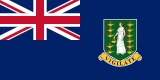
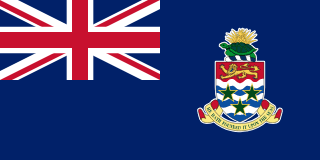
Flag of Cayman Islands

Cayman Islands

North America

The Cayman Islands is a British Overseas Territory located in the western Caribbean Sea. Comprised of three islands, Grand Cayman, Cayman Brac, and Little Cayman, it is a popular tourist destination known for its crystal-clear waters, white sandy beaches, and world-renowned diving and snorkeling sites. The capital city of George Town is home to numerous international banks and financial institutions, making the Cayman Islands a leading offshore financial center. The islands also boast a diverse culinary scene, rich cultural heritage, and a variety of outdoor activities such as hiking, fishing, and boating. With a population of around 66,000 people, the Cayman Islands is a welcoming and safe destination for visitors from all over the world.

What would you like to learn about in Cayman Islands?

Select a section to explore the country where nonprofits are creating positive change.

About Cayman Islands

The Cayman Islands is a British Overseas Territory located in the western Caribbean Sea. Comprised of three islands, Grand Cayman, Cayman Brac, and Little Cayman, it is a popular tourist destination known for its crystal-clear waters, white sandy beaches, and world-renowned diving and snorkeling sites. The capital city of George Town is home to numerous international banks and financial institutions, making the Cayman Islands a leading offshore financial center. The islands also boast a diverse culinary scene, rich cultural heritage, and a variety of outdoor activities such as hiking, fishing, and boating. With a population of around 66,000 people, the Cayman Islands is a welcoming and safe destination for visitors from all over the world.

Causes in Cayman Islands

Environment

The Cayman Islands, a British Overseas Territory located in the western Caribbean Sea, face significant environmental challenges due to their small landmass and vulnerability to climate change. The islands are particularly susceptible to rising sea levels, coral reef degradation, and intense hurricanes, all of which pose threats to the delicate ecosystem and the economy that heavily relies on tourism and marine resources. The lack of freshwater sources also presents a pressing issue for the sustainability of the islands. Efforts to address these challenges include conservation initiatives, sustainable development practices, and climate change adaptation strategies. It is crucial for the government and local communities to work together to protect the environment and ensure the long-term viability of the Cayman Islands.

Family

In the Cayman Islands, family plays a crucial role in shaping the social fabric and cultural landscape of the nation. Family ties are deeply valued, with strong emphasis placed on extended families and close-knit communities. The concept of family extends beyond blood relations to include close friends and neighbors, creating a supportive network that fosters a sense of belonging and security. Family gatherings and traditions are an integral part of life in the Cayman Islands, providing opportunities for bonding, sharing knowledge, and passing down cultural heritage from one generation to the next. Moreover, families often serve as the primary source of emotional and financial support, especially in times of need. The importance of family is reflected in various aspects of Caymanian society, influencing everything from decision-making processes to community dynamics.

Human Rights

The Cayman Islands, a British Overseas Territory located in the Caribbean, is a jurisdiction known for its financial services industry and pristine beaches. Despite its reputation as a popular tourist destination and offshore financial center, the Cayman Islands face human rights challenges that impact its residents. Issues such as discrimination based on nationality, gender, and sexual orientation have been reported. Additionally, concerns have been raised regarding the treatment of migrant workers and access to healthcare services for vulnerable populations. It is crucial for the government and civil society in the Cayman Islands to work together to uphold human rights standards and ensure that all individuals living in the territory are treated with dignity and respect.

Education

The Cayman Islands, a British Overseas Territory located in the Caribbean, have a population of approximately 65,000 people. Education plays a crucial role in shaping the future of this nation. The Cayman Islands have a well-established education system that places a strong emphasis on academic excellence and personal development. The government invests significantly in education, with a focus on providing quality education to all its citizens from early childhood through higher education. This investment has resulted in high literacy rates and a skilled workforce that contributes to the country's economic growth and development. Additionally, education plays a key role in promoting social mobility and reducing inequality in the Cayman Islands by providing opportunities for individuals to improve their socio-economic status through access to quality education. By prioritizing education, the Cayman Islands are investing in their future prosperity and well-being.

Poverty

The Cayman Islands, a British Overseas Territory located in the Caribbean, is known for its affluent financial services industry and high standard of living. However, beneath its facade of prosperity lies a less visible issue of poverty that impacts a significant portion of the population. The cost of living in the Cayman Islands is exceptionally high, resulting in many residents struggling to afford basic necessities such as housing, healthcare, and food. Limited economic opportunities for lower-income individuals further exacerbate the problem, creating a cycle of poverty that is difficult to break. This disparity in wealth distribution not only affects the well-being of those living in poverty but also hinders the overall social and economic development of the country. By shedding light on the issue of poverty in the Cayman Islands, it is crucial to inspire action and support initiatives aimed at addressing this pressing challenge.

Religion

The Cayman Islands, a British Overseas Territory located in the Caribbean, is a region deeply influenced by religion. The majority of the population in the Cayman Islands practices Christianity, with a significant presence of Protestant denominations such as Anglicanism, Presbyterianism, and Baptist churches. Religion plays a crucial role in shaping the cultural and social fabric of the society, influencing various aspects of daily life, including family values, education, and community engagement. Churches in the Cayman Islands serve as centers of spiritual guidance and social support, fostering a sense of community and belonging among its members. Religious holidays and traditions are widely celebrated, contributing to the rich tapestry of cultural diversity in the region. Overall, religion serves as a unifying force that binds individuals together and provides a sense of identity and purpose within the Cayman Islands.

Clean Water

The Cayman Islands, a British Overseas Territory located in the western Caribbean Sea, are heavily reliant on clean water for various aspects of life, including tourism, agriculture, and residential needs. With a population of approximately 65,000 residents and hosting over 2 million tourists annually, the demand for clean water is significant. The islands face challenges such as pollution from sewage, agricultural runoff, and improper waste disposal that threaten the quality of their water sources. Contamination of these sources not only poses risks to public health but also jeopardizes the marine ecosystems that are crucial to the islands' economy and biodiversity. Addressing these issues through sustainable water management practices, efficient wastewater treatment systems, and community awareness campaigns is essential to safeguarding the Cayman Islands' water resources for current and future generations.

Economy

The Cayman Islands, located in the Caribbean, is a British Overseas Territory known for its robust financial services sector, tourism industry, and high standard of living. The economy of the Cayman Islands is heavily dependent on tourism and financial services, with the latter contributing significantly to the country's GDP. The jurisdiction's status as a tax haven attracts numerous international businesses and investors, bolstering its economy. However, this reliance on financial services exposes the Cayman Islands to external economic shocks and regulatory changes that can impact its growth and stability. Additionally, the country faces challenges such as income inequality, housing affordability issues, and environmental conservation concerns that require careful management to ensure sustainable development and prosperity.

Government

The Cayman Islands, a British Overseas Territory located in the western Caribbean Sea, is known for its picturesque beaches, crystal-clear waters, and vibrant marine life. The government of the Cayman Islands plays a crucial role in shaping the country's economic and social landscape. As a financial hub, the government's policies and regulations have a direct impact on the territory's banking and financial services sector. Additionally, the government is responsible for overseeing healthcare, education, infrastructure development, and environmental conservation efforts within the islands. By promoting transparency, accountability, and sustainable development practices, the government of the Cayman Islands seeks to ensure the well-being of its residents and preserve the natural beauty of the islands for future generations.

Health

The Cayman Islands, a British Overseas Territory located in the Caribbean, face unique health challenges due to their small population, limited healthcare infrastructure, and dependence on tourism. Despite being a popular destination for international travelers, the islands struggle with access to quality healthcare services, particularly for chronic conditions such as diabetes and heart disease. The high cost of living and limited resources also contribute to disparities in healthcare access across the population. Additionally, the islands are vulnerable to natural disasters, which can disrupt healthcare services and exacerbate existing health issues. It is crucial for the Cayman Islands to prioritize investments in healthcare infrastructure, public health programs, and disaster preparedness to ensure the well-being of their residents and visitors.

Children

The Cayman Islands, a British Overseas Territory in the Caribbean, faces numerous challenges in ensuring the well-being of its children. While the islands boast a high standard of living and a robust economy driven by financial services and tourism, issues such as child abuse, neglect, and poverty persist. Children in the Cayman Islands are vulnerable to various risk factors that can impede their healthy development, including family breakdowns, substance abuse, and inadequate access to education and healthcare services. Despite efforts by governmental and non-governmental organizations to address these issues, more needs to be done to safeguard the rights and welfare of children in the Cayman Islands.

Animals

The Cayman Islands, a British Overseas Territory located in the Caribbean, boasts a diverse ecosystem that is home to a wide variety of animal species. The islands' unique environment plays a crucial role in supporting these animals and maintaining the delicate balance of their habitats. From the indigenous blue iguanas to the vibrant coral reefs teeming with marine life, animals in the Cayman Islands face numerous challenges such as habitat loss, pollution, and climate change. These threats put pressure on their populations and disrupt the natural equilibrium of the ecosystem. Conservation efforts in the Cayman Islands are essential to protect these animals and ensure their survival for future generations.

Nonprofits Working in Cayman Islands

Discover organizations making a difference in Cayman Islands

Make Your Impact Today

Discover causes you care about and support the nonprofits making a difference in communities around the world.

Are you a nonprofit? Join Project World Impact for free

Join Us Free