Landscape of Costa Rica
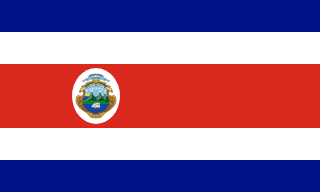
Flag of Costa Rica

Costa Rica

North America

Costa Rica is a small country in Central America, bordered by Nicaragua to the north and Panama to the south. It is renowned for its stunning natural beauty, with lush rainforests, towering mountains, and pristine beaches attracting visitors from all over the world. Costa Rica is also known for its progressive approach to environmental protection and sustainability, with more than 25% of its land protected in national parks and reserves. In addition to its natural wonders, Costa Rica is home to a vibrant culture that blends indigenous, Spanish, and Afro-Caribbean influences, and its capital city, San Jose, offers a thriving arts and culinary scene.

What would you like to learn about in Costa Rica?

Select a section to explore the country where nonprofits are creating positive change.

About Costa Rica

Although explored by the Spanish early in the 16th century, initial attempts at colonizing Costa Rica proved unsuccessful due to a combination of factors, including disease from mosquito-infested swamps, brutal heat, resistance by natives, and pirate raids. It was not until 1563 that a permanent settlement of Cartago was established in the cooler, fertile central highlands. The area remained a colony for some two and a half centuries. In 1821, Costa Rica became one of several Central American provinces that jointly declared their independence from Spain. Two years later it joined the United Provinces of Central America, but this federation disintegrated in 1838, at which time Costa Rica proclaimed its sovereignty and independence. Since the late 19th century, only two brief periods of violence have marred the country's democratic development. In 1949, Costa Rica dissolved its armed forces. Although it still maintains a large agricultural sector, Costa Rica has expanded its economy to include strong technology and tourism industries. The standard of living is relatively high. Land ownership is widespread.

Quick Facts

Population
4,695,942 (July 2013 est.)
Area
51,100 sq km
ISO Code
CR
Continent
North America
Government
democratic republic
Active Causes
12
View all countries in North America

Geography & Environment

Climate

tropical and subtropical; dry season (December to April); rainy season (May to November); cooler in highlands

Terrain

coastal plains separated by rugged mountains including over 100 volcanic cones, of which several are major volcanoes

Natural Resources

hydropower

Environmental Issues

deforestation and land use change, largely a result of the clearing of land for cattle ranching and agriculture; soil erosion; coastal marine pollution; fisheries protection; solid waste management; a...

People & Society

78.06 years
Avg. Life Expectancy
96.3%
Literacy Rate
64% of total population (2010)
Total Urban Population

Languages

Spanish (official), English

Religions

Roman Catholic 76.3%, Evangelical 13.7%, Jehovah's Witnesses 1.3%, other Protestant 0.7%, other 4.8%, none 3.2%

Health Expenditure

10.9% of GDP (2010) of GDP

Education Expenditure

6.3% of GDP (2009) of GDP

Economy

$12,800
GDP per Capita (PPP)
7.8%
Unemployment Rate
24.8% (2011 est.)
Below Poverty Line

Economic Overview

Prior to the global economic crisis, Costa Rica enjoyed stable economic growth. The economy contracted 1.3% in 2009 but resumed growth at about 4.5% per year in 2010-12. While the traditional agricultural exports of bananas, coffee, sugar, and beef are still the backbone of commodity export trade, a variety of industrial and specialized agricultural products have broadened export trade in recent years. High value-added goods and services, including microchips, have further bolstered exports. Tourism continues to bring in foreign exchange, as Costa Rica's impressive biodiversity makes it a key...

Causes in Costa Rica

Environment

Costa Rica, known for its rich biodiversity and commitment to conservation, is heavily impacted by environmental challenges. The country's economy heavily relies on tourism, agriculture, and ecotourism, all of which are vulnerable to climate change. Rising global temperatures lead to more frequent droughts and extreme weather events, affecting the agriculture sector and threatening food security. Deforestation due to agriculture expansion and illegal logging also poses a significant threat to Costa Rica's lush ecosystems. Additionally, plastic pollution and waste management issues endanger the country's renowned natural beauty and wildlife. The environmental impact on Costa Rica serves as a stark reminder of the urgent need for sustainable practices and conservation efforts to preserve its ecological treasures for future generations.

Family

In Costa Rica, family holds significant importance within the social fabric of the nation. The concept of family in Costa Rica extends beyond the nuclear unit to encompass extended family members, creating a strong sense of community and support. Families in Costa Rica typically exhibit close-knit relationships, often relying on one another for emotional, financial, and practical assistance. This emphasis on familial ties plays a crucial role in shaping societal values and behaviors, influencing decision-making processes, and contributing to the overall well-being of individuals. Moreover, the Costa Rican government has implemented various policies that support family welfare and promote family unity as a cornerstone of society. Recognizing and understanding the profound impact of family dynamics in Costa Rica is essential for fostering a deeper appreciation of the cultural nuances and social structures that shape this vibrant nation.

Human Rights

Costa Rica is known for its commitment to human rights, with a long history of promoting equality and social justice within the country. The protection of human rights in Costa Rica is enshrined in their constitution and various international agreements that the country has ratified. Despite this, challenges persist, particularly in relation to indigenous communities, women, and the LGBTQ+ population. Discrimination and violence against these groups continue to be prevalent issues that require ongoing attention and action from both the government and civil society organizations. By addressing these issues and promoting awareness of human rights violations, Costa Rica can further strengthen its reputation as a leader in human rights in the region.

Education

Costa Rica, a country known for its lush landscapes, biodiversity, and commitment to sustainability, places a high value on education as a key driver of economic and social development. The education system in Costa Rica is considered one of the best in Latin America, with a literacy rate of over 97%. Access to education is widespread, with both primary and secondary education being compulsory and provided free of charge by the government. Investment in education has been a top priority for the Costa Rican government, with significant resources allocated to improving infrastructure, teacher training, and curriculum development. This focus on education has helped Costa Rica achieve high levels of human development and economic prosperity compared to its regional counterparts.

Poverty

Costa Rica, a country known for its natural beauty and biodiversity, is also grappling with significant poverty issues. Despite being an upper-middle-income country, poverty remains a pressing concern, particularly in rural areas and among indigenous populations. The impact of poverty in Costa Rica manifests in various ways, including limited access to quality education, healthcare, and employment opportunities. This socioeconomic disparity perpetuates a cycle of poverty that hinders the overall development and well-being of individuals and communities in the country. Efforts are being made by the government and various organizations to address these challenges through targeted interventions and programs aimed at reducing poverty levels and promoting sustainable development.

Religion

Religion plays a significant role in the cultural fabric of Costa Rica, a country known for its rich biodiversity and progressive policies. The majority of Costa Ricans identify as Roman Catholic, with Catholicism deeply ingrained in the nation's history and traditions. The influence of religion is evident in various aspects of Costa Rican life, from family values to social customs and public holidays. Despite the strong presence of Catholicism, Costa Rica upholds a commitment to religious freedom, allowing for the practice of other faiths such as Protestantism, Buddhism, and Judaism. This religious diversity contributes to the country's reputation as a tolerant and inclusive society. It is important to recognize the impact of religion on Costa Rican culture and society, as it shapes the beliefs, values, and behaviors of its people.

Clean Water

Costa Rica, known for its stunning biodiversity and commitment to environmental conservation, is facing challenges in ensuring clean water access for its population. Despite having abundant water resources, the country grapples with issues such as pollution from agricultural runoff, untreated sewage, and industrial activities. The lack of access to clean water not only poses health risks to the people of Costa Rica but also threatens the integrity of its ecosystems and biodiversity. Water scarcity in certain regions further exacerbates the issue, impacting agriculture and local communities. Addressing these challenges requires coordinated efforts from government agencies, non-profit organizations, and local communities to implement sustainable water management practices and ensure clean water access for all residents of Costa Rica.

Economy

Costa Rica, a Central American country known for its biodiverse ecosystems and stable political environment, has experienced significant economic growth over the past few decades. Despite making strides in diversifying its economy beyond traditional sectors like agriculture and tourism, Costa Rica still faces challenges related to income inequality and poverty. The country's economy heavily relies on tourism, agriculture, and electronic exports, making it vulnerable to external shocks. High levels of public debt also pose a threat to the country's long-term economic stability. The impact of the economy on Costa Ricans is profound, with disparities in income distribution leading to social issues and affecting access to quality education and healthcare services. Addressing these economic disparities is crucial for ensuring sustainable development and improving the well-being of all Costa Ricans.

Government

Costa Rica, a country renowned for its rich biodiversity and commitment to conservation, faces various challenges that are influenced by its government policies. The impact of the government on Costa Rica is profound, as it plays a crucial role in shaping environmental legislation, sustainable development initiatives, and social welfare programs. The country has made significant strides in the realm of environmental protection, with policies such as the ban on single-use plastics and the promotion of renewable energy sources. However, issues such as deforestation, pollution, and income inequality persist, requiring ongoing efforts from the government to address these complex problems. By analyzing the government's role in driving change in Costa Rica, we can better understand the interconnectedness between policy decisions and their real-world effects on society and the environment.

Health

Costa Rica, a Central American country renowned for its natural beauty and biodiversity, faces various health challenges that significantly impact its population. The country has made significant strides in improving healthcare access and quality over the years, yet disparities persist, particularly in rural areas and among marginalized communities. Costa Rica grapples with issues such as high rates of chronic diseases like cardiovascular conditions and diabetes, as well as infectious diseases such as dengue fever and Zika virus. Additionally, mental health remains a concern, with stigma often hindering access to necessary services. These health challenges not only affect the well-being of individuals but also pose economic burdens on the healthcare system and society at large. Raising awareness about these issues is crucial to mobilize resources and support initiatives aimed at addressing health disparities in Costa Rica.

Children

Costa Rica, renowned for its lush biodiversity and commitment to environmental conservation, is a country that faces various challenges affecting its children. One of the significant issues impacting children in Costa Rica is poverty. According to UNICEF, approximately 21% of children in Costa Rica live in poverty, which can lead to inadequate access to education, healthcare, and nutrition. Furthermore, violence against children is a pressing concern in the country, with reports indicating high rates of child abuse and neglect. Additionally, the lack of comprehensive child protection policies and resources exacerbates the vulnerabilities faced by children in Costa Rica. Addressing these issues is crucial to ensuring the well-being and future prospects of the country's youth.

Animals

Costa Rica, often touted for its rich biodiversity and commitment to conservation efforts, faces various challenges when it comes to the impact of animals on the country. The presence of a wide array of animal species, from jaguars to sea turtles, plays a crucial role in Costa Rica's ecosystem. However, habitat destruction, poaching, and climate change pose significant threats to these animals. Deforestation for agricultural purposes has led to habitat loss, jeopardizing the survival of many species. Poaching remains a concern, particularly for endangered animals like the sea turtle. Climate change also affects animal populations, disrupting ecosystems and altering species' distributions. While Costa Rica has made strides in protecting its wildlife through national parks and conservation projects, continued efforts are essential to mitigate these threats and ensure the preservation of the country's diverse fauna.

Nonprofits Working in Costa Rica

Discover organizations making a difference in Costa Rica

Make Your Impact Today

Discover causes you care about and support the nonprofits making a difference in communities around the world.

Are you a nonprofit? Join Project World Impact for free

Join Us Free