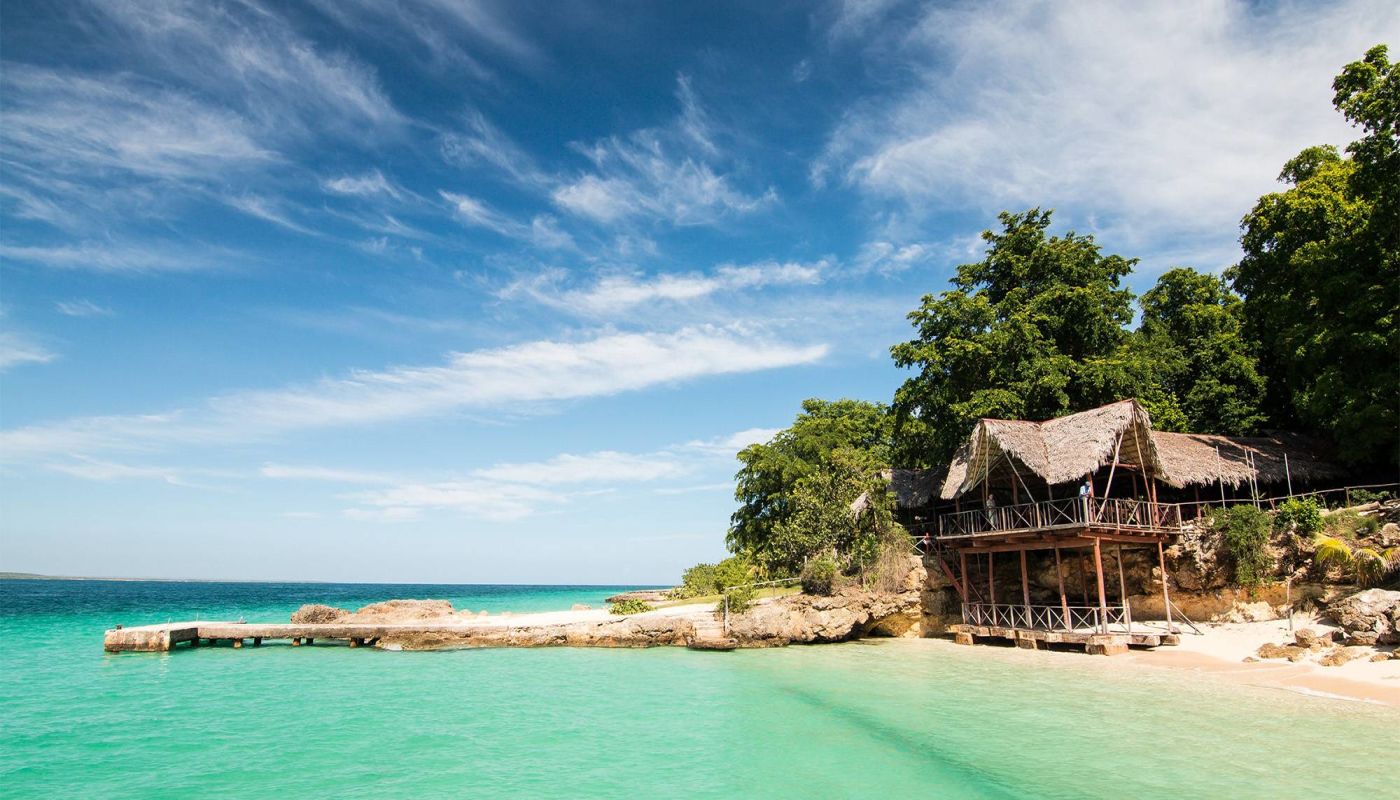
Landscape of Cuba
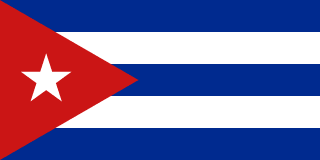
Flag of Cuba

Cuba

North America

Cuba is located in the Caribbean and one of the most notable aspects of Cuba is its population, which currently stands at approximately 11.3 million people.The country boasts a robust healthcare system that is free and accessible to all citizens, as well as a strong focus on education that has led to high literacy rates and a well-educated population. In addition to its impressive social programs, Cuba is also known for its vibrant arts and culture scene, with a rich musical tradition that has given rise to numerous genres such as salsa, son, and rumba. The country is also home to a number of world-renowned artists and writers, such as Jose Marti and Ernest Hemingway.

What would you like to learn about in Cuba?

Select a section to explore the country where nonprofits are creating positive change.

About Cuba

The native Amerindian population of Cuba began to decline after the European discovery of the island by Christopher COLUMBUS in 1492 and following its development as a Spanish colony during the next several centuries. Large numbers of African slaves were imported to work the coffee and sugar plantations, and Havana became the launching point for the annual treasure fleets bound for Spain from Mexico and Peru. Spanish rule eventually provoked an independence movement and occasional rebellions that were harshly suppressed. US intervention during the Spanish-American War in 1898 assisted the Cubans in overthrowing Spanish rule. The Treaty of Paris established Cuban independence from the US in 1902 after which the island experienced a string of governments mostly dominated by the military and corrupt politicians. Fidel CASTRO led a rebel army to victory in 1959; his iron rule held the subsequent regime together for nearly five decades. He stepped down as president in February 2008 in favor of his younger brother Raul CASTRO. Cuba's communist revolution, with Soviet support, was exported throughout Latin America and Africa during the 1960s, 1970s, and 1980s. The country faced a severe economic downturn in 1990 following the withdrawal of former Soviet subsidies worth $4 billion to $6 billion annually. Cuba at times portrays the US embargo, in place since 1961, as the source if its difficulties. Illicit migration to the US - using homemade rafts, alien smugglers, air flights, or via the US's southwest border - is a continuing problem. The US Coast Guard interdicted 1,275 Cuban nationals attempting to cross the Straits of Florida in 2012.

Quick Facts

Population
11,061,886 (July 2013 est.)
Area
110,860 sq km
ISO Code
CU
Continent
North America
Government
Communist state
Active Causes
12
View all countries in North America

Geography & Environment

Climate

tropical; moderated by trade winds; dry season (November to April); rainy season (May to October)

Terrain

mostly flat to rolling plains, with rugged hills and mountains in the southeast

Natural Resources

cobalt, nickel, iron ore, chromium, copper, salt, timber, silica, petroleum, arable land

Environmental Issues

air and water pollution; biodiversity loss; deforestation

People & Society

78.05 years
Avg. Life Expectancy
99.8%
Literacy Rate
75% of total population (2010)
Total Urban Population

Languages

Spanish (official)

Religions

nominally Roman Catholic 85%, Protestant, Jehovah's Witnesses, Jewish, Santeria

Health Expenditure

10.6% of GDP (2010) of GDP

Education Expenditure

12.9% of GDP (2010) of GDP

Economy

$10,200
GDP per Capita (PPP)
3.8%
Unemployment Rate
NA%
Below Poverty Line

Economic Overview

The government continues to balance the need for loosening its socialist economic system against a desire for firm political control. The government in April 2011 held the first Cuban Communist Party Congress in almost 13 years, during which leaders approved a plan for wide-ranging economic changes. President Raul CASTRO said such changes were needed to update the economic model to ensure the survival of socialism. The government has expanded opportunities for self-employment and has introduced limited reforms, some initially implemented in the 1990s, to increase enterprise efficiency and alle...

Causes in Cuba

Environment

Cuba, an island nation located in the Caribbean, faces significant environmental challenges that directly impact its people and economy. The country is particularly vulnerable to climate change effects such as rising sea levels, severe weather events, and coastal erosion due to its geographical location. Additionally, deforestation, soil degradation, and pollution from agricultural practices and industrial activities further exacerbate environmental issues in Cuba. These environmental challenges have detrimental effects on the health and well-being of the Cuban population, as well as on the country's agriculture, tourism industry, and overall socio-economic development. Addressing these environmental issues is crucial to ensure a sustainable future for Cuba and its inhabitants.

Family

In Cuba, family plays a central role in shaping societal dynamics and individual experiences. Cuban society places high value on strong family bonds, with extended families often living together and providing mutual support. The concept of "la familia" extends beyond the nuclear family to include aunts, uncles, cousins, and even close friends. This close-knit structure not only provides emotional support but also serves as a vital safety net in times of economic hardship or political instability. Family gatherings are frequent and significant, with celebrations such as birthdays, anniversaries, and holidays serving as occasions to strengthen familial ties. Moreover, traditions and cultural values are passed down through generations within the family unit, preserving the rich heritage of Cuban society.

Human Rights

Cuba, a country that has long been under scrutiny for its human rights record, faces numerous challenges in upholding the rights of its citizens. The Cuban government has been criticized for its restrictions on freedom of speech, assembly, and association, as well as its suppression of political dissent. Reports from organizations such as Human Rights Watch have highlighted instances of arbitrary arrests, censorship, and lack of due process in Cuba. These violations not only impact the daily lives of Cubans but also hinder the country's progress towards a more open and democratic society. It is crucial for global stakeholders to continue monitoring and advocating for improved human rights conditions in Cuba to ensure the well-being and rights of its citizens are respected.

Poverty

Cuba, a country in the Caribbean known for its rich history and vibrant culture, faces significant challenges due to poverty. The impact of poverty in Cuba is profound, affecting access to basic necessities such as healthcare, education, and housing for a considerable portion of the population. Limited economic opportunities and a lack of resources have contributed to high levels of inequality and disparities in living standards. Despite efforts by the Cuban government to address poverty through social programs, many individuals and families continue to struggle to meet their daily needs. It is crucial to raise awareness about the ongoing issue of poverty in Cuba to support initiatives that aim to improve the well-being of its citizens.

Religion

Religion in Cuba holds a complex and multifaceted role within the country's cultural and social fabric. Historically, Cuba has been predominantly Catholic, with the influence of Santeria, a blend of African and Catholic beliefs, also being significant. However, the Cuban government's official stance on religion has been marked by periods of suppression, particularly during the early years of the Revolution. Despite this, there has been a gradual relaxation of restrictions on religious practices in recent years, leading to a resurgence of religious expression in the public sphere. Today, various religious denominations coexist in Cuba, including Protestantism, Judaism, and Afro-Cuban religions. Religion continues to play an important role in shaping Cuban identities and communities, offering solace and guidance to many amidst economic challenges and political uncertainties.

Clean Water

Cuba, an island nation in the Caribbean, faces significant challenges in ensuring access to clean water for its population. The scarcity of clean water in Cuba is largely attributed to aging infrastructure, inadequate water treatment facilities, and increased salinization of groundwater due to rising sea levels. The impact of insufficient access to clean water is profound, affecting public health, agriculture, and overall socio-economic development. Waterborne diseases are prevalent in areas with poor water quality, leading to increased healthcare costs and a higher burden on the healthcare system. In agriculture, water scarcity hinders crop production and livestock farming, directly impacting food security and livelihoods. To address these pressing issues, investments in modernizing water infrastructure and implementing sustainable water management practices are essential to ensure a reliable supply of clean water for all Cubans.

Economy

Cuba, a nation in the Caribbean, has been marked by a complex economic landscape that significantly impacts its populace. The country's economy is primarily driven by state-controlled industries, with limited private sector involvement. The government's tight grip on economic activities has resulted in challenges such as low wages, limited access to goods and services, and a reliance on imports for basic necessities. The U.S. trade embargo imposed on Cuba since the 1960s has further strained its economy, limiting foreign investment and trade opportunities. These economic constraints have led to high levels of poverty and limited economic mobility for many Cubans, shaping their daily lives and opportunities for advancement.

Government

Cuba is a country with a unique political landscape where the government plays a significant role in shaping the lives of its citizens. The socialist system in Cuba, established after the 1959 revolution led by Fidel Castro, has centralized power within the government, particularly the Communist Party of Cuba. This centralized authority has had both positive and negative impacts on the country. On one hand, it has allowed for the implementation of social programs such as free healthcare and education, which have benefited many Cubans. However, it has also been criticized for restricting political freedoms and stifling dissent through censorship and limited access to information. The government's control over key sectors of the economy has led to economic challenges, including shortages of goods and limited opportunities for private enterprise. Despite recent reforms aimed at opening up the economy, the government's influence remains pervasive in all aspects of Cuban society.

Health

In Cuba, health plays a significant role in shaping the country's socio-economic landscape. With a strong emphasis on preventative care and universal healthcare access, Cuba has made remarkable strides in improving the health outcomes of its population. Despite facing challenges such as limited resources and economic sanctions, the country boasts impressive healthcare indicators including high life expectancy and low infant mortality rates. The Cuban government's commitment to prioritizing public health through investments in healthcare infrastructure, medical research, and education has contributed to these positive outcomes. However, persistent issues such as shortages of medical supplies and equipment continue to pose challenges to the healthcare system in Cuba. By understanding the critical link between health and development in Cuba, we can better appreciate the complexities of the country's healthcare system and advocate for sustainable solutions to address its ongoing health challenges.

Children

In Cuba, children face various challenges that significantly impact their well-being. The country's economic struggles have led to widespread poverty, resulting in inadequate access to healthcare, education, and basic necessities for many children. Limited resources and government restrictions also contribute to high levels of malnutrition and poor living conditions among Cuban children. Additionally, the lack of parental guidance due to migration or economic hardships has left many children vulnerable to exploitation and abuse. These factors collectively hinder the physical, emotional, and cognitive development of Cuban children, posing long-term consequences for their future prospects and overall quality of life.

Education

In Cuba, education plays a crucial role in shaping the society and economy of the country. The Cuban government places a high emphasis on education, providing free education at all levels to its citizens. This commitment to education has resulted in high literacy rates and a well-educated population. The education system in Cuba focuses on creating a workforce that is skilled and knowledgeable, contributing to the country's development in various sectors. Education has also been instrumental in promoting social equality and reducing poverty in Cuba, offering opportunities for all individuals to access quality education regardless of their background. Overall, the emphasis on education in Cuba has had a positive impact on the country's development and the well-being of its people.

Animals

In Cuba, animals play a significant role in the country's ecosystem and economy. The diverse wildlife found in Cuba, including species like the Cuban crocodile, Cuban solenodon, and the Cuban hutia, contribute to the rich biodiversity of the region. Animals also hold cultural importance in Cuban society, with livestock farming and fishing serving as vital sources of food and income for many communities. However, despite their value, animals in Cuba face numerous threats such as habitat loss, pollution, and climate change. Conservation efforts are crucial to protect the unique fauna of Cuba and to ensure the well-being of both animals and humans in the region.

Nonprofits Working in Cuba

Discover organizations making a difference in Cuba

Make Your Impact Today

Discover causes you care about and support the nonprofits making a difference in communities around the world.

Are you a nonprofit? Join Project World Impact for free

Join Us Free