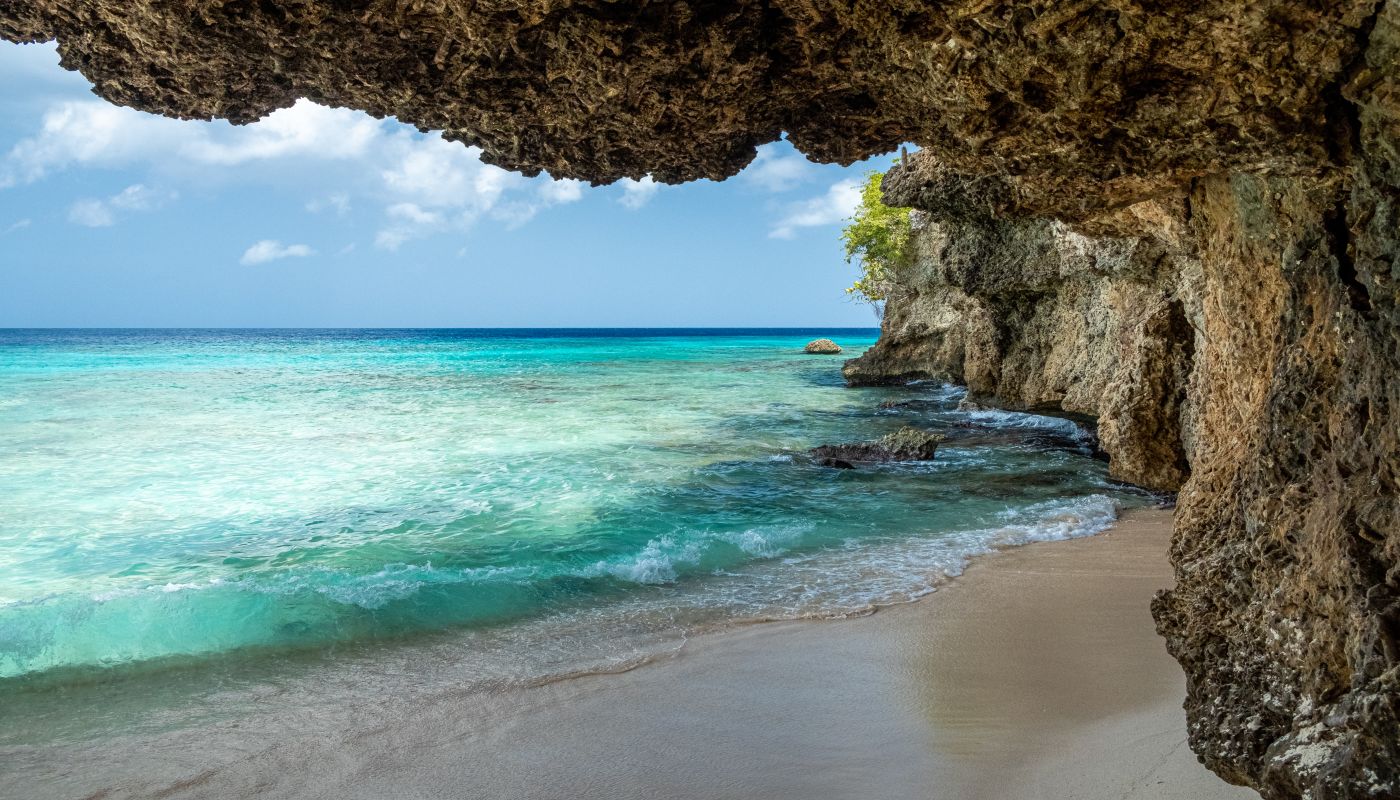
Landscape of Curacao
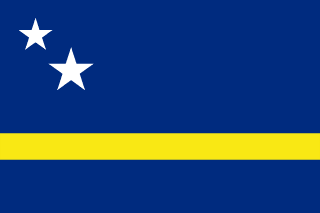
Flag of Curacao

Curacao

North America

Curacao is a Dutch Caribbean island located off the coast of Venezuela, known for its stunning beaches and rich cultural heritage. With a population of around 160,000 people, Curacao has a diverse economy that includes tourism, offshore financial services, and oil refining. The island has faced challenges related to economic development and social inequality, but it has made significant progress in areas such as healthcare and education. Curacao has been working to promote sustainable tourism and economic diversification, while also addressing issues related to crime and corruption.

What would you like to learn about in Curacao?

Select a section to explore the country where nonprofits are creating positive change.

About Curacao

Curacao is a Dutch Caribbean island located off the coast of Venezuela, known for its stunning beaches and rich cultural heritage. With a population of around 160,000 people, Curacao has a diverse economy that includes tourism, offshore financial services, and oil refining. The island has faced challenges related to economic development and social inequality, but it has made significant progress in areas such as healthcare and education. Curacao has been working to promote sustainable tourism and economic diversification, while also addressing issues related to crime and corruption.

Causes in Curacao

Environment

Curacao, a constituent country of the Kingdom of the Netherlands, is a small island nation located in the southern Caribbean Sea. The environment plays a significant role in shaping the lives of its inhabitants and the overall well-being of the island. With its semi-arid climate, Curacao faces challenges such as water scarcity and drought, impacting agriculture and freshwater resources. The island's coastal areas are vulnerable to erosion and rising sea levels, posing risks to infrastructure and biodiversity. Additionally, Curacao grapples with waste management issues, leading to pollution of land and marine ecosystems. These environmental challenges require concerted efforts in sustainability practices and conservation measures to preserve the natural beauty and resources of Curacao for future generations.

Family

Family plays a significant role in the social fabric of Curacao, a constituent country within the Kingdom of the Netherlands. In this Caribbean nation, family ties are deeply valued and form the foundation of societal structure. The concept of family extends beyond immediate relatives to include extended family members, with strong bonds of kinship and support prevailing throughout communities. Families in Curacao often provide emotional, financial, and practical assistance to their members, creating a sense of belonging and security. Moreover, familial relationships are crucial in decision-making processes and are central to cultural traditions and celebrations. The influence of family permeates various aspects of life in Curacao, shaping individuals' identities and contributing to the cohesion of the society as a whole.

Human Rights

Curacao, a constituent country of the Kingdom of the Netherlands located in the southern Caribbean Sea, faces a number of challenges related to human rights. One significant issue is the treatment of migrants and asylum seekers. Due to its strategic location, Curacao serves as a hub for transit migration, leading to an influx of refugees and migrants seeking asylum. However, these individuals often face harsh conditions in detention centers and encounter difficulties accessing basic services and legal protection. The lack of a comprehensive asylum system further exacerbates their vulnerability. Additionally, there are concerns regarding discrimination and violence against the LGBT+ community on the island. Efforts to address these human rights issues are ongoing, but more needs to be done to ensure the protection and well-being of all individuals in Curacao.

Education

Education plays a significant role in the socio-economic development of Curacao, a constituent country within the Kingdom of the Netherlands. Despite having a relatively high literacy rate, challenges persist in the education system, impacting outcomes and opportunities for its citizens. Limited access to quality education, especially in rural areas, has led to disparities in educational attainment levels. Additionally, there is a need for curriculum reform to align with the evolving demands of the labor market and global economy. Adequate investment in education infrastructure and teacher training is crucial to address these issues and ensure that all individuals in Curacao have equal access to quality education that can unlock their full potential.

Poverty

Poverty in Curaçao has been a long-standing issue that continues to impact the country's economic and social landscape. Despite being classified as an upper-middle-income country by the World Bank, a significant portion of the population still lives below the poverty line. The high cost of living, limited job opportunities, and disparities in education and healthcare access contribute to the prevalence of poverty in Curaçao. This has led to challenges such as inadequate housing, food insecurity, and limited access to essential services for many residents. Addressing poverty in Curaçao requires a comprehensive approach that focuses on creating sustainable economic growth, improving social welfare programs, and enhancing educational and employment opportunities for all citizens.

Religion

Religion plays a significant role in the cultural landscape of Curacao, a constituent country within the Kingdom of the Netherlands. With a diverse population comprising African, European, and indigenous influences, the island is home to a variety of religious beliefs and practices. Christianity, particularly Roman Catholicism and Protestantism, holds a dominant presence in Curacao, shaping many aspects of daily life and societal norms. Additionally, Afro-Caribbean religions such as Santeria and Voodoo have also found a place within the spiritual fabric of the island. This religious diversity not only reflects the historical legacies of colonization and slavery but also serves as a unifying force among the people of Curacao. Despite occasional tensions between different religious groups, there is generally a climate of tolerance and mutual respect for various faith traditions on the island.

Clean Water

Curacao, a constituent country of the Kingdom of the Netherlands, relies heavily on its water resources for various aspects of daily life. The availability of clean water is crucial for the well-being and sustainability of this nation. With a semi-arid climate and limited natural freshwater sources, Curacao faces significant challenges in providing access to safe and clean drinking water to its population. The island's reliance on desalination plants for freshwater production underscores the importance of efficient water management practices to ensure a sustainable supply. Moreover, pollution from industrial activities, agriculture, and urban development poses a threat to the quality of water resources on which Curacao depends. By raising awareness about the importance of preserving and protecting clean water sources, we can contribute to safeguarding the health and livelihoods of the people of Curacao.

Economy

Located in the southern Caribbean Sea, Curacao is a constituent country of the Kingdom of the Netherlands. Despite its picturesque beaches and vibrant culture, Curacao faces economic challenges that significantly impact its population. The economy of Curacao heavily relies on tourism, oil refining, and international trade. The COVID-19 pandemic has had a devastating effect on the tourism sector, leading to a sharp decline in visitor numbers and revenue. The closure of the island's oil refinery in 2019 also dealt a significant blow to the economy, resulting in job losses and reduced government revenues. These economic challenges have exacerbated social issues such as poverty and inequality, highlighting the urgent need for sustainable economic diversification and development strategies in Curacao.

Government

Curacao, a constituent country of the Kingdom of the Netherlands, is located in the southern Caribbean Sea. The government of Curacao plays a crucial role in shaping the socio-economic landscape of the nation. As a parliamentary democracy, Curacao's government is responsible for enacting laws, maintaining public order, and providing essential services to its citizens. The government's policies influence various aspects of life on the island, including education, healthcare, infrastructure development, and environmental conservation efforts. Through strategic planning and resource allocation, the government of Curacao aims to promote sustainable development and improve the overall quality of life for its population.

Health

Located in the southern Caribbean Sea, Curaçao is a small island country with a population of approximately 160,000 people. Health plays a crucial role in the lives of the residents of Curaçao, as the country faces various health challenges. Non-communicable diseases such as obesity, diabetes, and cardiovascular diseases are prevalent in the population, largely due to lifestyle factors like unhealthy diets and lack of physical activity. Additionally, access to healthcare services is limited in some areas of the country, leading to disparities in health outcomes among different socio-economic groups. The government of Curaçao has been working to address these issues by implementing public health programs and initiatives aimed at promoting healthier lifestyles and improving access to healthcare services for all residents.

Children

Curacao, a constituent country of the Kingdom of the Netherlands located in the southern Caribbean Sea, faces various challenges impacting its children. The island nation struggles with issues such as poverty, limited access to quality education, high rates of teenage pregnancy, and inadequate healthcare services. These factors significantly affect the well-being and future prospects of its young population. Children in Curacao are particularly vulnerable to these circumstances, facing barriers to their physical, emotional, and educational development. By raising awareness of these challenges, we can work towards implementing solutions that support the children of Curacao in realizing their full potential.

Animals

Curacao, a constituent country of the Kingdom of the Netherlands located in the southern Caribbean Sea, boasts a diverse array of animal species. The island's unique ecosystem is home to several endemic species such as the Curacao White-tailed deer and the Curacao Whiptail Lizard, which face threats due to habitat destruction and invasive species. Additionally, marine life in Curacao's crystal-clear waters includes vibrant coral reefs and marine creatures like sea turtles and dolphins, which are adversely impacted by pollution and overfishing. Conservation efforts in Curacao are crucial to safeguarding the rich biodiversity of the island and promoting sustainable practices that protect its animal inhabitants for future generations.

Nonprofits Working in Curacao

Discover organizations making a difference in Curacao

Make Your Impact Today

Discover causes you care about and support the nonprofits making a difference in communities around the world.

Are you a nonprofit? Join Project World Impact for free

Join Us Free