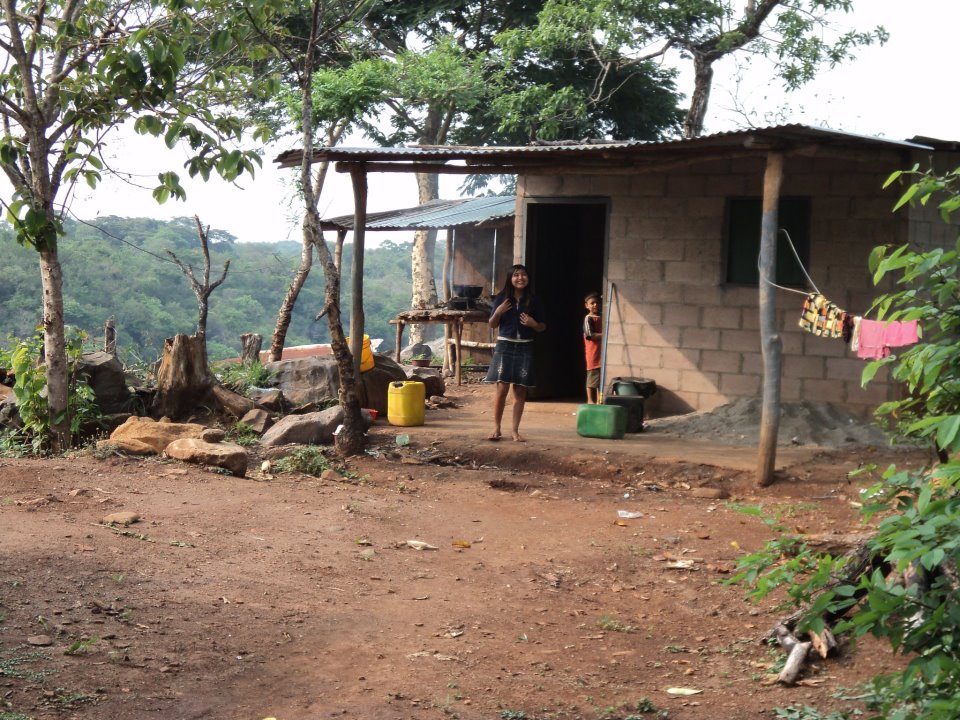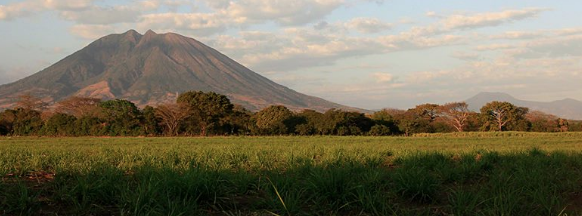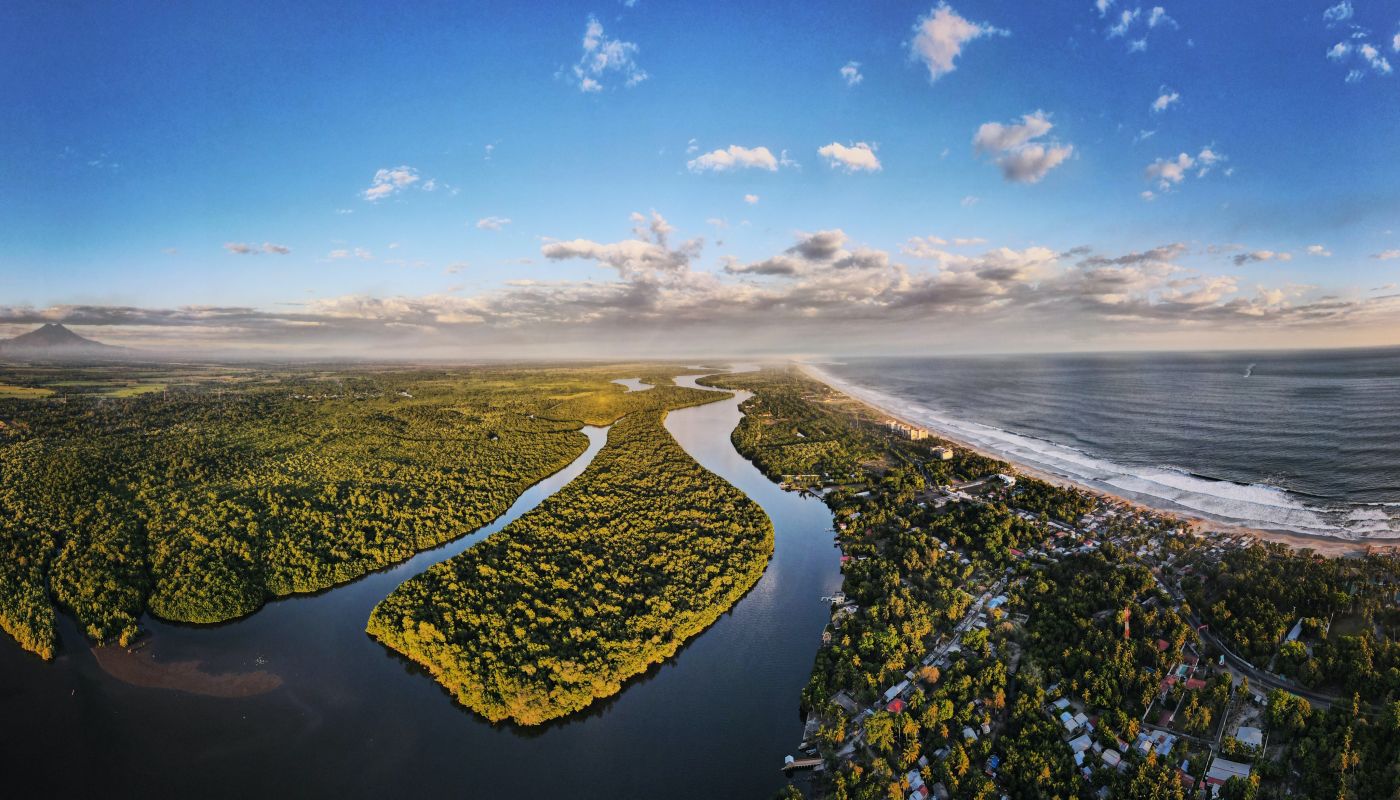
Landscape of El Salvador
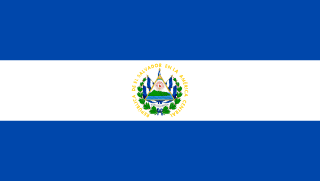
Flag of El Salvador

El Salvador

North America

El Salvador has a population of approximately 6.4 million people, it is the smallest and most densely populated country in South America. El Salvador has made great strides in improving the quality of life for its citizens. The country has seen a significant reduction in poverty and a growing middle class, thanks in part to strong economic growth and government investment in social programs. El Salvador is also home to a rich and fascinating history, with ancient Mayan ruins and colonial architecture scattered throughout the country. El Salvador has also made headlines for its progressive policies, including a groundbreaking law that makes it the first country in the world to recognize Bitcoin as a legal tender. The move has sparked international interest and could help position El Salvador as a leader in the growing cryptocurrency industry. El Salvador is distinctly leading in different ways from other countries, making it a strong innovator.

What would you like to learn about in El Salvador?

Select a section to explore the country where nonprofits are creating positive change.

About El Salvador

El Salvador achieved independence from Spain in 1821 and from the Central American Federation in 1839. A 12-year civil war, which cost about 75,000 lives, was brought to a close in 1992 when the government and leftist rebels signed a treaty that provided for military and political reforms.

Quick Facts

Population
6,108,590 (July 2013 est.)
Area
21,041 sq km
ISO Code
SV
Continent
North America
Government
republic
Active Causes
12
View all countries in North America

Geography & Environment

Climate

tropical; rainy season (May to October); dry season (November to April); tropical on coast; temperate in uplands

Terrain

mostly mountains with narrow coastal belt and central plateau

Natural Resources

hydropower, geothermal power, petroleum, arable land

Environmental Issues

deforestation; soil erosion; water pollution; contamination of soils from disposal of toxic wastes

People & Society

73.93 years
Avg. Life Expectancy
84.5%
Literacy Rate
64% of total population (2010)
Total Urban Population

Languages

Spanish (official), Nahua (among some Amerindians)

Religions

Roman Catholic 57.1%, Protestant 21.2%, Jehovah's Witnesses 1.9%, Mormon 0.7%, other religions 2.3%, none 16.8% (2003 est.)

Health Expenditure

6.9% of GDP (2010) of GDP

Education Expenditure

3.4% of GDP (2011) of GDP

Economy

$7,600
GDP per Capita (PPP)
6.9%
Unemployment Rate
36.5% (2010 est.)
Below Poverty Line

Economic Overview

The smallest country in Central America geographically, El Salvador has the third largest economy in the region. With the global recession in 2009, real GDP contracted by 3.1%. The economy slowed even further during 2010-12. Remittances accounted for 17% of GDP in 2011 and were received by about a third of all households. In 2006, El Salvador was the first country to ratify the Dominican Republic-Central American Free Trade Agreement (CAFTA-DR), which has bolstered the export of processed foods, sugar, and ethanol, and supported investment in the apparel sector amid increased Asian competition...

Causes in El Salvador

Environment

El Salvador, a small Central American country, faces significant environmental challenges that have profound impacts on its population. The country is highly vulnerable to natural disasters such as hurricanes, earthquakes, and volcanic eruptions due to its location along the Pacific Ring of Fire. Deforestation, soil erosion, and water pollution further exacerbate these risks, leading to food insecurity, displacement, and health problems for many Salvadorans. Additionally, climate change has intensified these issues, resulting in more frequent and severe weather events. Efforts to address these environmental concerns include reforestation programs, water conservation initiatives, and disaster preparedness strategies. However, continued support and action are needed to protect both the environment and the well-being of El Salvador's people.

Family

In El Salvador, family plays a central role in shaping the social fabric of the country. The concept of family extends beyond immediate relatives to include extended family members who form a tight-knit support network. Families in El Salvador typically consist of multiple generations living together under one roof, with strong bonds of loyalty and mutual dependence. The family unit is not only a source of emotional support but also serves as a crucial economic safety net, especially in a country where poverty and inequality are prevalent. However, the impact of family extends beyond the personal realm, influencing societal norms, values, and traditions. Understanding the significance of family dynamics in El Salvador is essential for comprehending the cultural nuances and social structures that define this Central American nation.

Human Rights

El Salvador, a Central American country with a tumultuous history of civil war and political unrest, continues to grapple with significant human rights challenges. Issues such as violence against women, high levels of crime and gang-related activity, and limited access to justice contribute to a complex landscape where human rights violations are prevalent. The lack of effective law enforcement and judicial protection exacerbates these problems, leaving many Salvadorans vulnerable to abuse and discrimination. Additionally, poverty and social inequality further impede the realization of basic human rights for a significant portion of the population. Despite efforts by the government and civil society organizations to address these issues, much work remains to be done in ensuring the protection and promotion of human rights in El Salvador.

Education

In El Salvador, a country marked by a history of civil unrest, poverty, and gang violence, education plays a vital role in shaping the future of its citizens. Despite efforts to improve access to education, significant challenges such as high dropout rates, limited resources, and unequal opportunities persist. Education is crucial for breaking the cycle of poverty and violence that plagues many communities in El Salvador. By providing quality education and skills training, individuals are empowered to seek better economic opportunities, reduce crime rates, and contribute positively to society. However, systemic issues such as inadequate infrastructure and teacher training hinder the progress of the education system. To address these challenges effectively, sustained investment in education is essential to ensure a brighter future for the people of El Salvador.

Poverty

El Salvador, a Central American country with a population of over 6.4 million, grapples with pervasive poverty that significantly impacts its citizens and economy. Approximately 30% of the population lives below the poverty line, facing challenges such as lack of access to basic services, limited educational opportunities, and insufficient healthcare facilities. The high levels of poverty have resulted in social inequalities, crime rates, and political instability in the region. Factors contributing to these conditions include economic disparities, historical conflicts, natural disasters, and inadequate government policies. Addressing poverty in El Salvador requires comprehensive efforts aimed at improving education, healthcare, employment opportunities, and social welfare programs for vulnerable populations.

Religion

Religion holds significant influence in the cultural and social fabric of El Salvador. The majority of Salvadorans identify as Roman Catholic, with the religion playing a crucial role in shaping societal norms and values. Religious practices and beliefs are deeply embedded in everyday life, influencing family structures, moral codes, and community cohesion. The Catholic Church has historically been a prominent institution in providing social services and advocating for social justice issues in the country. Additionally, Protestant denominations have gained traction in recent years, offering alternative spiritual paths for Salvadorans. However, despite the strong religious presence, El Salvador faces challenges such as poverty, violence, and political instability that test the faith and resilience of its people.

Clean Water

El Salvador, a small Central American country, faces significant challenges in accessing clean water. With a population of over 6 million people, many Salvadorans lack access to clean and safe water sources, leading to various health issues. In rural areas, water sources are often contaminated with pollutants and bacteria, contributing to diseases such as diarrhea and cholera. This lack of access to clean water not only impacts public health but also hinders agricultural productivity and economic development in the country. Addressing this issue is crucial for improving the well-being of the Salvadoran population and promoting sustainable development in the region.

Economy

El Salvador, a small Central American country, faces significant challenges due to its economic situation. The country has long grappled with high levels of poverty, inequality, and unemployment, all of which are deeply intertwined with its economic struggles. The economy of El Salvador heavily relies on remittances from Salvadorans living abroad, accounting for a substantial portion of the country's GDP. However, this dependence leaves the economy vulnerable to external shocks and fluctuations in global markets. Additionally, issues such as corruption, crime, and a lack of investment in education and infrastructure continue to hinder economic growth and development in El Salvador. Addressing these economic challenges is crucial for the well-being and prosperity of the Salvadoran people.

Government

El Salvador, a small Central American country, faces numerous challenges that are deeply intertwined with its government. The impact of the government on El Salvador is significant, as political instability, corruption, and lack of economic reforms have contributed to high levels of poverty and violence in the nation. For decades, political power struggles and weak institutions have hindered the country's ability to address social issues effectively. The government's failure to provide basic services, ensure public safety, and combat poverty has left many Salvadorans vulnerable and marginalized. Furthermore, El Salvador has been plagued by gang violence, drug trafficking, and a high murder rate, further exacerbating the country's social and economic problems. It is crucial for the government to prioritize transparency, accountability, and good governance to improve the lives of its citizens and create a more stable and prosperous future.

Health

Health plays a significant role in the development and well-being of the population of El Salvador. The country faces various health challenges, including high rates of chronic diseases such as diabetes and hypertension, inadequate access to healthcare services, and limited resources for healthcare infrastructure. These factors contribute to a lower life expectancy and higher mortality rates compared to other countries in the region. Additionally, issues such as poverty, violence, and environmental factors further exacerbate the health disparities in El Salvador. Addressing these health challenges requires a concerted effort from the government, healthcare providers, and the community to improve access to quality healthcare services, promote healthy lifestyles, and address social determinants of health.

Children

El Salvador, a Central American country known for its rich cultural heritage and stunning landscapes, is grappling with significant challenges that impact its children. One of the primary issues affecting children in El Salvador is the prevalence of gang violence and organized crime. These factors not only endanger the safety and well-being of children but also severely limit their access to education and healthcare services. According to UNICEF, around 22% of Salvadoran children under the age of five suffer from chronic malnutrition, which can have long-lasting effects on their physical and cognitive development. Additionally, child labor remains a prevalent issue in the country, with many children being forced to work in dangerous conditions to help support their families. Addressing these challenges requires a multi-faceted approach that involves improving access to education, healthcare, and social services while also tackling the root causes of violence and poverty in the country.

Animals

In El Salvador, animals play a significant role in the ecosystem and the lives of its people. The country is home to a diverse range of wildlife, including various bird species, mammals, reptiles, and marine animals. Many Salvadorans rely on animals for sustenance, with agriculture and fishing being vital sources of income and food. However, the impact of human activities such as deforestation, pollution, and habitat destruction poses a threat to the delicate balance of the ecosystem and endangers many species. Conservation efforts are crucial to safeguard the rich biodiversity of El Salvador and ensure the well-being of both its people and animals.

Nonprofits Working in El Salvador

Discover organizations making a difference in El Salvador

NPH USA

NPH USA

NPH USA transforms the lives of orphaned, abandoned and disadvantaged children in Latin America and the Caribbean by supporting the homes, healthcare and educational programs of Nuestros Pequeños Hermanos (NPH, Spanish for "Our Little Brothers and Sisters"). Together, we create families for life and teach children the values of unconditional love, shared responsibility and helping others. Our donors help children overcome poverty and become leaders in their own communities. Since its founding in 1954, NPH has assisted more than 20,000 children and is currently raising more than 3,400 boys and girls in Bolivia, the Dominican Republic, El Salvador, Guatemala, Haiti, Honduras, Mexico, Nicaragua and Peru. An additional 1,600 students who live outside the homes receive scholarships, meals and health care. NPH outreach programs provided over 95,000 services in 2014.

Chicago, Illinois

Make Your Impact Today

Discover causes you care about and support the nonprofits making a difference in communities around the world.

Are you a nonprofit? Join Project World Impact for free

Join Us Free