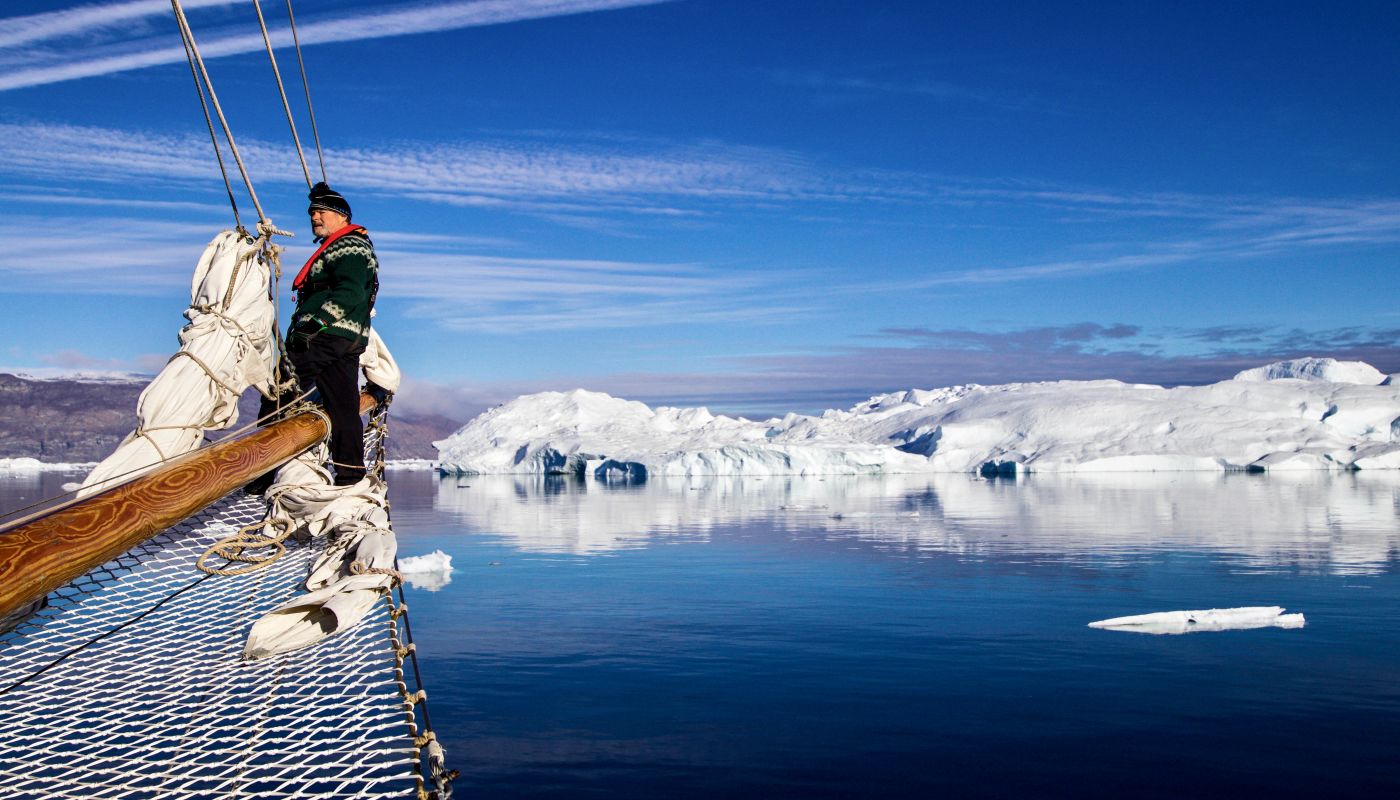
Landscape of Greenland
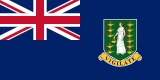
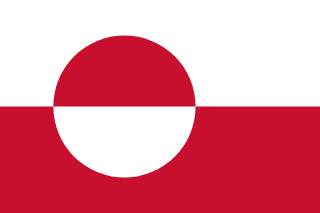
Flag of Greenland

Greenland

North America

Despite its remote location and challenging climate, Greenland is home to a thriving community of people who have adapted to the harsh conditions and made a life for themselves in this beautiful and rugged environment. In recent years, the country has been at the center of several important discussions, including climate change and its impact on the Arctic region, as well as issues related to self-determination and political autonomy. Greenland remains a beacon of hope and resilience, offering a unique glimpse into a world that is at once ancient and modern, wild and welcoming, and above all, endlessly fascinating

What would you like to learn about in Greenland?

Select a section to explore the country where nonprofits are creating positive change.

About Greenland

Despite its remote location and challenging climate, Greenland is home to a thriving community of people who have adapted to the harsh conditions and made a life for themselves in this beautiful and rugged environment. In recent years, the country has been at the center of several important discussions, including climate change and its impact on the Arctic region, as well as issues related to self-determination and political autonomy. Greenland remains a beacon of hope and resilience, offering a unique glimpse into a world that is at once ancient and modern, wild and welcoming, and above all, endlessly fascinating

Causes in Greenland

Environment

Greenland, an autonomous territory within the Kingdom of Denmark, is the world's largest island and is predominantly covered by ice. The environment plays a crucial role in the daily lives of its inhabitants, who primarily rely on fishing and hunting for sustenance and livelihood. As global temperatures rise, Greenland is experiencing significant impacts on its environment, including melting ice sheets, changing weather patterns, and habitat loss for wildlife. These changes not only threaten the local ecosystem but also pose risks to the indigenous communities that have thrived in this harsh environment for centuries. It is imperative to address the environmental challenges facing Greenland to ensure the sustainability and well-being of its population and unique biodiversity.

Family

Family plays a significant role in the social fabric of Greenland, with traditional values deeply rooted in the Inuit culture. In Greenlandic society, families are often large and extended, encompassing not only immediate relatives but also distant kin. The concept of family extends beyond blood relations, with strong bonds formed within communities and tribes. Family serves as a crucial support system, providing emotional, financial, and practical assistance to its members. In a harsh and remote environment like Greenland, where challenges such as harsh weather conditions and limited resources can be formidable, the solidarity and cohesion within families are essential for survival and well-being. Furthermore, family ties are integral to preserving cultural heritage and passing down traditional knowledge from one generation to the next.

Human Rights

Greenland, an autonomous territory within the Kingdom of Denmark, faces unique human rights challenges due to its geographic isolation, harsh climate, and sparse population. The indigenous Inuit population in Greenland has historically struggled with issues such as discrimination, access to healthcare, education, and employment opportunities. Additionally, the impacts of climate change have exacerbated challenges in areas such as housing stability and food security for the people of Greenland. Efforts are being made by both the Greenlandic government and international organizations to address these human rights issues through policy reforms, community engagement, and sustainable development initiatives. By raising awareness about the human rights situation in Greenland, we can contribute to fostering positive change and advocating for the rights and well-being of its inhabitants.

Education

Greenland, an autonomous territory within the Kingdom of Denmark, faces unique challenges in education due to its remote location, harsh climate, and sparse population. With a population of around 57,000 people spread across vast distances, access to quality education is limited in many communities. The impact of these challenges is evident in educational disparities between urban and rural areas, with students in remote regions often having limited resources and opportunities compared to those in larger towns. Furthermore, the preservation of Greenlandic language and culture poses additional complexities in the education system. Efforts are being made to improve educational outcomes through initiatives that focus on language preservation, digital learning tools, and teacher training programs tailored to the needs of remote communities. By addressing these challenges, Greenland can work towards ensuring all its residents have equal access to quality education, empowering individuals and strengthening the overall development of the country.

Poverty

Greenland is the world's largest island, located in the Arctic region and is an autonomous territory within the Kingdom of Denmark. Despite being rich in natural resources such as fish, minerals, and renewable energy sources, poverty remains a significant issue in Greenland. The high cost of living, limited job opportunities, and dependence on government subsidies contribute to persistent poverty levels in the region. Poverty in Greenland is further exacerbated by challenges such as inadequate housing, unemployment, and social issues like substance abuse and mental health concerns. Addressing poverty in Greenland requires comprehensive strategies that focus on creating sustainable economic opportunities, improving social welfare services, and empowering local communities to build a more resilient and prosperous future.

Religion

Religion in Greenland holds significant cultural and historical importance, shaping the beliefs and practices of its people. The predominant religion in Greenland is Christianity, with Lutheran Protestantism being the most widely practiced denomination. The introduction of Christianity to Greenland dates back to the 11th century when Norse settlers brought the faith to the region. Today, Christianity plays a central role in the lives of many Greenlanders, influencing their values, traditions, and societal norms. However, there is also a growing interest in indigenous spiritual practices among some segments of the population, reflecting a desire to preserve and revitalize traditional beliefs. The coexistence of Christianity and indigenous spirituality underscores the rich tapestry of religious diversity in Greenland, highlighting the profound impact that religion continues to have on its society.

Clean Water

Greenland, an autonomous territory within the Kingdom of Denmark, faces significant challenges regarding clean water access and quality. Due to its remote location and harsh climate conditions, obtaining clean water sources is a pressing issue for many communities in Greenland. Melting ice caps and glaciers due to climate change pose a threat to the purity of water sources, with increased levels of pollutants and contaminants seeping into freshwater reservoirs. Inadequate infrastructure and limited resources further exacerbate the problem, leading to issues such as waterborne diseases and poor sanitation practices. As Greenland's population continues to rely heavily on freshwater for drinking, fishing, and agriculture, ensuring access to clean water is crucial for both public health and environmental sustainability in the region.

Economy

Greenland, an autonomous territory within the Kingdom of Denmark, faces unique economic challenges due to its remote location, harsh climate, and limited natural resources. The economy of Greenland is heavily dependent on fishing and hunting, with seafood exports accounting for the majority of its revenue. However, the effects of climate change, such as melting ice caps and declining fish stocks, are threatening these industries. As a result, Greenland is seeking to diversify its economy by developing industries such as tourism, mining, and renewable energy. The economic future of Greenland is closely tied to its ability to adapt to these changing conditions and develop sustainable sources of income.

Government

Greenland, the world's largest island, is an autonomous territory within the Kingdom of Denmark. The government of Greenland plays a crucial role in shaping the lives of its inhabitants, who primarily rely on fishing, hunting, and tourism for their livelihoods. The government has a significant impact on various aspects of life in Greenland, including environmental policies, economic development, social welfare programs, and cultural preservation efforts. With a population of around 56,000 people, the government faces unique challenges in balancing traditional ways of life with modernization and sustainable development. Through its policies and initiatives, the government of Greenland aims to address issues such as climate change, resource management, healthcare access, education, and infrastructure development to ensure the well-being and prosperity of its people.

Health

Greenland, an autonomous territory within the Kingdom of Denmark, faces unique health challenges due to its remote location and harsh Arctic climate. The indigenous Inuit population in Greenland experiences disproportionately high rates of obesity, diabetes, and cardiovascular diseases, which can be attributed to a combination of genetic predispositions and lifestyle factors. Limited access to healthcare services in remote settlements further exacerbates these health issues, leading to challenges in disease prevention and management. Additionally, climate change poses a significant threat to the health of Greenlanders, with rising temperatures contributing to the spread of infectious diseases and impacting traditional hunting and fishing practices, which are vital for sustenance. Efforts to improve healthcare infrastructure, promote healthy lifestyles, and address the impacts of climate change are crucial to safeguarding the health and well-being of the population in Greenland.

Children

Greenland, the world's largest island, faces unique challenges that impact its children. The indigenous population, primarily Inuit, comprises the majority of Greenland's inhabitants. Children in Greenland are particularly affected by issues related to climate change, including melting ice caps and rising sea levels, which threaten their communities and traditional way of life. Additionally, high rates of poverty and unemployment in some regions of Greenland contribute to social and economic challenges for families and children. Access to healthcare and education can be limited in remote areas, affecting the well-being and opportunities for children in these communities. Efforts to address these issues require a multi-faceted approach that includes sustainable development, community empowerment, and support for cultural preservation. By raising awareness about these challenges, we can work towards creating a brighter future for the children of Greenland.

Animals

Greenland, the world's largest island, is home to a rich diversity of wildlife that plays a crucial role in the ecosystem of this Arctic region. Animals in Greenland, such as polar bears, Arctic foxes, seals, walruses, and various bird species, are intricately connected to the delicate balance of this environment. Climate change poses a significant threat to these animals, as melting ice caps and changing weather patterns impact their habitats and food sources. For example, polar bears rely on sea ice for hunting seals, and the reduction in ice cover has forced them to travel longer distances in search of food, leading to increased stress and declining populations. Conservation efforts are essential to protect these vulnerable species and preserve the unique biodiversity of Greenland's natural environment.

Nonprofits Working in Greenland

Discover organizations making a difference in Greenland

Make Your Impact Today

Discover causes you care about and support the nonprofits making a difference in communities around the world.

Are you a nonprofit? Join Project World Impact for free

Join Us Free