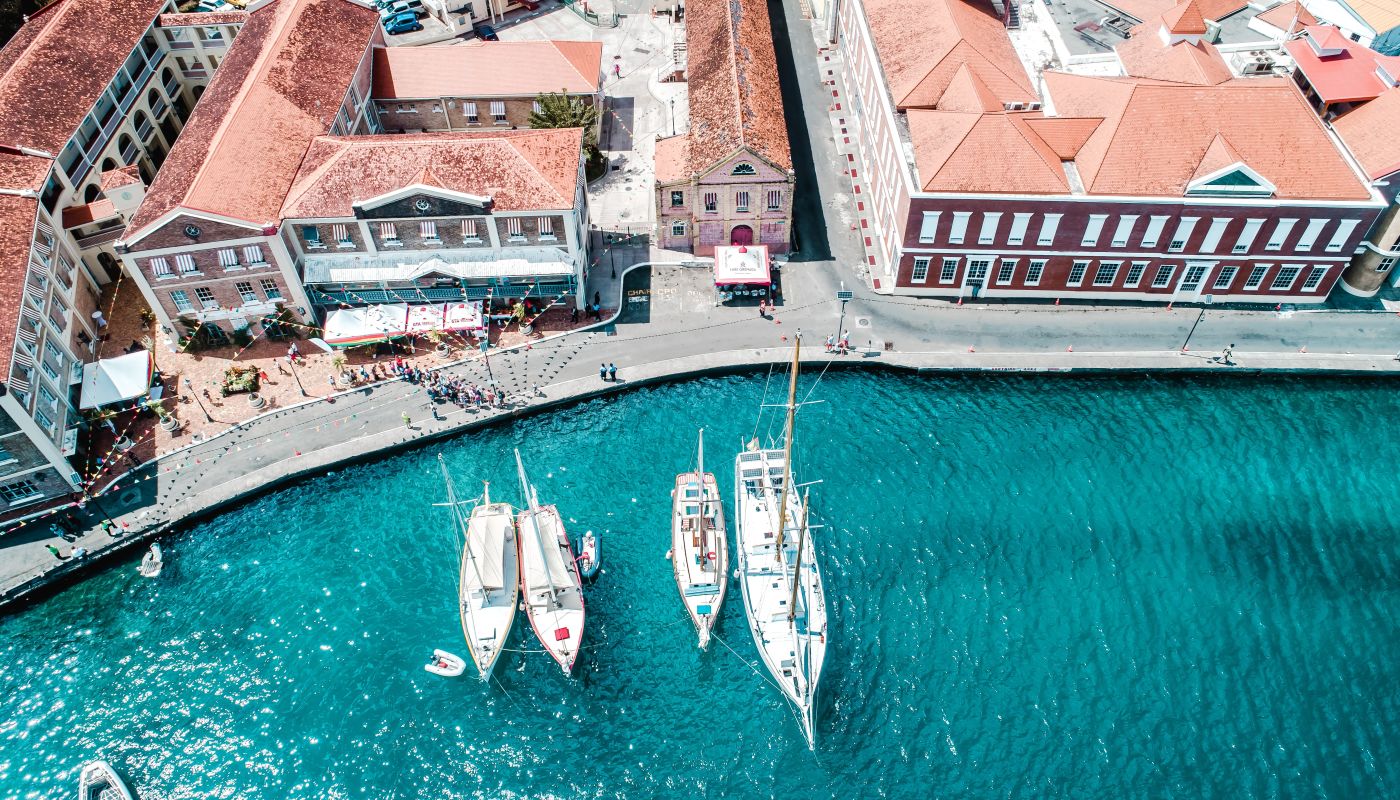
Landscape of Grenada
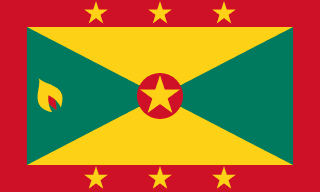
Flag of Grenada

Grenada

North America

The country of Grenada can be found in the eastern Caribbean Sea.Grenada has been making headlines for its impressive economic growth and development with a population of around 112.000 people. Grenada also has a strong political presence on the international stage. The country has been a vocal advocate for global climate action, and has played an active role in various international organizations such as the United Nations and the Commonwealth of Nations. Additionally, Grenada is becoming an increasingly popular destination for medical tourism, with world-class facilities and highly trained medical professionals offering a range of treatments and procedures.

What would you like to learn about in Grenada?

Select a section to explore the country where nonprofits are creating positive change.

About Grenada

Carib Indians inhabited Grenada when Christopher COLUMBUS discovered the island in 1498, but it remained uncolonized for more than a century. The French settled Grenada in the 17th century, established sugar estates, and imported large numbers of African slaves. Britain took the island in 1762 and vigorously expanded sugar production. In the 19th century, cacao eventually surpassed sugar as the main export crop; in the 20th century, nutmeg became the leading export. In 1967, Britain gave Grenada autonomy over its internal affairs. Full independence was attained in 1974 making Grenada one of the smallest independent countries in the Western Hemisphere. Grenada was seized by a Marxist military council on 19 October 1983. Six days later the island was invaded by US forces and those of six other Caribbean nations, which quickly captured the ringleaders and their hundreds of Cuban advisers. Free elections were reinstituted the following year and have continued since that time. Hurricane Ivan struck Grenada in September of 2004 causing severe damage.

Quick Facts

Population
109,590 (July 2013 est.)
Area
344 sq km
ISO Code
GD
Continent
North America
Government
parliamentary democracy and a Commonwealth realm
Active Causes
12
View all countries in North America

Geography & Environment

Climate

tropical; tempered by northeast trade winds

Terrain

volcanic in origin with central mountains

Natural Resources

timber, tropical fruit, deepwater harbors

Environmental Issues

NA

People & Society

73.55 years
Avg. Life Expectancy
96%
Literacy Rate
39% of total population (2010)
Total Urban Population

Languages

English (official), French patois

Religions

Roman Catholic 53%, Anglican 13.8%, other Protestant 33.2%

Health Expenditure

5.9% of GDP (2010) of GDP

Education Expenditure

3.9% of GDP (2003) of GDP

Economy

$13,900
GDP per Capita (PPP)
25%
Unemployment Rate
38% (2008)
Below Poverty Line

Economic Overview

Grenada relies on tourism as its main source of foreign exchange especially since the construction of an international airport in 1985. Hurricanes Ivan (2004) and Emily (2005) severely damaged the agricultural sector - particularly nutmeg and cocoa cultivation - which had been a key driver of economic growth. Grenada has rebounded from the devastating effects of the hurricanes but is now saddled with the debt burden from the rebuilding process. Public debt-to-GDP is nearly 110%, leaving the THOMAS administration limited room to engage in public investments and social spending. Strong performan...

Causes in Grenada

Environment

Grenada, located in the Caribbean, is a nation significantly affected by environmental factors. The country faces challenges such as coastal erosion, deforestation, and the impact of climate change, including more frequent and intense hurricanes. These environmental issues not only threaten the natural beauty of Grenada's landscapes but also endanger the livelihoods of its people, particularly those in the agriculture and tourism sectors. Efforts to mitigate these impacts through sustainable practices and environmental conservation initiatives are crucial to safeguarding Grenada's environment for future generations.

Human Rights

Located in the Caribbean, Grenada is a small island nation with a population of around 112,000 people. Despite its picturesque landscapes and rich cultural heritage, Grenada faces significant challenges in upholding human rights. Human rights issues in Grenada include concerns around discrimination, violence against women, and limited access to healthcare and education. The government has taken steps to address these issues; however, more efforts are needed to ensure that all individuals in Grenada can enjoy their fundamental rights and freedoms. By raising awareness about human rights issues in Grenada, we can contribute to fostering a more just and equitable society for all its inhabitants.

Economy

Grenada, a small island nation located in the Caribbean, faces significant challenges in its economy due to various factors. The economy of Grenada heavily relies on tourism, agriculture, and remittances. However, the country's vulnerability to natural disasters, such as hurricanes and tropical storms, poses a constant threat to these key sectors. Additionally, Grenada's high debt levels and limited access to financing further constrain economic growth and development. The impact of these economic challenges is felt by the population through limited job opportunities, low wages, and inadequate social services. It is crucial for stakeholders to address these issues effectively to promote sustainable economic growth and improve the well-being of the people of Grenada.

Government

Grenada, a small island nation in the Caribbean, relies heavily on its government to steer the country towards economic stability and social development. The government of Grenada plays a crucial role in managing the nation's finances, implementing policies to support sustainable growth, and providing essential services to its citizens. As a result of effective governance, Grenada has seen improvements in areas such as education, healthcare, and infrastructure. However, challenges such as high unemployment rates and vulnerability to natural disasters persist, highlighting the ongoing need for government intervention and support. By understanding the impact of government actions on Grenada's progress, it becomes clear that policies and decisions made at the governmental level have significant implications for the well-being of the country and its people.

Health

In Grenada, a small island nation in the Caribbean, health plays a crucial role in shaping the well-being and development of its population. With a high prevalence of non-communicable diseases such as diabetes, hypertension, and obesity, the health of Grenadians is a significant concern. The country faces challenges in terms of healthcare access, infrastructure, and resources, which impact the overall health outcomes of its citizens. Additionally, environmental factors such as hurricanes and climate change further exacerbate health risks in the region. Addressing these health issues requires a comprehensive and multi-sectoral approach involving government interventions, community engagement, and public health initiatives to improve the overall health and well-being of the population.

Children

Grenada, a small island nation in the Caribbean, faces various challenges that impact its children. High poverty rates, limited access to quality education, and vulnerability to natural disasters are among the factors that affect the well-being of children in Grenada. According to UNICEF, around 30% of children in Grenada live below the poverty line, which significantly hampers their access to basic necessities such as food, healthcare, and education. Additionally, the country's susceptibility to hurricanes and other natural disasters further exacerbates the vulnerabilities faced by children, disrupting their lives and causing long-term consequences. Addressing these issues requires a concerted effort from the government, organizations, and individuals to ensure that every child in Grenada has the opportunity to thrive and reach their full potential.

Family

In Grenada, family plays a significant role in shaping the social fabric and cultural dynamics of the nation. The concept of family extends beyond immediate relatives to include extended family members, forming a tight-knit network of support and solidarity. Families in Grenada typically uphold strong values of respect, loyalty, and unity, which are deeply rooted in their history and traditions. The influence of family can be seen in various aspects of Grenadian society, including education, employment opportunities, and decision-making processes within communities. Moreover, familial ties often serve as a crucial source of emotional and financial support for individuals, particularly during challenging times or celebrations. By recognizing the vital role that family plays in Grenada, we can better understand the importance of nurturing and preserving these bonds to foster a cohesive and resilient society.

Education

Education plays a crucial role in the development of Grenada, a small island nation in the Caribbean. With a literacy rate of over 98%, education is highly valued in Grenadian society. The government has made significant investments in the education sector, providing free primary and secondary education to all citizens. However, challenges such as limited resources and infrastructure hinder educational progress. High dropout rates and inadequate access to quality education remain pressing issues. Education in Grenada not only impacts individual opportunities but also influences the country's overall economic growth and social development. Improving education in Grenada is vital for building a skilled workforce, reducing poverty, and fostering sustainable development.

Poverty

Grenada, a small island nation in the Caribbean, grapples with the pervasive issue of poverty that significantly impacts its population. Poverty in Grenada is predominantly attributed to factors such as limited economic diversification, high unemployment rates, and vulnerability to natural disasters. The lack of employment opportunities, particularly in rural areas, contributes to income disparities and hindered access to basic necessities for many Grenadians. Furthermore, the country's susceptibility to hurricanes and other climate-related disasters exacerbates existing poverty levels by disrupting livelihoods and essential infrastructure. Addressing poverty in Grenada requires a comprehensive approach that focuses on sustainable economic development, job creation, and resilience-building strategies to ensure the well-being of its citizens.

Religion

Religion plays a significant role in the cultural landscape of Grenada, a small island nation located in the Caribbean. The religious composition of Grenada is diverse, with Christianity being the dominant faith, followed by smaller communities of Hindus and Muslims. Christianity in Grenada is predominantly represented by Protestant denominations, with Roman Catholicism also holding a significant presence. Religion in Grenada influences various aspects of daily life, including social norms, cultural practices, and community cohesion. Churches serve as important gathering places for spiritual reflection, community events, and social support networks. Furthermore, religious festivals and observances are integral to the national identity and calendar of events in Grenada. While religion plays a unifying role in many aspects of Grenadian society, it is important to recognize and respect the diversity of beliefs present on the island.

Clean Water

Grenada, a small island nation in the Caribbean, faces challenges related to access to clean water. The country's limited freshwater resources are susceptible to pollution from agricultural runoff, sewage discharge, and industrial activities. This contamination not only jeopardizes the health of Grenada's population but also threatens its ecosystems and agricultural productivity. With a reliance on rainwater collection and groundwater sources, the availability of safe drinking water is a critical issue for many communities in Grenada. Addressing water quality concerns through improved infrastructure, sustainable land management practices, and public awareness campaigns is essential to safeguarding the well-being of the nation and its environment.

Animals

Grenada, an island nation in the Caribbean, boasts a rich biodiversity that plays a crucial role in its ecosystem and economy. Animals in Grenada contribute to the nation's tourism industry, as the diverse wildlife, including the Grenada dove and various marine species, attract nature enthusiasts from around the world. Additionally, animals such as livestock and fisheries are essential for food security and livelihoods of many Grenadians. However, habitat loss, climate change, and illegal poaching threaten the survival of several animal species in Grenada. Conservation efforts, including protected areas and sustainable resource management, are crucial to safeguarding the country's unique fauna and flora for future generations.

Nonprofits Working in Grenada

Discover organizations making a difference in Grenada

KENDALL OPTOMETRY MINISTRY INC

ORGANIZATIONAL MISSION STATEMENT With primary emphasis in underdeveloped countries, Kendall Optometry Ministry, Inc. was established in 2003 to spread the Word of our Lord and Savior Jesus Christ. This is accomplished by providing glasses to improve the vision of people living in many underdeveloped countries. These impoverished people can now see to read their Bible, and also improve their standard of living. Kendall Optometry Ministry, Inc (KOM) is a 501-3c non-profit organization formed to provide optical equipment and training to Christian optical mission teams traveling all over the world. The equipment and training is provided at no cost and supplies are provided at a break even price. Teams are responsible for building their own eyeglasses inventory but much assistance (in the form of training and software) is provided by KOM to assist in the building of this inventory. KOM also has a limited supply of barcoded glasses (prescription in barcode) which can be used to quickly build an inventory. A testimonial by the President. (Revised: 9/8/2018) I grew up in a Christian family. My father, M. H. Kendall , was a college professor and head of the religion department at Mars Hill College, Mars Hill, N.C. for nearly 40 years. I worked for 29 years for General Electric Appliances in Louisville, Ky. During the last 4 years I averaged several hundred thousand miles each year on international travel installing computer systems. All of this travel went flawlessly. God blessed me in everything that I did. It was something that I found to be obvious that God had a hand in my work. In July, 1999 I decided I would take one mission trip to Honduras working through an organization called "Baptist Medical Dental Mission International" (BMDMI.ORG). My intent was to "pay back the Lord" with this one mission trip. When I arrived in the village, I asked the team leader what he wanted me to do. He said he had several boxes of used prescription glasses to hand out. These glasses were dirty, broken, and not measured. As you can see in Figure 1 to the left (scroll down a bit), we just set them out on a table and people came by and tried them on until something helped them. I immediately knew this was wrong but it was the best we could do then. I came back from that trip with a God Given passion to do it better. Since 1999 I have gone to Honduras 27 times and Nicaragua 3 times. Each time something would be improved. The use of the autorefractor was introduced into Honduras in 2003 (to see Figure 2 scroll down a bit) and another one into Nicaragua in 2004. A special series of computer programs were developed to manage and build the inventory. You can review these programs at http://eyeglasses-Inventory.com/. Since 2003 of the 51 BMDMI mission teams more than 95% of these teams use the equipment and software developed by Kendall Optometry Ministry, Inc. In 2003 Kendall Optometry Ministry was incorporated as a 501-3c non-profit company. Using donations provided by several churches and individuals this company purchased a set of equipment which could be loaned out to Christian mission teams going all over the world. Later in 2005 a 2nd kit was purchased and in 2006 a 3rd and a 4th kit was purchased. In the beginning of 2007 a 5th kit was purchased. At the end of 2007 a 6th and 7th kit including a Retinomax 3 was purchased. By the end of 2009 the company owned 10 kits. In 2010 the company purchased two more kits. In 2011 the company purchased 1 more kit bringing the total to 13. By 2017 the company had purchased 18 kits. In 2018 KOM purchased kit number 19. See the growth of the company at this link. 2018 is only part of the year on this graph. Other teams will participate. The teams use this equipment to not only allow people to read their Bible but to also to help them improve their standard of living. You can read about some of these teams in the Teams Supported area of this web site. Tell us about your Christian mission team. Let us help you be more effective in your work for the Lord. If you would like our help send an E-Mail to: HollandKendall@kendalloptoministry.org Holland Kendall, President Kendall Optometry Ministry, Inc.

LOUISVILLE, Kentucky

Make Your Impact Today

Discover causes you care about and support the nonprofits making a difference in communities around the world.

Are you a nonprofit? Join Project World Impact for free

Join Us Free