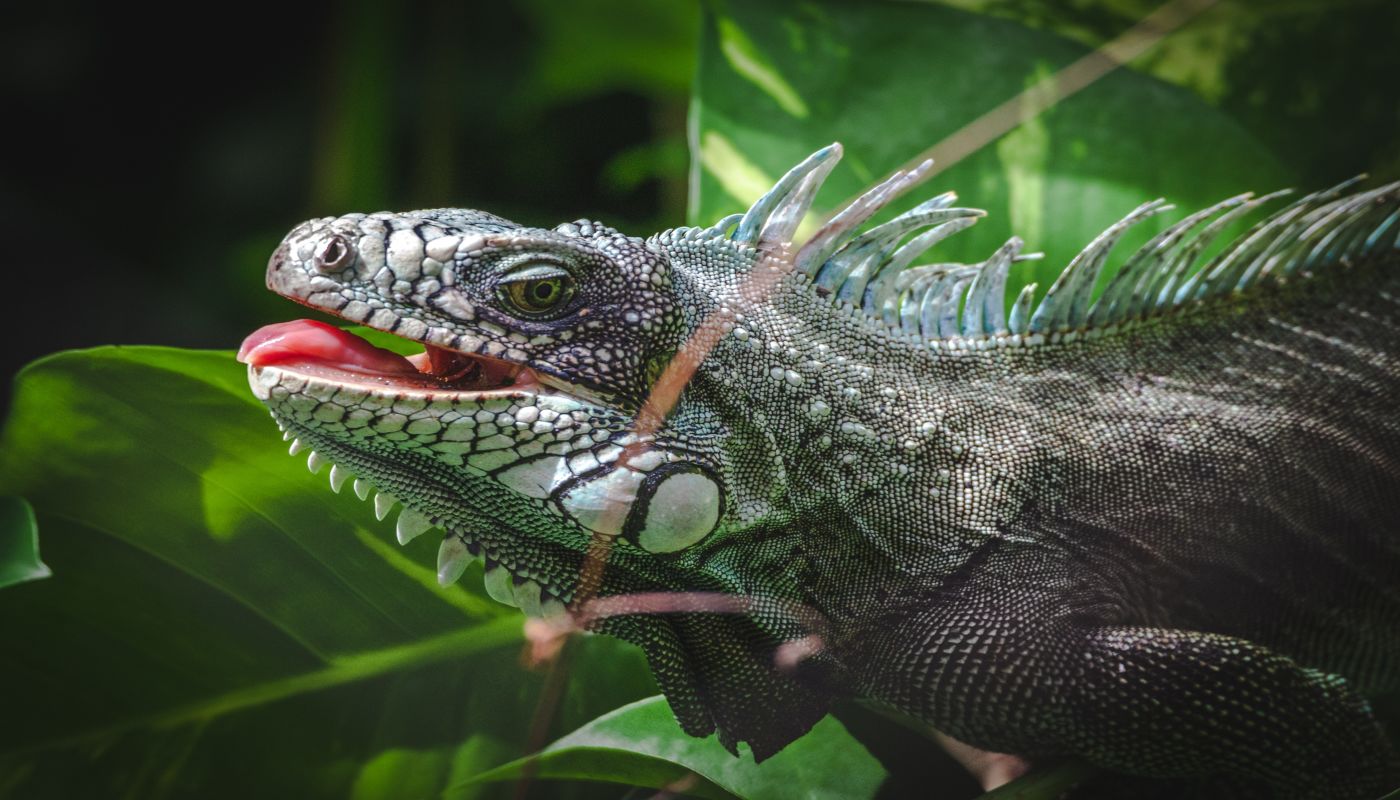
Landscape of Guadeloupe
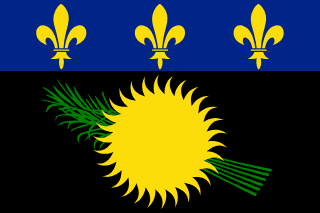
Flag of Guadeloupe

Guadeloupe

North America

Guadeloupe is a stunning archipelago located in the eastern Caribbean Sea. Comprised of two main islands, Basse-Terre and Grande-Terre, and several smaller ones, the population of Guadeloupe is estimated to be around 395,700 people. Guadeloupe is developing its renewable energy sources, such as wind and solar power, to reduce dependence on imported fossil fuels. Guadeloupe has also made efforts to promote local agriculture and reduce plastic waste, as well as ongoing discussions around political autonomy and cultural identity within the larger French republic.

What would you like to learn about in Guadeloupe?

Select a section to explore the country where nonprofits are creating positive change.

About Guadeloupe

Guadeloupe is a stunning archipelago located in the eastern Caribbean Sea. Comprised of two main islands, Basse-Terre and Grande-Terre, and several smaller ones, the population of Guadeloupe is estimated to be around 395,700 people. Guadeloupe is developing its renewable energy sources, such as wind and solar power, to reduce dependence on imported fossil fuels. Guadeloupe has also made efforts to promote local agriculture and reduce plastic waste, as well as ongoing discussions around political autonomy and cultural identity within the larger French republic.

Causes in Guadeloupe

Environment

Guadeloupe, an overseas region of France located in the Caribbean, faces significant environmental challenges that impact its population and ecosystem. The island is susceptible to natural disasters such as hurricanes, leading to widespread destruction and loss of life. Additionally, deforestation, pollution from agricultural runoff, and inadequate waste management practices threaten the island's biodiversity and marine life. Guadeloupe's reliance on tourism exacerbates these issues, as increased development puts pressure on fragile ecosystems and water resources. It is crucial for the government and local communities to prioritize sustainable practices and conservation efforts to protect Guadeloupe's unique environment for future generations.

Family

In Guadeloupe, a French overseas territory located in the Caribbean, family plays a significant role in the lives of its inhabitants. The concept of family in Guadeloupe extends beyond just nuclear family units to include extended family members, creating a strong network of support and interconnectedness. Families in Guadeloupe often prioritize spending quality time together, participating in communal activities and celebrations, and providing emotional and financial assistance to one another. This emphasis on family helps foster a sense of belonging, identity, and community among Guadeloupeans, contributing to their overall well-being and social cohesion. By recognizing the importance of family in Guadeloupean society, we can better understand and appreciate the cultural values that shape the lives of its people.

Human Rights

Guadeloupe, an overseas region of France located in the Caribbean, has a complex history intertwined with issues related to human rights. The legacy of colonialism has left a lasting impact on the socio-economic conditions of the island, leading to disparities in access to education, healthcare, and employment opportunities among its population. Human rights violations in Guadeloupe have been reported, including instances of police brutality, discrimination against marginalized communities, and restrictions on freedom of expression. These violations underscore the importance of upholding human rights principles and ensuring equal treatment and opportunities for all individuals in Guadeloupe. By promoting awareness and advocating for the protection of human rights in the region, we can work towards fostering a more just and inclusive society for all its inhabitants.

Education

Education plays a crucial role in the social and economic development of Guadeloupe, a French overseas territory located in the Caribbean. The education system in Guadeloupe faces challenges such as high dropout rates, lack of resources, and disparities in access to quality education. These issues have a significant impact on the region's workforce and overall prosperity. Improving education in Guadeloupe is essential for empowering its citizens, reducing poverty levels, and fostering sustainable development. By investing in education, Guadeloupe can create a skilled workforce that is capable of driving innovation and economic growth, ultimately leading to a more prosperous and equitable society.

Poverty

Guadeloupe, an overseas region of France located in the Caribbean, faces significant challenges related to poverty. Despite being classified as an affluent country by global standards, Guadeloupe experiences high levels of poverty and inequality. The cost of living is considerably high, which contributes to economic hardships for many residents. Unemployment rates are also a pressing issue, particularly affecting young people and women. Limited access to quality education and healthcare further exacerbates the cycle of poverty in Guadeloupe. These factors not only affect individuals and families but also hinder the overall socio-economic development of the region. Addressing poverty in Guadeloupe requires a comprehensive approach that encompasses social, economic, and political interventions to create sustainable change.

Religion

Religion plays a significant role in the cultural fabric of Guadeloupe, a French overseas territory located in the Caribbean. With a diverse population comprising mainly Christians, including Catholics and Protestants, as well as followers of Hinduism and Islam, religion serves as a unifying force among the people of Guadeloupe. The Catholic Church, historically dominant in the region, has influenced various aspects of society, from education to social services. Additionally, the practice of Voodoo, rooted in African spiritual traditions, remains prevalent among some communities, showcasing the syncretic nature of religious beliefs in Guadeloupe. Overall, religion in Guadeloupe serves as a source of strength and identity for its inhabitants, shaping their values and traditions.

Clean Water

Located in the Caribbean, Guadeloupe faces challenges related to clean water access, which significantly impacts its population and environment. With a high population density and limited freshwater resources, the island often struggles to provide safe and clean water to all its residents. Contaminated water sources due to agricultural runoff, industrial pollution, and inadequate sanitation infrastructure pose serious health risks to the people of Guadeloupe, leading to waterborne diseases and other health issues. Furthermore, the lack of clean water affects agriculture, fisheries, and tourism industries, which are vital to the country's economy. Efforts to improve water quality and ensure access to clean water for all inhabitants are crucial to safeguarding public health and preserving the natural beauty of Guadeloupe.

Economy

Guadeloupe, an overseas region of France located in the Caribbean, is a territory deeply intertwined with its economy. The island's economy heavily relies on tourism, agriculture (especially bananas and sugarcane), and public administration. However, despite these economic activities, Guadeloupe faces challenges such as high unemployment rates, social inequality, and a high cost of living. The economy of Guadeloupe is also impacted by external factors such as natural disasters and global economic fluctuations. These challenges can lead to social unrest and protests in the region as the population seeks better economic opportunities and living conditions. It is essential for stakeholders to address these issues to ensure sustainable economic growth and prosperity for the people of Guadeloupe.

Government

Guadeloupe, an overseas region of France located in the Caribbean, faces various challenges influenced by its unique political structure. The government plays a crucial role in shaping the socio-economic landscape of Guadeloupe through policies that affect areas such as education, healthcare, infrastructure, and economic development. Issues such as high unemployment rates, social inequalities, and environmental concerns are prevalent in Guadeloupe and are closely tied to governmental decisions and actions. The relationship between the local government and the French central government also impacts the region's autonomy and ability to address its specific needs effectively. By understanding how government policies and decisions impact Guadeloupe, we can work towards raising awareness and promoting positive change in this vibrant island nation.

Health

Located in the Caribbean, Guadeloupe is a French overseas region known for its stunning beaches and rich biodiversity. However, like many other regions around the world, public health remains a significant concern in Guadeloupe. The impact of health issues on the population is evident in the high rates of chronic diseases such as diabetes, hypertension, and obesity. These health conditions are often exacerbated by factors such as limited access to healthcare services, unhealthy lifestyle choices, and socioeconomic disparities. Furthermore, the prevalence of mosquito-borne diseases like dengue fever poses additional challenges to public health in Guadeloupe. Addressing these health challenges requires a multi-faceted approach that involves improving healthcare infrastructure, promoting healthier lifestyles, and implementing effective disease prevention strategies.

Children

In Guadeloupe, a French overseas territory in the Caribbean, children face various challenges that impact their well-being and development. The socio-economic disparities within the population often lead to inadequate access to education, healthcare, and other essential services for many children. Poverty and unemployment rates are significant factors affecting children's lives, leading to malnutrition, limited educational opportunities, and increased vulnerability to exploitation and abuse. Additionally, natural disasters such as hurricanes pose a constant threat to the safety and security of children in Guadeloupe. Addressing these issues requires a multi-faceted approach involving government intervention, community support, and international cooperation to ensure the protection and well-being of all children in the region.

Animals

Guadeloupe, an overseas region of France located in the Caribbean, is home to a diverse array of animal species that play a crucial role in its ecosystem. The impact of animals in Guadeloupe extends beyond providing aesthetic beauty and biodiversity; they also contribute significantly to the local economy through ecotourism. The island's rich marine life, including sea turtles, dolphins, and colorful fish species, attract tourists from around the world, supporting local businesses and livelihoods. However, these animals face numerous threats such as habitat loss, pollution, and climate change, which endanger their survival and the delicate balance of the island's ecosystem. Raising awareness about these issues is essential to ensure the protection and conservation of Guadeloupe's unique wildlife for future generations.

Nonprofits Working in Guadeloupe

Discover organizations making a difference in Guadeloupe

Make Your Impact Today

Discover causes you care about and support the nonprofits making a difference in communities around the world.

Are you a nonprofit? Join Project World Impact for free

Join Us Free