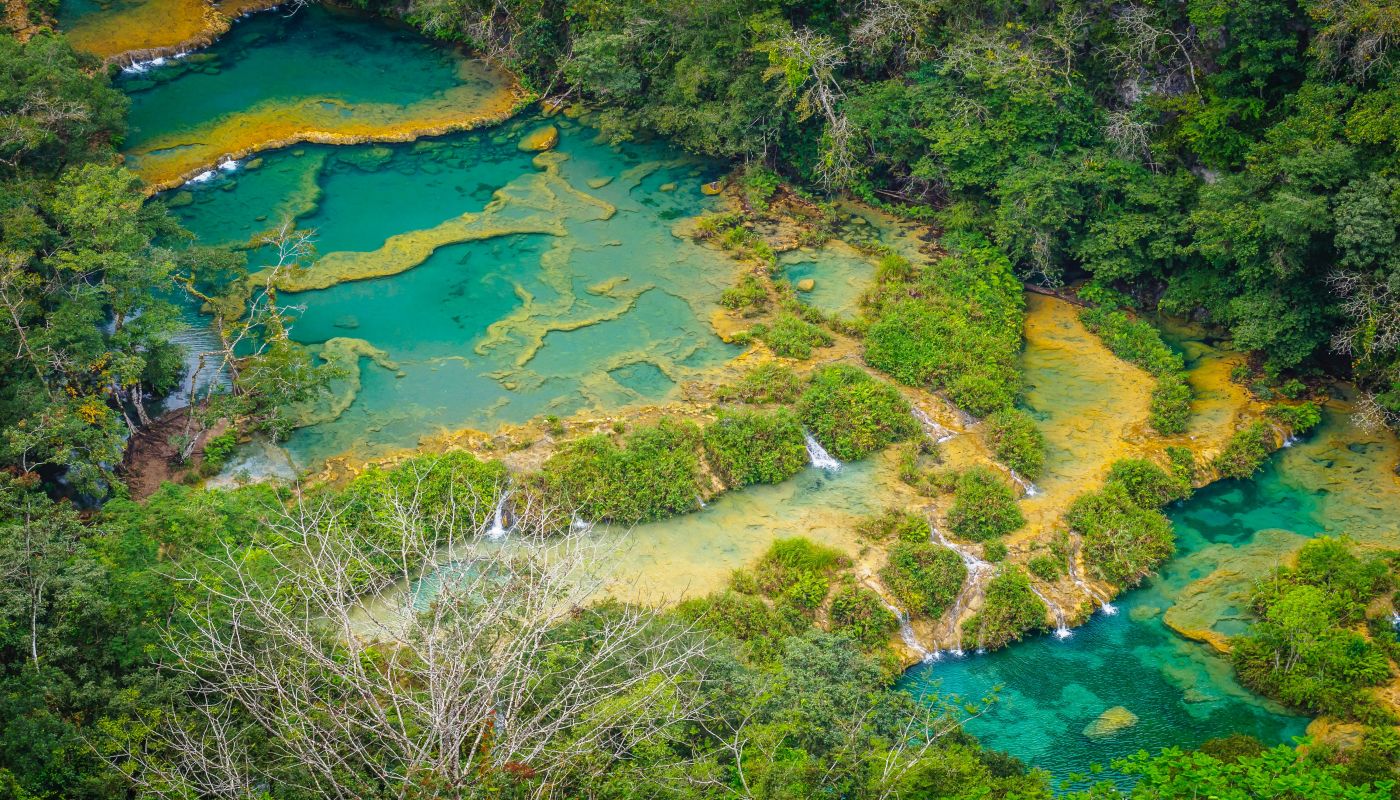
Landscape of Guatemala
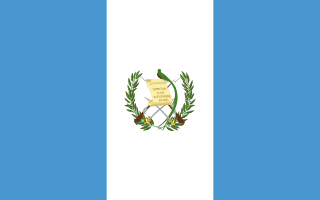
Flag of Guatemala

Guatemala

North America

Guatemala is a beautiful country located in Central America, bordered by Mexico to the north, Belize to the northeast, Honduras to the east, and El Salvador to the southeast. With a population of over 18 million people, Guatemala is the most populous country in Central America. The country is home to a number of breathtaking natural wonders, including Lake Atitlán, Semuc Champey, and Tikal National Park. Even more, it has seen steady economic growth, and poverty rates have been declining. The government has made efforts to address issues of social inequality, human rights abuses, and corruption.

What would you like to learn about in Guatemala?

Select a section to explore the country where nonprofits are creating positive change.

About Guatemala

The Maya civilization flourished in Guatemala and surrounding regions during the first millennium A.D. After almost three centuries as a Spanish colony, Guatemala won its independence in 1821. During the second half of the 20th century, it experienced a variety of military and civilian governments, as well as a 36-year guerrilla war. In 1996, the government signed a peace agreement formally ending the conflict, which had left more than 200,000 people dead and had created, by some estimates, some 1 million refugees. In January 2012, Guatemala assumed a nonpermanent seat on the UN Security Council for the 2012-13 term.

Quick Facts

Population
14,373,472 (July 2013 est.)
Area
108,889 sq km
ISO Code
GT
Continent
North America
Government
constitutional democratic republic
Active Causes
12
View all countries in North America

Geography & Environment

Climate

tropical; hot, humid in lowlands; cooler in highlands

Terrain

mostly mountains with narrow coastal plains and rolling limestone plateau

Natural Resources

petroleum, nickel, rare woods, fish, chicle, hydropower

Environmental Issues

deforestation in the Peten rainforest; soil erosion; water pollution

People & Society

71.46 years
Avg. Life Expectancy
75.9%
Literacy Rate
49% of total population (2010)
Total Urban Population

Languages

Spanish (official) 60%, Amerindian languages 40%

Religions

Roman Catholic, Protestant, indigenous Mayan beliefs

Health Expenditure

6.9% of GDP (2010) of GDP

Education Expenditure

2.8% of GDP (2010) of GDP

Economy

$5,300
GDP per Capita (PPP)
4.1%
Unemployment Rate
54% (2011 est.)
Below Poverty Line

Economic Overview

Guatemala is the most populous country in Central America with a GDP per capita roughly one-half that of the average for Latin America and the Caribbean. The agricultural sector accounts for 13% of GDP and 38% of the labor force; key agricultural exports include coffee, sugar, bananas, and vegetables. The 1996 peace accords, which ended 36 years of civil war, removed a major obstacle to foreign investment, and since then Guatemala has pursued important reforms and macroeconomic stabilization. The Dominican Republic-Central American Free Trade Agreement (CAFTA-DR) entered into force in July 200...

Causes in Guatemala

Poverty

Guatemala, a country in Central America, is deeply affected by poverty, which has far-reaching implications for its population. With approximately 59% of its citizens living below the national poverty line and 23% in extreme poverty, access to basic necessities such as education, healthcare, and clean water is severely limited. This widespread poverty exacerbates issues such as malnutrition, limited educational opportunities, and inadequate healthcare services, leading to a cycle of poverty that is difficult to break. The rural indigenous population is particularly vulnerable, facing discrimination and lack of access to resources. Addressing poverty in Guatemala requires comprehensive strategies that focus on improving education, healthcare, infrastructure, and economic opportunities for all citizens.

Religion

Religion in Guatemala plays a significant role in shaping the cultural and social fabric of the country. The majority of Guatemalans adhere to Roman Catholicism, which was introduced during Spanish colonization in the 16th century. This has led to a fusion of indigenous Mayan beliefs with Catholic rituals, creating a unique syncretic form of religious expression. The influence of religion is evident in various aspects of Guatemalan life, including traditional ceremonies, festivals, and everyday practices. However, religious beliefs have also been used to justify social inequalities and discrimination, particularly against indigenous communities. Furthermore, the Catholic Church has historically played a political role in Guatemala, advocating for social justice and human rights, especially during times of political turmoil and civil unrest.

Clean Water

Guatemala, a Central American country known for its rich culture and diverse landscapes, faces significant challenges when it comes to access to clean water. According to the World Health Organization, approximately 2 million Guatemalans lack access to clean drinking water, leading to widespread health issues such as waterborne diseases and malnutrition. The lack of clean water disproportionately affects rural communities and indigenous populations, exacerbating existing social inequalities. Furthermore, pollution from agricultural runoff and inadequate sanitation systems further deteriorate the quality of available water sources. Addressing the issue of clean water in Guatemala is crucial for improving public health outcomes and promoting sustainable development in the region.

Economy

Guatemala, a country in Central America, faces significant economic challenges that have profound impacts on its population. The economy of Guatemala is characterized by high levels of income inequality, with a large percentage of the population living in poverty. This economic disparity is exacerbated by factors such as limited access to education and healthcare, as well as a lack of job opportunities, particularly in rural areas. The reliance on agriculture as a primary economic activity further exposes the country to external shocks, such as natural disasters and fluctuating commodity prices. These economic vulnerabilities contribute to social issues like malnutrition, inadequate housing, and limited access to clean water. Addressing these economic challenges is crucial for improving the overall well-being of Guatemalans and fostering sustainable development in the country.

Government

Guatemala, a Central American country with a rich cultural heritage, faces numerous challenges that are deeply intertwined with its governmental structure. The government of Guatemala plays a significant role in shaping the country's socio-economic landscape, with its policies and decisions greatly impacting the lives of its citizens. Issues such as political corruption, high levels of poverty, and social inequality have been exacerbated by ineffective governance and lack of accountability within the public sector. Additionally, Guatemala struggles with crime rates and violence, further highlighting the need for strong leadership and effective governance to address these complex issues. It is imperative for the government to prioritize transparency, accountability, and inclusive policies to promote sustainable development and improve the quality of life for all Guatemalans.

Health

Guatemala, a country in Central America, faces significant health challenges that have a profound impact on its population. One of the primary causes of poor health in Guatemala is limited access to healthcare services, particularly in rural areas where infrastructure and resources are scarce. This lack of access contributes to high rates of preventable diseases such as respiratory infections, diarrheal diseases, and malnutrition. Additionally, Guatemala struggles with a high prevalence of chronic diseases like diabetes and hypertension, further straining its healthcare system. These health issues are exacerbated by social determinants such as poverty, inadequate sanitation, and limited education, creating a complex web of challenges for the Guatemalan people to overcome. Raising awareness about these health disparities is crucial to advocating for improved healthcare infrastructure and services in Guatemala.

Children

Guatemala, a country located in Central America, faces numerous challenges that impact its children. Poverty is a significant issue, with over half of the population living below the poverty line, affecting children's access to education, healthcare, and basic necessities. Malnutrition is prevalent among Guatemalan children, with approximately 50% under the age of five suffering from chronic malnutrition, leading to long-term health consequences. Moreover, high rates of violence in the country have a detrimental impact on children's well-being, with many experiencing trauma and limited access to safe spaces. These factors contribute to the cycle of poverty and inequality that continues to affect Guatemala's youth. Raising awareness and addressing these issues are crucial steps towards improving the lives of children in Guatemala.

Environment

Guatemala, a country known for its rich biodiversity and varied terrain, faces significant environmental challenges that impact its population and economy. The deforestation rates in Guatemala are among the highest in Latin America, leading to soil erosion, loss of habitat for wildlife, and exacerbating the effects of climate change. Additionally, water pollution and inadequate waste management systems threaten both public health and the environment. These environmental issues have far-reaching consequences, affecting agriculture, tourism, and overall quality of life for Guatemalans. It is crucial for the government, non-profit organizations, and individuals to work together to address these pressing environmental concerns and promote sustainable practices to ensure a healthier future for Guatemala.

Family

In Guatemala, family holds significant importance in shaping the social fabric and cultural identity of its people. The concept of family extends beyond just immediate relatives to include extended family members, creating a strong sense of community and support. Families in Guatemala often serve as the primary source of emotional, financial, and social assistance, especially in rural areas where formal social structures may be lacking. The close-knit nature of Guatemalan families fosters a deep sense of belonging and interdependence, where individuals rely on each other for guidance, protection, and solidarity. However, challenges such as poverty, limited access to education and healthcare, and high rates of violence can strain familial relationships and place additional burdens on families already struggling to make ends meet. Understanding the pivotal role of family in Guatemalan society is crucial for addressing the complex social issues facing the country and implementing effective interventions to support families in need.

Human Rights

Guatemala, a country located in Central America, has long grappled with significant human rights challenges that have had a profound impact on its population. Indigenous communities in Guatemala face discrimination, land dispossession, and violence, often at the hands of powerful economic interests and state security forces. These violations of human rights have contributed to ongoing social unrest and political instability in the country. Additionally, Guatemala has a history of impunity for perpetrators of human rights abuses, further exacerbating the situation. Raising awareness about these issues is crucial to advocating for justice and accountability in Guatemala.

Education

In Guatemala, access to quality education remains a significant challenge, particularly for marginalized communities. Limited resources, inadequate infrastructure, and socio-economic disparities have contributed to high rates of illiteracy and low educational attainment levels in the country. The lack of educational opportunities perpetuates cycles of poverty and hinders social and economic development. Furthermore, cultural and language barriers present additional obstacles to education for indigenous populations. Efforts to improve the education system in Guatemala are essential to break the cycle of poverty and inequality and to foster a more inclusive and prosperous society.

Animals

In Guatemala, animals play a crucial role in the ecosystem and are integral to the country's biodiversity. The diverse range of wildlife in Guatemala, including species like jaguars, quetzals, and howler monkeys, contributes to the country's natural beauty and ecological balance. However, these animals face numerous threats such as habitat loss, deforestation, illegal wildlife trafficking, and pollution. Human activities like agriculture, logging, and urbanization have led to the destruction of natural habitats, pushing many species towards extinction. Conservation efforts are crucial to protect these vulnerable animals and preserve Guatemala's rich biodiversity for future generations.

Nonprofits Working in Guatemala

Discover organizations making a difference in Guatemala

Make Your Impact Today

Discover causes you care about and support the nonprofits making a difference in communities around the world.

Are you a nonprofit? Join Project World Impact for free

Join Us Free