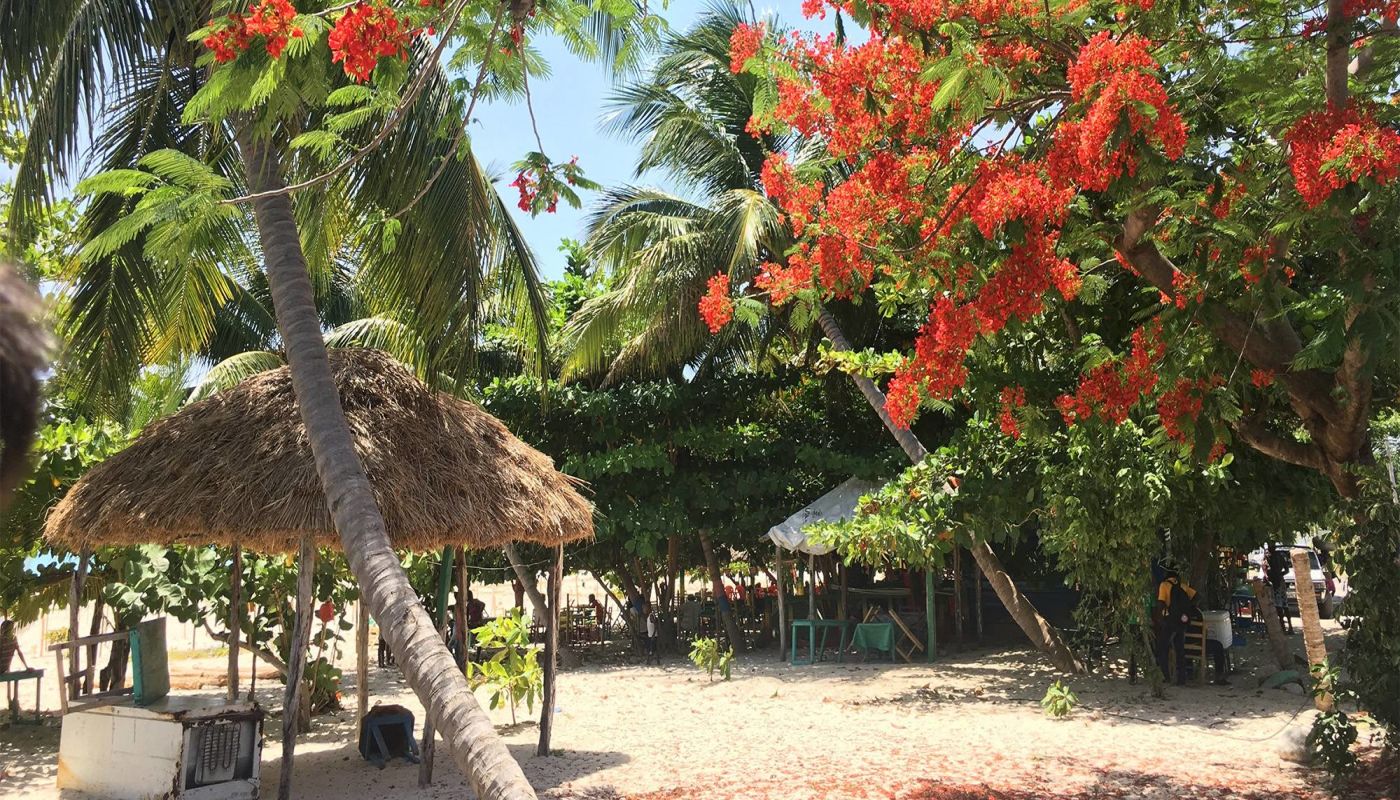
Landscape of Haiti
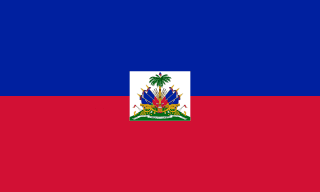
Flag of Haiti

Haiti

North America

The country of Haiti is located in the Caribbean Sea and is home to over 11 million people. Haiti is making strides towards progress and development, with ongoing efforts to improve infrastructure, healthcare, education, and the economy. The country's capital city, Port-au-Prince, is a bustling hub of commerce and culture, home to many museums, markets, and historic landmarks. Haiti has been at the forefront of global discussions surrounding climate change, economic development, and social justice. The country is home to a dynamic and engaged population, with many young people leading the charge for change and progress. Additionally, Haiti has been working to address the root causes of migration, which have led many Haitians to seek better opportunities in other countries. Despite these challenges, Haiti is a country full of hope and promise. Its people are determined to build a better future for themselves and their children, and they are making progress every day.

What would you like to learn about in Haiti?

Select a section to explore the country where nonprofits are creating positive change.

About Haiti

The native Taino - who inhabited the island of Hispaniola when it was discovered by Christopher COLUMBUS in 1492 - were virtually annihilated by Spanish settlers within 25 years. In the early 17th century, the French established a presence on Hispaniola. In 1697, Spain ceded to the French the western third of the island, which later became Haiti. The French colony, based on forestry and sugar-related industries, became one of the wealthiest in the Caribbean but only through the heavy importation of African slaves and considerable environmental degradation. In the late 18th century, Haiti's nearly half million slaves revolted under Toussaint L'OUVERTURE. After a prolonged struggle, Haiti became the first post-colonial black-led nation in the world, declaring its independence in 1804. Currently the poorest country in the Western Hemisphere, Haiti has experienced political instability for most of its history. After an armed rebellion led to the forced resignation and exile of President Jean-Bertrand ARISTIDE in February 2004, an interim government took office to organize new elections under the auspices of the United Nations. Continued instability and technical delays prompted repeated postponements, but Haiti inaugurated a democratically elected president and parliament in May of 2006. This was followed by contested elections in 2010 that resulted in the election of Haiti's current President, Michel MARTELLY. A massive magnitude 7.0 earthquake struck Haiti in January 2010 with an epicenter about 25 km (15 mi) west of the capital, Port-au-Prince. Estimates are that over 300,000 people were killed and some 1.5 million left homeless. The earthquake was assessed as the worst in this region over the last 200 years.

Quick Facts

Population
9,893,934 (July 2013 est.)
Area
27,750 sq km
ISO Code
HT
Continent
North America
Government
republic
Active Causes
12
View all countries in North America

Geography & Environment

Climate

tropical; semiarid where mountains in east cut off trade winds

Terrain

mostly rough and mountainous

Natural Resources

bauxite, copper, calcium carbonate, gold, marble, hydropower

Environmental Issues

extensive deforestation (much of the remaining forested land is being cleared for agriculture and used as fuel); soil erosion; inadequate supplies of potable water

People & Society

62.85 years
Avg. Life Expectancy
48.7%
Literacy Rate
52% of total population (2010)
Total Urban Population

Languages

French (official), Creole (official)

Religions

Roman Catholic 80%, Protestant 16% (Baptist 10%, Pentecostal 4%, Adventist 1%, other 1%), none 1%, other 3%

Health Expenditure

6.9% of GDP (2010) of GDP

Education Expenditure

NA of GDP

Economy

$1,300
GDP per Capita (PPP)
40.6%
Unemployment Rate
80% (2003 est.)
Below Poverty Line

Economic Overview

Haiti is a free market economy that enjoys the advantages of low labor costs and tariff-free access to the US for many of its exports. Poverty, corruption, vulnerability to natural disasters, and low levels of education for much of the population are among Haiti's most serious impediments to economic growth. Haiti's economy suffered a severe setback in January 2010 when a 7.0 magnitude earthquake destroyed much of its capital city, Port-au-Prince, and neighboring areas. Currently the poorest country in the Western Hemisphere with 80% of the population living under the poverty line and 54% in a...

Causes in Haiti

Environment

Haiti, a country located in the Caribbean, faces numerous environmental challenges that significantly impact its population and economy. Deforestation is a pressing issue in Haiti, with the country losing a significant portion of its forests due to unsustainable logging practices, agricultural expansion, and charcoal production. This widespread deforestation has led to soil erosion, decreased agricultural productivity, and increased vulnerability to natural disasters such as hurricanes and floods. The lack of access to clean water sources further exacerbates the environmental crisis in Haiti, contributing to health issues such as waterborne diseases. Additionally, the country's vulnerability to climate change poses a significant threat, with rising sea levels and extreme weather events putting additional pressure on Haiti's already fragile ecosystem. Addressing these environmental challenges is crucial for the sustainable development and well-being of the Haitian people.

Human Rights

Haiti, a nation plagued by political instability, natural disasters, and economic challenges, faces significant human rights issues that impact its population. The country struggles with widespread poverty, limited access to education and healthcare, high levels of corruption, and a weak justice system, all of which contribute to violations of basic human rights. Human rights abuses in Haiti include arbitrary arrests, extrajudicial killings, gender-based violence, and inadequate protection for vulnerable populations such as children and internally displaced persons. The lack of enforcement of existing laws and the presence of armed gangs further exacerbate these issues, leaving many Haitians vulnerable to exploitation and abuse. Addressing human rights concerns in Haiti is crucial for the country's development and stability.

Education

Haiti, a country plagued by political instability, natural disasters, and widespread poverty, faces significant challenges in providing quality education to its population. The education system in Haiti is underfunded and lacks adequate resources, resulting in low enrollment rates and poor educational outcomes. This lack of access to quality education perpetuates cycles of poverty and limits opportunities for the country's youth. Improving education in Haiti is crucial for breaking this cycle and promoting long-term development. By investing in education, Haiti can empower its citizens, reduce inequality, and build a more prosperous future for all. (Source: UNESCO)

Poverty

Poverty remains a pervasive issue in Haiti, significantly impacting the country's development and well-being. With the majority of the population living below the poverty line, access to basic necessities such as healthcare, education, and clean water is severely limited. The lack of infrastructure and economic opportunities further exacerbates the situation, perpetuating a cycle of poverty that is challenging to break. This dire economic condition is further compounded by natural disasters, political instability, and social unrest, making it even more difficult for Haitians to lift themselves out of poverty. Addressing the root causes of poverty in Haiti requires a comprehensive approach that includes sustainable economic development, improved access to education and healthcare, and strengthening of governance structures to promote stability and growth.

Religion

Religion plays a significant role in the daily lives of Haitians, shaping their beliefs, values, and cultural practices. Haiti is predominantly a Christian country, with Catholicism and Protestantism being the two major denominations. Vodou, a syncretic religion that combines elements of African traditions with Catholicism, also holds a notable presence in Haitian society. Religion in Haiti serves as a source of comfort, guidance, and community for many individuals, especially in times of hardship and adversity. Moreover, religious institutions often play a crucial role in providing social services and support to communities in need. The influence of religion in Haiti is deeply ingrained in the fabric of society, impacting various aspects of life including politics, education, and healthcare.

Clean Water

In Haiti, access to clean water remains a critical issue that significantly impacts the well-being of its population. With only around 64% of Haitians having access to improved water sources, the majority of the country's inhabitants are left vulnerable to waterborne diseases such as cholera, typhoid, and diarrhea. The lack of clean water not only poses a direct threat to public health but also hinders socio-economic development, as individuals, particularly women and children, spend substantial time collecting water from distant and often contaminated sources instead of engaging in education or income-generating activities. Furthermore, the effects of climate change, deforestation, and inadequate infrastructure further exacerbate the water crisis in Haiti. Addressing this issue requires concerted efforts from the government, NGOs, and international partners to improve water infrastructure, promote hygiene practices, and ensure sustainable access to clean water for all Haitians.

Economy

Haiti, a Caribbean nation situated on the western third of the island of Hispaniola, faces significant economic challenges that impact its population. The country grapples with high levels of poverty, political instability, and vulnerability to natural disasters, such as hurricanes and earthquakes. The economy heavily relies on agriculture, particularly subsistence farming, which leaves many citizens in a state of financial precarity due to limited access to resources and infrastructure. Additionally, the lack of investment in key sectors like education and healthcare contributes to the perpetuation of economic disparities. These factors collectively hinder the country's overall development and impede socio-economic progress for its people.

Government

Haiti, a nation located in the Caribbean region, has long grappled with political instability and economic challenges that have significantly impacted its population. The government of Haiti plays a crucial role in shaping the country's development trajectory and addressing various social issues. However, corruption, weak institutions, and limited resources have hindered the government's ability to effectively govern and provide essential services to its citizens. These challenges have contributed to high levels of poverty, lack of access to education and healthcare, as well as vulnerability to natural disasters such as hurricanes and earthquakes. It is imperative for the international community to support Haiti in strengthening its governance structures and promoting sustainable development initiatives to improve the well-being of its people.

Health

Haiti, a country located in the Caribbean region, faces significant health challenges that have a profound impact on its population. The nation grapples with a high prevalence of infectious diseases such as cholera, malaria, and tuberculosis, exacerbated by limited access to clean water, sanitation facilities, and healthcare services. Malnutrition is also a pressing issue in Haiti, with around 22% of children under the age of five suffering from acute malnutrition. Additionally, natural disasters like hurricanes and earthquakes frequently strike the country, causing widespread destruction and further straining its already fragile healthcare system. These health challenges not only contribute to high mortality rates but also hinder the overall development and well-being of the Haitian people, highlighting the urgent need for improved healthcare infrastructure and resources in the country.

Children

Haiti, a nation situated in the Caribbean, faces numerous challenges that significantly impact its population, particularly its children. The country grapples with widespread poverty, political instability, natural disasters, and limited access to basic services such as healthcare and education. As a result, many children in Haiti experience malnutrition, lack of proper schooling, and inadequate healthcare. The impact of these issues on children in Haiti is profound, affecting their overall well-being, development, and future opportunities. By understanding the root causes of these challenges and working towards sustainable solutions, we can help improve the lives of children in Haiti and support their growth and potential.

Family

In Haiti, the familial structure holds significant importance in shaping the social fabric of the nation. Families in Haiti are often large and extended, with a strong emphasis on kinship ties and mutual support. The concept of family extends beyond biological relationships to include close friends and community members, forming a tight-knit network that provides emotional, financial, and practical assistance. This support system is particularly crucial in the face of socio-economic challenges prevalent in Haiti, such as poverty, political instability, and natural disasters. Families serve as a pillar of resilience and solidarity, helping individuals navigate hardships and rebuild their lives in times of crisis. By examining the role of family in Haiti, one gains insight into the profound impact of interpersonal connections on individual well-being and societal resilience.

Animals

In Haiti, animals play a crucial role in the livelihoods and economy of the people. Livestock such as goats, pigs, and chickens are vital sources of food, income, and resources for many Haitian families. However, the well-being of animals in Haiti is often overlooked, leading to issues such as poor living conditions, lack of veterinary care, and limited access to adequate nutrition. The neglect of animal welfare not only affects the animals themselves but also has broader implications for human health and environmental sustainability. Increased awareness and support for animal welfare initiatives in Haiti are essential to address these challenges and promote a more sustainable and compassionate society.

Nonprofits Working in Haiti

Discover organizations making a difference in Haiti

Make Your Impact Today

Discover causes you care about and support the nonprofits making a difference in communities around the world.

Are you a nonprofit? Join Project World Impact for free

Join Us Free