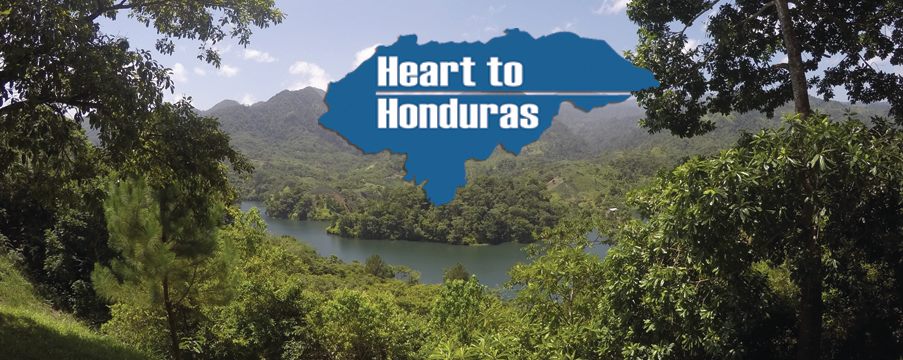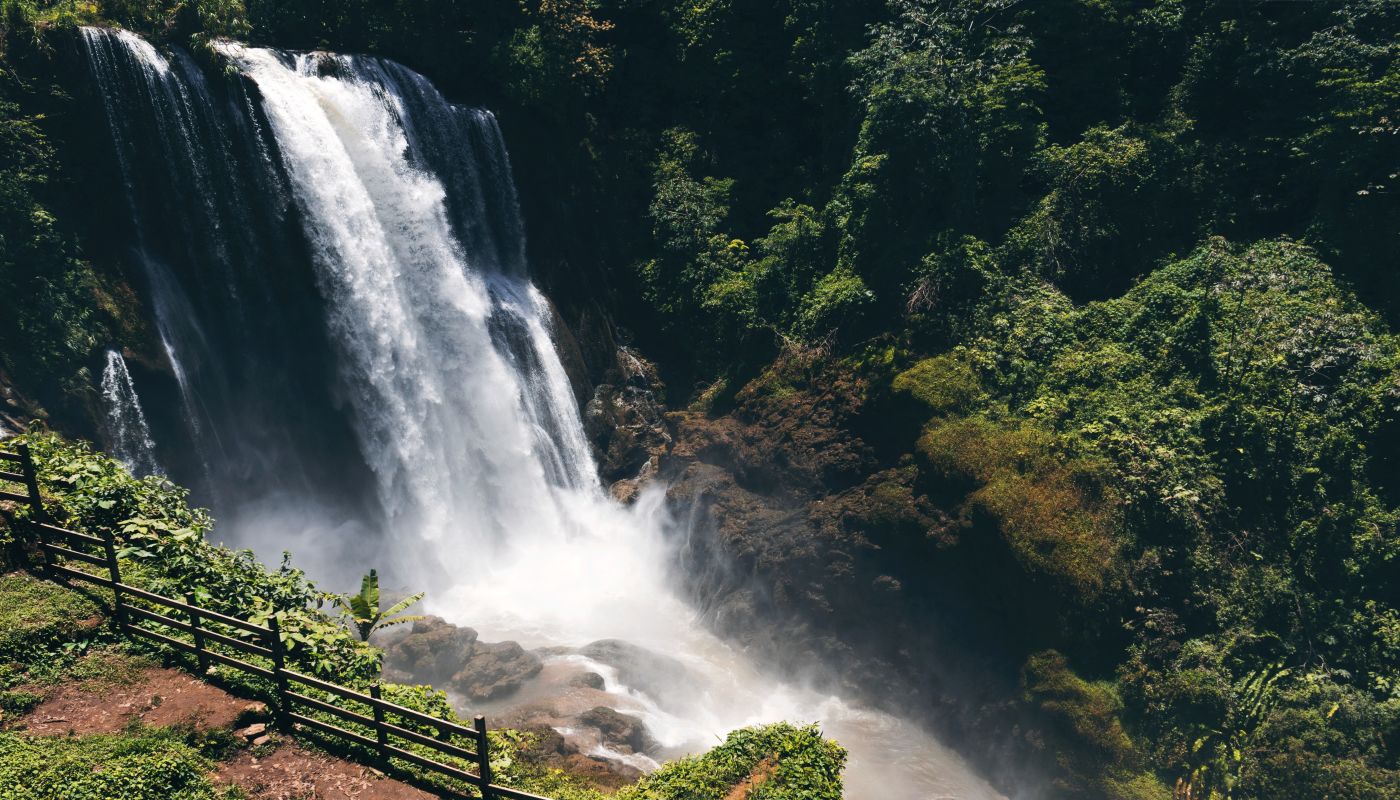
Landscape of Honduras
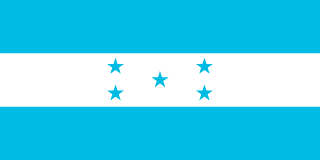
Flag of Honduras

Honduras

North America

With a population of over 9.7 million people, Honduras is located in Central America. One of the most exciting developments in Honduras is the country's push to establish itself as a leading hub for technology startups and innovation. Honduras is also known for its vibrant political landscape, with active civil society groups advocating for human rights and democracy. The country has made significant strides in strengthening democratic institutions, including the establishment of an independent anti-corruption body and the adoption of a new electoral law aimed at promoting transparency and accountability.

What would you like to learn about in Honduras?

Select a section to explore the country where nonprofits are creating positive change.

About Honduras

Once part of Spain's vast empire in the New World, Honduras became an independent nation in 1821. After two and a half decades of mostly military rule, a freely elected civilian government came to power in 1982. During the 1980s, Honduras proved a haven for anti-Sandinista contras fighting the Marxist Nicaraguan Government and an ally to Salvadoran Government forces fighting leftist guerrillas. The country was devastated by Hurricane Mitch in 1998, which killed about 5,600 people and caused approximately $2 billion in damage. Since then, the economy has slowly rebounded.

Quick Facts

Population
8,448,465 (July 2013 est.)
Area
112,090 sq km
ISO Code
HN
Continent
North America
Government
democratic constitutional republic
Active Causes
12
View all countries in North America

Geography & Environment

Climate

subtropical in lowlands, temperate in mountains

Terrain

mostly mountains in interior, narrow coastal plains

Natural Resources

timber, gold, silver, copper, lead, zinc, iron ore, antimony, coal, fish, hydropower

Environmental Issues

urban population expanding; deforestation results from logging and the clearing of land for agricultural purposes; further land degradation and soil erosion hastened by uncontrolled development and im...

People & Society

70.81 years
Avg. Life Expectancy
85.1%
Literacy Rate
52% of total population (2010)
Total Urban Population

Languages

Spanish (official), Amerindian dialects

Religions

Roman Catholic 97%, Protestant 3%

Health Expenditure

6.8% of GDP (2010) of GDP

Education Expenditure

NA of GDP

Economy

$4,700
GDP per Capita (PPP)
4.5%
Unemployment Rate
60% (2010 est.)
Below Poverty Line

Economic Overview

Honduras, the second poorest country in Central America, suffers from extraordinarily unequal distribution of income, as well as high underemployment. While historically dependent on the export of bananas and coffee, Honduras has diversified its export base to include apparel and automobile wire harnessing. Nearly half of Honduras's economic activity is directly tied to the US, with exports to the US accounting for 30% of GDP and remittances for another 20%. The US-Central America-Dominican Republic Free Trade Agreement (CAFTA-DR) came into force in 2006 and has helped foster foreign direct in...

Causes in Honduras

Environment

Honduras, a country in Central America, is heavily impacted by environmental issues that pose significant challenges to its population. Deforestation, soil erosion, pollution, and climate change are some of the key concerns affecting the environment in Honduras. These issues not only threaten the country's rich biodiversity but also have severe consequences for its people, particularly those in rural areas who depend on natural resources for their livelihoods. Deforestation, driven by agriculture, logging, and infrastructure development, has led to loss of habitat for wildlife and increased vulnerability to natural disasters such as landslides and flooding. Soil erosion further exacerbates these problems, affecting agricultural productivity and food security. Pollution from mining activities and inadequate waste management also contribute to environmental degradation in Honduras. Moreover, the impacts of climate change, including more frequent and intense extreme weather events, pose additional risks to the country's environment and population.

Family

Family plays a significant role in the social fabric of Honduras, as it is a fundamental institution that shapes the lives of individuals and communities in the country. In Honduran culture, family ties are strong and deeply valued, with extended family members often providing support and solidarity in times of need. The concept of family extends beyond just blood relations to include close friends and neighbors who are considered part of one's "familia." However, despite the cultural emphasis on family unity, many Honduran families face challenges such as poverty, violence, and lack of access to basic services, which can strain familial relationships and impact the well-being of individuals. Addressing these issues and supporting Honduran families is crucial for the overall development and stability of the country.

Human Rights

Honduras, a Central American country, grapples with significant human rights challenges that profoundly impact its society. Instances of violence, political unrest, and corruption have led to widespread violations of basic human rights for many Hondurans. Issues such as extrajudicial killings, arbitrary arrests, and restrictions on freedom of speech and assembly persist, creating a climate of fear and insecurity. Vulnerable populations, including indigenous communities, women, and human rights defenders, are particularly at risk of experiencing rights abuses. Efforts to address these concerns face obstacles due to weak institutions, impunity, and a lack of accountability. It is crucial for both the Honduran government and the international community to prioritize human rights protection in order to foster a more just and equitable society in Honduras.

Education

In Honduras, a country in Central America with a population of approximately 9.3 million, education plays a crucial role in shaping the future of its citizens. With a literacy rate of around 88.2%, access to quality education remains a challenge due to factors such as poverty, limited infrastructure, and political instability. This results in disparities in educational opportunities, particularly affecting marginalized communities and rural areas. The lack of adequate resources and qualified teachers further hinders the development of a strong educational system in Honduras. Despite efforts to improve educational outcomes, including the implementation of bilingual education programs and initiatives to increase school enrollment rates, significant barriers persist. In order to address these challenges and promote sustainable development, increased investment in education is essential to empower individuals, reduce inequality, and drive economic growth in Honduras.

Poverty

Honduras, a Central American country facing significant challenges, grapples with widespread poverty that deeply impacts its population. With nearly 48% of Hondurans living below the national poverty line, access to basic necessities such as healthcare, education, and clean water remains a daily struggle for many. High levels of inequality exacerbate the issue, with rural areas and indigenous communities disproportionately affected by poverty. The lack of economic opportunities, limited access to quality education, and insufficient social services contribute to the perpetuation of this cycle of poverty. Furthermore, natural disasters like hurricanes and droughts have further strained the country's economy and exacerbated poverty levels. Addressing the root causes of poverty in Honduras requires comprehensive strategies that prioritize sustainable development, social inclusion, and equitable distribution of resources.

Religion

In Honduras, religion plays a significant role in shaping the cultural, social, and political landscape of the country. The majority of the population identifies as Roman Catholic, with a smaller percentage adhering to Protestant denominations. Religion in Honduras influences various aspects of life, from family values and traditions to community cohesion and political decision-making. Churches and religious institutions often serve as centers for community engagement and social support, particularly in rural areas where access to services may be limited. Additionally, religious beliefs can impact attitudes towards issues such as gender roles, reproductive rights, and social justice. Understanding the complex interplay between religion and society in Honduras is crucial for fostering informed dialogue and promoting tolerance and respect among diverse communities.

Clean Water

Honduras, a country located in Central America, faces significant challenges in accessing clean water. With a population of over 9 million people, approximately 1.5 million Hondurans lack access to safe drinking water, particularly in rural communities. The scarcity of clean water sources leads to the spread of waterborne diseases such as cholera and typhoid fever, causing serious health issues and even fatalities among the population. Additionally, limited access to clean water hinders agricultural productivity, exacerbating food insecurity in the region. The lack of adequate sanitation facilities further compounds these challenges, resulting in environmental pollution and increased health risks for Hondurans. Addressing the issue of clean water accessibility in Honduras is crucial to improving public health, reducing poverty, and promoting sustainable development in the country.

Economy

Honduras, a Central American country known for its rich biodiversity and vibrant culture, faces significant economic challenges that have far-reaching impacts on its population. The economy of Honduras heavily relies on agriculture, with key exports including coffee, bananas, and textiles. However, factors such as natural disasters, political instability, corruption, and a high crime rate have hindered economic growth and stability in the country. As a result, Honduras struggles with widespread poverty, limited access to healthcare and education, and high levels of unemployment. These economic disparities contribute to social issues like crime and migration, as many Hondurans seek better opportunities abroad. Addressing the root causes of economic struggles in Honduras is crucial for sustainable development and improving the quality of life for its people.

Government

Honduras, a Central American country with a population of over 9 million, faces various challenges caused by political instability and corruption. The government plays a crucial role in shaping the socioeconomic landscape of Honduras through policy decisions and resource allocation. The impact of the government is evident in areas such as poverty rates, access to healthcare, education, and infrastructure development. Political unrest and weak governance have contributed to high levels of poverty and inequality in the country, making it one of the poorest nations in Latin America. Additionally, corruption within government institutions has hindered progress and perpetuated social disparities. To address these issues effectively, it is essential for the Honduran government to prioritize transparency, accountability, and good governance practices.

Health

Health is a critical issue in Honduras, a country facing numerous challenges in providing adequate healthcare to its population. With a high poverty rate and limited access to healthcare services, many Hondurans struggle to receive the medical attention they need. The lack of infrastructure, medical supplies, and trained healthcare professionals further exacerbates the situation, leading to poor health outcomes and high mortality rates. Infectious diseases such as dengue fever, malaria, and Zika virus continue to be significant public health concerns, affecting the well-being of the population. Additionally, chronic diseases like diabetes and cardiovascular conditions pose a growing burden on the healthcare system. Addressing these health challenges requires concerted efforts from the government, healthcare providers, and international organizations to improve access to quality healthcare services and promote public health initiatives in Honduras.

Children

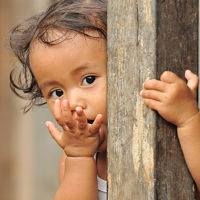
Honduras faces numerous challenges that impact its children. High levels of poverty, violence, and limited access to education and healthcare have significant implications for the well-being of Honduran children. According to UNICEF, approximately 66% of children in Honduras live in poverty, with many lacking access to basic necessities such as adequate nutrition and clean water. Moreover, the country has one of the highest homicide rates in the world, exposing children to violence and trauma. These adverse conditions not only jeopardize the physical health and safety of Honduran children but also hinder their educational opportunities and future prospects. Addressing these systemic issues is crucial to ensuring a better quality of life for all children in Honduras. Source: UNICEF Honduras - https://www.unicef.org/honduras/

Animals

Honduras, a country in Central America, is home to a diverse array of animal species that play crucial roles in its ecosystems. The impact of animals in Honduras is significant, as they contribute to biodiversity, regulate populations of other species, and provide essential ecological services. Unfortunately, the wildlife in Honduras faces numerous threats, including habitat destruction, illegal wildlife trade, and climate change. Deforestation for agriculture and urbanization has led to the loss of critical habitats for many species. Additionally, poaching and trafficking of animals for the exotic pet trade pose serious challenges to the conservation efforts in the country. It is imperative to raise awareness about the importance of protecting Honduras' wildlife and ecosystems to ensure a sustainable future for both animals and people.

Nonprofits Working in Honduras

Discover organizations making a difference in Honduras

NPH USA

NPH USA

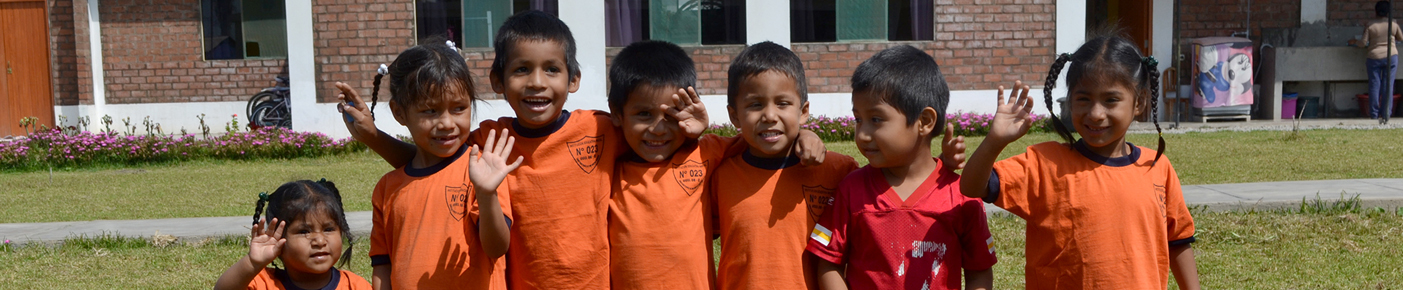
NPH USA transforms the lives of orphaned, abandoned and disadvantaged children in Latin America and the Caribbean by supporting the homes, healthcare and educational programs of Nuestros Pequeños Hermanos (NPH, Spanish for "Our Little Brothers and Sisters"). Together, we create families for life and teach children the values of unconditional love, shared responsibility and helping others. Our donors help children overcome poverty and become leaders in their own communities. Since its founding in 1954, NPH has assisted more than 20,000 children and is currently raising more than 3,400 boys and girls in Bolivia, the Dominican Republic, El Salvador, Guatemala, Haiti, Honduras, Mexico, Nicaragua and Peru. An additional 1,600 students who live outside the homes receive scholarships, meals and health care. NPH outreach programs provided over 95,000 services in 2014.

Chicago, Illinois

Make Your Impact Today

Discover causes you care about and support the nonprofits making a difference in communities around the world.

Are you a nonprofit? Join Project World Impact for free

Join Us Free