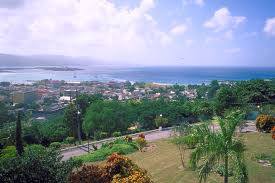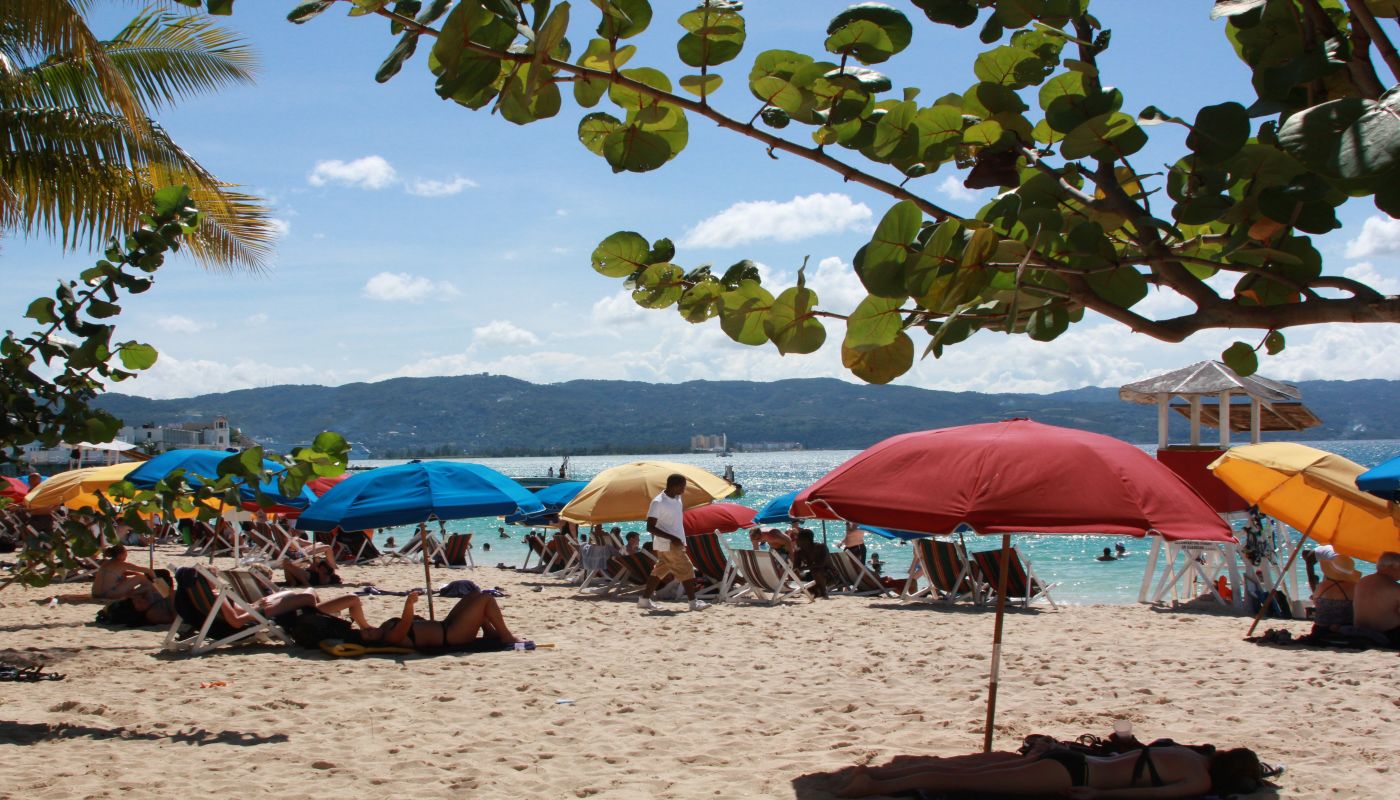
Landscape of Jamaica
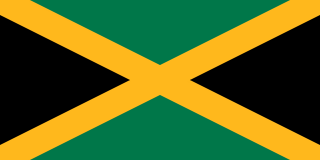
Flag of Jamaica

Jamaica

North America

With a population of approximately 2.9 million people, Jamaica enjoys a diverse and multiethnic society. Jamaica has made significant progress in a number of areas, with great strides in developing its economy and improving the lives of its citizens, with a focus on education, healthcare, and infrastructure. The Jamaican government passed a law that decriminalized possession of up to two ounces of marijuana, and the country is now working to establish a legal framework for the cultivation, distribution, and use of cannabis. This move has attracted significant attention from investors and entrepreneurs, who see Jamaica as a potential hub for the burgeoning cannabis industry.

What would you like to learn about in Jamaica?

Select a section to explore the country where nonprofits are creating positive change.

About Jamaica

The island - discovered by Christopher COLUMBUS in 1494 - was settled by the Spanish early in the 16th century. The native Taino, who had inhabited Jamaica for centuries, were gradually exterminated and replaced by African slaves. England seized the island in 1655 and established a plantation economy based on sugar, cocoa, and coffee. The abolition of slavery in 1834 freed a quarter million slaves, many of whom became small farmers. Jamaica gradually increased its independence from Britain. In 1958 it joined other British Caribbean colonies in forming the Federation of the West Indies. Jamaica gained full independence when it withdrew from the Federation in 1962. Deteriorating economic conditions during the 1970s led to recurrent violence as rival gangs affiliated with the major political parties evolved into powerful organized crime networks involved in international drug smuggling and money laundering. Violent crime, drug trafficking, and poverty pose significant challenges to the government today. Nonetheless, many rural and resort areas remain relatively safe and contribute substantially to the economy.

Quick Facts

Population
2,909,714 (July 2013 est.)
Area
10,991 sq km
ISO Code
JM
Continent
North America
Government
constitutional parliamentary democracy and a Commonwealth realm
Active Causes
12
View all countries in North America

Geography & Environment

Climate

tropical; hot, humid; temperate interior

Terrain

mostly mountains, with narrow, discontinuous coastal plain

Natural Resources

bauxite, gypsum, limestone

Environmental Issues

heavy rates of deforestation; coastal waters polluted by industrial waste, sewage, and oil spills; damage to coral reefs; air pollution in Kingston from vehicle emissions

People & Society

73.44 years
Avg. Life Expectancy
87%
Literacy Rate
52% of total population (2010)
Total Urban Population

Languages

English, English patois

Religions

Protestant 62.5% (Seventh-Day Adventist 10.8%, Pentecostal 9.5%, Other Church of God 8.3%, Baptist 7.2%, New Testament Church of God 6.3%, Church of G...

Health Expenditure

4.8% of GDP (2010) of GDP

Education Expenditure

6.4% of GDP (2010) of GDP

Economy

$9,300
GDP per Capita (PPP)
14.3%
Unemployment Rate
16.5% (2009 est.)
Below Poverty Line

Economic Overview

The Jamaican economy is heavily dependent on services, which accounted for more than 60% of GDP at the end of 2011. The country continues to derive most of its foreign exchange from tourism, remittances, and bauxite/alumina. Remittances account for nearly 15% of GDP and exports of bauxite and alumina make up roughly 5%. The bauxite/alumina sector was most affected by the global downturn while the tourism industry was resilient. Tourism revenues account for roughly 5% of GDP in 2011. Jamaica's economy faces many challenges to growth: high crime and corruption, large-scale unemployment and under...

Causes in Jamaica

Environment

Jamaica, a Caribbean island nation known for its stunning beaches and vibrant culture, faces significant environmental challenges that deeply impact its population and economy. The country is vulnerable to natural disasters such as hurricanes, which are becoming more frequent and intense due to climate change. Deforestation, unsustainable agricultural practices, and coastal erosion further exacerbate environmental degradation in Jamaica. These factors not only threaten the country's rich biodiversity and natural resources but also have adverse effects on public health, food security, and tourism, which are vital sectors for Jamaica's economy. Urgent action is needed to mitigate these environmental issues and build resilience in the face of changing climatic conditions.

Family

In Jamaica, family plays a vital role in shaping the social fabric and cultural identity of its people. The concept of family extends beyond biological relatives to include close friends and community members. Family ties are strong in Jamaica, with households often comprising multiple generations living together or in close proximity, fostering a sense of unity and support within the community. Families in Jamaica typically place great emphasis on values such as respect for elders, loyalty, and mutual assistance. However, challenges such as poverty, migration, and social inequality can strain family structures and relationships, leading to issues such as family breakdown and domestic violence. Recognizing the importance of strong family bonds is crucial for promoting social cohesion and well-being in Jamaican society.

Human Rights

Jamaica, a country in the Caribbean known for its vibrant culture and stunning landscapes, faces significant human rights challenges that impact its population. Issues such as violence against women, discrimination against the LGBTQ+ community, and systemic corruption have been prevalent in Jamaican society. Despite efforts to improve human rights conditions, there is still much work to be done to ensure the protection and promotion of fundamental rights for all individuals in Jamaica. By addressing these human rights concerns, Jamaica can foster a more inclusive and equitable society for its citizens, allowing for greater social and economic development.

Education

Education in Jamaica plays a pivotal role in shaping the future of the nation. Although the government has made significant efforts to improve access to education, challenges such as a lack of resources, inadequate infrastructure, and teacher shortages still persist. According to UNESCO, Jamaica has made progress in increasing enrollment rates at the primary level, but there is a notable disparity in educational opportunities between urban and rural areas. The quality of education also remains a concern, with many schools lacking qualified teachers and necessary learning materials. Additionally, socio-economic factors often hinder students from marginalized communities from accessing quality education. Addressing these issues is crucial for Jamaica to ensure that all its citizens have equal opportunities to thrive and contribute to the country's development.

Poverty

Poverty remains a significant challenge in Jamaica, affecting various aspects of the country's social and economic landscape. The high levels of poverty in Jamaica have led to limited access to quality education, healthcare, and basic services for a considerable portion of the population. This lack of access perpetuates a cycle of poverty, hindering opportunities for social mobility and economic advancement. Additionally, poverty in Jamaica is often intertwined with issues such as crime, substance abuse, and inadequate housing conditions, further exacerbating the challenges faced by individuals and communities. Addressing poverty in Jamaica requires a multifaceted approach that focuses on improving education, healthcare, and job opportunities to break the cycle of poverty and promote sustainable development.

Religion

Religion plays a significant role in the cultural landscape of Jamaica, shaping the beliefs and practices of its people. The country is known for its religious diversity, with Christianity being the dominant faith, particularly the Protestant denominations such as Pentecostalism and Seventh-day Adventism. These Christian beliefs influence various aspects of Jamaican society, including family life, education, and politics. Additionally, Rastafarianism, a spiritual movement that emerged in Jamaica in the 1930s, has also left a lasting impact on the country's culture, promoting ideals of unity, equality, and social justice. Despite this religious diversity, Jamaica experiences occasional tensions between different religious groups, highlighting the complexities that arise from the intersection of faith and society in this Caribbean nation.

Clean Water

Jamaica, an island nation in the Caribbean, faces significant challenges in ensuring clean water access for its population. Despite having abundant water resources, issues such as pollution from agricultural runoff, inadequate wastewater treatment facilities, and limited infrastructure maintenance have led to water quality issues across the country. This has resulted in health concerns, including waterborne diseases such as typhoid and cholera, disproportionately affecting vulnerable communities. Additionally, the tourism industry, a vital part of Jamaica's economy, relies heavily on clean water sources for recreational activities and hospitality services. Therefore, safeguarding clean water resources is crucial for protecting public health and sustaining economic growth in Jamaica.

Economy

Jamaica, an island nation located in the Caribbean, faces significant economic challenges that impact its population and development. The country's economy is heavily reliant on tourism, agriculture, and mining, with tourism being a major source of revenue. However, Jamaica's economy is vulnerable to external shocks, such as natural disasters and global economic downturns, which can have a severe impact on its GDP growth and overall stability. The high levels of debt and unemployment further exacerbate the economic challenges faced by the country, leading to social inequality and poverty among its citizens. Efforts are being made to diversify the economy and attract more investments to create sustainable growth opportunities for Jamaica's future development.

Government

Jamaica, a Caribbean island nation renowned for its vibrant culture and stunning landscapes, faces various challenges largely influenced by its government's policies and actions. The government of Jamaica plays a crucial role in shaping the country's economic development, social welfare, and environmental sustainability. Despite efforts to improve governance and reduce corruption, Jamaica continues to struggle with high levels of crime, poverty, and unemployment. The government's decisions regarding public spending, investment priorities, and regulatory frameworks significantly impact the lives of Jamaican citizens. A more transparent and accountable government is essential to address these issues effectively and ensure a prosperous future for all Jamaicans.

Health

Jamaica, a country known for its vibrant culture and stunning landscapes, faces significant health challenges that impact its population. Non-communicable diseases such as diabetes and hypertension are prevalent in Jamaica, with rates on the rise due to lifestyle factors like poor diet and lack of physical activity. Additionally, infectious diseases such as Dengue fever pose a threat to public health in the region. Limited access to healthcare facilities and services further exacerbate the health issues faced by many Jamaicans, particularly those in rural areas. The Jamaican government has been working to improve healthcare infrastructure and promote healthy living through initiatives focused on disease prevention and management. By raising awareness about these health issues, we can support efforts to enhance the well-being of the Jamaican population.

Children

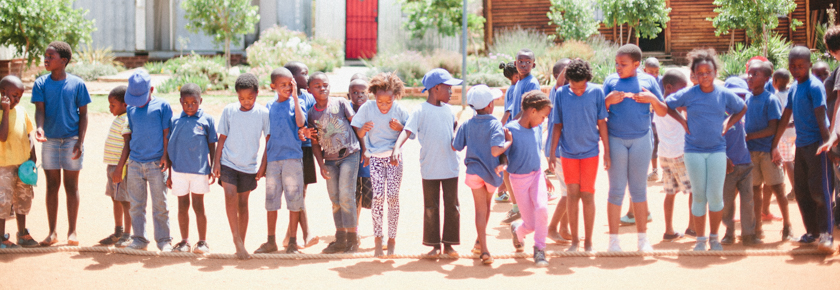
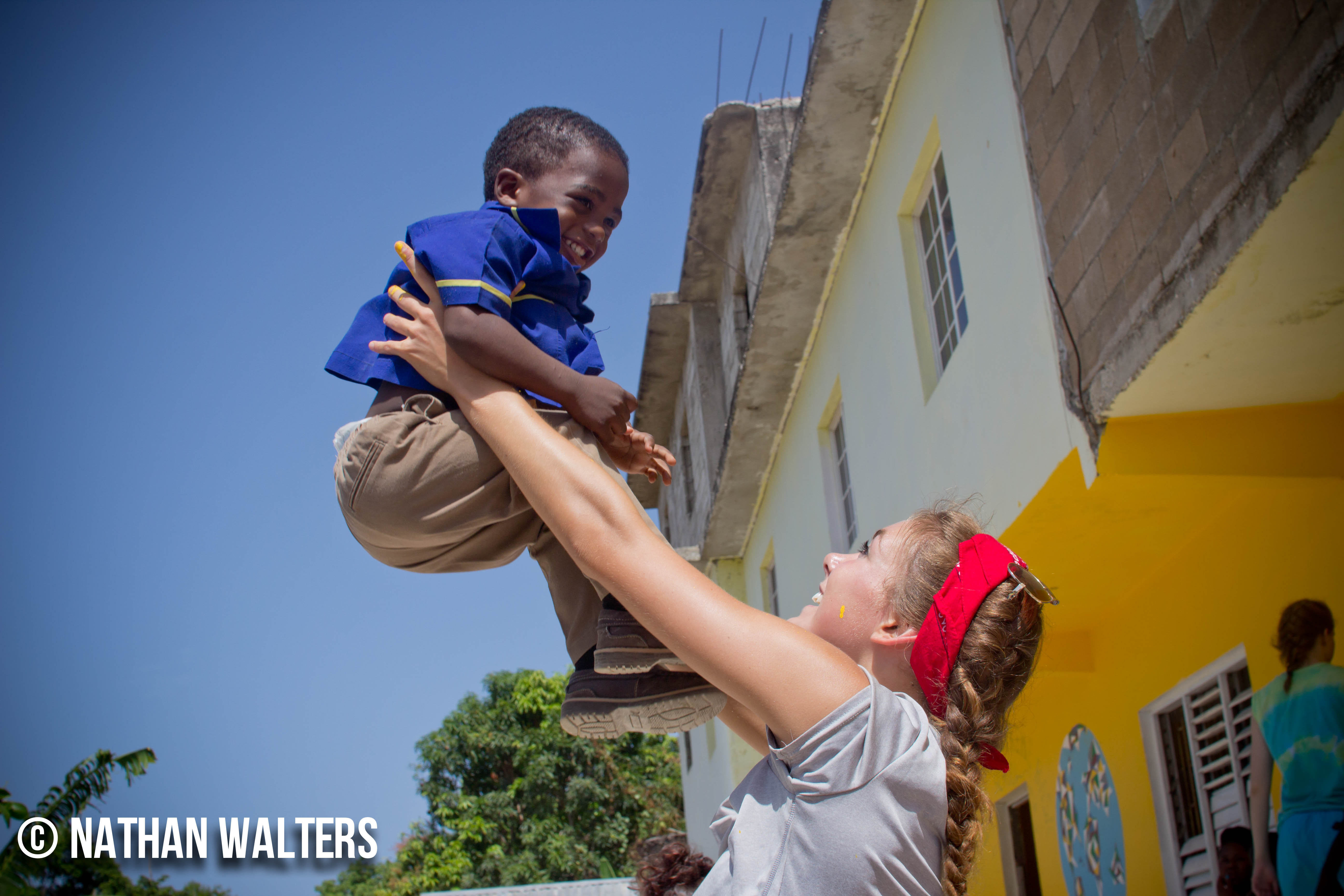
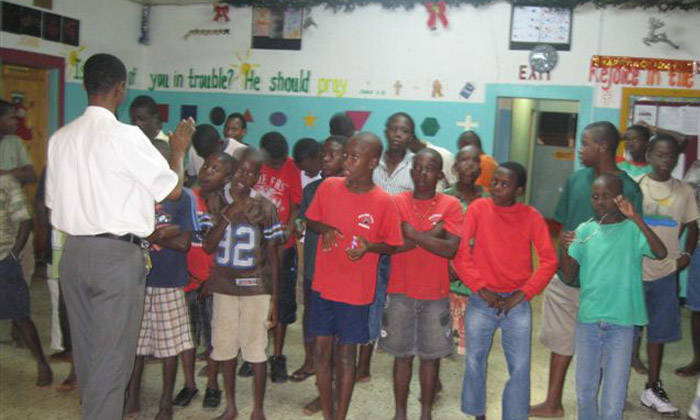
In Jamaica, children face numerous challenges that significantly impact their well-being and development. The country's high poverty rate, inadequate access to education, and limited healthcare services contribute to a harsh reality for many children. According to UNICEF, approximately 18% of children in Jamaica live below the national poverty line, exposing them to malnutrition, inadequate housing, and limited opportunities for growth. Furthermore, the education system in Jamaica faces various issues, including overcrowded classrooms, lack of resources, and low teacher-to-student ratios, which hinder children's access to quality education. Additionally, healthcare services remain inaccessible for many children in Jamaica, leading to preventable health issues and limited medical care. Addressing these challenges is crucial to ensuring a brighter future for Jamaica's children and improving the overall well-being of the nation.

Animals

In Jamaica, animals play a significant role in the ecosystem and economy of the country. The island's diverse wildlife includes endemic species such as the Jamaican boa, the Jamaican iguana, and the national bird, the Doctor Bird. These animals are not only important for maintaining the balance of the ecosystem but also contribute to Jamaica's tourism industry, which heavily relies on its natural beauty and wildlife. However, like many other places around the world, Jamaica faces challenges such as habitat loss, poaching, and climate change, which threaten the survival of its unique wildlife. By raising awareness about these issues and promoting conservation efforts, we can help protect Jamaica's animals and preserve its natural heritage for future generations.

Nonprofits Working in Jamaica

Discover organizations making a difference in Jamaica

Make Your Impact Today

Discover causes you care about and support the nonprofits making a difference in communities around the world.

Are you a nonprofit? Join Project World Impact for free

Join Us Free