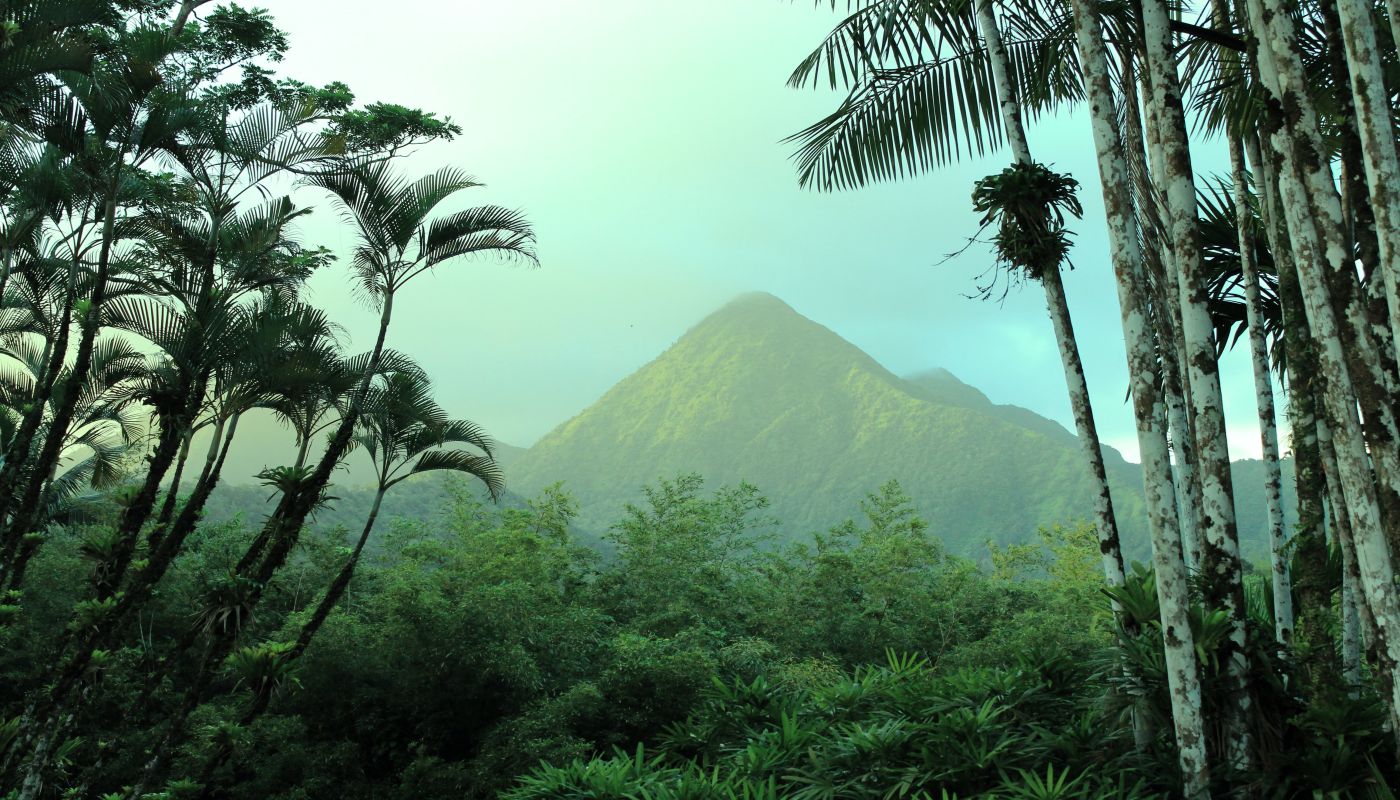
Landscape of Martinique
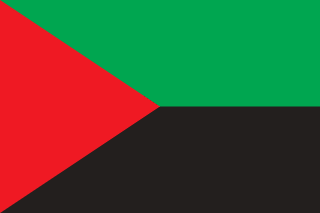
Flag of Martinique

Martinique

North America

Martinique is a French Caribbean island located in the Lesser Antilles, known for its stunning beaches, lush rainforests, and vibrant Creole culture. With a population of around 370,000 people, Martinique is a French overseas department that has a diverse economy based on agriculture, tourism, and services. The island has faced natural disasters and economic development challenges, but it has made significant progress in areas such as healthcare and education. Martinique has been working to promote sustainable tourism and protect its natural resources, while also creating jobs and promoting economic growth.

What would you like to learn about in Martinique?

Select a section to explore the country where nonprofits are creating positive change.

About Martinique

Martinique is a French Caribbean island located in the Lesser Antilles, known for its stunning beaches, lush rainforests, and vibrant Creole culture. With a population of around 370,000 people, Martinique is a French overseas department that has a diverse economy based on agriculture, tourism, and services. The island has faced natural disasters and economic development challenges, but it has made significant progress in areas such as healthcare and education. Martinique has been working to promote sustainable tourism and protect its natural resources, while also creating jobs and promoting economic growth.

Causes in Martinique

Environment

Martinique, a French overseas territory located in the Caribbean, is a country deeply influenced by its environment. The island's picturesque landscapes and diverse ecosystems are integral to its economy and culture. However, Martinique faces environmental challenges such as deforestation, pollution, and climate change-induced natural disasters. Deforestation threatens the island's rich biodiversity, while pollution from agriculture and urban development poses risks to marine life and public health. Additionally, rising sea levels and extreme weather events associated with climate change threaten the island's infrastructure and agriculture. It is crucial for Martinique to prioritize sustainable practices and environmental protection to ensure the preservation of its natural resources for future generations.

Family

In Martinique, a French overseas territory located in the Caribbean, family plays a significant role in shaping the social fabric of the society. The concept of family extends beyond nuclear relatives to include extended family members, with strong emphasis placed on kinship ties and intergenerational relationships. Families in Martinique often serve as primary sources of emotional support, financial assistance, and caregiving for individuals across different age groups. Moreover, the notion of familial honor and respect holds utmost importance, influencing decision-making processes within households and fostering a sense of unity and cohesion within the community. This emphasis on family values not only impacts individual well-being but also contributes to the overall stability and resilience of Martinique's societal structure.

Human Rights

Martinique, a French overseas territory located in the Caribbean, is home to a diverse population with a rich cultural heritage. Human rights issues in Martinique revolve around various factors such as discrimination based on ethnicity, gender, and socioeconomic status. The right to education and healthcare access are crucial concerns in the region, as disparities exist that disproportionately affect marginalized communities. Additionally, environmental degradation poses a threat to the right to a clean and healthy environment for all residents of Martinique. Efforts to address human rights issues in Martinique require collaboration between government institutions, civil society organizations, and international bodies to ensure that all individuals in the territory are able to fully enjoy their fundamental rights.

Education

In Martinique, a French overseas territory located in the Caribbean, education plays a crucial role in shaping the island's future. The educational system in Martinique faces challenges such as limited resources, teacher shortages, and disparities in access to quality education. These challenges can have a significant impact on the socio-economic development of the island and the well-being of its population. Education is seen as a pathway to empowerment and social mobility for the people of Martinique, offering opportunities for personal growth and advancement. By investing in education and addressing these challenges, Martinique can work towards building a more equitable and prosperous society for its residents. Source: - UNESCO Education for Sustainable Development: Martinique Country Profile

Poverty

Poverty in Martinique, an overseas region of France, significantly impacts the island's population. Despite being a relatively prosperous country compared to others in the Caribbean, poverty remains a pressing issue in Martinique. The high cost of living, limited economic opportunities, and disparities in wealth distribution contribute to a significant portion of the population living below the poverty line. This situation is further exacerbated by factors such as high unemployment rates, particularly among young people, and social inequalities that hinder access to basic necessities such as healthcare and education. Addressing poverty in Martinique requires a comprehensive approach that involves targeted social policies, economic development initiatives, and efforts to reduce inequality within society.

Religion

Martinique, a French overseas department located in the Caribbean, is a culturally diverse island where religion plays a significant role in shaping its society. The predominant religion in Martinique is Christianity, with Catholicism being the most widely practiced denomination. Religion in Martinique influences various aspects of daily life, including social events, holidays, and family traditions. Churches and religious institutions serve as centers of community gatherings and provide support systems for individuals and families. Moreover, religious beliefs and practices often guide moral values and ethical principles in the local culture. Understanding the impact of religion in Martinique can provide insight into the values and traditions that shape this vibrant Caribbean society.

Clean Water

Martinique, a Caribbean island located in the Lesser Antilles, faces significant challenges related to access to clean water. The island's volcanic terrain makes it susceptible to water contamination from heavy metals and chemicals, affecting both its natural water sources and drinking water supply. Limited infrastructure for water treatment and distribution exacerbates the issue, leading to health risks for the population. The impact of inadequate access to clean water in Martinique is far-reaching, with implications for public health, agriculture, and tourism, which are vital sectors for the island's economy. Raising awareness about the importance of clean water management and investing in sustainable solutions is crucial to addressing these challenges and safeguarding the well-being of the people of Martinique.

Economy

Martinique, a French overseas territory located in the Caribbean, faces economic challenges that significantly impact its population. The island's economy heavily relies on agriculture, tourism, and the service sector. However, limited natural resources, vulnerability to external shocks, and high dependence on imports contribute to economic instability. Unemployment rates are consistently high, particularly among the youth, exacerbating social issues and inequality. The lack of economic diversification and sustainable development strategies further hinder Martinique's long-term growth prospects. Addressing these economic challenges is crucial to improving the quality of life for Martinique's inhabitants and ensuring the island's sustainable development.

Government

Martinique, a French overseas region located in the Caribbean, has a unique political system that is influenced by the French government. The Government of France plays a significant role in shaping the policies and decisions that impact Martinique, particularly in areas such as economic development, healthcare, education, and infrastructure. Being an overseas region of France, Martinique is represented in the French National Assembly and Senate, which allows for its interests to be advocated at the national level. The French government provides financial support to Martinique through subsidies and development programs to promote growth and stability on the island. However, challenges such as high unemployment rates, limited economic diversification, and environmental issues persist, requiring continued attention and collaboration between the local government in Martinique and the French authorities to address these pressing issues.

Health

Martinique, an overseas region of France located in the Caribbean, faces unique health challenges that impact its population. The prevalence of chronic diseases such as diabetes, cardiovascular diseases, and hypertension is a significant concern in Martinique. These health issues are often linked to lifestyle factors such as poor diet, physical inactivity, and high rates of smoking. Limited access to healthcare services and resources further exacerbate the health disparities experienced by the people of Martinique. Additionally, infectious diseases like Zika virus and dengue fever pose a threat to public health in the region. Addressing these health challenges requires a comprehensive approach that includes promoting healthy lifestyles, improving healthcare infrastructure, and enhancing disease prevention and control measures in Martinique.

Children

Martinique, a French overseas territory located in the Caribbean, faces challenges that impact its children significantly. The island's children are affected by factors such as poverty, limited access to quality education, and exposure to natural disasters like hurricanes. Poverty rates in Martinique are higher than the average for mainland France, leading to issues such as inadequate nutrition and healthcare for children. Limited educational opportunities can perpetuate cycles of poverty and hinder the future prospects of these young individuals. Furthermore, the island's susceptibility to natural disasters puts children at risk of physical harm and emotional distress. By understanding and addressing these challenges, we can work towards creating a better future for the children of Martinique.

Animals

Martinique, an overseas region of France located in the Caribbean, is home to a diverse array of animal species that play a crucial role in the island's ecosystem. The impact of animals on Martinique is significant, as they contribute to the region's biodiversity and overall environmental balance. Endemic species such as the Martinique giant anole and the Martinique ground snake are particularly vulnerable to habitat loss and human activities, putting them at risk of extinction. Furthermore, invasive species like the green iguana pose a threat to native wildlife by competing for resources and disrupting the local ecosystem. Conservation efforts are essential to protect Martinique's unique fauna and ensure a sustainable future for its wildlife.

Make Your Impact Today

Discover causes you care about and support the nonprofits making a difference in communities around the world.

Are you a nonprofit? Join Project World Impact for free

Join Us Free