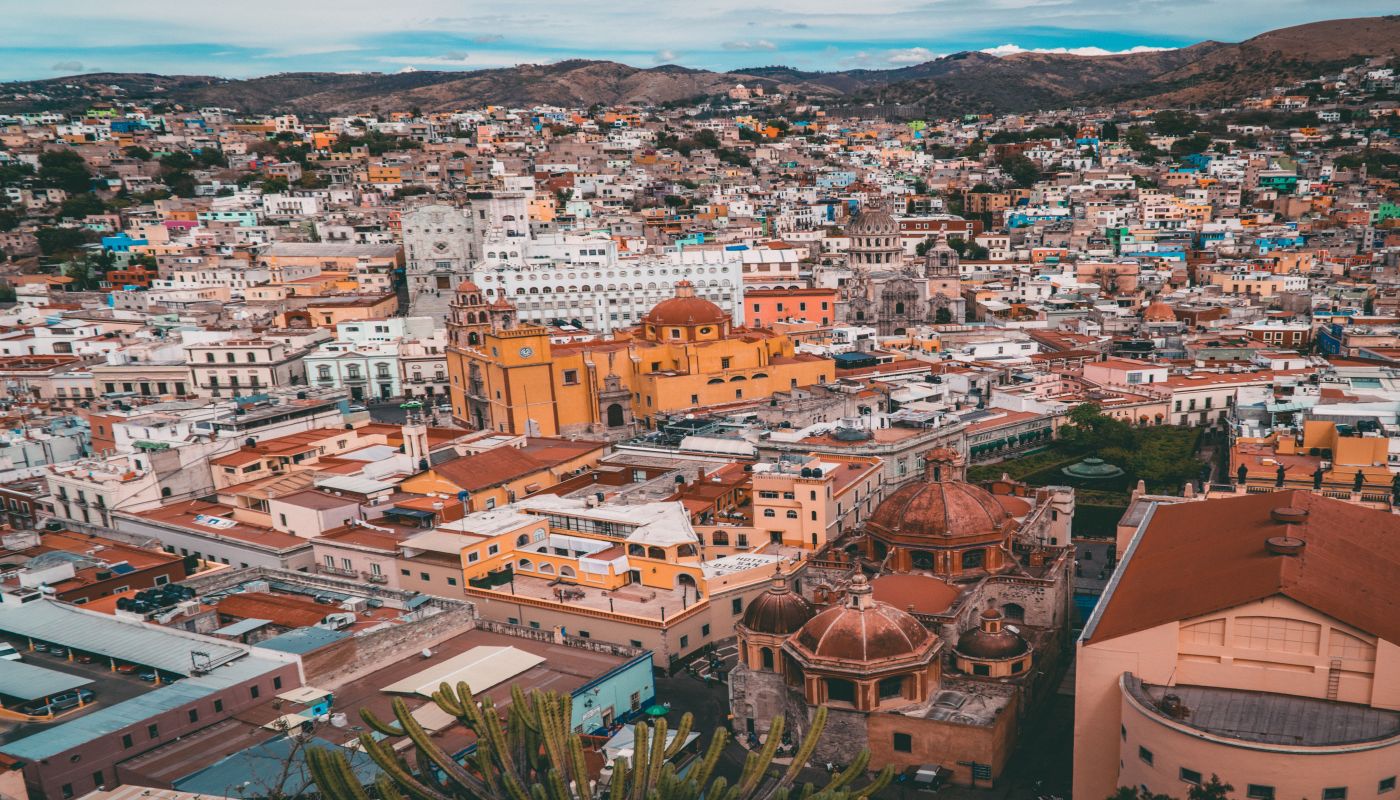
Landscape of Mexico
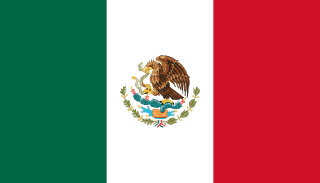
Flag of Mexico

Mexico

North America

Mexico is a large and diverse country located in North America, known for its rich culture, history, and cuisine. With a population of over 126 million people, Mexico is the most populous Spanish-speaking country in the world. The country's economy is based on services, manufacturing, and natural resources, and it is one of the largest economies in Latin America.

What would you like to learn about in Mexico?

Select a section to explore the country where nonprofits are creating positive change.

About Mexico

The site of several advanced Amerindian civilizations - including the Olmec, Toltec, Teotihuacan, Zapotec, Maya, and Aztec - Mexico was conquered and colonized by Spain in the early 16th century. Administered as the Viceroyalty of New Spain for three centuries, it achieved its independence early in the 19th century. The global financial crisis beginning in late 2008 caused a massive economic downturn the following year, although growth returned quickly in 2010. Ongoing economic and social concerns include low real wages, underemployment for a large segment of the population, inequitable income distribution, and few advancement opportunities for the largely indigenous population in the impoverished southern states. The elections held in 2000 marked the first time since the 1910 Mexican Revolution that an opposition candidate - Vicente FOX of the National Action Party (PAN) - defeated the party in government, the Institutional Revolutionary Party (PRI). He was succeeded in 2006 by another PAN candidate Felipe CALDERON, but the PRI regained the presidency in 2012. Since 2007, Mexico's powerful drug-trafficking organizations have engaged in bloody feuding, resulting in tens of thousands of drug-related homicides.

Quick Facts

Population
116,220,947 (July 2013 est.)
Area
1,964,375 sq km
ISO Code
MX
Continent
North America
Government
federal republic
Active Causes
12
View all countries in North America

Geography & Environment

Climate

varies from tropical to desert

Terrain

high, rugged mountains; low coastal plains; high plateaus; desert

Natural Resources

petroleum, silver, copper, gold, lead, zinc, natural gas, timber

Environmental Issues

scarcity of hazardous waste disposal facilities; rural to urban migration; natural freshwater resources scarce and polluted in north, inaccessible and poor quality in center and extreme southeast; raw...

People & Society

76.86 years
Avg. Life Expectancy
93.5%
Literacy Rate
78% of total population (2010)
Total Urban Population

Languages

Spanish only 92.7%, Spanish and indigenous languages 5.7%, indigenous only 0.8%, unspecified 0.8%

Religions

Roman Catholic 82.7%, Protestant 1.6%, Jehovah's Witnesses 1.4%, other Evangelical Churches 5%, other 1.9%, none 4.7%, unspecified 2.7% (2000 census)

Health Expenditure

6.3% of GDP (2010) of GDP

Education Expenditure

5.3% of GDP (2009) of GDP

Economy

$15,600
GDP per Capita (PPP)
5%
Unemployment Rate
51.3%
Below Poverty Line

Economic Overview

Mexico has a free market economy in the trillion dollar class. It contains a mixture of modern and outmoded industry and agriculture, increasingly dominated by the private sector. Recent administrations have expanded competition in seaports, railroads, telecommunications, electricity generation, natural gas distribution, and airports. Per capita income is roughly one-third that of the US; income distribution remains highly unequal. Since the implementation of the North American Free Trade Agreement (NAFTA) in 1994, Mexico's share of US imports has increased from 7% to 12%, and its share of Can...

Causes in Mexico

Environment

Mexico, a country known for its rich biodiversity and varied landscapes, is facing significant environmental challenges that impact its people and natural resources. Deforestation, water scarcity, pollution, and climate change are among the key issues affecting Mexico's environment. Deforestation, driven by agriculture, urbanization, and illegal logging, threatens the country's forests and wildlife habitats. Water scarcity is a growing concern due to overexploitation of water resources, pollution, and inadequate infrastructure for water management. Pollution from industrial activities, vehicle emissions, and waste disposal poses risks to public health and ecosystems. Climate change exacerbates these challenges, leading to more frequent extreme weather events such as hurricanes and droughts. Addressing these environmental issues is crucial to safeguarding Mexico's natural heritage and ensuring the well-being of its population.

Human Rights

Mexico faces significant human rights challenges that impact its population. Issues such as violence against journalists and human rights defenders, forced disappearances, and impunity for crimes committed by state actors are prevalent in the country. The lack of access to justice and widespread corruption within law enforcement agencies further exacerbate these problems. Indigenous communities in Mexico also face systemic discrimination and violations of their land and cultural rights. Addressing these human rights issues is crucial for creating a more just and equitable society in Mexico.

Education

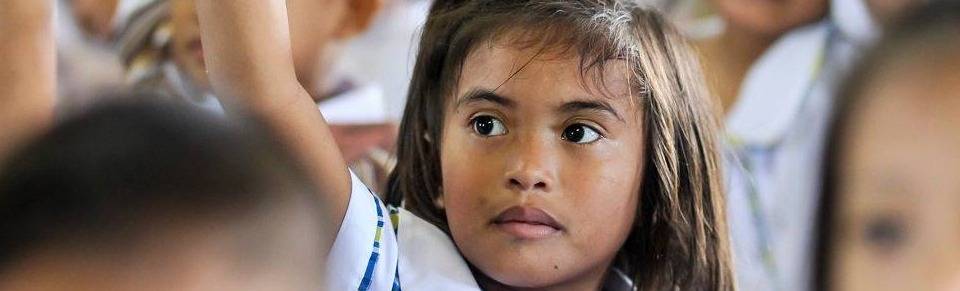
In Mexico, the state of education has a profound impact on its population and overall development. Despite efforts to improve educational outcomes, disparities persist, particularly in rural and marginalized communities. Limited access to quality education perpetuates cycles of poverty and inequality, hindering social mobility and economic progress. Inadequate infrastructure, insufficient resources, and a lack of trained teachers contribute to the challenges faced by the Mexican education system. Addressing these issues through targeted interventions and investment in education is crucial for fostering a more equitable society and unlocking the full potential of Mexico's human capital.

Poverty

Poverty is a critical issue with profound implications for Mexico, affecting a significant portion of its population. In 2021, an estimated 41.9% of Mexicans were living in poverty, according to the National Council for the Evaluation of Social Development Policy (CONEVAL). This pervasive poverty stems from various factors, including economic instability, unequal distribution of wealth, and limited access to education and healthcare. The consequences of poverty in Mexico are far-reaching, leading to malnutrition, inadequate housing conditions, limited job opportunities, and overall socio-economic disparities. Addressing poverty in Mexico is crucial for sustainable development and improving the well-being of its people.

Religion

Religion plays a significant role in shaping the cultural landscape of Mexico. With a predominantly Catholic population, religion permeates various aspects of Mexican society, influencing traditions, values, and social norms. The strong influence of Catholicism in Mexico can be traced back to the country's colonial history when Spanish missionaries introduced the faith to indigenous populations. Today, religious practices and beliefs continue to hold a central place in Mexican life, with religious festivals, pilgrimages, and rituals playing an integral part in the cultural fabric of the nation. However, it is important to note that Mexico is a diverse country with a rich tapestry of religious beliefs, including Protestantism, indigenous spiritual practices, and atheism, reflecting the country's pluralistic society.

Clean Water

Clean water is a critical issue in Mexico, where access to safe and potable water remains a significant challenge. The lack of clean water has profound consequences on public health, leading to a range of waterborne diseases such as cholera, typhoid, and hepatitis A. Additionally, inadequate access to clean water hampers agricultural productivity, perpetuates poverty, and exacerbates social inequalities in the country. Mexico's water sources are also under threat from pollution, over-extraction, and climate change, further compounding the challenges faced in ensuring a sustainable supply of clean water for its population. Addressing these issues requires concerted efforts in infrastructure development, water resource management, and community education to safeguard the health and well-being of all Mexican citizens.

Economy

Mexico is a country deeply impacted by its economy, with various factors shaping its financial landscape. The nation's economy is heavily reliant on exports, particularly in the automotive, electronics, and oil industries. Economic stability in Mexico is crucial for its citizens' livelihoods, as high levels of poverty and income inequality persist. The country faces challenges such as corruption, crime, and political uncertainty, which can hinder economic growth and development. Moreover, Mexico's economy is vulnerable to external factors such as fluctuations in global commodity prices and trade policies. Understanding the complexities of Mexico's economy is essential for addressing the country's socio-economic issues and fostering sustainable growth.

Government

Mexico is a country deeply influenced by its government, which plays a significant role in shaping the nation's socioeconomic landscape. The Mexican government's policies and decisions impact various aspects of the country, such as economic stability, social welfare programs, infrastructure development, and environmental conservation efforts. For instance, governmental corruption has been a persistent issue in Mexico, hindering progress and development in many areas. Additionally, political instability and violence have posed challenges to the nation's growth and prosperity. By understanding the complexities of the Mexican government and its impact on society, individuals can gain insight into the country's current challenges and opportunities for improvement. Source: - Transparency International Mexico: https://www.transparency.org/en/countries/mexico

Health

Mexico faces significant health challenges that impact its population's well-being and development. The country grapples with high rates of obesity, diabetes, and other non-communicable diseases, attributed to poor diet, sedentary lifestyles, and limited access to healthcare services. Additionally, infectious diseases such as tuberculosis and HIV/AIDS remain prevalent in certain regions, further straining the healthcare system. Socioeconomic disparities exacerbate health inequalities, with marginalized communities facing barriers to adequate healthcare and health education. Addressing these health issues requires a comprehensive approach that encompasses preventive measures, improved healthcare infrastructure, and increased access to quality healthcare services for all Mexican citizens.

Children

Mexico is a country facing several challenges in ensuring the well-being of its children. With approximately 40% of the population living below the poverty line, many children lack access to adequate healthcare, education, and nutrition. These factors contribute to high rates of malnutrition, limited educational opportunities, and inadequate healthcare services, leading to long-term negative impacts on their physical and cognitive development. Moreover, issues such as child labor, child trafficking, and violence further jeopardize the safety and well-being of Mexican children. Addressing these complex issues requires a multi-faceted approach that involves government policies, community initiatives, and international collaboration to ensure the protection and rights of all children in Mexico.

Family

In Mexico, family plays a central role in shaping societal norms, values, and traditions. The concept of family extends beyond the nuclear unit to include extended family members, creating a strong sense of interconnectedness and support within communities. Familial relationships are highly valued, with family gatherings and celebrations serving as important occasions for bonding and maintaining close ties. The influence of family is particularly significant in decision-making processes, as familial opinions and considerations often hold weight in both personal and professional matters. Moreover, the emphasis on family in Mexico has a profound impact on individual identity and social cohesion, fostering a sense of belonging and solidarity within the broader community.

Animals

Mexico, a country rich in biodiversity, is home to a diverse array of animals, many of which hold significant cultural and ecological importance. The impact of animals in Mexico is profound, with various species playing key roles in maintaining the delicate balance of ecosystems and contributing to the nation's cultural heritage. Animals like the jaguar, sea turtle, and monarch butterfly are not only symbols of Mexico's natural beauty but also serve as indicators of the health of its ecosystems. However, these iconic species are facing threats such as habitat loss, pollution, and climate change, putting them at risk of extinction. Conservation efforts are crucial to safeguarding Mexico's unique wildlife and preserving its natural heritage for future generations.

Nonprofits Working in Mexico

Discover organizations making a difference in Mexico

Make Your Impact Today

Discover causes you care about and support the nonprofits making a difference in communities around the world.

Are you a nonprofit? Join Project World Impact for free

Join Us Free