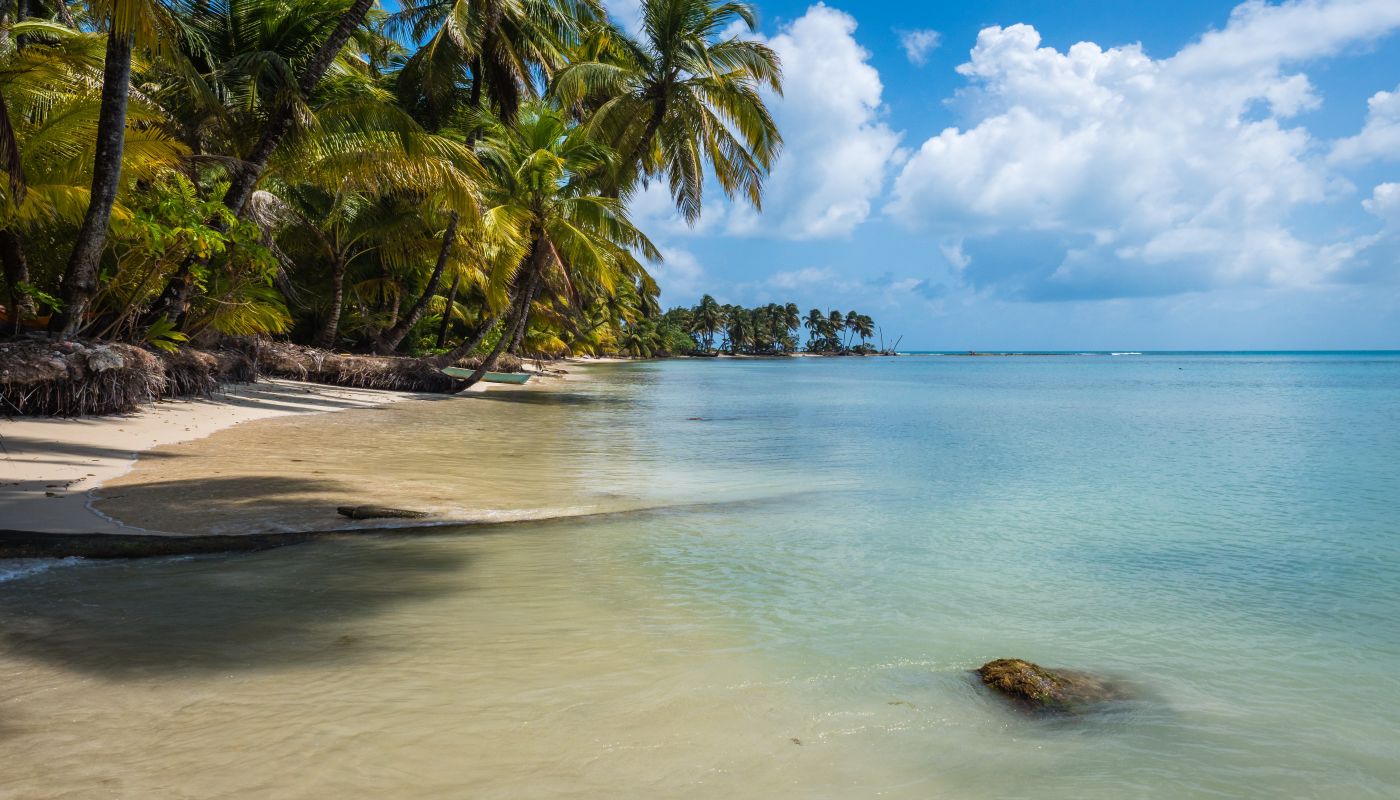
Landscape of Nicaragua
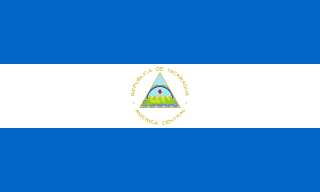
Flag of Nicaragua

Nicaragua

North America

Nicaragua is a beautiful and culturally rich country located in Central America, known for its stunning beaches, volcanoes, and vibrant culture. With a population of over 6 million people, Nicaragua is a developing country that has faced numerous challenges in recent years, including political instability and natural disasters. Despite these challenges, the country has made progress in areas such as healthcare, education, and infrastructure. The country's economy is based on agriculture, mining, and tourism, and it has a rich cultural heritage influenced by Indigenous, African, and Spanish cultures.

What would you like to learn about in Nicaragua?

Select a section to explore the country where nonprofits are creating positive change.

About Nicaragua

The Pacific coast of Nicaragua was settled as a Spanish colony from Panama in the early 16th century. Independence from Spain was declared in 1821 and the country became an independent republic in 1838. Britain occupied the Caribbean Coast in the first half of the 19th century, but gradually ceded control of the region in subsequent decades. Violent opposition to governmental manipulation and corruption spread to all classes by 1978 and resulted in a short-lived civil war that brought the Marxist Sandinista guerrillas to power in 1979. Nicaraguan aid to leftist rebels in El Salvador caused the US to sponsor anti-Sandinista contra guerrillas through much of the 1980s. After losing free and fair elections in 1990, 1996, and 2001, former Sandinista President Daniel ORTEGA Saavedra was elected president in 2006 and reelected in 2011. The 2008 municipal elections, 2010 regional elections, November 2011 presidential elections, and 2012 municipal elections were marred by widespread irregularities. Nicaragua's infrastructure and economy - hard hit by the earlier civil war and by Hurricane Mitch in 1998 - are slowly being rebuilt, but democratic institutions have been weakened under the ORTEGA administration.

Quick Facts

Population
5,788,531 (July 2013 est.)
Area
130,370 sq km
ISO Code
NI
Continent
North America
Government
republic
Active Causes
12
View all countries in North America

Geography & Environment

Climate

tropical in lowlands, cooler in highlands

Terrain

extensive Atlantic coastal plains rising to central interior mountains; narrow Pacific coastal plain interrupted by volcanoes

Natural Resources

gold, silver, copper, tungsten, lead, zinc, timber, fish

Environmental Issues

deforestation; soil erosion; water pollution

People & Society

72.45 years
Avg. Life Expectancy
78%
Literacy Rate
57% of total population (2010)
Total Urban Population

Languages

Spanish (official) 97.5%, Miskito 1.7%, other 0.8% (1995 census)

Religions

Roman Catholic 58.5%, Protestant 23.2% (Evangelical 21.6%, Moravian 1.6%), Jehovah's Witnesses 0.9%, other 1.7%, none 15.7% (2005 census)

Health Expenditure

9.1% of GDP (2010) of GDP

Education Expenditure

4.7% of GDP (2010) of GDP

Economy

$4,500
GDP per Capita (PPP)
7.4%
Unemployment Rate
42.5% (2009)
Below Poverty Line

Economic Overview

Nicaragua, the poorest country in Central America and the second poorest in the Western Hemisphere, has widespread underemployment and poverty. The Dominican Republic-Central America-United States Free Trade Agreement (CAFTA-DR) has been in effect since April 2006 and has expanded export opportunities for many agricultural and manufactured goods. Textiles and agriculture combined account for nearly 50% of Nicaragua's exports. The ORTEGA administration's promotion of mixed business initiatives, owned by the Nicaraguan and Venezuelan state oil firms, together with the weak rule of law, could und...

Causes in Nicaragua

Environment

Nicaragua, a country known for its rich biodiversity and stunning landscapes, faces numerous environmental challenges that significantly impact its population and economy. Deforestation, soil erosion, water pollution, and loss of biodiversity are some of the key issues exacerbated by climate change and unsustainable land use practices in Nicaragua. The country's heavy reliance on agriculture, coupled with limited resources for conservation efforts, has further increased the vulnerability of its ecosystems. These environmental concerns not only threaten the natural habitats and wildlife of Nicaragua but also have direct implications on the livelihoods of its people, especially those in rural areas who depend on natural resources for their sustenance. Addressing these environmental challenges through sustainable practices and conservation efforts is crucial to ensure a healthy and prosperous future for Nicaragua and its residents.

Family

In Nicaragua, family plays a central role in shaping the social fabric and cultural identity of its people. The concept of family extends beyond the nuclear unit to include extended family members, creating strong networks of support and solidarity. Families in Nicaragua often rely on each other for emotional, financial, and practical assistance, particularly in times of need or crisis. This close-knit family structure fosters a sense of belonging and continuity, preserving traditions and values that are passed down through generations. Moreover, the emphasis on family ties reinforces the importance of collective well-being over individual success, promoting a sense of community and interdependence among Nicaraguans.

Human Rights

Nicaragua, a Central American country with a population of over six million, has been grappling with significant human rights challenges in recent years. The government's crackdown on dissent and civil liberties has led to widespread protests, violence, and political unrest. Human rights violations, including arbitrary arrests, censorship, and suppression of freedom of speech, have become prevalent, impacting the lives of Nicaraguans and stifling their ability to express themselves freely. The lack of respect for human rights in Nicaragua has drawn international concern, with organizations such as Amnesty International and Human Rights Watch documenting and condemning the abuses. As awareness grows about the situation in Nicaragua, it is crucial to advocate for the protection of human rights and the promotion of democracy in the country.

Education

In Nicaragua, access to quality education remains a significant challenge that profoundly impacts the nation's development. With roughly a third of the population living below the poverty line, many children lack access to basic education, perpetuating a cycle of poverty and limiting their opportunities for social mobility. The educational system in Nicaragua faces issues such as inadequate infrastructure, teacher shortages, and low educational attainment rates. These challenges hinder the country's ability to foster a skilled workforce and compete in the global economy. Improving education in Nicaragua is crucial for breaking the cycle of poverty, empowering individuals, and driving sustainable development in the country.

Poverty

Nicaragua, a country in Central America, grapples with significant challenges stemming from persistent poverty. The impact of poverty in Nicaragua is widespread, affecting various aspects of life for its citizens. With over 24% of the population living below the national poverty line, access to basic necessities such as healthcare, education, and clean water remains limited. Poverty exacerbates issues of malnutrition, infant mortality, and inadequate sanitation facilities, leading to a cycle of poor health outcomes. Furthermore, economic disparities contribute to social unrest and political instability, hindering the country's overall development. Addressing poverty in Nicaragua requires comprehensive strategies that prioritize sustainable economic growth, social welfare programs, and equitable distribution of resources. By raising awareness about the multifaceted impact of poverty in Nicaragua, we can support initiatives aimed at alleviating the hardships faced by its population.

Religion

Religion in Nicaragua plays a significant role in shaping the social and cultural fabric of the country. The majority of Nicaraguans identify as Roman Catholic, with a sizeable Protestant minority. The influence of religion is evident in various aspects of Nicaraguan life, from family values to political ideologies. Religious institutions often serve as centers for community gatherings and provide support networks for individuals in need. However, there have been instances where religious beliefs have fueled tensions and conflicts within the country, particularly concerning issues such as reproductive rights and gender equality. Understanding the complexities of religion in Nicaragua is crucial for fostering dialogue and promoting tolerance among its diverse population.

Clean Water

Nicaragua, a Central American nation, faces significant challenges in accessing clean water. The lack of proper sanitation infrastructure and pollution from agricultural activities has led to water contamination, resulting in waterborne diseases like cholera and typhoid fever. In rural areas, where a large portion of the population resides, access to safe drinking water is particularly limited. This scarcity not only affects public health but also hampers economic development and perpetuates the cycle of poverty in the country. Investment in clean water initiatives, such as building water purification systems and improving sanitation facilities, is crucial to improving the overall well-being of Nicaraguans and fostering sustainable development in the region.

Economy

Nicaragua, a Central American country with a population of approximately 6.8 million, faces numerous economic challenges that significantly impact its citizens. The economy of Nicaragua heavily relies on agriculture, specifically coffee, sugar, and bananas, making it vulnerable to fluctuations in global commodity prices. Political instability, corruption, and inadequate infrastructure further hinder economic growth and development in the country. The lack of diversified industries and limited access to education and healthcare also contribute to the ongoing economic struggles faced by many Nicaraguans. Addressing these issues is crucial to improving the standard of living and overall well-being of the population in Nicaragua.

Government

Nicaragua, a country located in Central America, has been deeply impacted by its government in recent years. The government of Nicaragua, led by President Daniel Ortega, has faced criticism for cracking down on political dissent, restricting freedom of speech, and undermining democratic institutions. These actions have led to widespread protests and unrest in the country, resulting in human rights violations and a deteriorating economic situation. The government's policies have also had a significant impact on the environment, with deforestation and environmental degradation posing serious challenges to the country's long-term sustainability. It is crucial to raise awareness about the situation in Nicaragua and advocate for respect for human rights, democracy, and environmental protection in the country.

Health

Nicaragua, a country in Central America, faces numerous health challenges that significantly impact its population. High rates of poverty, limited access to healthcare services, and inadequate sanitation contribute to a range of health issues in the country. Malnutrition is a prevalent concern, particularly among children, leading to stunted growth and developmental delays. Infectious diseases such as malaria, dengue fever, and chikungunya pose significant threats to public health due to poor sanitation and limited access to clean water. Additionally, maternal and infant mortality rates remain high due to insufficient maternal healthcare resources. Addressing these health issues in Nicaragua requires improved access to healthcare services, better sanitation infrastructure, and increased awareness of preventative measures among the population.

Children

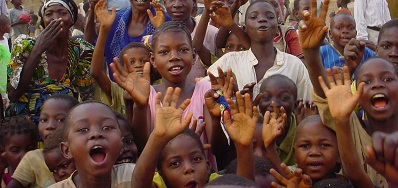
Nicaragua, a Central American country marked by its rich cultural heritage and diverse ecosystems, faces numerous challenges that impact its children. High levels of poverty, limited access to education and healthcare, as well as exposure to natural disasters, all contribute to the vulnerable situation faced by many Nicaraguan children. According to UNICEF, about 40% of children under the age of 5 in Nicaragua suffer from malnutrition, affecting their physical and cognitive development. Furthermore, the prevalence of child labor in sectors such as agriculture and informal markets deprives many children of their right to education and exposes them to exploitation and hazardous working conditions. The lack of adequate social protection programs exacerbates the vulnerability of Nicaraguan children, leaving them at risk of experiencing violations of their rights. By raising awareness about these issues and supporting initiatives that aim to improve the well-being of children in Nicaragua, we can work towards creating a better future for the next generation.

Animals

Nicaragua, a country known for its rich biodiversity, is home to a diverse array of animal species that play crucial roles in maintaining the ecological balance of its ecosystems. From the iconic jaguars and sea turtles to the myriad bird species and unique amphibians, animals in Nicaragua face numerous threats due to habitat destruction, climate change, pollution, and illegal wildlife trade. The loss of these animals not only disrupts the delicate balance of nature but also impacts local communities that depend on them for resources and ecotourism opportunities. Conservation efforts are vital to protect Nicaragua's wildlife and preserve its natural heritage for future generations.

Nonprofits Working in Nicaragua

Discover organizations making a difference in Nicaragua

NPH USA

NPH USA

NPH USA transforms the lives of orphaned, abandoned and disadvantaged children in Latin America and the Caribbean by supporting the homes, healthcare and educational programs of Nuestros Pequeños Hermanos (NPH, Spanish for "Our Little Brothers and Sisters"). Together, we create families for life and teach children the values of unconditional love, shared responsibility and helping others. Our donors help children overcome poverty and become leaders in their own communities. Since its founding in 1954, NPH has assisted more than 20,000 children and is currently raising more than 3,400 boys and girls in Bolivia, the Dominican Republic, El Salvador, Guatemala, Haiti, Honduras, Mexico, Nicaragua and Peru. An additional 1,600 students who live outside the homes receive scholarships, meals and health care. NPH outreach programs provided over 95,000 services in 2014.

Chicago, Illinois

Make Your Impact Today

Discover causes you care about and support the nonprofits making a difference in communities around the world.

Are you a nonprofit? Join Project World Impact for free

Join Us Free