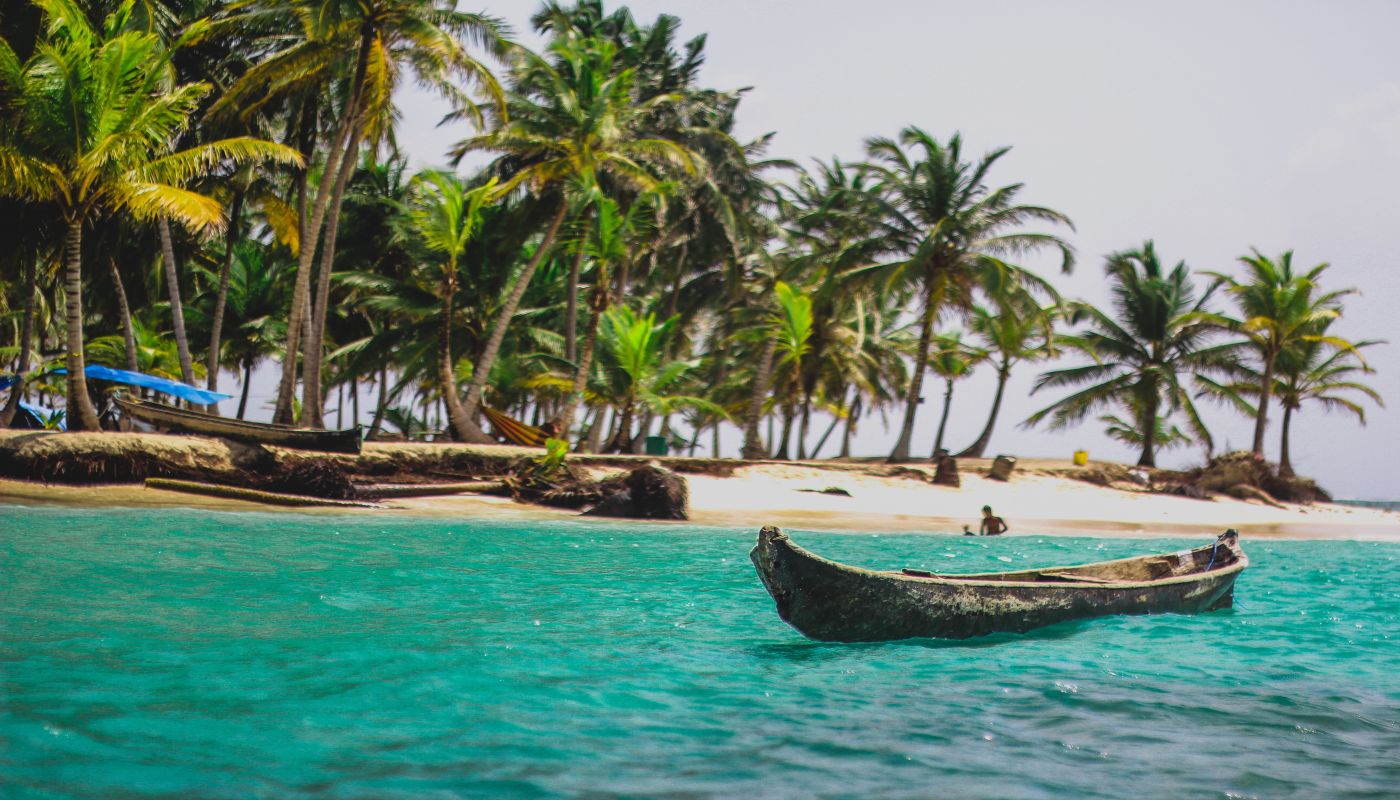
Landscape of Panama
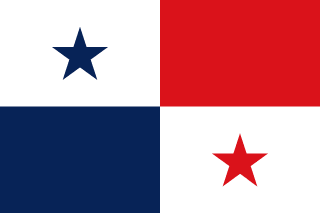
Flag of Panama

Panama

North America

Panama is located in Central America, known for its stunning beaches, vibrant culture, and famous canal. With a population of just over 4 million people, Panama has a highly developed economy that is based on services, manufacturing, and logistics. However, Panama faces challenges related to corruption, income inequality, and environmental degradation. The country's canal, a vital transportation route between the Atlantic and Pacific Oceans, also faces competition from other transportation methods.

What would you like to learn about in Panama?

Select a section to explore the country where nonprofits are creating positive change.

About Panama

Explored and settled by the Spanish in the 16th century, Panama broke with Spain in 1821 and joined a union of Colombia, Ecuador, and Venezuela - named the Republic of Gran Colombia. When the latter dissolved in 1830, Panama remained part of Colombia. With US backing, Panama seceded from Colombia in 1903 and promptly signed a treaty with the US allowing for the construction of a canal and US sovereignty over a strip of land on either side of the structure (the Panama Canal Zone). The Panama Canal was built by the US Army Corps of Engineers between 1904 and 1914. In 1977, an agreement was signed for the complete transfer of the Canal from the US to Panama by the end of the century. Certain portions of the Zone and increasing responsibility over the Canal were turned over in the subsequent decades. With US help, dictator Manuel NORIEGA was deposed in 1989. The entire Panama Canal, the area supporting the Canal, and remaining US military bases were transferred to Panama by the end of 1999. In October 2006, Panamanians approved an ambitious plan (estimated to cost $5.3 billion) to expand the Canal. The project, which began in 2007 and could double the Canal's capacity, is expected to be completed in 2015.

Quick Facts

Population
3,559,408 (July 2013 est.)
Area
75,420 sq km
ISO Code
PA
Continent
North America
Government
constitutional democracy
Active Causes
12
View all countries in North America

Geography & Environment

Climate

tropical maritime; hot, humid, cloudy; prolonged rainy season (May to January), short dry season (January to May)

Terrain

interior mostly steep, rugged mountains and dissected, upland plains; coastal areas largely plains and rolling hills

Natural Resources

copper, mahogany forests, shrimp, hydropower

Environmental Issues

water pollution from agricultural runoff threatens fishery resources; deforestation of tropical rain forest; land degradation and soil erosion threatens siltation of Panama Canal; air pollution in urb...

People & Society

78.13 years
Avg. Life Expectancy
94.1%
Literacy Rate
75% of total population (2010)
Total Urban Population

Languages

Spanish (official), English 14%

Religions

Roman Catholic 85%, Protestant 15%

Health Expenditure

8.1% of GDP (2010) of GDP

Education Expenditure

4.1% of GDP (2011) of GDP

Economy

$15,900
GDP per Capita (PPP)
4.4%
Unemployment Rate
26% (2012 est.)
Below Poverty Line

Economic Overview

Panama's dollar-based economy rests primarily on a well-developed services sector that accounts for more than three-quarters of GDP. Services include operating the Panama Canal, logistics, banking, the Colon Free Zone, insurance, container ports, flagship registry, and tourism. Economic growth will be bolstered by the Panama Canal expansion project that began in 2007 and is estimated to be completed by 2015 at a cost of $5.3 billion - about 10-15% of current GDP. The expansion project will more than double the Canal's capacity, enabling it to accommodate ships that are too large to traverse th...

Causes in Panama

Environment

Panama, a country known for its rich biodiversity and diverse ecosystems, faces significant environmental challenges that impact its people and resources. Deforestation, pollution, and climate change threaten the country's natural habitats, wildlife, and water sources. The destruction of forests for agriculture and urbanization not only diminishes the country's natural beauty but also contributes to soil erosion and loss of biodiversity. Pollution from agricultural runoff and industrial activities further degrades Panama's water quality, affecting both aquatic life and human health. Additionally, the effects of climate change, such as rising sea levels and more frequent extreme weather events, pose a threat to vulnerable communities along the coast. Addressing these environmental issues is crucial to safeguarding Panama's unique ecosystems and ensuring a sustainable future for its inhabitants.

Family

In Panama, family plays a vital role in shaping the social fabric of the society. The concept of family extends beyond just immediate relatives to include extended family members, creating a strong network of support and solidarity. Families in Panama often serve as the primary source of emotional, financial, and social support for individuals, fostering close-knit relationships and a sense of belonging. Family values such as respect for elders, loyalty, and togetherness are deeply ingrained in Panamanian culture, influencing decision-making processes and providing a sense of stability. However, economic challenges, urbanization, and modernization have led to changes in family dynamics, with some households facing issues such as separation due to migration for work opportunities or generational differences in values and beliefs. Despite these challenges, the importance of family remains a cornerstone of Panamanian society, contributing to the overall well-being and resilience of its people.

Human Rights

Human rights in Panama have seen both progress and challenges. Despite efforts to promote and protect human rights, issues such as discrimination against indigenous populations, gender-based violence, and limited access to education and healthcare continue to persist. The country has made strides in recent years with the establishment of the National Human Rights Institution and the implementation of various laws and policies to address these issues. However, there is still work to be done to ensure that all Panamanians enjoy their fundamental rights and freedoms. By raising awareness about these challenges, we can contribute to creating a more just and inclusive society in Panama.

Education

Education plays a crucial role in shaping the future of Panama, a country located in Central America. Despite making significant progress in recent years, Panama still faces challenges in its education system, particularly in terms of accessibility and quality. A growing concern is the disparity between urban and rural areas, with rural communities often having limited access to proper educational resources. This discrepancy further exacerbates social and economic inequalities within the nation. To address these issues, the Panamanian government has been implementing reforms aimed at improving educational standards and increasing enrollment rates. By investing in education, Panama not only nurtures its human capital but also fosters economic development and social cohesion.

Poverty

Poverty remains a significant challenge in Panama, despite recent economic growth. Approximately 19% of the population lives below the national poverty line, with indigenous communities and rural areas disproportionately affected. The lack of access to basic services such as education and healthcare perpetuates the cycle of poverty in these regions. High levels of income inequality exacerbate the issue, with the wealthiest 10% of the population holding over 40% of the country's wealth. The impact of poverty in Panama is far-reaching, contributing to social exclusion, limited opportunities for upward mobility, and poor living conditions for many Panamanians. Addressing these systemic issues requires comprehensive strategies that promote inclusive growth, equitable access to resources, and social protection programs for the most vulnerable populations.

Religion

Religion holds significant influence in the cultural fabric of Panama. The country's population predominantly identifies as Roman Catholic, with approximately 75% of Panamanians adhering to this faith. The Catholic Church has historically played a central role in shaping social and political dynamics within the nation. Despite this predominant affiliation, Panama also boasts a diverse religious landscape, with notable communities of Protestants, Muslims, and indigenous spiritual beliefs. Religious practices and traditions are deeply interwoven into various aspects of Panamanian life, from holidays and festivals to family structures and ethical norms. The presence of religious institutions in Panama underscores the country's commitment to spiritual values and moral principles, contributing to a collective sense of identity and unity among its citizens.

Clean Water

Panama, located in Central America, faces significant challenges related to access to clean water. The country's water sources are threatened by pollution from agricultural runoff, industrial activities, and inadequate sewage systems. Lack of access to clean water contributes to a range of health issues in Panama, including waterborne diseases such as cholera and diarrhea. Furthermore, the scarcity of clean water hinders agricultural productivity and economic development in the country. Addressing the issue of clean water is crucial for ensuring the well-being of Panama's population and fostering sustainable growth in the region.

Economy

Panama, a Central American country known for its strategic location connecting North and South America, has a rapidly growing economy driven by sectors such as banking, commerce, and logistics. The country's economy heavily relies on the Panama Canal, one of the world's most important waterways facilitating global trade. Despite its economic growth, Panama faces challenges of income inequality and poverty, particularly in rural areas where access to basic services and infrastructure remains limited. The nation's economy is vulnerable to external factors such as fluctuations in global trade and commodity prices. Efforts to diversify the economy beyond the canal and promote sustainable development are crucial for Panama to address these challenges and ensure long-term economic stability.

Government

Panama, situated in Central America, is a country with a diverse and thriving economy largely driven by its strategic geographic location and the Panama Canal. The government of Panama plays a crucial role in shaping the country's socio-economic landscape through policies that impact various sectors such as finance, trade, and infrastructure. One significant way in which the government affects its citizens is through taxation policies that can influence business investment and individual financial well-being. Moreover, government initiatives in areas like education, healthcare, and social welfare can have a direct impact on the quality of life for Panamanian residents. By understanding the intricate relationship between the government and its people, we can appreciate the importance of informed civic engagement to ensure sustainable development and social progress in Panama.

Health

Panama, a Central American country known for its vibrant culture and biodiversity, faces several health challenges that impact its population. One major issue is the unequal distribution of healthcare services, with rural areas often lacking access to quality medical care. This disparity has led to higher rates of preventable diseases and maternal mortality in these regions. Additionally, Panama struggles with a high prevalence of chronic diseases such as diabetes and cardiovascular conditions, which are linked to lifestyle factors like diet and physical inactivity. The country's healthcare system also faces strains due to an aging population and limited resources. Addressing these health concerns is crucial to improving the overall well-being of Panama's citizens and ensuring a healthier future for generations to come.

Children

Panama, a Central American country, faces various challenges that impact its children. Poverty remains a significant issue, with approximately 19% of the population living below the poverty line, according to the World Bank. Children living in poverty often lack access to adequate healthcare, education, and nutrition, hindering their overall development and well-being. Furthermore, Panama struggles with high rates of child labor, particularly in rural areas and indigenous communities. Child labor deprives children of their right to education and exposes them to hazardous working conditions. Addressing these issues requires a multi-faceted approach involving government policies, community support, and international cooperation to ensure that every child in Panama has the opportunity to thrive and reach their full potential.

Animals

Panama, a biodiverse country located in Central America, is home to a wide variety of animal species that play crucial roles in its ecosystems. The rich wildlife of Panama includes iconic animals such as jaguars, sloths, and toucans, among many others. These animals contribute to the balance of the ecosystem by regulating populations of prey species, dispersing seeds, and maintaining the overall health of their habitats. However, Panama's wildlife faces numerous threats, including habitat loss due to deforestation, illegal wildlife trafficking, and human-wildlife conflicts. Conservation efforts are essential to protect these animals and preserve the country's natural heritage for future generations.

Nonprofits Working in Panama

Discover organizations making a difference in Panama

Make Your Impact Today

Discover causes you care about and support the nonprofits making a difference in communities around the world.

Are you a nonprofit? Join Project World Impact for free

Join Us Free