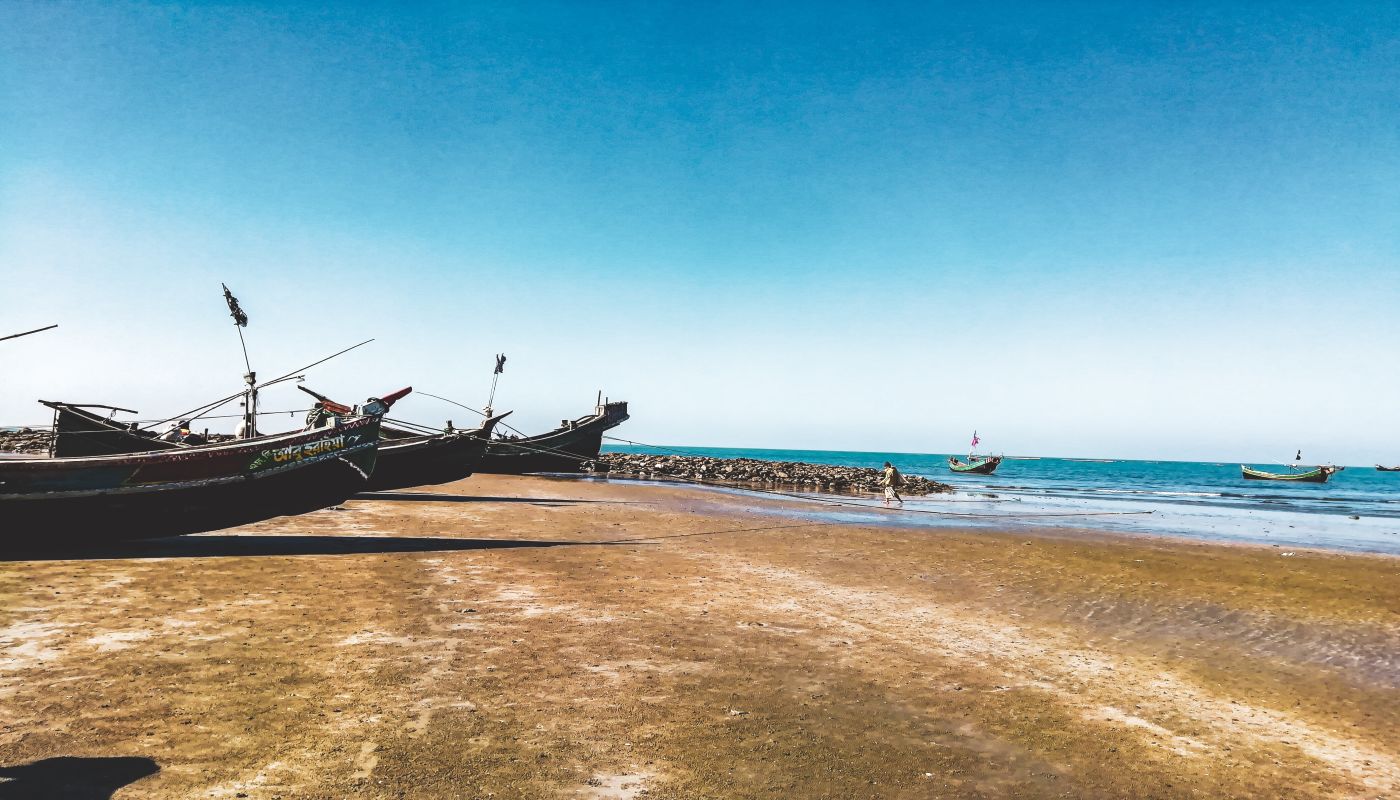
Landscape of Saint-Martin
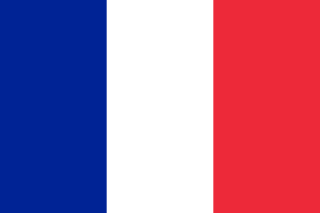
Flag of Saint-Martin

Saint-Martin

North America

Saint-Martin is a small island in the Caribbean, with a population of around 40,000 people. The island is split between two countries: France and the Netherlands. Despite challenges related to natural disasters and economic inequality, Saint-Martin has a thriving tourism industry and a strong sense of community. Efforts to address the island's economic and environmental challenges are ongoing, with a focus on sustainable development and community engagement.

What would you like to learn about in Saint-Martin?

Select a section to explore the country where nonprofits are creating positive change.

About Saint-Martin

Saint-Martin is a small island in the Caribbean, with a population of around 40,000 people. The island is split between two countries: France and the Netherlands. Despite challenges related to natural disasters and economic inequality, Saint-Martin has a thriving tourism industry and a strong sense of community. Efforts to address the island's economic and environmental challenges are ongoing, with a focus on sustainable development and community engagement.

Causes in Saint-Martin

Environment

Saint-Martin, a small island in the Caribbean, faces significant environmental challenges that have a profound impact on its population and ecosystems. Being a popular tourist destination, the island experiences issues such as beach erosion, coral reef degradation, and habitat loss due to commercial development and climate change. These environmental threats not only endanger the natural beauty of Saint-Martin but also disrupt the livelihoods of local communities who rely on tourism and fishing for their income. Additionally, the increased frequency of extreme weather events, such as hurricanes, further exacerbates these issues, putting the island's infrastructure and inhabitants at risk. It is crucial for stakeholders to come together to implement sustainable practices and conservation efforts to protect Saint-Martin's environment for future generations.

Family

Saint-Martin, a small island in the Caribbean, faces various social issues, with family dynamics playing a crucial role in shaping the lives of its residents. The island's unique blend of French and Dutch cultures has influenced the family structures and values prevalent in the society. Family is considered the cornerstone of Saint-Martin's community, with strong emphasis placed on familial ties and support systems. However, economic challenges, high rates of unemployment, and limited access to quality education and healthcare services have strained many families on the island. These factors often lead to issues such as poverty, domestic violence, and substance abuse, impacting not only individual families but also the wider community. Recognizing the importance of addressing these challenges and providing support to families in need is essential for promoting social well-being and fostering a healthier society in Saint-Martin.

Human Rights

Saint-Martin, as a Caribbean island, faces various challenges related to human rights. Issues such as discrimination, lack of access to education and healthcare, and inadequate protection for vulnerable populations are prevalent in this region. The impact of these human rights violations is significant, affecting the well-being and livelihoods of the island's residents. Particularly, the indigenous population of Saint-Martin often faces marginalization and discrimination, perpetuating a cycle of inequality. Additionally, the devastation caused by natural disasters in recent years has further exacerbated these human rights challenges, leading to increased vulnerabilities among the population. Efforts to address these issues and promote human rights in Saint-Martin are crucial for ensuring a more just and equitable society for all its inhabitants.

Education

Saint-Martin, a small island in the Caribbean, faces unique challenges in its educational system. Limited resources and infrastructure contribute to disparities in access to quality education for its residents. The impact of education on Saint-Martin is profound, influencing not only individual opportunities but also the island's overall socio-economic development. Improving educational outcomes can lead to higher levels of literacy, better employment prospects, and enhanced social mobility for Saint-Martin's population. By investing in education, Saint-Martin can build a more prosperous and sustainable future for its people.

Poverty

Saint-Martin, a small island located in the Caribbean, is known for its picturesque beaches and vibrant culture. However, beneath its idyllic facade, poverty remains a pressing issue that deeply impacts the local population. With a high cost of living and limited economic opportunities, many residents struggle to make ends meet. The lack of access to quality education and healthcare further exacerbates the cycle of poverty on the island. As a result, a significant portion of the population grapples with food insecurity, inadequate housing, and limited social services. Addressing these systemic challenges requires a multi-faceted approach that prioritizes sustainable economic development, improved social services, and enhanced educational opportunities for all residents of Saint-Martin.

Religion

Saint-Martin, a constituent country of the Kingdom of the Netherlands located in the Caribbean, has a diverse religious landscape that significantly influences its culture and society. The predominant religion in Saint-Martin is Christianity, with various denominations present, including Roman Catholicism, Protestantism, and Anglicanism. Religion plays a central role in the lives of many Saint-Martin residents, shaping their values, beliefs, and community interactions. Churches and religious institutions are prominent in the country, serving as important hubs for social gatherings and support networks. Moreover, religious festivals and observances are widely celebrated, contributing to the rich tapestry of cultural traditions in Saint-Martin. Despite the strong influence of Christianity, Saint-Martin also embraces religious diversity, with adherents of other faiths such as Islam and Hinduism coexisting harmoniously within the community.

Clean Water

Saint-Martin, a small island located in the Caribbean, faces significant challenges in accessing clean water. The lack of adequate infrastructure and resources has led to water scarcity and contamination issues on the island. Clean water is essential for the health and well-being of the population, yet many residents do not have access to safe drinking water. This has serious implications for public health, as contaminated water can lead to the spread of diseases and illnesses. Additionally, the tourism industry, which is a major source of income for Saint-Martin, relies heavily on clean water to attract visitors and maintain its reputation as a pristine destination. Therefore, ensuring access to clean water is crucial for both the residents and the economy of Saint-Martin.

Economy

Saint-Martin, a Caribbean island divided between the French Republic and the Kingdom of the Netherlands, faces economic challenges that significantly impact its residents. The economy of Saint-Martin heavily relies on tourism, with the majority of its revenue generated from this industry. However, the island has been vulnerable to economic downturns due to its dependency on a single sector. Natural disasters, such as hurricanes, have also severely affected the economy of Saint-Martin, leading to widespread job losses and infrastructure damage. The lack of economic diversification and vulnerability to external shocks highlight the pressing need for sustainable development strategies to ensure the long-term prosperity of this nation.

Government

Saint-Martin, an overseas collectivity of France located in the Caribbean, faces a range of challenges influenced by its governmental structure. The dual governance system of the island, split between the French Republic and the Kingdom of the Netherlands, has led to complexities in decision-making and resource allocation. This division has contributed to issues such as economic disparities, social inequalities, and environmental concerns. The government plays a crucial role in addressing these challenges through policies and initiatives aimed at promoting sustainable development, enhancing infrastructure, and fostering social cohesion. By advocating for effective governance and increased collaboration between authorities on both sides of the island, Saint-Martin can work towards a more prosperous and harmonious future.

Health

Saint-Martin, a small island divided between the French and Dutch territories, faces numerous health challenges that significantly impact its population. The lack of adequate healthcare infrastructure and resources poses a significant barrier to accessing essential medical services for the residents of this island. Limited access to clean water and sanitation facilities also contributes to the prevalence of waterborne diseases and other health issues. Additionally, the impact of natural disasters, such as hurricanes, further exacerbates the health challenges faced by the population of Saint-Martin, leading to increased rates of injuries, illnesses, and mental health issues. Addressing these health challenges requires a multi-faceted approach that includes improving healthcare infrastructure, increasing access to medical services, enhancing disaster preparedness, and promoting public health awareness and education.

Children

Saint-Martin, a Caribbean island shared by France and the Netherlands, faces various social issues that impact its children. Poverty, lack of access to quality education, and limited healthcare services are prevalent challenges for the youth in this region. Children in Saint-Martin often experience inadequate living conditions, hindering their physical and emotional development. Furthermore, natural disasters such as hurricanes have also adversely affected the well-being of children, leading to displacement and trauma. Addressing these issues is crucial to ensure a better future for the children of Saint-Martin. By providing support through education, healthcare, and social services, we can help break the cycle of poverty and promote a brighter tomorrow for the youth on the island.

Animals

Saint-Martin, a Caribbean island divided between France and the Netherlands, boasts a rich diversity of flora and fauna. However, like many island nations, it faces challenges in preserving its unique wildlife due to habitat destruction, climate change, and invasive species. Animals on Saint-Martin play a crucial role in maintaining the delicate ecological balance of the island. Several species, such as the Lesser Antillean iguana and the Brown Pelican, are considered endangered or at risk due to human activities. Efforts to protect these animals involve conservation programs, habitat restoration, and public education initiatives to raise awareness about the importance of preserving these species for future generations. By understanding the impact of animals on Saint-Martin, we can work towards sustainable practices to ensure the survival of these vital species.

Make Your Impact Today

Discover causes you care about and support the nonprofits making a difference in communities around the world.

Are you a nonprofit? Join Project World Impact for free

Join Us Free