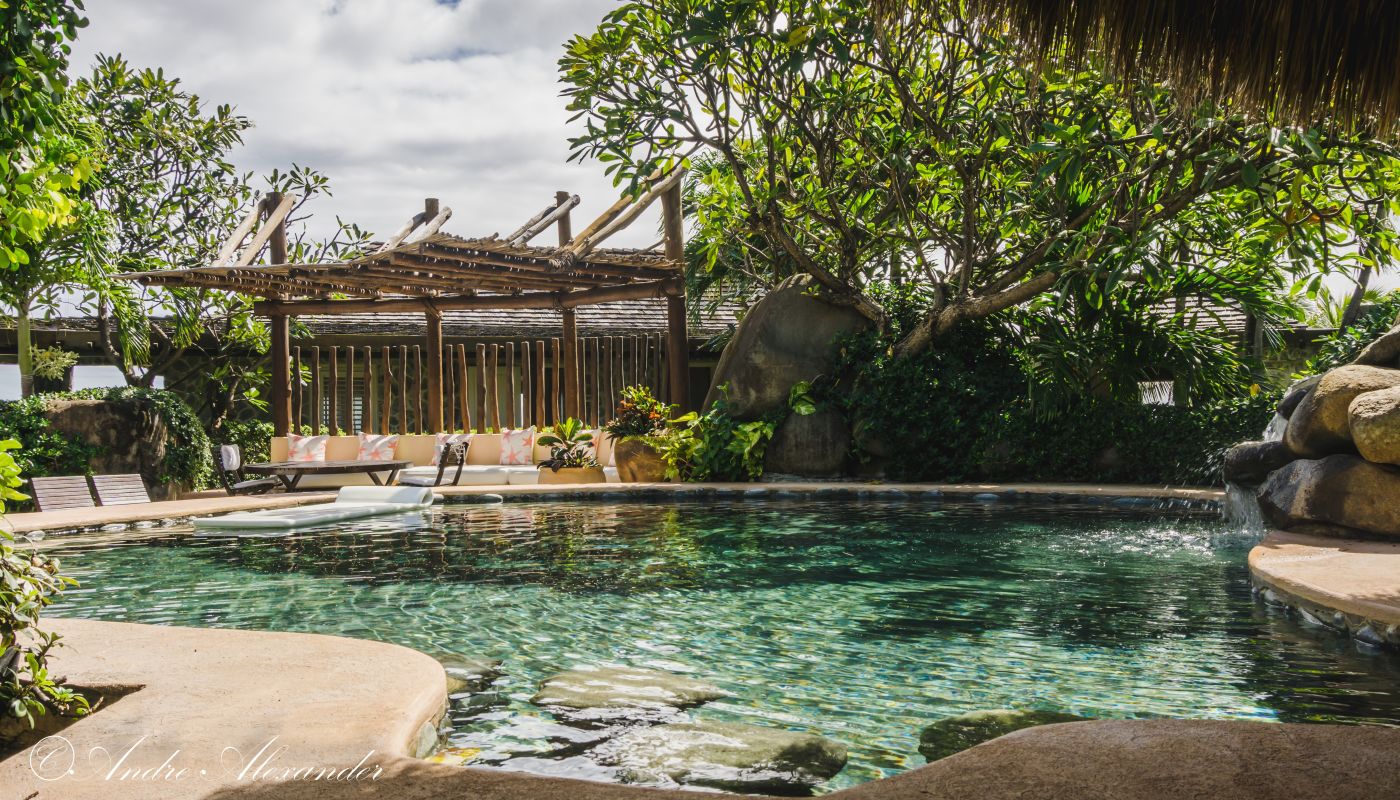
Landscape of Saint Vincent and the Grenadines
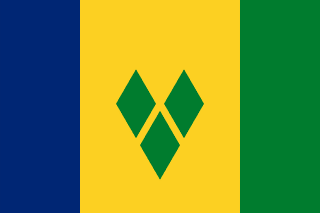
Flag of Saint Vincent and the Grenadines

Saint Vincent and the Grenadines

North America

Saint Vincent and the Grenadines has a population of approximately 110,000 people. In recent years, the island nation has faced challenges related to climate change, including severe hurricanes and flooding. Efforts are underway to address these issues and promote sustainable development, including the adoption of renewable energy and the development of climate-resilient infrastructure.

What would you like to learn about in Saint Vincent and the Grenadines?

Select a section to explore the country where nonprofits are creating positive change.

About Saint Vincent and the Grenadines

Resistance by native Caribs prevented colonization on Saint Vincent until 1719. Disputed between France and the United Kingdom for most of the 18th century, the island was ceded to the latter in 1783. Between 1960 and 1962, Saint Vincent and the Grenadines was a separate administrative unit of the Federation of the West Indies. Autonomy was granted in 1969 and independence in 1979.

Quick Facts

Population
103,220 (July 2013 est.)
Area
389 sq km (Saint Vincent 344 sq km)
ISO Code
VC
Continent
North America
Government
parliamentary democracy and a Commonwealth realm
Active Causes
12
View all countries in North America

Geography & Environment

Climate

tropical; little seasonal temperature variation; rainy season (May to November)

Terrain

volcanic, mountainous

Natural Resources

hydropower, cropland

Environmental Issues

pollution of coastal waters and shorelines from discharges by pleasure yachts and other effluents; in some areas, pollution is severe enough to make swimming prohibitive

People & Society

74.62 years
Avg. Life Expectancy
96%
Literacy Rate
49% of total population (2010)
Total Urban Population

Languages

English, French patois

Religions

Protestant 75% (Anglican 47%, Methodist 28%), Roman Catholic 13%, other (includes Hindu, Seventh-Day Adventist, other Protestant) 12%

Health Expenditure

4.5% of GDP (2010) of GDP

Education Expenditure

5.1% of GDP (2010) of GDP

Economy

$12,000
GDP per Capita (PPP)
15%
Unemployment Rate
NA%
Below Poverty Line

Economic Overview

Success of the economy hinges upon seasonal variations in agriculture, tourism, and construction activity as well as remittance inflows. Much of the workforce is employed in banana production and tourism, but persistent high unemployment has prompted many to leave the islands. This lower-middle-income country is vulnerable to natural disasters - tropical storms wiped out substantial portions of crops in 1994, 1995, and 2002. In 2008, the islands had more than 200,000 tourist arrivals, mostly to the Grenadines, a drop of nearly 20% from 2007. Saint Vincent is home to a small offshore banking se...

Causes in Saint Vincent and the Grenadines

Environment

Saint Vincent and the Grenadines, a small island nation in the Caribbean, faces significant environmental challenges that impact both its economy and its people. The country is particularly vulnerable to climate change, with rising sea levels threatening its coastal areas and increasing the frequency and intensity of natural disasters such as hurricanes. Deforestation, soil erosion, and poor waste management practices further exacerbate these issues, leading to loss of biodiversity and threats to the country's agriculture and fishing industries. The reliance on imported fossil fuels also contributes to carbon emissions and air pollution, affecting the health and well-being of the population. Addressing these environmental challenges is crucial for the sustainable development of Saint Vincent and the Grenadines and the protection of its natural resources for future generations.

Family

Family plays a significant role in the social fabric of Saint Vincent and the Grenadines, a small island nation located in the Caribbean. In this country, families are considered the foundation of society, providing emotional support, financial stability, and a sense of community for individuals. The concept of family extends beyond blood relatives to include close friends and neighbors, creating a tight-knit network of relationships that offer mutual assistance and care. However, like many other countries, Saint Vincent and the Grenadines also face challenges related to family dynamics, such as domestic violence, poverty, and inadequate social services. Addressing these issues is crucial to ensuring the well-being and cohesion of families in this nation.

Human Rights

Saint Vincent and the Grenadines, a small island nation in the Caribbean, faces various challenges concerning human rights. One of the key issues is gender-based violence, with women and girls being particularly vulnerable to such violations. Discrimination based on sexual orientation and gender identity is also prevalent, impacting the rights of the LGBTQ+ community. Furthermore, poverty and limited access to healthcare and education hinder the realization of economic, social, and cultural rights for many citizens. Despite efforts by the government and local organizations to address these issues, there is still much work to be done to ensure that all individuals in Saint Vincent and the Grenadines can fully enjoy their human rights.

Education

Saint Vincent and the Grenadines, a small island nation located in the Caribbean, faces various challenges in its education sector. Limited resources, infrastructure, and qualified educators have contributed to disparities in educational opportunities across the country. As a result, access to quality education remains a concern for many Vincentians. This issue is further exacerbated by socioeconomic factors, such as poverty and unemployment, which hinder students' ability to fully engage in their studies. The impact of these challenges is reflected in educational outcomes, with lower levels of academic achievement and higher dropout rates observed in certain communities. Addressing these systemic issues is crucial for improving the overall educational landscape in Saint Vincent and the Grenadines and fostering long-term social and economic development.

Poverty

Saint Vincent and the Grenadines, a small island nation located in the Caribbean, faces significant challenges related to poverty. Despite efforts to improve economic conditions, poverty remains a pressing issue, affecting a considerable portion of the population. The lack of diversified industries and heavy reliance on agriculture leave many vulnerable to economic shocks, natural disasters, and fluctuations in global markets. Limited access to quality education and healthcare further exacerbates the situation, hindering opportunities for social mobility and overall well-being. Addressing poverty in Saint Vincent and the Grenadines requires a multifaceted approach that includes targeted social programs, sustainable economic development initiatives, and increased investment in human capital. By raising awareness about the impacts of poverty in this nation, we can support efforts to create more equitable and prosperous communities for all its residents.

Religion

Religion plays a significant role in the social fabric of Saint Vincent and the Grenadines, a small Caribbean nation known for its cultural diversity. The country boasts a rich religious landscape, with Christianity being the predominant faith practiced by the majority of the population. Various denominations, including Anglican, Methodist, Roman Catholic, and Pentecostal, coexist harmoniously and contribute to the moral and ethical values upheld within the society. Religion in Saint Vincent and the Grenadines not only serves as a spiritual guide but also influences social norms, traditions, and community practices. It plays a vital role in shaping the identity of individuals and fostering a sense of unity among the people. As the country continues to evolve, religion remains a fundamental aspect of its cultural heritage and national identity.

Clean Water

Saint Vincent and the Grenadines, a small island nation located in the Caribbean, faces significant challenges in accessing clean water. With a population of approximately 110,000 people, the country's limited freshwater resources are threatened by pollution, deforestation, and climate change. The lack of access to clean water not only affects public health but also hinders economic development and agricultural productivity. Inadequate sanitation facilities further exacerbate the issue, leading to waterborne diseases and poor hygiene practices. Addressing these challenges requires sustainable water management practices, investment in infrastructure, and community awareness programs to promote water conservation and ensure safe drinking water for all residents of Saint Vincent and the Grenadines.

Economy

Located in the eastern Caribbean, Saint Vincent and the Grenadines is a small island nation heavily reliant on agriculture, tourism, and offshore financial services. The country's economy faces challenges due to its vulnerability to natural disasters, limited resources, and a small domestic market. The impact of the economy on Saint Vincent and the Grenadines is significant, with high levels of poverty and unemployment affecting many of its citizens. Additionally, the COVID-19 pandemic has further exacerbated these issues, with a sharp decline in tourism revenue and disruptions in global supply chains. Efforts are being made to diversify the economy by promoting sustainable tourism, investing in renewable energy, and enhancing agricultural productivity. It is crucial for stakeholders to support initiatives that aim to strengthen the economy of Saint Vincent and the Grenadines for the well-being of its populace.

Government

Saint Vincent and the Grenadines, a small island nation located in the Caribbean, faces various challenges that are influenced by its government. The Government of Saint Vincent and the Grenadines plays a crucial role in shaping the country's economic, social, and environmental landscapes. With a focus on sustainable development, the government works towards improving infrastructure, healthcare, education, and promoting tourism as key economic drivers. However, issues such as natural disasters, limited resources, and high unemployment rates continue to pose significant challenges for the government. Efforts to address these challenges include implementing policies to boost job creation, enhance disaster preparedness, and promote environmental conservation. By understanding the complex interplay between government actions and societal outcomes, we can better appreciate the importance of effective governance in shaping the future of Saint Vincent and the Grenadines.

Health

Saint Vincent and the Grenadines, a small island nation in the Caribbean, faces various health challenges that significantly impact its population. High rates of non-communicable diseases, such as diabetes and hypertension, pose a major threat to public health in the country. Limited access to healthcare services, especially in rural areas, exacerbates these issues and hinders timely diagnosis and treatment. Additionally, the country struggles with inadequate sanitation facilities and clean water sources, leading to a higher prevalence of waterborne diseases. These health concerns underscore the urgent need for improved healthcare infrastructure, increased public health education, and better access to essential medicines and healthcare services for all residents of Saint Vincent and the Grenadines.

Children

Saint Vincent and the Grenadines, a small island nation located in the Caribbean, faces various challenges in ensuring the well-being of its children. The impact of poverty, limited access to quality education and healthcare, and exposure to natural disasters such as hurricanes and volcanic eruptions are significant factors affecting children in this country. According to UNICEF, about 22% of children in Saint Vincent and the Grenadines live below the poverty line, which hampers their access to basic necessities and opportunities for growth. Limited resources also contribute to inadequate healthcare services and educational facilities, hindering children's overall development. Additionally, the country's vulnerability to natural disasters further threatens the safety and well-being of its young population. Addressing these issues is crucial to safeguarding the future of children in Saint Vincent and the Grenadines.

Animals

Saint Vincent and the Grenadines, a Caribbean nation known for its stunning natural beauty, is home to a diverse range of animal species that play a crucial role in the ecosystem of the region. The wildlife in Saint Vincent and the Grenadines includes various species of birds, reptiles, and marine life, all of which contribute to the biodiversity of the area. Deforestation and habitat loss pose significant threats to the animal populations in this country, leading to a decline in their numbers. Additionally, illegal hunting and fishing practices further endanger these animals, pushing many species towards extinction. Conservation efforts and sustainable practices are essential to protect the animals in Saint Vincent and the Grenadines and maintain the delicate balance of its ecosystems.

Nonprofits Working in Saint Vincent and the Grenadines

Discover organizations making a difference in Saint Vincent and the Grenadines

Make Your Impact Today

Discover causes you care about and support the nonprofits making a difference in communities around the world.

Are you a nonprofit? Join Project World Impact for free

Join Us Free