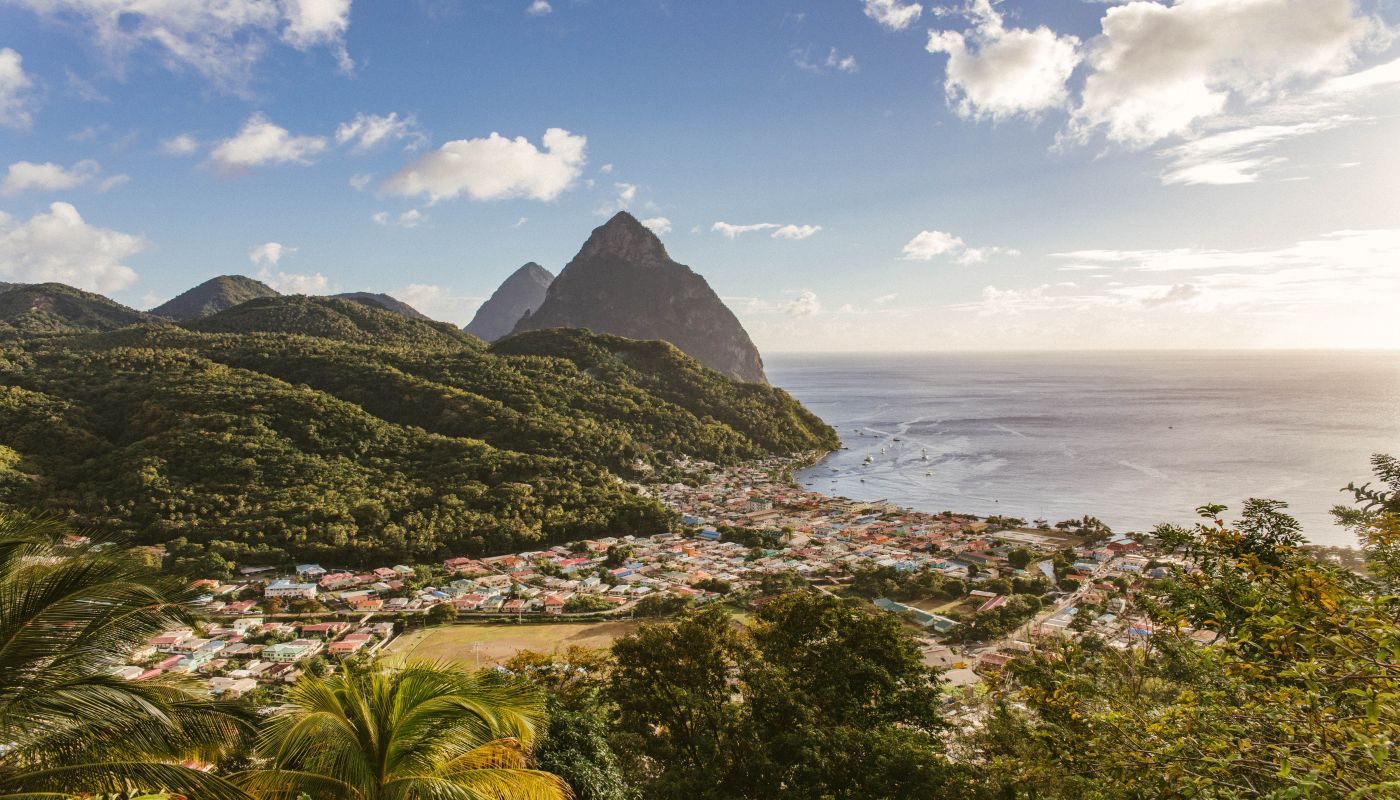
Landscape of St. Lucia
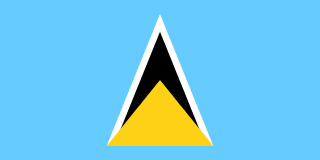
Flag of St. Lucia

St. Lucia

North America

St. Lucia is a small island nation located in the Caribbean, with a population of around 183,000 people. This country offers the opportunity to venture through the world's only drive-in volcano, Sulphur Springs. Despite challenges related to economic development and social inequality, St. Lucia has a rich cultural heritage and a strong sense of community. Efforts to address these challenges and promote economic growth are ongoing, with the government working to invest in infrastructure and support the country's development.

What would you like to learn about in St. Lucia?

Select a section to explore the country where nonprofits are creating positive change.

About St. Lucia

The island, with its fine natural harbor at Castries, was contested between England and France throughout the 17th and early 18th centuries (changing possession 14 times); it was finally ceded to the UK in 1814. Even after the abolition of slavery on its plantations in 1834, Saint Lucia remained an agricultural island, dedicated to producing tropical commodity crops. Self-government was granted in 1967 and independence in 1979.

Quick Facts

Population
162,781 (July 2013 est.)
Area
616 sq km
ISO Code
LC
Continent
North America
Government
parliamentary democracy and a Commonwealth realm
Active Causes
12
View all countries in North America

Geography & Environment

Climate

tropical, moderated by northeast trade winds; dry season January to April, rainy season May to August

Terrain

volcanic and mountainous with some broad, fertile valleys

Natural Resources

forests, sandy beaches, minerals (pumice), mineral springs, geothermal potential

Environmental Issues

deforestation; soil erosion, particularly in the northern region

People & Society

77.22 years
Avg. Life Expectancy
90.1%
Literacy Rate
28% of total population (2010)
Total Urban Population

Languages

English (official), French patois

Religions

Roman Catholic 67.5%, Protestant 18.2% (Seventh-Day Adventist 8.5%, Pentecostal 5.7%, Anglican 2%, Evangelical 2%), other Christian 5.1%, Rastafarian...

Health Expenditure

8.7% of GDP (2010) of GDP

Education Expenditure

4.4% of GDP (2011) of GDP

Economy

$13,300
GDP per Capita (PPP)
20%
Unemployment Rate
NA%
Below Poverty Line

Economic Overview

The island nation has been able to attract foreign business and investment, especially in its offshore banking and tourism industries. Tourism is Saint Lucia's main source of jobs and income - accounting for 65% of GDP - and the island's main source of foreign exchange earnings. The manufacturing sector is the most diverse in the Eastern Caribbean area. Crops such as bananas, mangos, and avocados continue to be grown for export, but St. Lucia''s once solid banana industry has been devastated by strong competition and by Hurricane Tomas in 2010. Saint Lucia is vulnerable to a variety of externa...

Causes in St. Lucia

Environment

St. Lucia, a tranquil island nation in the eastern Caribbean, is renowned for its natural beauty and diverse ecosystems. However, the environment of St. Lucia faces significant challenges that impact both its people and wildlife. The country experiences issues such as coastal erosion, deforestation, and coral reef degradation, largely due to climate change and human activities. These environmental challenges not only threaten the unique biodiversity of St. Lucia but also pose risks to the livelihoods of its inhabitants, particularly those dependent on agriculture and tourism. It is crucial for the government and communities of St. Lucia to prioritize sustainable practices and conservation efforts to safeguard their environment for future generations.

Family

In the Caribbean nation of St. Lucia, family plays a significant role in shaping the societal fabric and individual identities of its people. Families in St. Lucia are typically close-knit and multi-generational, with strong ties to extended relatives. The concept of family extends beyond the nuclear unit to include a broad network of kinship, providing emotional support, financial assistance, and a sense of belonging to each member. Moreover, familial relationships are often characterized by respect for elders, communal decision-making, and shared responsibilities in caregiving and child-rearing. These dynamics not only contribute to the social cohesion within communities but also serve as a crucial foundation for the overall well-being and resilience of individuals in St. Lucia.

Human Rights

St. Lucia, a small island nation in the Caribbean, faces various human rights challenges that impact its population. One significant issue is gender inequality, with women often experiencing discrimination in areas such as employment, education, and healthcare. Additionally, there are concerns regarding the rights of the LGBTQ+ community, as they face discrimination and stigma. Moreover, there have been reports of police brutality and excessive use of force, raising questions about the protection of citizens' right to life and security. These human rights violations hinder the country's progress towards a more just and equitable society. By addressing these issues and promoting human rights awareness and protection, St. Lucia can create a more inclusive and respectful environment for all its residents.

Education

Education in St. Lucia plays a crucial role in shaping the country's future development and prosperity. With a literacy rate of over 90%, St. Lucia has made commendable progress in providing access to education for its citizens. However, challenges such as limited resources, inadequate infrastructure, and teacher shortages persist, particularly in rural areas. The quality of education is also a concern, with disparities in learning outcomes between urban and rural schools. Despite these challenges, education remains a top priority for the government of St. Lucia, as it is recognized as a key driver of economic growth and social advancement. By investing in education, St. Lucia aims to empower its citizens with the knowledge and skills needed to thrive in an increasingly competitive global economy.

Poverty

St. Lucia, a small island nation in the Caribbean, faces significant challenges due to poverty. Despite its natural beauty and thriving tourism industry, poverty remains a pressing issue, particularly in rural areas where access to basic services and employment opportunities are limited. The impact of poverty in St. Lucia is evident through high rates of unemployment, inadequate housing conditions, limited access to healthcare, and unequal educational opportunities. These factors contribute to a cycle of intergenerational poverty, further exacerbating social and economic disparities within the country. Addressing poverty in St. Lucia requires a multi-faceted approach that focuses on sustainable development, social welfare programs, and inclusive growth strategies to uplift the most vulnerable populations and foster long-term economic stability.

Religion

Religion in St. Lucia plays a significant role in shaping the cultural and social fabric of the country. The population of St. Lucia is predominantly Christian, with Roman Catholicism being the largest denomination followed by Protestantism. Religion influences various aspects of life in St. Lucia, including family values, education, and social norms. Churches are not only places of worship but also act as community centers where people come together to celebrate, support each other, and engage in charitable activities. Religious festivals and traditions are an integral part of the island's cultural identity, bringing communities together in shared celebration and reflection. Despite the influence of Christianity, there is also a growing presence of other religions such as Hinduism and Islam, reflecting the diversity of beliefs among the population.

Clean Water

St. Lucia, a picturesque island nation in the Caribbean, faces challenges regarding access to clean water. The availability of safe drinking water is a crucial issue that significantly impacts the health and well-being of its population. Due to factors such as pollution, inadequate infrastructure, and limited resources, many communities in St. Lucia struggle to access clean and safe water for daily consumption and sanitation needs. Contaminated water sources can lead to waterborne diseases, posing serious health risks to individuals, particularly vulnerable groups such as children and the elderly. Addressing the issue of clean water access in St. Lucia is essential to improving public health outcomes and ensuring a sustainable future for its residents.

Economy

St. Lucia, a sovereign island nation in the eastern Caribbean Sea, faces various challenges stemming from its economy. The country relies heavily on tourism, agriculture, and offshore banking as key pillars of its economy. However, the vulnerability of these sectors to external factors such as natural disasters, fluctuating global markets, and now the COVID-19 pandemic has significantly impacted St. Lucia's economic stability. The dependence on tourism revenues makes the country particularly susceptible to fluctuations in travel trends and global economic conditions. Furthermore, the agricultural sector faces challenges due to limited arable land and exposure to climate change effects. These economic vulnerabilities highlight the need for St. Lucia to diversify its economy and implement sustainable development strategies to ensure long-term growth and resilience.

Government

St. Lucia, a small island nation located in the Caribbean, faces various challenges that are significantly influenced by its government. The government of St. Lucia plays a crucial role in shaping the country's economic development, social welfare programs, and environmental policies. Issues such as high unemployment rates, limited access to quality healthcare and education, and vulnerability to natural disasters are prevalent in St. Lucia, highlighting the importance of effective governance in addressing these pressing concerns. The government's decisions on budget allocation, infrastructure development, and disaster preparedness have a direct impact on the lives of the citizens of St. Lucia. By understanding the role of the government in addressing these challenges, we can raise awareness and support efforts to promote sustainable development and improve the quality of life for all residents of St. Lucia.

Health

St. Lucia, a small island nation in the Eastern Caribbean, faces various health challenges that impact its population. One significant issue is the high prevalence of non-communicable diseases such as diabetes, hypertension, and obesity. These conditions not only affect the quality of life of individuals but also strain the country's healthcare system. Limited access to healthcare services, especially in rural areas, exacerbates these challenges. Additionally, environmental factors, such as natural disasters and climate change, further threaten public health in St. Lucia. It is crucial for the government and healthcare stakeholders to prioritize preventive measures, improve healthcare infrastructure, and promote healthy lifestyle choices to address these pressing health concerns in the country.

Children

St. Lucia, a small island nation in the Caribbean, faces numerous challenges that impact its children. High levels of poverty, limited access to quality education and healthcare, and vulnerability to natural disasters all contribute to the difficult conditions faced by children in St. Lucia. Poverty affects nearly 30% of the population, and many children live in households struggling to make ends meet. This can result in inadequate nutrition, poor living conditions, and limited opportunities for a bright future. Limited access to quality education further hinders children's development, perpetuating the cycle of poverty. Additionally, St. Lucia is prone to hurricanes and other natural disasters, which can have devastating effects on children's safety and well-being. These factors combined underscore the need for targeted interventions to support the well-being and future prospects of children in St. Lucia.

Animals

St. Lucia, an island nation in the eastern Caribbean, is home to a diverse array of wildlife, both on land and in its surrounding waters. Animals play a crucial role in the ecosystem of St. Lucia, contributing to the island's biodiversity and overall environmental health. The lush forests of St. Lucia are inhabited by various species of birds, reptiles, and mammals, some of which are endemic to the island. Marine life also thrives in St. Lucia's crystal-clear waters, with coral reefs supporting a rich diversity of fish and other aquatic species. However, like many other regions around the world, St. Lucia's wildlife faces numerous threats, including habitat loss, climate change, and poaching. Conservation efforts are crucial to preserving the natural heritage of St. Lucia and ensuring the long-term survival of its unique flora and fauna.

Nonprofits Working in St. Lucia

Discover organizations making a difference in St. Lucia

Make Your Impact Today

Discover causes you care about and support the nonprofits making a difference in communities around the world.

Are you a nonprofit? Join Project World Impact for free

Join Us Free