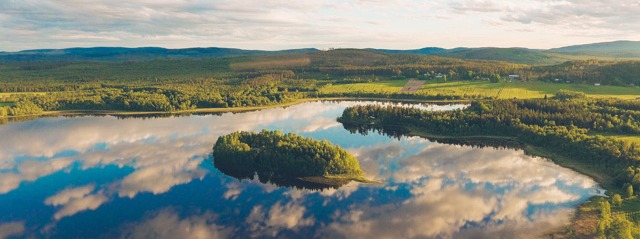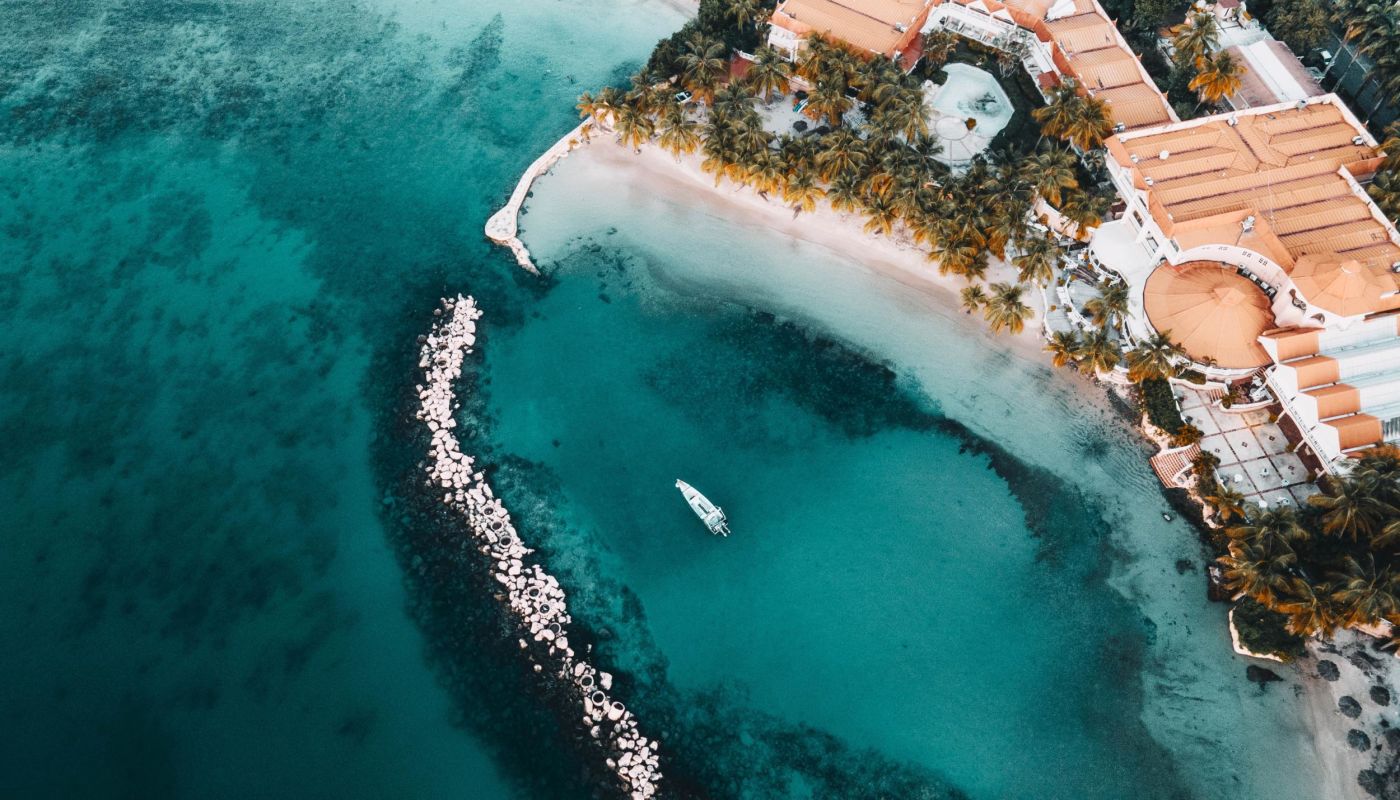
Landscape of Trinidad and Tobago
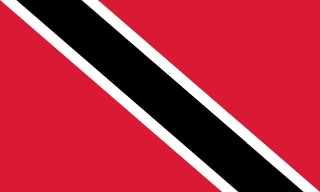
Flag of Trinidad and Tobago

Trinidad and Tobago

North America

Trinidad and Tobago is a small twin-island country located in the Caribbean, known for its rich cultural heritage, stunning beaches, and energy resources. With a population of just over 1.3 million people, Trinidad and Tobago is a highly developed country that has made progress in areas such as healthcare, education, and economic diversification. The country's economy is based on energy, petrochemicals, and tourism, and it has been working to attract more foreign investment and develop its infrastructure. Trinidad and Tobago faces challenges related to crime, political polarization, and economic inequality, but is actively making changes to combat these issues.

What would you like to learn about in Trinidad and Tobago?

Select a section to explore the country where nonprofits are creating positive change.

About Trinidad and Tobago

First colonized by the Spanish, the islands came under British control in the early 19th century. The islands' sugar industry was hurt by the emancipation of the slaves in 1834. Manpower was replaced with the importation of contract laborers from India between 1845 and 1917, which boosted sugar production as well as the cocoa industry. The discovery of oil on Trinidad in 1910 added another important export. Independence was attained in 1962. The country is one of the most prosperous in the Caribbean thanks largely to petroleum and natural gas production and processing. Tourism, mostly in Tobago, is targeted for expansion and is growing. The government is coping with a rise in violent crime.

Quick Facts

Population
1,225,225 (July 2013 est.)
Area
5,128 sq km
ISO Code
TT
Continent
North America
Government
parliamentary democracy
Active Causes
12
View all countries in North America

Geography & Environment

Climate

tropical; rainy season (June to December)

Terrain

mostly plains with some hills and low mountains

Natural Resources

petroleum, natural gas, asphalt

Environmental Issues

water pollution from agricultural chemicals, industrial wastes, and raw sewage; oil pollution of beaches; deforestation; soil erosion

People & Society

71.96 years
Avg. Life Expectancy
98.8%
Literacy Rate
14% of total population (2010)
Total Urban Population

Languages

English (official), Caribbean Hindustani (a dialect of Hindi), French, Spanish, Chinese

Religions

Roman Catholic 26%, Protestant 25.8% (Anglican 7.8%, Baptist 7.2%, Pentecostal 6.8%, Seventh-Day Adventist 4%), Hindu 22.5%, Muslim 5.8%, other Christ...

Health Expenditure

5.7% of GDP (2010) of GDP

Education Expenditure

NA of GDP

Economy

$20,400
GDP per Capita (PPP)
5.6%
Unemployment Rate
17% (2007 est.)
Below Poverty Line

Economic Overview

Trinidad and Tobago has earned a reputation as an excellent investment site for international businesses and has one of the highest growth rates and per capita incomes in Latin America. Economic growth between 2000 and 2007 averaged slightly over 8%, significantly above the regional average of about 3.7% for that same period; however, GDP has slowed down since then and contracted during 2009-2011 due to depressed natural gas prices and changing markets. Growth had been fueled by investments in liquefied natural gas, petrochemicals, and steel with additional upstream and downstream investment p...

Causes in Trinidad and Tobago

Environment

Trinidad and Tobago, a twin-island nation located in the Caribbean, is highly vulnerable to the impacts of climate change and environmental degradation. The country's economy heavily relies on industries such as oil and gas, which have led to significant environmental challenges including air and water pollution, deforestation, and loss of biodiversity. The coastal areas of Trinidad and Tobago are particularly at risk due to rising sea levels and more frequent extreme weather events. These environmental issues pose a threat to the country's natural ecosystems, public health, and overall well-being of its citizens. Urgent action is required to mitigate these impacts through sustainable practices, conservation efforts, and policy interventions to safeguard Trinidad and Tobago's environment for future generations.

Family

In Trinidad and Tobago, family plays a significant role in shaping the social fabric of the nation. The concept of family extends beyond the nuclear unit to encompass extended family members, creating a strong network of support and solidarity. Family bonds are deeply valued in Trinidadian society, with emphasis placed on respect for elders, intergenerational care, and communal responsibility for relatives. This close-knit family structure contributes to the overall well-being of individuals, providing emotional support, financial assistance, and a sense of belonging. However, challenges such as economic instability, migration, and changing societal norms have also impacted familial dynamics in Trinidad and Tobago, leading to shifts in traditional family roles and structures. It is crucial to recognize the evolving nature of family relationships in this context and address the changing needs of families to ensure their continued resilience and cohesion.

Poverty

Trinidad and Tobago, a twin-island nation in the Caribbean, faces significant challenges related to poverty. Despite being classified as a high-income country by the World Bank, poverty remains a pressing issue, particularly in marginalized communities. The impact of poverty in Trinidad and Tobago is multifaceted, affecting access to basic necessities such as healthcare, education, and housing. Economic disparities contribute to social inequalities, limiting opportunities for upward mobility and perpetuating cycles of poverty. Additionally, vulnerable groups such as women, children, and the elderly are disproportionately affected by poverty, further exacerbating societal inequities. Addressing poverty in Trinidad and Tobago requires a comprehensive approach that involves targeted interventions, policy reforms, and community empowerment initiatives to create a more inclusive and sustainable society.

Religion

Religion plays a significant role in the cultural landscape of Trinidad and Tobago, a twin-island nation situated in the Caribbean. The country's diverse population, comprised of individuals of African, Indian, European, and Indigenous descent, has led to a rich tapestry of religious beliefs and practices. Christianity, Hinduism, Islam, and Orisha worship are among the major religions observed in Trinidad and Tobago. These faith traditions influence various aspects of daily life, including social customs, festivals, and dietary practices. Religious tolerance is a foundational principle in Trinidad and Tobago, with the government promoting interfaith dialogue and cooperation to foster unity among its populace. Despite occasional tensions, the country's religious diversity is celebrated as a source of strength and resilience in the face of challenges.

Clean Water

Trinidad and Tobago, a twin-island country located in the southern Caribbean, faces significant challenges in ensuring access to clean water. Despite being a relatively water-rich nation, with abundant rainfall and rivers, the country's water resources are under pressure due to pollution from industrial activities, agriculture, and improper waste disposal. This contamination not only affects the availability of safe drinking water but also impacts the country's aquatic ecosystems and biodiversity. The lack of clean water can lead to waterborne diseases, affecting public health and placing a strain on healthcare systems. Additionally, the agricultural sector, a vital component of Trinidad and Tobago's economy, relies on access to clean water for irrigation and livestock farming. Addressing the issue of clean water is crucial for sustainable development and the well-being of the population in Trinidad and Tobago.

Economy

Trinidad and Tobago, a twin-island nation in the Caribbean, heavily relies on its oil and natural gas reserves, making the economy vulnerable to fluctuations in global energy prices. The economy has been significantly impacted by the volatility in commodity prices, leading to periods of economic growth and contraction. The country faces challenges such as high unemployment rates and income inequality, which are exacerbated by its dependence on the energy sector. Additionally, the COVID-19 pandemic has further strained the economy, causing disruptions in key sectors such as tourism and manufacturing. Diversification efforts are being made to reduce the country's reliance on oil and gas, with a focus on developing sectors such as renewable energy, agriculture, and tourism to promote sustainable economic growth.

Government

Trinidad and Tobago, a twin-island nation located in the Caribbean, has a government structure that significantly influences the lives of its citizens. The government of Trinidad and Tobago plays a vital role in shaping economic policies, social programs, and overall governance. The government oversees various sectors such as education, healthcare, infrastructure, and security, impacting the daily lives of its people. Additionally, the government is responsible for managing natural resources, promoting economic development, and maintaining diplomatic relations with other countries. Understanding the government's role in Trinidad and Tobago is crucial for raising awareness about how policies and decisions affect the well-being of its population.

Health

In Trinidad and Tobago, health issues play a significant role in shaping the overall well-being of the population. The country faces various health challenges, including high rates of non-communicable diseases such as diabetes and hypertension, as well as the increasing prevalence of obesity. Limited access to healthcare services in rural areas and disparities in healthcare quality between different socioeconomic groups further exacerbate these issues. Additionally, mental health concerns such as depression and anxiety are also on the rise. Addressing these health challenges is crucial for improving the quality of life for the people of Trinidad and Tobago and ensuring a healthier future for all.

Children

In Trinidad and Tobago, children face various challenges that impact their well-being and development. Factors such as poverty, limited access to education, and exposure to violence can have detrimental effects on the youth population in this Caribbean nation. With approximately 19% of the population living below the poverty line, many children lack adequate nutrition and healthcare, hindering their growth and educational outcomes. Additionally, issues such as child abuse and neglect remain prevalent, further jeopardizing the safety and security of Trinidad and Tobago's youth. It is crucial for stakeholders at both local and national levels to address these systemic issues and prioritize the protection and well-being of children to ensure a brighter future for the next generation.

Human Rights

Trinidad and Tobago, a twin island nation located in the Caribbean, faces various human rights challenges that impact its population. Issues such as gender-based violence, discrimination against the LGBTQ+ community, and limited access to healthcare continue to be prevalent in the country. The government of Trinidad and Tobago has been criticized for its slow progress in addressing these human rights concerns and implementing necessary reforms to protect its citizens. In recent years, civil society organizations have played a crucial role in advocating for human rights and pushing for legislative changes to ensure better protection for all individuals in the country. As Trinidad and Tobago works towards upholding its international human rights obligations, it is essential for stakeholders to collaborate and prioritize the promotion and protection of human rights for all its residents.

Education

Education plays a pivotal role in Trinidad and Tobago, a twin-island nation located in the southern Caribbean. The country has made significant strides in improving its education system over the years, with a strong emphasis on providing quality education to its citizens. Education in Trinidad and Tobago is free and compulsory up to the age of 16, ensuring that all children have access to basic education. The government has also implemented various initiatives to enhance the quality of education, such as curriculum reforms, teacher training programs, and investment in educational infrastructure. However, challenges such as limited resources, disparities in educational outcomes among different socio-economic groups, and high dropout rates still persist. Despite these challenges, education remains a key driver of social mobility and economic development in Trinidad and Tobago, shaping the future prospects of its people.

Animals

In Trinidad and Tobago, animals play a significant role in the ecosystem and culture of the country. The diverse wildlife found in these islands includes unique species such as the Trinidad piping guan, the scarlet ibis, and the leatherback sea turtle. These animals contribute to the biodiversity of the region and are integral to its fragile ecosystems. However, like many other parts of the world, Trinidad and Tobago face challenges such as habitat loss, poaching, and climate change which threaten the survival of these species. Conservation efforts are crucial to protect these animals and their habitats for future generations to appreciate and enjoy.

Nonprofits Working in Trinidad and Tobago

Discover organizations making a difference in Trinidad and Tobago

Make Your Impact Today

Discover causes you care about and support the nonprofits making a difference in communities around the world.

Are you a nonprofit? Join Project World Impact for free

Join Us Free