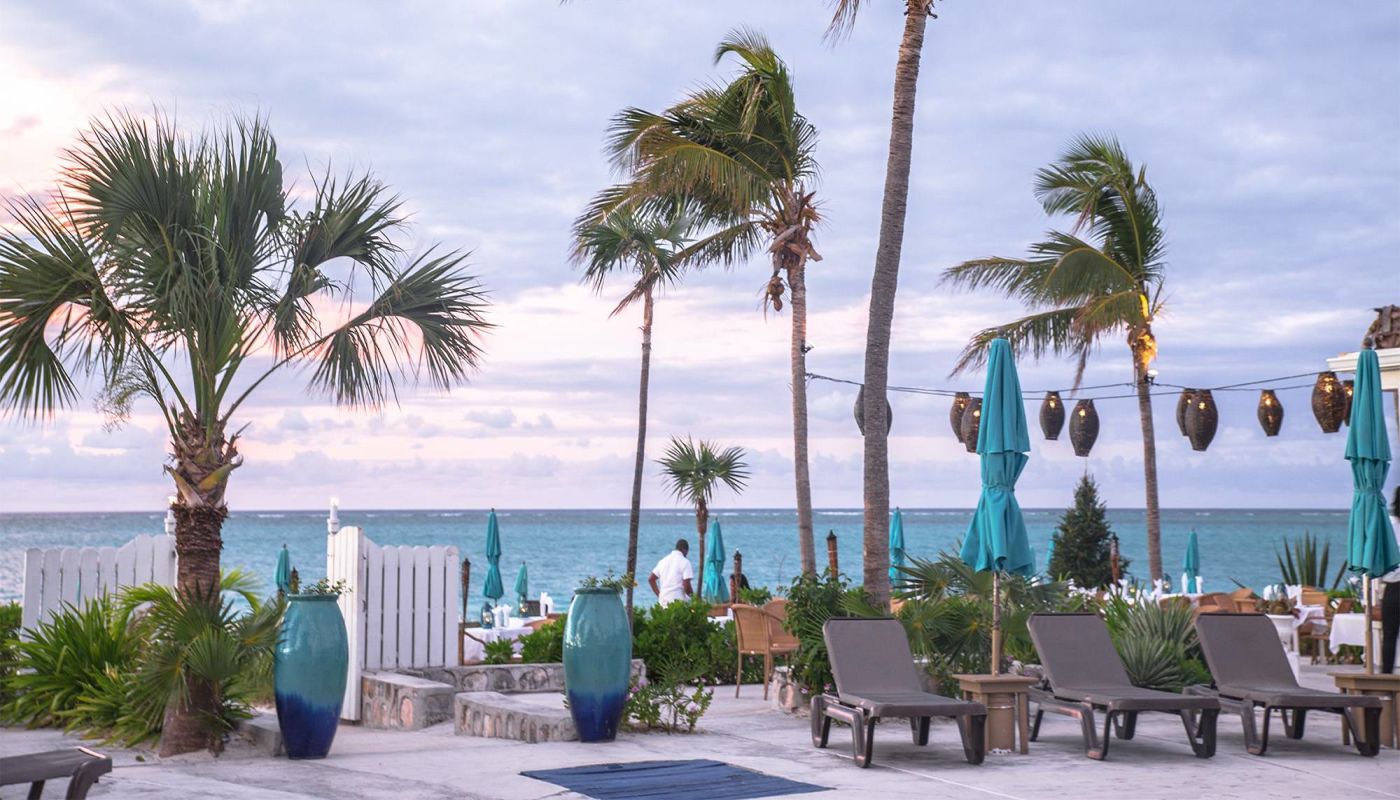
Landscape of Turks and Caicos Islands
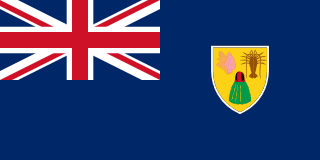
Flag of Turks and Caicos Islands

Turks and Caicos Islands

North America

Turks and Caicos Islands is a British Overseas Territory with a population of approximately 38,000 people. The islands are home to the world's only conch farm, which produces millions of conch shells each year. The territory has faced challenges related to its economy, particularly its dependence on tourism. Efforts are underway to diversify the economy and promote sustainable development, including investments in renewable energy and sustainable tourism.

What would you like to learn about in Turks and Caicos Islands?

Select a section to explore the country where nonprofits are creating positive change.

About Turks and Caicos Islands

Turks and Caicos Islands is a British Overseas Territory with a population of approximately 38,000 people. The islands are home to the world's only conch farm, which produces millions of conch shells each year. The territory has faced challenges related to its economy, particularly its dependence on tourism. Efforts are underway to diversify the economy and promote sustainable development, including investments in renewable energy and sustainable tourism.

Causes in Turks and Caicos Islands

Environment

The Turks and Caicos Islands, located in the Atlantic Ocean southeast of the Bahamas, face significant environmental challenges that impact their delicate ecosystems. As a low-lying archipelago, the islands are particularly vulnerable to the effects of climate change, including rising sea levels and more frequent and intense storms. These environmental changes threaten the islands' biodiversity, coral reefs, and coastal areas, which are essential for their economy, primarily based on tourism and fishing. Deforestation, overfishing, and pollution also contribute to the degradation of the islands' natural environment. It is crucial to raise awareness about these issues to promote sustainable practices and conservation efforts to protect the unique biodiversity and ecosystems of the Turks and Caicos Islands.

Family

Family plays a significant role in the social fabric of the Turks and Caicos Islands, a British Overseas Territory located in the Caribbean. The concept of family extends beyond immediate relatives to include extended family members and close-knit communities. In this society, family is considered a cornerstone of support, providing emotional, financial, and social assistance to its members. Strong family ties contribute to the cohesion and resilience of the community, fostering a sense of belonging and security among individuals. Additionally, familial relationships are deeply rooted in traditions and customs, playing a vital role in shaping the cultural identity of the islanders. Understanding the importance of family dynamics in Turks and Caicos Islands is crucial for promoting social well-being and community development.

Human Rights

The Turks and Caicos Islands, a British Overseas Territory located in the Caribbean, face several human rights challenges that impact its residents. Despite being a popular tourist destination known for its beautiful beaches and crystal-clear waters, the islands struggle with issues such as discrimination, lack of access to basic services, and limited opportunities for marginalized communities. Migrant workers, in particular, often face exploitation and unfair working conditions, highlighting the need for stronger labor rights protections. Additionally, there have been concerns raised regarding gender equality, access to education and healthcare, and the treatment of indigenous populations. Addressing these human rights concerns is crucial for fostering a more inclusive and equitable society in the Turks and Caicos Islands.

Education

The Turks and Caicos Islands, a British Overseas Territory located in the Caribbean, grapple with significant educational challenges that impact their socio-economic development. Despite efforts to improve access to education, issues such as limited resources, inadequate infrastructure, and teacher shortages persist in the region. The quality of education in Turks and Caicos Islands is often hindered by these obstacles, leading to lower literacy rates and reduced opportunities for the islanders. Education plays a critical role in shaping the future of the Turks and Caicos Islands, as an educated population is essential for sustainable growth and prosperity. By addressing these educational issues through targeted interventions and investments, the Turks and Caicos Islands can enhance their human capital and pave the way for a brighter tomorrow.

Poverty

The Turks and Caicos Islands, a British Overseas Territory located in the Caribbean, face significant challenges related to poverty. Despite being a popular tourist destination with a thriving luxury tourism industry, poverty remains a pressing issue for many residents. The high cost of living, limited employment opportunities beyond the tourism sector, and inadequate social welfare programs contribute to the persistence of poverty in the islands. According to the Turks and Caicos Islands Household Income and Expenditure Survey, nearly 20% of the population lives below the poverty line. Poverty in the Turks and Caicos Islands not only affects individuals and families but also has broader implications for social cohesion and economic development. Addressing the root causes of poverty through targeted policies and interventions is crucial to improving the well-being of all residents in the territory.

Religion

Religion plays a significant role in the Turks and Caicos Islands, a British Overseas Territory in the Caribbean. The population of the islands is predominantly Christian, with Anglicanism being the largest denomination followed by other Protestant denominations such as Baptists and Methodists. The practice of religion is deeply ingrained in the culture and daily life of the inhabitants, influencing social norms, traditions, and community events. Churches are central hubs for gatherings, worship, and community support. Religious festivals and holidays are celebrated with enthusiasm and fervor, reflecting the strong religious identity of the people. While Christianity is the dominant religion, there is also a growing presence of other faiths such as Islam and Hinduism, contributing to the cultural diversity of the islands.

Clean Water

The Turks and Caicos Islands, a British Overseas Territory in the Caribbean, face significant challenges in accessing clean water. With a population of nearly 40,000 people spread across multiple islands, ensuring a reliable supply of safe drinking water is crucial for the well-being of the residents. The islands' fragile freshwater resources are threatened by pollution from agricultural runoff, untreated sewage, and saltwater intrusion due to over-extraction. As a result, many communities rely on desalination plants to meet their water needs, which can be costly and energy-intensive. The lack of access to clean water not only affects public health but also hinders economic development and perpetuates social inequalities on the islands. Addressing these water challenges requires sustainable management practices, infrastructure investments, and community engagement to safeguard this vital resource for future generations.

Economy

The Turks and Caicos Islands, located in the Atlantic Ocean southeast of the Bahamas, face a number of economic challenges that impact the well-being of their population. The economy of the Turks and Caicos Islands is heavily reliant on tourism, which accounts for a significant portion of the country's GDP. However, the recent global pandemic has severely impacted the tourism industry, leading to a sharp decline in visitor arrivals and revenue. This downturn has resulted in job losses, reduced income for businesses, and increased economic uncertainty for many residents of the islands. Additionally, the vulnerability of the islands to natural disasters such as hurricanes further exacerbates economic instability. It is crucial for the government and international organizations to provide support and implement sustainable strategies to diversify the economy and build resilience against future economic shocks in order to ensure the long-term prosperity of the Turks and Caicos Islands.

Government

The Turks and Caicos Islands, located in the Atlantic Ocean southeast of the Bahamas, is a British Overseas Territory with a population of approximately 38,191 people. The government of the Turks and Caicos Islands plays a vital role in shaping the socio-economic and political landscape of the territory. The islands have a parliamentary system of government, with a Governor representing the British monarch as the head of state. The local government is led by a Premier and an elected House of Assembly. Government policies and decisions have a direct impact on various aspects of life in the islands, including infrastructure development, healthcare, education, tourism, and environmental conservation efforts. As a small island nation highly dependent on tourism, effective governance is crucial for sustainable development and the well-being of its residents.

Health

The Turks and Caicos Islands, a British Overseas Territory located in the Caribbean, face significant health challenges that impact its population. With limited resources and access to healthcare services, the islands struggle to provide adequate medical care to their residents. High rates of non-communicable diseases such as diabetes and hypertension are prevalent, exacerbated by lifestyle factors such as unhealthy diet and lack of physical activity. The country also faces issues related to vector-borne diseases like dengue fever and Zika virus due to its tropical climate. Additionally, the islands experience challenges in mental health support and access to specialized medical treatments, leading to a burden on individuals and the healthcare system. Addressing these health issues requires a multi-faceted approach involving government initiatives, public health campaigns, and community involvement to improve the overall well-being of the population in Turks and Caicos Islands.

Children

The Turks and Caicos Islands, a British Overseas Territory located in the Caribbean, face several challenges that impact children living on the islands. One of the key issues affecting children in Turks and Caicos is poverty. According to UNICEF, around 26% of children in the country live below the poverty line, which affects their access to basic necessities such as proper nutrition, healthcare, and education. Additionally, natural disasters such as hurricanes pose a significant threat to children's well-being, with their homes and communities being at risk of destruction. Limited access to quality education and healthcare services further exacerbates the vulnerabilities faced by children in Turks and Caicos. Addressing these issues requires a concerted effort from government agencies, non-profit organizations, and the international community to ensure that children in the Turks and Caicos Islands are provided with the necessary support and resources to thrive.

Animals

The Turks and Caicos Islands, a British Overseas Territory in the Caribbean, boast a diverse ecosystem with a rich variety of animal species. However, the delicate balance of this ecosystem is under threat due to human activities such as habitat destruction, pollution, and overfishing. Endangered species like the hawksbill turtle and West Indian manatee are particularly vulnerable to these threats. The decline in their populations not only disrupts the natural order of the environment but also affects the local economy, which relies heavily on tourism driven by the allure of the islands' pristine natural beauty and wildlife. Efforts are being made by local conservation groups and governmental agencies to protect these animals and their habitats through initiatives like marine protected areas and awareness campaigns aimed at promoting sustainable practices among residents and visitors alike. It is crucial for all stakeholders to work together to ensure the continued survival of these species and the preservation of the Turks and Caicos Islands' unique biodiversity.

Nonprofits Working in Turks and Caicos Islands

Discover organizations making a difference in Turks and Caicos Islands

Make Your Impact Today

Discover causes you care about and support the nonprofits making a difference in communities around the world.

Are you a nonprofit? Join Project World Impact for free

Join Us Free