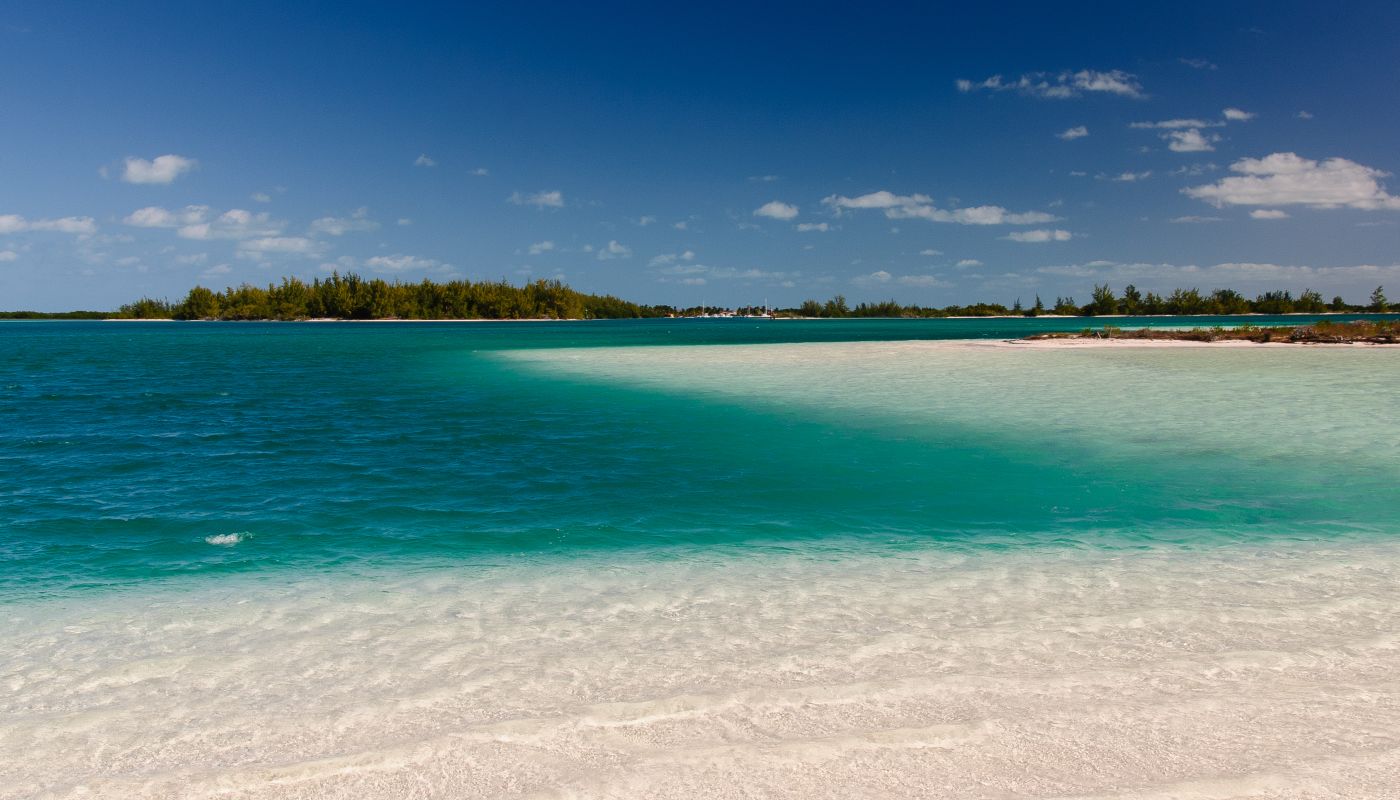
Landscape of United States Minor Outlying Islands
Flag of United States Minor Outlying Islands

United States Minor Outlying Islands

North America

The United States Minor Outlying Islands is a collection of nine beautiful and remote islands located in the Pacific Ocean and the Caribbean Sea. Although the islands are uninhabited, they are home to a diverse range of flora and fauna, making them a haven for wildlife enthusiasts and nature lovers. With pristine beaches, crystal clear waters, and breathtaking landscapes, the United States Minor Outlying Islands offer a unique and peaceful retreat for anyone seeking a getaway from the hustle and bustle of daily life. Despite their small population, these islands play an important role in protecting and preserving the natural environment and contribute to the overall conservation efforts of the United States.

What would you like to learn about in United States Minor Outlying Islands?

Select a section to explore the country where nonprofits are creating positive change.

About United States Minor Outlying Islands

The United States Minor Outlying Islands is a collection of nine beautiful and remote islands located in the Pacific Ocean and the Caribbean Sea. Although the islands are uninhabited, they are home to a diverse range of flora and fauna, making them a haven for wildlife enthusiasts and nature lovers. With pristine beaches, crystal clear waters, and breathtaking landscapes, the United States Minor Outlying Islands offer a unique and peaceful retreat for anyone seeking a getaway from the hustle and bustle of daily life. Despite their small population, these islands play an important role in protecting and preserving the natural environment and contribute to the overall conservation efforts of the United States.

Causes in United States Minor Outlying Islands

Environment

The United States Minor Outlying Islands consist of nine insular areas in the Pacific Ocean and the Caribbean Sea. These remote territories are home to unique ecosystems that are particularly vulnerable to environmental changes. Climate change, rising sea levels, and plastic pollution are among the primary environmental challenges faced by these islands. The melting polar ice caps and coral bleaching threaten the biodiversity and natural habitats of these territories. Additionally, the islands' limited resources and infrastructure make them more susceptible to the adverse effects of environmental degradation. It is crucial to raise awareness about the environmental issues affecting the United States Minor Outlying Islands to promote conservation efforts and protect these delicate ecosystems.

Family

Family plays a significant role in the lives of the residents of United States Minor Outlying Islands, a collection of nine insular areas in the Pacific Ocean and the Caribbean Sea. With limited populations and remote locations, families in these territories often serve as the primary source of support and community for individuals. The close-knit family structures prevalent in these islands foster a sense of belonging and connection, providing emotional, social, and sometimes even financial support. In such small and isolated communities, families play a crucial role in preserving cultural traditions and passing down knowledge from one generation to the next. By recognizing the importance of family in the lives of those living in United States Minor Outlying Islands, we can appreciate the resilience and strength of these communities despite their geographical challenges.

Human Rights

The United States Minor Outlying Islands consist of nine insular areas in the Pacific Ocean and Caribbean Sea. Although these territories have limited populations, it is essential to recognize the impact of human rights on their residents. Access to basic rights such as healthcare, education, and clean water can be challenging in these remote locations. Human rights violations, including discrimination and lack of resources, can disproportionately affect vulnerable populations in these territories. Raising awareness about the importance of upholding human rights in the United States Minor Outlying Islands is crucial for promoting equality and justice for all individuals residing in these areas.

Education

United States Minor Outlying Islands, despite being uninhabited or having very limited populations, are vital territories for ecological conservation and scientific research. Education plays a crucial role in the preservation and sustainable management of these remote islands' unique ecosystems. Educational initiatives focused on environmental conservation and biodiversity help raise awareness about the importance of protecting these fragile ecosystems from human impact, invasive species, and climate change. By educating both local communities and visitors about the significance of biodiversity and environmental stewardship, efforts can be made to ensure the long-term health and sustainability of the United States Minor Outlying Islands.

Poverty

The United States Minor Outlying Islands are a group of nine islands in the Pacific Ocean and the Caribbean Sea, under the jurisdiction of the United States. Despite being sparsely populated and primarily used for wildlife conservation, poverty still has an impact on the residents of these islands. With limited economic opportunities and resources, poverty rates in some of these territories are higher than the U.S. national average. Lack of access to quality education, healthcare, and employment opportunities further exacerbates the challenges faced by the local population.

Religion

The United States Minor Outlying Islands, consisting of nine unincorporated territories in the Pacific Ocean and the Caribbean Sea, have a diverse religious landscape influenced by historical colonization and indigenous beliefs. Religion plays a significant role in the lives of the inhabitants of these islands, providing a sense of community, cultural identity, and moral guidance. Christianity is the predominant religion, with various denominations such as Roman Catholicism, Protestantism, and Mormonism being practiced. Additionally, traditional indigenous beliefs are still preserved among certain island communities. The impact of religion on the United States Minor Outlying Islands is multifaceted, shaping social norms, customs, and interpersonal relationships. Understanding the religious diversity and practices in these territories is essential for fostering mutual respect and cultural understanding among their inhabitants.

Clean Water

The United States Minor Outlying Islands consist of nine insular territories scattered across the Pacific Ocean and the Caribbean Sea. These islands are home to a diverse range of marine life and ecosystems, making clean water crucial for their preservation. Clean water is essential for sustaining the delicate balance of these environments, ensuring the health and well-being of both wildlife and inhabitants. Pollution from various sources, including plastic debris, oil spills, and wastewater discharge, poses a significant threat to the pristine waters surrounding these islands. Efforts to protect and preserve clean water in this remote region are essential for safeguarding its biodiversity and ecological sustainability.

Economy

The United States Minor Outlying Islands consist of nine insular areas in the Pacific Ocean and Caribbean Sea. These islands, though sparsely populated and small in size, play a crucial role in the U.S. economy. Despite their remote location, the economy of these islands is largely dependent on fishing, tourism, and the support they receive from the U.S. government. The lack of natural resources and limited infrastructure pose challenges for economic development in these territories. Additionally, the vulnerability to natural disasters, such as hurricanes and typhoons, further impacts their economy, requiring significant resources for recovery and rebuilding efforts. It is essential to raise awareness about the economic challenges faced by the United States Minor Outlying Islands to garner support for sustainable development initiatives that can help improve the livelihoods of the residents and protect the unique environment of these territories.

Government

The United States Minor Outlying Islands consist of nine insular areas in the Pacific Ocean and the Caribbean Sea, with a combined land area of approximately 16 square kilometers. These territories include Baker Island, Howland Island, Jarvis Island, Johnston Atoll, Kingman Reef, Midway Atoll, Palmyra Atoll, and Wake Island. Although uninhabited or having very minimal population, these islands hold strategic importance for the United States due to their military installations and wildlife conservation efforts. The U.S. Department of the Interior oversees these territories, and the U.S. Fish and Wildlife Service plays a crucial role in managing the wildlife refuges on some of these islands. Government policies impact the environmental conservation efforts on these islands and influence their overall management.

Health

The United States Minor Outlying Islands, although remote and sparsely populated, are not immune to the global issue of health disparities. The lack of access to healthcare facilities and resources on these islands poses a significant challenge to the well-being of their inhabitants. Limited healthcare infrastructure, including hospitals and medical professionals, often results in delayed or inadequate treatment for residents facing health issues. Additionally, geographical isolation can further exacerbate health concerns by hindering the timely delivery of medical supplies and services. The impact of health on the United States Minor Outlying Islands is profound, underscoring the importance of improving healthcare access and resources for these communities.

Children

Children in the United States Minor Outlying Islands face unique challenges due to the remote and isolated nature of these territories. With a scattered population across various islands, access to essential services such as education and healthcare can be limited. Limited economic opportunities and infrastructure also impact children's overall well-being in these territories. Additionally, factors like climate change and environmental issues, such as rising sea levels and natural disasters, further exacerbate the vulnerabilities of children living in these remote areas. Raising awareness of these challenges is crucial to ensure that adequate support and resources are provided to protect and promote the well-being of children in the United States Minor Outlying Islands.

Animals

The United States Minor Outlying Islands, consisting of nine remote islands scattered across the Pacific Ocean and the Caribbean Sea, are home to a diverse range of wildlife. These islands serve as critical habitats for various endangered species, including seabirds, marine mammals, and reptiles. The presence of these animals plays a vital role in the delicate ecosystems of these islands, contributing to biodiversity and overall ecosystem health. However, these unique ecosystems are increasingly threatened by human activities such as pollution, climate change, and habitat destruction.

Nonprofits Working in United States Minor Outlying Islands

Discover organizations making a difference in United States Minor Outlying Islands

Make Your Impact Today

Discover causes you care about and support the nonprofits making a difference in communities around the world.

Are you a nonprofit? Join Project World Impact for free

Join Us Free