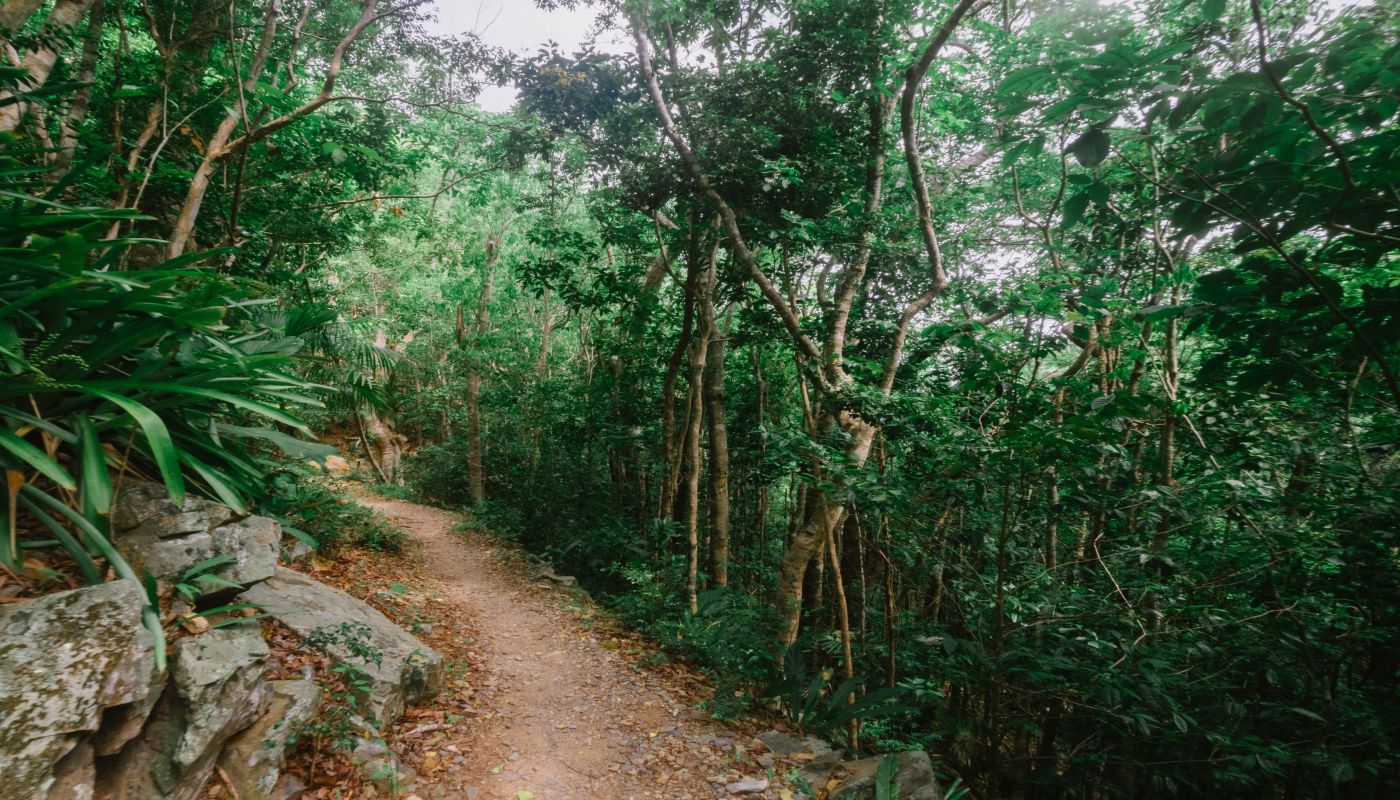
Landscape of US Virgin Islands
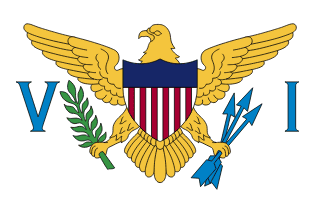
Flag of US Virgin Islands

US Virgin Islands

North America

US Virgin Islands is a US territory with a population of approximately 105,000 people. The islands were once a major center for sugar production, and many of the old sugar mills can still be seen today. The territory has faced challenges related to its economy, particularly its dependence on tourism. Efforts are underway to diversify the economy and promote sustainable development, including investments in renewable energy and sustainable tourism.

What would you like to learn about in US Virgin Islands?

Select a section to explore the country where nonprofits are creating positive change.

About US Virgin Islands

US Virgin Islands is a US territory with a population of approximately 105,000 people. The islands were once a major center for sugar production, and many of the old sugar mills can still be seen today. The territory has faced challenges related to its economy, particularly its dependence on tourism. Efforts are underway to diversify the economy and promote sustainable development, including investments in renewable energy and sustainable tourism.

Causes in US Virgin Islands

Environment

The US Virgin Islands, located in the Caribbean Sea, face significant environmental challenges that impact their biodiversity and economy. The islands are vulnerable to the effects of climate change, such as rising sea levels, stronger hurricanes, and coral bleaching. These environmental changes threaten the islands' delicate ecosystems, including coral reefs and mangrove forests, which provide essential habitats for marine life and protect against coastal erosion. Additionally, the tourism industry, a critical source of revenue for the US Virgin Islands, is at risk due to the degradation of natural resources and ecosystems. It is imperative for stakeholders to prioritize sustainable practices and conservation efforts to safeguard the environment and ensure the long-term viability of the US Virgin Islands.

Family

The US Virgin Islands, a territory located in the Caribbean, is heavily influenced by the central role of family within its society. Family plays a vital role in shaping the cultural and social fabric of the community, with strong emphasis placed on values such as respect, unity, and support within familial units. In the US Virgin Islands, family ties extend beyond immediate relatives to include extended family members, fostering a sense of interconnectedness and belonging among individuals. This emphasis on family has a profound impact on various aspects of life in the territory, from decision-making processes to social gatherings and celebrations. By prioritizing family connections, the US Virgin Islands nurtures a sense of community and continuity that is intrinsic to its identity.

Human Rights

The US Virgin Islands, an unincorporated territory of the United States located in the Caribbean, faces unique challenges concerning human rights. Despite being under US jurisdiction, the territory grapples with issues such as inadequate healthcare access, limited educational opportunities, and high levels of poverty, all of which have a direct impact on the population's enjoyment of their fundamental human rights. Furthermore, the historical legacy of colonization and slavery continues to influence social disparities and systemic injustices within the islands. The lack of specific human rights laws tailored to the unique needs of the US Virgin Islands further exacerbates these issues. It is imperative that efforts be made to address these systemic challenges and ensure that all individuals in the US Virgin Islands can fully exercise their human rights.

Education

The US Virgin Islands, with a population of around 107,000 individuals, faces unique challenges in its educational system due to its status as a territory of the United States. Despite efforts to improve educational outcomes, the islands have struggled with issues such as limited resources, teacher shortages, and infrastructure inadequacies. These challenges have had a direct impact on the quality of education provided to students, resulting in lower academic achievement levels compared to the mainland US. Moreover, disparities in educational opportunities exist between the three main islands – St. Thomas, St. Croix, and St. John – further exacerbating inequalities within the territory. Addressing these issues is crucial for the US Virgin Islands to ensure that all students have access to high-quality education and opportunities for success.

Poverty

The US Virgin Islands, located in the Caribbean, faces significant challenges related to poverty that impact its population. With a poverty rate of around 22%, the territory grapples with high unemployment rates, limited economic opportunities, and inadequate access to basic necessities such as healthcare and education. Poverty in the US Virgin Islands is exacerbated by factors such as natural disasters, limited resources, and a high cost of living. The effects of poverty can be seen in various aspects of society, including health disparities, substandard housing conditions, and reduced access to quality education. Addressing poverty in the US Virgin Islands requires a multi-faceted approach that encompasses economic development initiatives, social welfare programs, and community empowerment efforts.

Religion

The US Virgin Islands, a territory of the United States located in the Caribbean, is a region deeply influenced by religion. The predominant religion in the US Virgin Islands is Christianity, with Protestantism being the most widely practiced denomination. The impact of religion can be seen in various aspects of daily life, including cultural practices, social norms, and community cohesion. Churches play a central role in the lives of many residents, serving as places of worship, community gathering, and support networks. Religious beliefs also influence attitudes towards issues such as family values, education, and social justice. Understanding the role of religion in the US Virgin Islands is crucial to appreciating the cultural fabric and societal dynamics of this unique Caribbean territory.

Clean Water

The US Virgin Islands, located in the Caribbean Sea, face significant challenges related to clean water access and quality. As an island territory, the US Virgin Islands heavily rely on their surrounding marine environment for various aspects of daily life, including tourism, fishing, and agriculture. However, pollution from land-based sources, inadequate wastewater treatment facilities, and stormwater runoff pose threats to the marine ecosystem and overall water quality. These issues not only endanger marine life but also impact public health and economic sustainability. Addressing these challenges requires a comprehensive approach that involves improved infrastructure, sustainable practices, and community engagement to ensure clean water access for current and future generations.

Economy

The US Virgin Islands, a territory of the United States located in the Caribbean, faces a unique set of economic challenges that significantly impact its residents. The economy of the US Virgin Islands heavily relies on tourism, with the majority of its revenue generated from this industry. However, the devastation caused by natural disasters such as hurricanes, as well as the ongoing effects of the global COVID-19 pandemic, has severely impacted the tourism sector, leading to high unemployment rates and economic instability. Additionally, the high cost of living and limited job opportunities further exacerbate economic hardships for many residents. As a result, there is a pressing need for sustainable economic development strategies to diversify the US Virgin Islands' economy and create more resilient livelihoods for its population.

Government

The US Virgin Islands, a territory of the United States located in the Caribbean Sea, is heavily influenced by its unique governmental structure. As an unincorporated territory, the islands are under the jurisdiction of the US federal government, with limited self-governing powers granted by the US Congress. The impact of the government on the US Virgin Islands is evident in areas such as economic development, infrastructure, education, healthcare, and disaster response. The territorial government plays a crucial role in managing these sectors while also working closely with federal agencies to address issues such as natural disasters and economic challenges. Furthermore, the islands' status as a territory affects their representation in Congress and ability to participate in certain federal programs. Understanding the dynamic relationship between the government and the US Virgin Islands is essential to comprehending the unique challenges and opportunities faced by this Caribbean territory.

Health

The US Virgin Islands, consisting of three main islands - St. Thomas, St. John, and St. Croix, faces several health challenges that significantly impact its population. With a high prevalence of chronic diseases such as diabetes, hypertension, and obesity, the healthcare system in the US Virgin Islands is under strain to provide adequate care and preventative measures. Factors such as limited access to healthcare services, unhealthy lifestyle choices, and environmental issues contribute to the overall health burden in the region. Additionally, natural disasters like hurricanes have also had a detrimental impact on the health infrastructure of the islands, further exacerbating the health challenges faced by its residents. It is crucial to address these issues through targeted interventions and increased awareness to improve the overall health outcomes of the population in the US Virgin Islands.

Children

The US Virgin Islands, a territory located in the Caribbean, faces significant challenges in ensuring the well-being of its children. The impact of various factors, such as poverty, limited access to quality education and healthcare services, and exposure to natural disasters, can have detrimental effects on the physical, emotional, and cognitive development of children in the region. According to UNICEF, approximately 22% of children in the US Virgin Islands live in poverty, which can lead to food insecurity and inadequate living conditions. Furthermore, the territory's vulnerability to hurricanes and other natural disasters poses a constant threat to children's safety and well-being. Addressing these issues requires a concerted effort from government agencies, non-profit organizations, and the community to provide essential support and resources to ensure a brighter future for the children of the US Virgin Islands.

Animals

The US Virgin Islands, located in the Caribbean Sea, are home to a diverse range of animal species that play a crucial role in the delicate ecosystem of the region. From the endangered Hawksbill sea turtle to the vibrant coral reefs teeming with marine life, animals in the US Virgin Islands contribute significantly to the biodiversity and natural beauty of the area. However, these animals face numerous threats such as habitat loss, pollution, and illegal hunting, putting their populations at risk. Conservation efforts are essential to protect the unique flora and fauna of the US Virgin Islands and ensure a sustainable future for both wildlife and humans in the region.

Nonprofits Working in US Virgin Islands

Discover organizations making a difference in US Virgin Islands

C

Core Foundation

The mission of the CORE Foundation is to advance the profession of marine stewardship to ensure the longevity, preservation, and benefits of our Caribbean Sea and Atlantic ocean. As a member-based organization, we seek to include a diversity of people dedicated to marine stewardship, including managers, scientists, educators, volunteers, and non-government environmental staff members. The Caribbean alliance found it under The C.O.R.E. Foundation allows is highly increased efforts towards our goals by working directly with other territories And countries. This alliance for unify and strengthen the goals of our foundation through the many working as one at The C.O.R.E. Foundation we are committed to uniting the stewardships, management, and scientific community to explore and address marine stewardship issues and to act for the betterment of all who call the Caribbean their home. Our vision is it the value and benefits of the marine ecosystem and make up the Caribbean or understood, treasured, and preserved by all peoples to ensure that The C.O.R.E. Foundation has the resources to ensure the continuation of the marine ecosystem’s benefits.

St Thomas, Virgin Islands

Make Your Impact Today

Discover causes you care about and support the nonprofits making a difference in communities around the world.

Are you a nonprofit? Join Project World Impact for free

Join Us Free