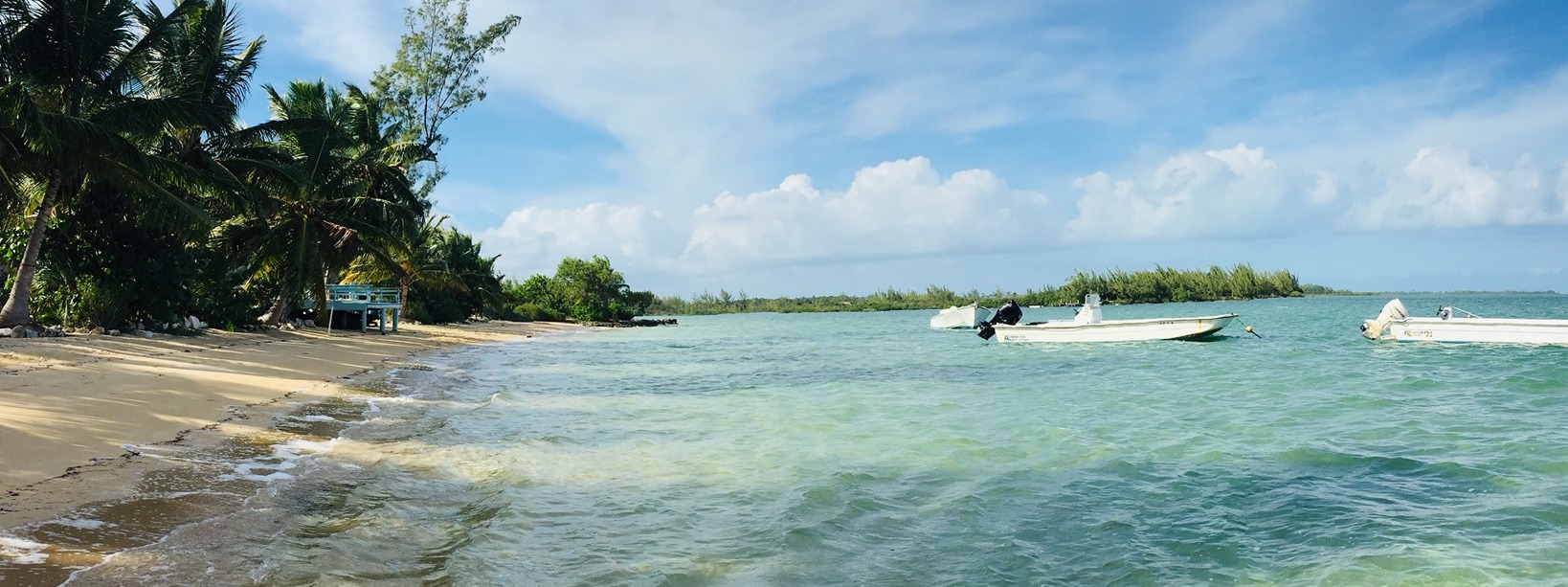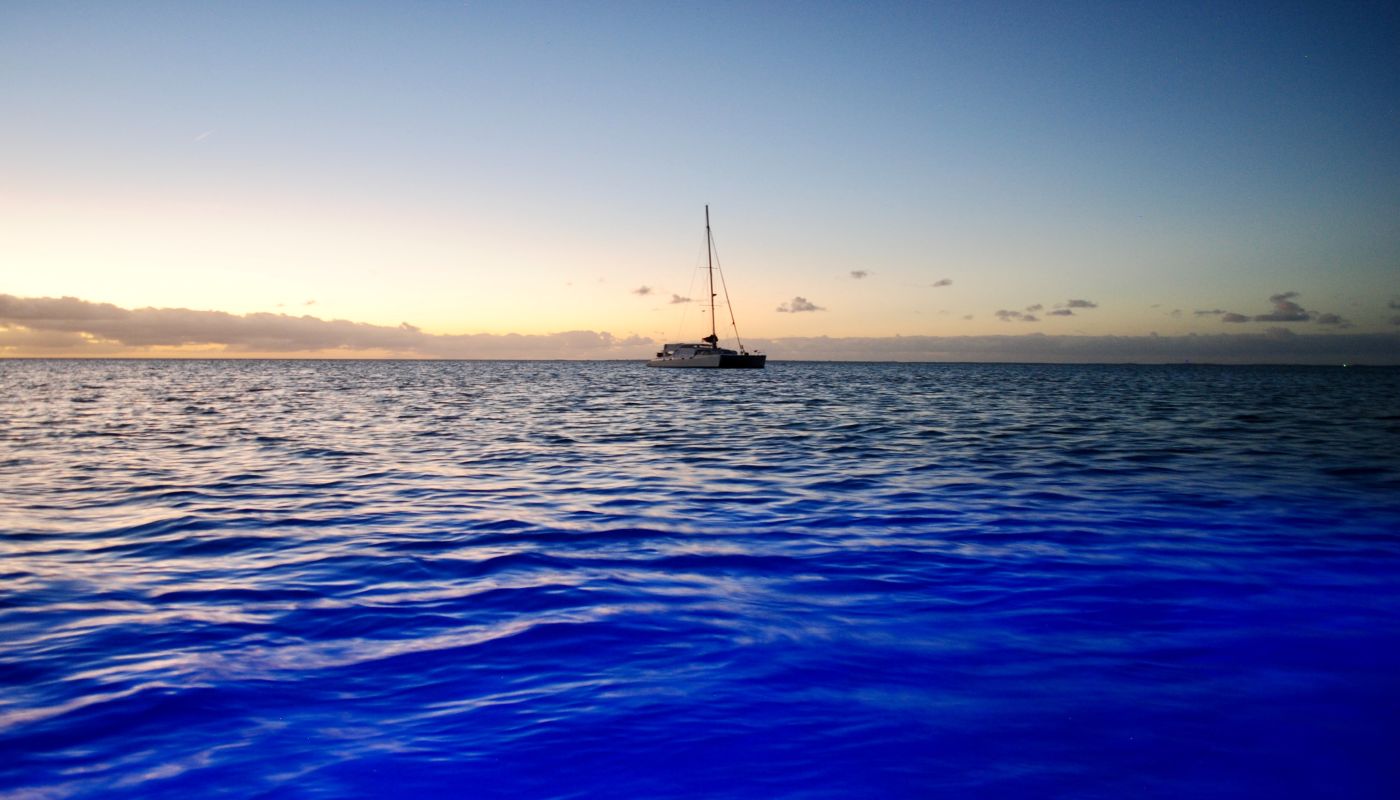
Landscape of The Bahamas
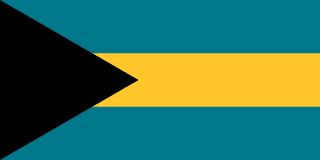
Flag of The Bahamas

The Bahamas

North America

The Bahamas is a beautiful archipelago consisting of over 700 islands, with stunning beaches, crystal-clear waters, and a diverse array of marine life. With its stunning natural beauty and vibrant community, the Bahamas continues to be a beloved destination for travelers and locals alike. With a population of just over 393,000 people, the Bahamas boasts a diverse and welcoming community, with English as the official language. Despite its natural beauty and welcoming people, the Bahamas faces some challenges. For example, the country is vulnerable to hurricanes and other natural disasters. However, the government and the people of the Bahamas are working hard to address these issues and create a better future for their country. In recent years, there has been significant progress in improving the economy and infrastructure, and there is a growing sense of optimism about the country's future.

What would you like to learn about in The Bahamas?

Select a section to explore the country where nonprofits are creating positive change.

About The Bahamas

Lucayan Indians inhabited the islands when Christopher COLUMBUS first set foot in the New World on San Salvador in 1492. British settlement of the islands began in 1647; the islands became a colony in 1783. Since attaining independence from the UK in 1973, The Bahamas has prospered through tourism, international banking, and investment management. Because of its geography, the country is a major transshipment point for illegal drugs, particularly shipments to the US and Europe, and its territory is used for smuggling illegal migrants into the US.

Quick Facts

Population
319,031 (July 2013 est.)
Area
13,880 sq km
ISO Code
BS
Continent
North America
Government
constitutional parliamentary democracy and a Commonwealth realm
Active Causes
12
View all countries in North America

Geography & Environment

Climate

tropical marine; moderated by warm waters of Gulf Stream

Terrain

long, flat coral formations with some low rounded hills

Natural Resources

salt, aragonite, timber, arable land

Environmental Issues

coral reef decay; solid waste disposal

People & Society

71.69 years
Avg. Life Expectancy
95.6%
Literacy Rate
84% of total population (2010)
Total Urban Population

Languages

English (official), Creole (among Haitian immigrants)

Religions

Protestant 67.6% (Baptist 35.4%, Anglican 15.1%, Pentecostal 8.1%, Church of God 4.8%, Methodist 4.2%), Roman Catholic 13.5%, other Christian 15.2%, n...

Health Expenditure

7.9% of GDP (2010) of GDP

Education Expenditure

NA of GDP

Economy

$31,900
GDP per Capita (PPP)
14%
Unemployment Rate
9.3% (2004)
Below Poverty Line

Economic Overview

The Bahamas is one of the wealthiest Caribbean countries with an economy heavily dependent on tourism and offshore banking. Tourism together with tourism-driven construction and manufacturing accounts for approximately 60% of GDP and directly or indirectly employs half of the archipelago's labor force. Financial services constitute the second-most important sector of the Bahamian economy and, when combined with business services, account for about 36% of GDP. Manufacturing and agriculture combined contribute less than a 10th of GDP and show little growth, despite government incentives aimed at...

Causes in The Bahamas

Environment

The Bahamas, an archipelago of islands located in the Atlantic Ocean, faces significant environmental challenges that impact its economy and well-being. As a low-lying nation, The Bahamas is particularly vulnerable to the effects of climate change, including rising sea levels, increasing frequency of extreme weather events, and ocean acidification. These environmental changes threaten the country's vital tourism industry, which heavily relies on pristine beaches and healthy coral reefs. Additionally, deforestation, habitat destruction, and overfishing further exacerbate the environmental issues faced by The Bahamas. It is crucial for the government and local communities to implement sustainable practices and policies to protect the country's natural resources for future generations.

Family

Family plays a crucial role in the social fabric of The Bahamas, shaping the cultural identity and values of its people. The concept of family extends beyond blood relations to include close-knit communities that offer support and solidarity. In The Bahamas, the emphasis on family ties is evident in various aspects of society, including celebrations, traditions, and everyday interactions. Families in The Bahamas often serve as the primary source of emotional and financial support for individuals, providing a sense of belonging and security. Strong family bonds contribute to the resilience and cohesion of Bahamian society, especially in times of challenges such as natural disasters or economic hardships. It is through these familial connections that many Bahamians find strength, comfort, and a sense of belonging in their communities.

Human Rights

The Bahamas, an archipelago nation in the Atlantic Ocean, faces various human rights challenges that impact its population. One critical issue is gender equality, as women in The Bahamas continue to face discrimination in areas such as employment and representation in leadership positions. Additionally, there are concerns regarding the treatment of migrants, particularly Haitians, who often experience exploitation and abuse. The country also grapples with high rates of domestic violence, with many cases going unreported due to social stigma and inadequate support services. These human rights issues highlight the need for systemic reforms and increased awareness to ensure the protection and promotion of human rights for all individuals in The Bahamas.

Education

Education plays a crucial role in The Bahamas, shaping the future of its citizens and the overall development of the nation. Despite progress in recent years, challenges such as limited access to quality education, disparities in educational opportunities between different regions, and infrastructure issues persist. The education system in The Bahamas faces hurdles related to funding, teacher quality, and curriculum relevance. Addressing these challenges is essential to ensure that all individuals have equal opportunities for growth and success. By investing in education, The Bahamas can empower its people, drive economic growth, and enhance social equity within the society.

Poverty

The Bahamas, a country known for its vibrant tourism industry and stunning natural beauty, also grapples with the challenge of poverty. Despite its status as an upper-middle-income country, poverty remains a significant issue, particularly in rural areas and among vulnerable populations such as single-parent households and the elderly. The impact of poverty in The Bahamas is profound, affecting access to education, healthcare, and basic necessities for many residents. Limited economic opportunities, high living costs, and natural disasters exacerbate the problem, leading to income inequality and social disparities. Addressing poverty in The Bahamas requires a multifaceted approach that includes targeted social programs, job creation initiatives, and sustainable economic development strategies to uplift marginalized communities and enhance overall well-being.

Religion

Religion plays a significant role in the cultural fabric of The Bahamas. With a population predominantly identifying as Christian, particularly Protestant and Baptist denominations, religion permeates various aspects of Bahamian society. Churches hold a central place in communities, serving not only as places of worship but also as hubs for social gatherings and support networks. Religious beliefs influence moral values, social norms, and even political decision-making in this island nation. The practice of faith is often intertwined with Bahamian traditions and customs, shaping the way individuals interact with one another and perceive the world around them. Furthermore, religious festivals and holidays are widely celebrated throughout the country, further solidifying the impact of religion on everyday life in The Bahamas.

Clean Water

The Bahamas, an archipelago of islands located in the Atlantic Ocean, faces significant challenges with access to clean water. With a population heavily reliant on tourism and fishing industries, the availability of clean water is crucial for both economic sustainability and public health. The impact of pollution, over-extraction of freshwater resources, and saltwater intrusion due to rising sea levels puts pressure on the limited freshwater sources in the region. Lack of access to clean water not only affects drinking water quality but also hampers sanitation practices, leading to increased health risks for the local communities. As a result, initiatives focusing on water conservation, sustainable management practices, and infrastructure development are essential to ensure a steady supply of clean water for the people of The Bahamas.

Economy

The economy of The Bahamas plays a crucial role in shaping the nation's prosperity and well-being. As an island country heavily reliant on tourism, fluctuations in the global economy can have a significant impact on its economic stability. For The Bahamas, natural disasters such as hurricanes can devastate key industries, leading to job losses and economic hardships for its citizens. Furthermore, income inequality remains a pressing issue, with a significant wealth gap between the affluent minority and the majority of the population. Addressing these economic challenges is essential to ensure sustainable development and improve the quality of life for all Bahamians.

Government

The Bahamas, an archipelago located in the Atlantic Ocean, faces various challenges that are influenced by its government. The country's economy heavily relies on tourism and offshore financial services, making it vulnerable to external factors such as natural disasters and global economic trends. The government plays a crucial role in ensuring the sustainability of these key industries through effective policies and regulations. However, issues like corruption, inadequate infrastructure, and a high crime rate continue to hinder the nation's progress. By addressing these challenges and implementing transparent governance practices, The Bahamas can work towards a more stable and prosperous future.

Health

Health plays a critical role in the well-being of The Bahamas, a country comprising more than 700 islands in the Atlantic Ocean. The nation faces various health challenges, including high rates of non-communicable diseases such as diabetes, hypertension, and obesity. These health issues are often exacerbated by limited access to healthcare services, especially in remote islands, leading to disparities in health outcomes among different communities. Additionally, The Bahamas is vulnerable to natural disasters, such as hurricanes, which can have devastating effects on the population’s physical and mental health. Addressing these health challenges requires a comprehensive approach that includes improving healthcare infrastructure, promoting healthy lifestyles, and strengthening disaster preparedness and response mechanisms.

Children

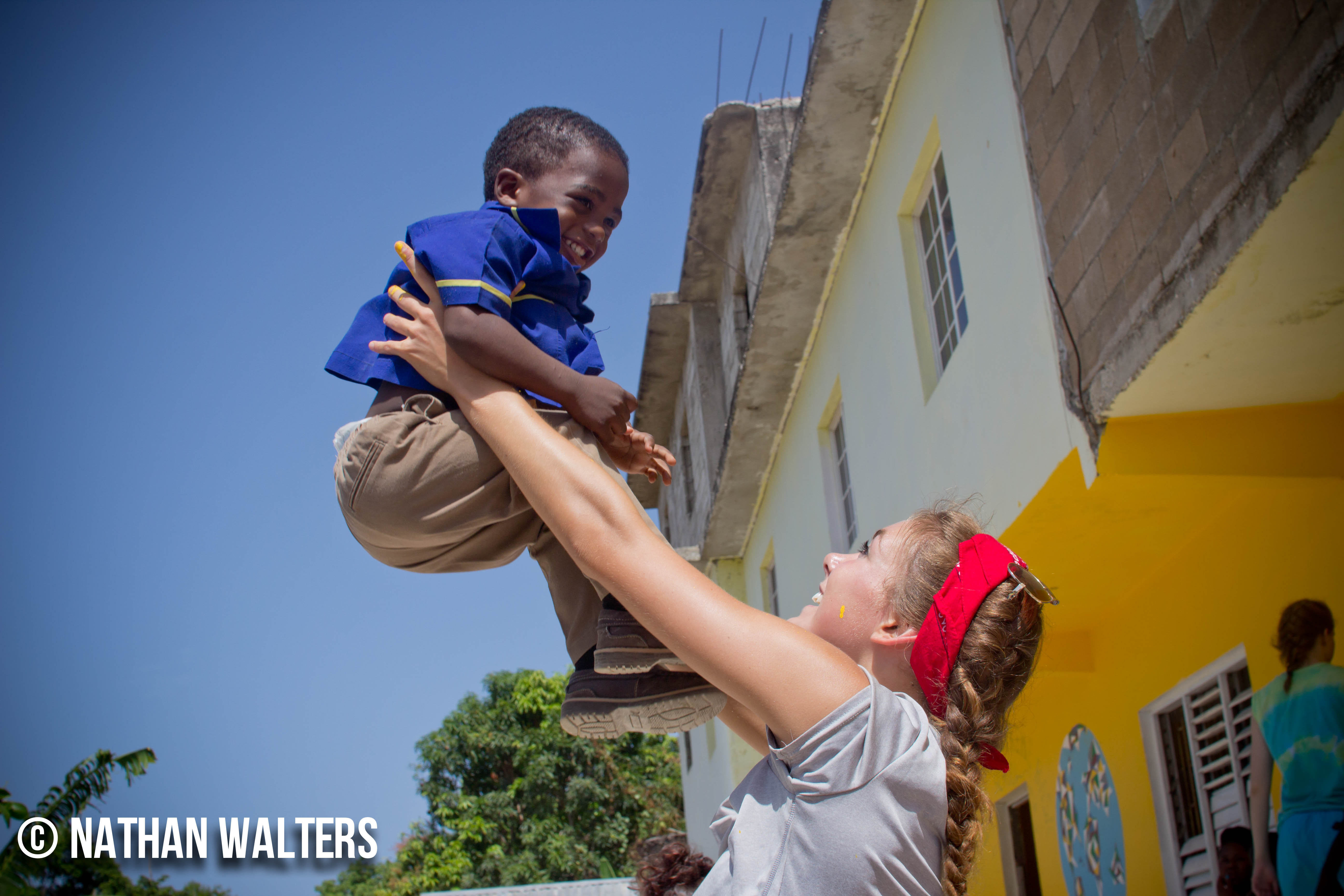
In The Bahamas, children face various challenges that significantly impact their well-being and future opportunities. The country's vulnerability to natural disasters, such as hurricanes, places children at risk of physical harm, displacement, and disrupted education. Additionally, poverty and limited access to quality healthcare and education further exacerbate their hardships. Moreover, issues like child abuse, neglect, and exploitation remain prevalent in Bahamian society, posing grave threats to the safety and development of children. Addressing these challenges requires comprehensive efforts from the government, civil society organizations, and the international community to safeguard the rights and well-being of Bahamian children and ensure they have access to essential services and protection.

Animals

Animals play a significant role in The Bahamas, contributing to both its biodiversity and economy. The country is home to a variety of unique wildlife, including the Bahamian hutia, the Andros rock iguana, and the Bahamian boa. These species are not only important for maintaining the ecological balance of the islands but also serve as attractions for eco-tourism, drawing visitors from around the world. However, The Bahamas faces challenges such as habitat loss, climate change, and unsustainable fishing practices that threaten the survival of many animal species. Conservation efforts are crucial to protect these animals and ensure their continued presence in the region. By raising awareness about the importance of preserving the rich biodiversity of The Bahamas, we can help safeguard its unique wildlife for future generations.

Nonprofits Working in The Bahamas

Discover organizations making a difference in The Bahamas

Make Your Impact Today

Discover causes you care about and support the nonprofits making a difference in communities around the world.

Are you a nonprofit? Join Project World Impact for free

Join Us Free