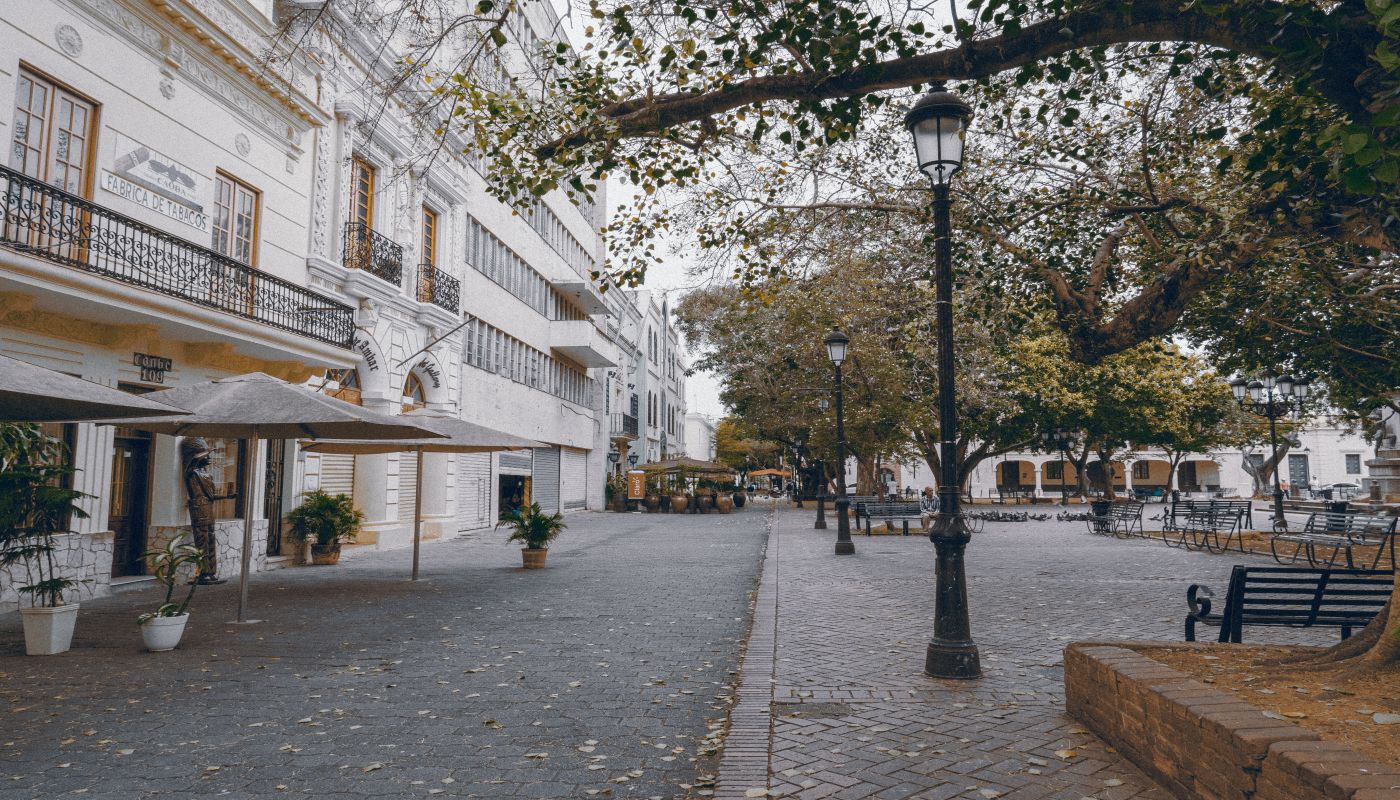
Landscape of Dominican Republic
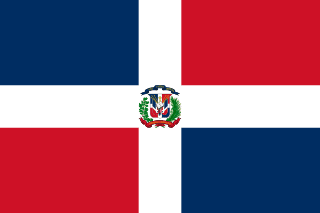
Flag of Dominican Republic

Dominican Republic

North America

With a population of over 10.8 million people, the Dominican Republic is the second-largest country in the Caribbean, The country's geography is characterized by fertile valleys and stunning coastlines, The Dominican Republic has been making great strides in improving its economy and infrastructure, leading to increased foreign investment and business opportunities. The Dominican Republic is also known for its vibrant music and dance scene and is a great place to consider traveling to.

What would you like to learn about in Dominican Republic?

Select a section to explore the country where nonprofits are creating positive change.

About Dominican Republic

The Taino - indigenous inhabitants of Hispaniola prior to the arrival of the Europeans - divided the island into five chiefdoms and territories. Christopher COLUMBUS explored and claimed the island on his first voyage in 1492; it became a springboard for Spanish conquest of the Caribbean and the American mainland. In 1697, Spain recognized French dominion over the western third of the island, which in 1804 became Haiti. The remainder of the island, by then known as Santo Domingo, sought to gain its own independence in 1821 but was conquered and ruled by the Haitians for 22 years; it finally attained independence as the Dominican Republic in 1844. In 1861, the Dominicans voluntarily returned to the Spanish Empire, but two years later they launched a war that restored independence in 1865. A legacy of unsettled, mostly non-representative rule followed, capped by the dictatorship of Rafael Leonidas TRUJILLO from 1930 to 1961. Juan BOSCH was elected president in 1962 but was deposed in a military coup in 1963. In 1965, the United States led an intervention in the midst of a civil war sparked by an uprising to restore BOSCH. In 1966, Joaquin BALAGUER defeated BOSCH in an election to become president. BALAGUER maintained a tight grip on power for most of the next 30 years when international reaction to flawed elections forced him to curtail his term in 1996. Since then, regular competitive elections have been held in which opposition candidates have won the presidency. Former President Leonel FERNANDEZ Reyna (first term 1996-2000) won election to a new term in 2004 following a constitutional amendment allowing presidents to serve more than one term, and was since reelected to a second consecutive term.

Quick Facts

Population
10,219,630 (July 2013 est.)
Area
48,670 sq km
ISO Code
DO
Continent
North America
Government
democratic republic
Active Causes
12
View all countries in North America

Geography & Environment

Climate

tropical maritime; little seasonal temperature variation; seasonal variation in rainfall

Terrain

rugged highlands and mountains with fertile valleys interspersed

Natural Resources

nickel, bauxite, gold, silver

Environmental Issues

water shortages; soil eroding into the sea damages coral reefs; deforestation

People & Society

77.62 years
Avg. Life Expectancy
90.1%
Literacy Rate
69% of total population (2010)
Total Urban Population

Languages

Spanish (official)

Religions

Roman Catholic 95%, other 5%

Health Expenditure

6.2% of GDP (2010) of GDP

Education Expenditure

2.2% of GDP (2007) of GDP

Economy

$9,800
GDP per Capita (PPP)
14.7%
Unemployment Rate
34.4% (2010 est.)
Below Poverty Line

Economic Overview

The Dominican Republic has long been viewed primarily as an exporter of sugar, coffee, and tobacco, but in recent years the service sector has overtaken agriculture as the economy's largest employer, due to growth in telecommunications, tourism, and free trade zones. The economy is highly dependent upon the US, the destination for more than half of exports. Remittances from the US amount to about one-tenth of GDP, equivalent to almost half of exports and three-quarters of tourism receipts. The country suffers from marked income inequality; the poorest half of the population receives less than...

Causes in Dominican Republic

Environment

The Dominican Republic, a country located in the Caribbean, is heavily impacted by various environmental factors. The nation faces challenges such as deforestation, soil erosion, water pollution, and loss of biodiversity due to unsustainable agricultural practices, rapid urbanization, and inadequate waste management. These issues not only threaten the country's rich natural resources but also have far-reaching consequences on public health, food security, and economic stability. The effects of climate change, including more frequent and severe natural disasters like hurricanes and droughts, further exacerbate the environmental challenges faced by the Dominican Republic. Addressing these issues requires a concerted effort from both government and society to implement sustainable practices and policies that protect the environment for future generations.

Family

Family holds significant importance in the social fabric of the Dominican Republic, shaping individuals' values, beliefs, and behaviors. In this Caribbean nation, family is often regarded as the cornerstone of society, with strong bonds among extended family members being prevalent. The concept of "familismo," emphasizing loyalty, reciprocity, and solidarity within the family unit, plays a crucial role in shaping interpersonal relationships and decision-making processes. Families in the Dominican Republic typically provide emotional support, financial assistance, and a sense of belonging to their members. Moreover, familial ties extend beyond immediate relatives to include godparents, close friends, and neighbors, creating a vast network of social connections. The influence of family transcends personal life and extends to various spheres such as education, employment, and healthcare, underscoring its pervasive impact on Dominican society.

Human Rights

The Dominican Republic, a Caribbean nation known for its stunning beaches and rich cultural heritage, faces significant human rights challenges that impact its population. Issues such as discrimination against Haitian migrants and their descendants, gender-based violence, and limited access to healthcare and education have been persistent concerns in the country. The lack of effective enforcement mechanisms to protect human rights, coupled with systemic issues like corruption and weak rule of law, further exacerbate these challenges. Efforts to address these issues through legal reforms and public awareness campaigns have been made, but more work is needed to ensure the protection of human rights for all individuals in the Dominican Republic.

Education

The Dominican Republic, a Caribbean nation known for its vibrant culture and stunning landscapes, faces significant challenges in its education system. Despite efforts to improve access to education, particularly in rural areas, the country continues to grapple with high dropout rates and unequal educational opportunities. The quality of education remains a concern, with limited resources, overcrowded classrooms, and a shortage of qualified teachers hindering student learning outcomes. These issues perpetuate a cycle of poverty and limit the country's potential for economic growth and social development. Addressing these challenges through targeted interventions and investment in education is crucial for the Dominican Republic to achieve sustainable progress and ensure a brighter future for its citizens.

Poverty

The Dominican Republic, a Caribbean nation sharing the island of Hispaniola with Haiti, faces significant challenges related to poverty. Approximately 30% of the population lives below the national poverty line, with rural areas experiencing higher rates of poverty compared to urban centers. Poverty in the Dominican Republic is intricately linked to issues such as limited access to quality education, healthcare, and employment opportunities. This economic disparity not only hinders individual prosperity but also impacts societal development and perpetuates cycles of poverty within communities. Efforts to address poverty in the Dominican Republic require a multifaceted approach that includes targeted social programs, investment in infrastructure, and sustainable economic development initiatives.

Religion

Religion plays a significant role in the cultural fabric of the Dominican Republic, shaping its traditions, values, and societal norms. The country is predominantly Catholic, with Catholicism serving as a cornerstone of Dominican identity and heritage. The influence of religion can be seen in various aspects of daily life, from family dynamics to public holidays and celebrations. Churches hold a central place in communities, acting not only as places of worship but also as hubs for social gatherings and community events. Religious beliefs and practices often guide moral decision-making and ethical considerations within the society. Moreover, religion in the Dominican Republic has historically intersected with politics and social movements, influencing policies and shaping public discourse on various issues. Understanding the profound impact of religion on the people of the Dominican Republic is integral to comprehending the country's cultural landscape and societal dynamics.

Clean Water

The Dominican Republic, a Caribbean nation, faces significant challenges regarding access to clean water. Despite having plentiful rainfall, inadequate infrastructure and pollution have contributed to water scarcity and contamination issues. The lack of clean water sources has led to serious health concerns among the population, with a high prevalence of waterborne diseases such as cholera and typhoid fever. Water scarcity also affects agriculture and economic development in the country. Efforts to improve access to clean water in the Dominican Republic are crucial for safeguarding public health and supporting sustainable growth.

Economy

The Dominican Republic, located in the Caribbean region, is a country that heavily relies on its economy, which significantly impacts its population. The economy of the Dominican Republic is primarily driven by sectors such as tourism, agriculture, and manufacturing. However, despite its economic growth in recent years, the country still faces challenges such as income inequality, high poverty rates, and unemployment. These economic disparities have a direct impact on the quality of life and opportunities available to the people of the Dominican Republic. Addressing these economic issues is crucial for promoting sustainable development and improving the well-being of its citizens.

Government

The Dominican Republic, located on the island of Hispaniola in the Caribbean, has a government system that significantly impacts its citizens and the overall socio-political landscape. The country operates under a democratic republic with a president as the head of state and government. The government's influence is felt in various sectors, including healthcare, education, economy, and infrastructure development. Government policies and decisions directly affect the quality of life for its citizens, shaping their access to essential services and opportunities for social and economic advancement. The Dominican Republic faces challenges such as corruption, income inequality, and issues related to environmental sustainability that require effective governance to address. Through transparency, accountability, and responsive governance, the country can work towards overcoming these challenges and creating a more equitable society for all its residents.

Health

The Dominican Republic, a country located in the Caribbean region, faces numerous health challenges that significantly impact its population. One of the primary health concerns in the Dominican Republic is the prevalence of non-communicable diseases such as diabetes, cardiovascular diseases, and obesity. These conditions are often linked to lifestyle factors including poor diet, lack of physical activity, and limited access to healthcare services. Additionally, infectious diseases like dengue fever and malaria remain a public health threat in certain regions of the country. The healthcare system in the Dominican Republic faces challenges related to inadequate infrastructure, resource constraints, and disparities in access to quality care, particularly for marginalized populations. Addressing these health issues requires a comprehensive approach that involves improving healthcare infrastructure, promoting healthy lifestyles, and ensuring equitable access to healthcare services for all residents of the Dominican Republic.

Children

In the Dominican Republic, children face a multitude of challenges that significantly impact their well-being. Poverty is a prevalent issue affecting a large portion of the population, with children often bearing the brunt of its consequences. Limited access to quality education, healthcare, and basic necessities perpetuates a cycle of poverty that hinders the development and future opportunities of Dominican children. Additionally, child labor remains a pressing concern, with many children forced into exploitative and dangerous work environments due to economic hardship. Furthermore, issues such as child abuse, lack of proper nutrition, and inadequate housing further exacerbate the vulnerabilities faced by children in the Dominican Republic. Addressing these systemic issues requires coordinated efforts from government agencies, non-profit organizations, and the community to ensure the protection and well-being of all children in the country.

Animals

The Dominican Republic is a country known for its diverse wildlife, but many of its native animal species are facing serious threats due to habitat destruction, illegal wildlife trade, and climate change. The impact of these issues on the country's ecosystems is significant, as many species are at risk of extinction. Endemic species such as the Hispaniolan solenodon and the Ridgway's hawk are particularly vulnerable to these threats, highlighting the urgent need for conservation efforts in the region. By raising awareness about the importance of protecting the Dominican Republic's wildlife and their habitats, we can work towards ensuring a sustainable future for these unique species.

Nonprofits Working in Dominican Republic

Discover organizations making a difference in Dominican Republic

NPH USA

NPH USA

NPH USA transforms the lives of orphaned, abandoned and disadvantaged children in Latin America and the Caribbean by supporting the homes, healthcare and educational programs of Nuestros Pequeños Hermanos (NPH, Spanish for "Our Little Brothers and Sisters"). Together, we create families for life and teach children the values of unconditional love, shared responsibility and helping others. Our donors help children overcome poverty and become leaders in their own communities. Since its founding in 1954, NPH has assisted more than 20,000 children and is currently raising more than 3,400 boys and girls in Bolivia, the Dominican Republic, El Salvador, Guatemala, Haiti, Honduras, Mexico, Nicaragua and Peru. An additional 1,600 students who live outside the homes receive scholarships, meals and health care. NPH outreach programs provided over 95,000 services in 2014.

Chicago, Illinois

Make Your Impact Today

Discover causes you care about and support the nonprofits making a difference in communities around the world.

Are you a nonprofit? Join Project World Impact for free

Join Us Free