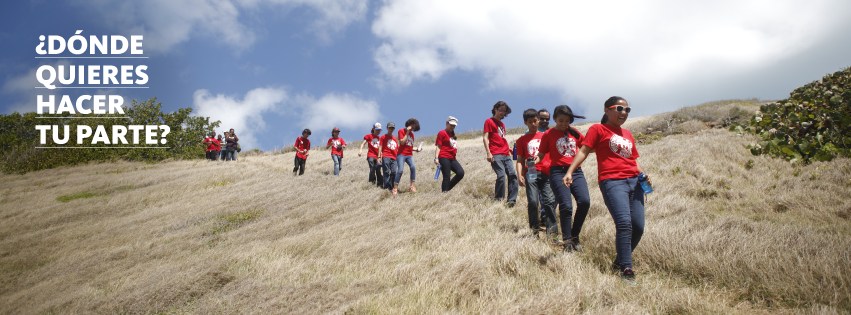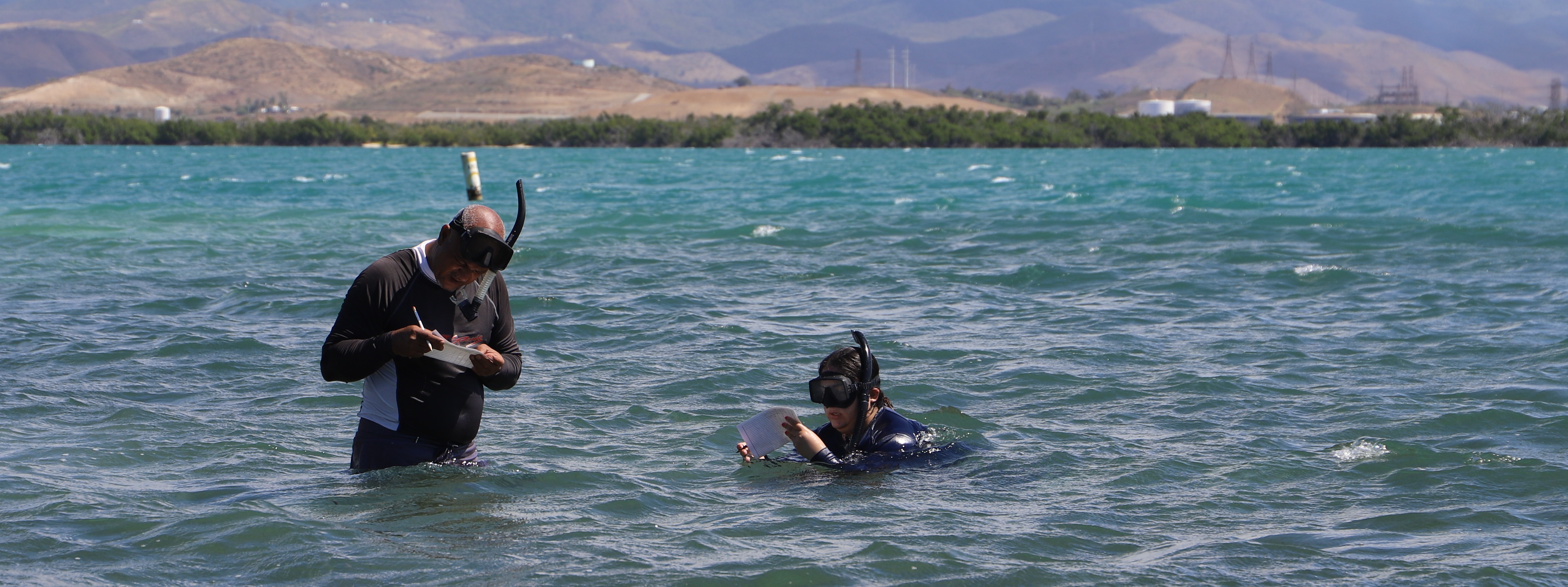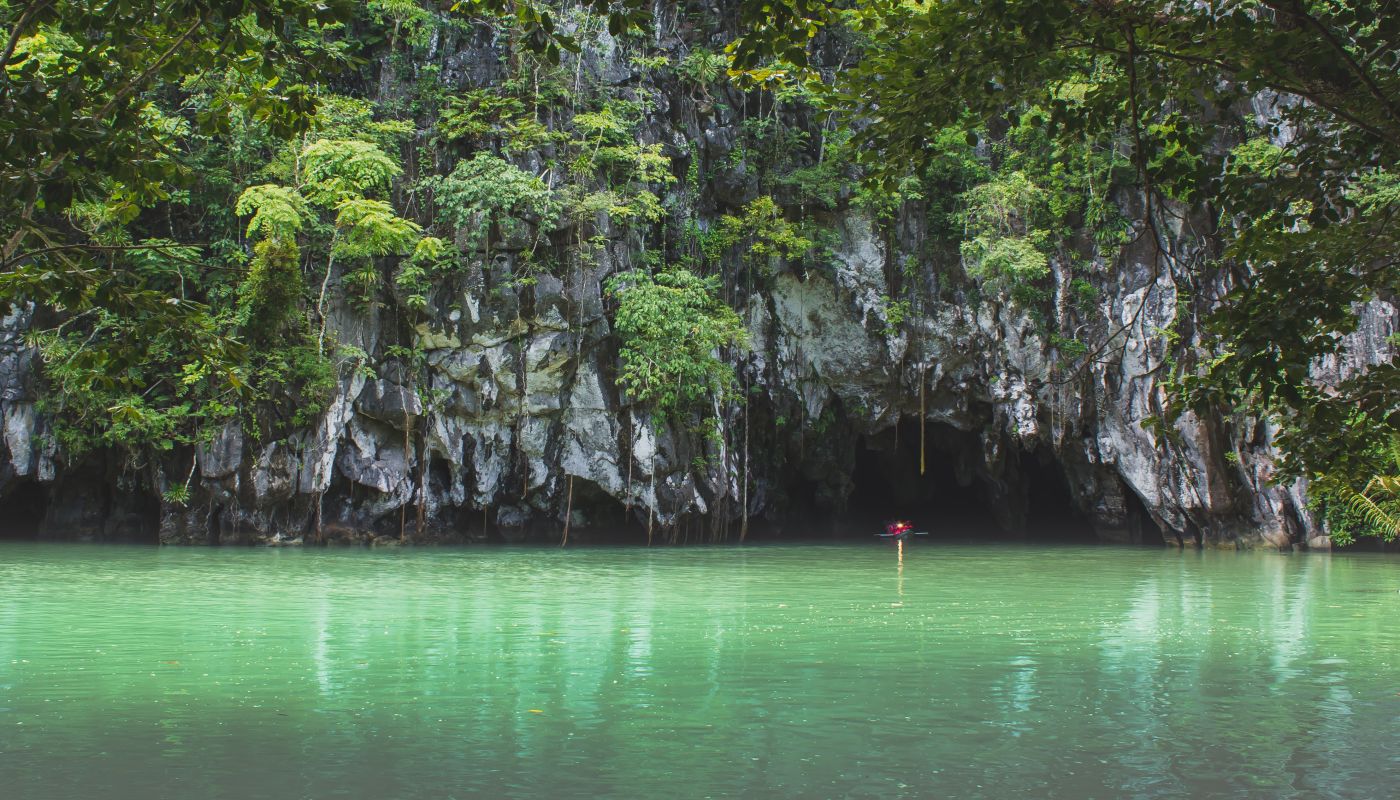
Landscape of Puerto Rico
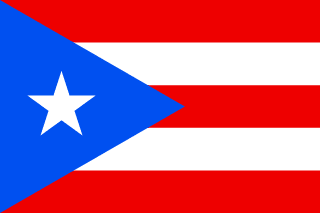
Flag of Puerto Rico

Puerto Rico

North America

With a population of over 3 million people, Puerto Rico is the most populous unincorporated territory of the United States. The island has a unique blend of Spanish, African, and indigenous Taino cultures, which is reflected in its music, dance, food, and art. Puerto Rico is also home to numerous natural wonders, including the El Yunque National Forest, which is the only tropical rainforest in the U.S. National Forest System, and the bioluminescent Mosquito Bay, which is one of the world's most spectacular natural phenomena. Despite its challenges, including recent natural disasters and economic difficulties, the people of Puerto Rico remain resilient and proud of their island, its culture, and its contributions to the United States.

What would you like to learn about in Puerto Rico?

Select a section to explore the country where nonprofits are creating positive change.

About Puerto Rico

With a population of over 3 million people, Puerto Rico is the most populous unincorporated territory of the United States. The island has a unique blend of Spanish, African, and indigenous Taino cultures, which is reflected in its music, dance, food, and art. Puerto Rico is also home to numerous natural wonders, including the El Yunque National Forest, which is the only tropical rainforest in the U.S. National Forest System, and the bioluminescent Mosquito Bay, which is one of the world's most spectacular natural phenomena. Despite its challenges, including recent natural disasters and economic difficulties, the people of Puerto Rico remain resilient and proud of their island, its culture, and its contributions to the United States.

Causes in Puerto Rico

Environment

Puerto Rico, a Caribbean island territory of the United States, is uniquely vulnerable to the impacts of environmental changes due to its geographic location and topography. The island faces a multitude of environmental challenges, including coastal erosion, rising sea levels, intense tropical storms, and limited freshwater resources. These factors are exacerbated by human activities such as deforestation, urbanization, and industrial pollution. The delicate ecosystems and biodiversity of Puerto Rico are under threat, affecting not only the environment but also the economy and well-being of its residents. It is crucial to address these issues through sustainable practices, conservation efforts, and policy initiatives to safeguard Puerto Rico's natural resources for future generations.

Family

Family plays a crucial role in the social fabric of Puerto Rico, shaping the lives of its inhabitants in profound ways. The concept of family extends beyond nuclear relatives to include extended family members, creating a strong sense of community and support among Puerto Ricans. Families in Puerto Rico often prioritize close-knit relationships, mutual care, and respect for elders. This emphasis on family values contributes to the overall well-being and resilience of individuals facing challenges such as natural disasters, economic hardships, or health crises. Furthermore, family gatherings and traditions play a central role in preserving cultural heritage and fostering a sense of belonging among Puerto Ricans. By recognizing the importance of family dynamics in Puerto Rico, we can better understand the societal structures and values that shape the lives of its people.

Human Rights

Puerto Rico, an unincorporated territory of the United States, faces numerous human rights challenges that have a significant impact on its population. The island has been grappling with issues such as poverty, inadequate healthcare access, and high crime rates, which have led to violations of basic human rights for many of its residents. The aftermath of natural disasters, such as Hurricane Maria in 2017, exacerbated these problems, highlighting the vulnerability of the population and the urgent need for improved infrastructure and disaster preparedness measures. Furthermore, Puerto Ricans continue to face political uncertainty regarding their status as a territory, leading to questions about their right to self-determination and representation. These human rights concerns underscore the importance of addressing systemic issues and advocating for the well-being of all individuals in Puerto Rico.

Education

In Puerto Rico, education plays a crucial role in shaping the future of its residents and the overall development of the island. The education system in Puerto Rico faces challenges such as underfunding, lack of resources, and disparities in access to quality education. These issues have a direct impact on the academic achievement and opportunities available to students on the island. The quality of education in Puerto Rico not only affects individual students but also has broader implications for the economy and social well-being of the country. Addressing these challenges and investing in education is essential for improving the lives of Puerto Ricans and fostering sustainable growth and development.

Poverty

Puerto Rico, a territory of the United States, faces significant challenges with poverty that have a profound impact on its population. The poverty rate in Puerto Rico is alarmingly high, with approximately 43% of residents living below the poverty line. This high level of poverty is exacerbated by factors such as limited access to quality education, healthcare, and job opportunities. The island's economy has also been struggling for years, further contributing to the cycle of poverty. As a result, many Puerto Ricans are forced to make difficult choices between basic necessities, leading to a decreased quality of life and limited opportunities for upward mobility. It is crucial to address these systemic issues and provide support to the people of Puerto Rico to break the cycle of poverty and improve their overall well-being.

Religion

Religion holds significant influence in Puerto Rico, shaping the cultural landscape and societal norms of the nation. The predominant religion in Puerto Rico is Christianity, with Catholicism being the most widely practiced faith. The Catholic Church has played a crucial role in the history of Puerto Rico, influencing everything from politics to social issues. In recent years, there has been a resurgence of interest in traditional Afro-Caribbean religions, such as Santeria and Vodou, reflecting the diverse religious tapestry of the island. Religious beliefs permeate many aspects of Puerto Rican life, including festivals, rituals, and daily practices, highlighting the profound impact that religion has on the people of Puerto Rico.

Clean Water

Puerto Rico, a U.S. territory in the Caribbean, faces significant challenges in ensuring access to clean water for its residents. The island's aging infrastructure, exacerbated by natural disasters such as hurricanes, has resulted in widespread contamination of water sources and limited access to safe drinking water. The lack of proper wastewater treatment facilities further compounds the issue, leading to environmental degradation and public health risks. Clean water is crucial for the well-being of Puerto Ricans, as it is essential for drinking, sanitation, agriculture, and tourism. Addressing water quality issues requires significant investments in infrastructure upgrades and regulatory enforcement to safeguard this vital resource for current and future generations.

Economy

Puerto Rico, an unincorporated territory of the United States, faces significant economic challenges that deeply impact its population. The island's economy has been struggling for years, characterized by high unemployment rates, a shrinking labor force, and a heavy reliance on government jobs. One of the key contributing factors to Puerto Rico's economic woes is its status as a territory rather than a state, which limits its access to federal funding and programs. Additionally, the devastation caused by natural disasters such as Hurricane Maria in 2017 has further exacerbated the economic hardship faced by the people of Puerto Rico. In recent years, the island has also grappled with a mounting debt crisis, leading to austerity measures and budget cuts that have had far-reaching consequences on public services and infrastructure development. The economic challenges facing Puerto Rico are complex and multifaceted, requiring long-term solutions to support sustainable growth and development for its residents.

Government

Puerto Rico, an unincorporated territory of the United States, has faced numerous challenges driven by its complex relationship with the federal government. The impact of government policies and decisions on the island's economy, infrastructure, and overall well-being cannot be understated. The implementation of the PROMESA Act in 2016, aimed at addressing Puerto Rico's debt crisis, has sparked debates regarding its effectiveness and consequences for the local population. Additionally, the lack of voting representation in the U.S. Congress leaves Puerto Ricans with limited avenues to influence decisions that directly affect their lives. The government's response to natural disasters such as Hurricane Maria in 2017 further highlights the vulnerabilities faced by Puerto Ricans in times of crisis. It is crucial to recognize and address the systemic issues that stem from Puerto Rico's political status in order to advocate for meaningful change and support for its residents.

Health

Puerto Rico, a territory of the United States, faces unique challenges in the realm of public health. The island has been grappling with a multitude of health issues that have a significant impact on its population. One of the most pressing concerns is the lack of access to quality healthcare services, exacerbated by an underfunded healthcare system and limited resources. The prevalence of chronic diseases such as diabetes, hypertension, and obesity is alarmingly high, contributing to a higher mortality rate compared to the U.S. mainland. Additionally, natural disasters like hurricanes and earthquakes have further strained the healthcare infrastructure, leading to disruptions in medical services and increased vulnerability among the population. Addressing these health disparities and improving access to care are crucial steps towards promoting the well-being of Puerto Ricans and building a more resilient healthcare system in the region.

Children

Puerto Rico faces various challenges that impact children across the nation. The island's economic struggles, exacerbated by natural disasters such as hurricanes, have significantly affected the well-being of its youth. Poverty rates in Puerto Rico are notably high, with around 56% of children living below the federal poverty line. This economic instability often translates into limited access to quality education, healthcare, and basic necessities for many children on the island. Furthermore, the mental health of Puerto Rican children is a growing concern, with studies indicating higher rates of anxiety and depression compared to their counterparts on the mainland United States. Addressing these issues requires a comprehensive approach that prioritizes investment in social programs, infrastructure, and educational opportunities for Puerto Rican youth.

Animals

Animals play a significant role in Puerto Rico, not only as a source of biodiversity but also as a crucial component of the island's ecosystem. The diverse range of animal species inhabiting Puerto Rico, from its native parrots and coqui frogs to its endangered leatherback sea turtles, contribute to the overall health and balance of the environment. However, these animals face numerous threats, including habitat loss, pollution, climate change, and illegal poaching. Deforestation and urbanization have led to the destruction of natural habitats, putting many species at risk of extinction. Additionally, pollution from plastic waste and chemicals contaminates the waterways, impacting marine life and endangering their survival. It is imperative to raise awareness about the importance of preserving Puerto Rico's wildlife and taking action to protect these vulnerable animals for the future generations to come.

Nonprofits Working in Puerto Rico

Discover organizations making a difference in Puerto Rico

KENDALL OPTOMETRY MINISTRY INC

ORGANIZATIONAL MISSION STATEMENT With primary emphasis in underdeveloped countries, Kendall Optometry Ministry, Inc. was established in 2003 to spread the Word of our Lord and Savior Jesus Christ. This is accomplished by providing glasses to improve the vision of people living in many underdeveloped countries. These impoverished people can now see to read their Bible, and also improve their standard of living. Kendall Optometry Ministry, Inc (KOM) is a 501-3c non-profit organization formed to provide optical equipment and training to Christian optical mission teams traveling all over the world. The equipment and training is provided at no cost and supplies are provided at a break even price. Teams are responsible for building their own eyeglasses inventory but much assistance (in the form of training and software) is provided by KOM to assist in the building of this inventory. KOM also has a limited supply of barcoded glasses (prescription in barcode) which can be used to quickly build an inventory. A testimonial by the President. (Revised: 9/8/2018) I grew up in a Christian family. My father, M. H. Kendall , was a college professor and head of the religion department at Mars Hill College, Mars Hill, N.C. for nearly 40 years. I worked for 29 years for General Electric Appliances in Louisville, Ky. During the last 4 years I averaged several hundred thousand miles each year on international travel installing computer systems. All of this travel went flawlessly. God blessed me in everything that I did. It was something that I found to be obvious that God had a hand in my work. In July, 1999 I decided I would take one mission trip to Honduras working through an organization called "Baptist Medical Dental Mission International" (BMDMI.ORG). My intent was to "pay back the Lord" with this one mission trip. When I arrived in the village, I asked the team leader what he wanted me to do. He said he had several boxes of used prescription glasses to hand out. These glasses were dirty, broken, and not measured. As you can see in Figure 1 to the left (scroll down a bit), we just set them out on a table and people came by and tried them on until something helped them. I immediately knew this was wrong but it was the best we could do then. I came back from that trip with a God Given passion to do it better. Since 1999 I have gone to Honduras 27 times and Nicaragua 3 times. Each time something would be improved. The use of the autorefractor was introduced into Honduras in 2003 (to see Figure 2 scroll down a bit) and another one into Nicaragua in 2004. A special series of computer programs were developed to manage and build the inventory. You can review these programs at http://eyeglasses-Inventory.com/. Since 2003 of the 51 BMDMI mission teams more than 95% of these teams use the equipment and software developed by Kendall Optometry Ministry, Inc. In 2003 Kendall Optometry Ministry was incorporated as a 501-3c non-profit company. Using donations provided by several churches and individuals this company purchased a set of equipment which could be loaned out to Christian mission teams going all over the world. Later in 2005 a 2nd kit was purchased and in 2006 a 3rd and a 4th kit was purchased. In the beginning of 2007 a 5th kit was purchased. At the end of 2007 a 6th and 7th kit including a Retinomax 3 was purchased. By the end of 2009 the company owned 10 kits. In 2010 the company purchased two more kits. In 2011 the company purchased 1 more kit bringing the total to 13. By 2017 the company had purchased 18 kits. In 2018 KOM purchased kit number 19. See the growth of the company at this link. 2018 is only part of the year on this graph. Other teams will participate. The teams use this equipment to not only allow people to read their Bible but to also to help them improve their standard of living. You can read about some of these teams in the Teams Supported area of this web site. Tell us about your Christian mission team. Let us help you be more effective in your work for the Lord. If you would like our help send an E-Mail to: HollandKendall@kendalloptoministry.org Holland Kendall, President Kendall Optometry Ministry, Inc.

LOUISVILLE, Kentucky

Make Your Impact Today

Discover causes you care about and support the nonprofits making a difference in communities around the world.

Are you a nonprofit? Join Project World Impact for free

Join Us Free