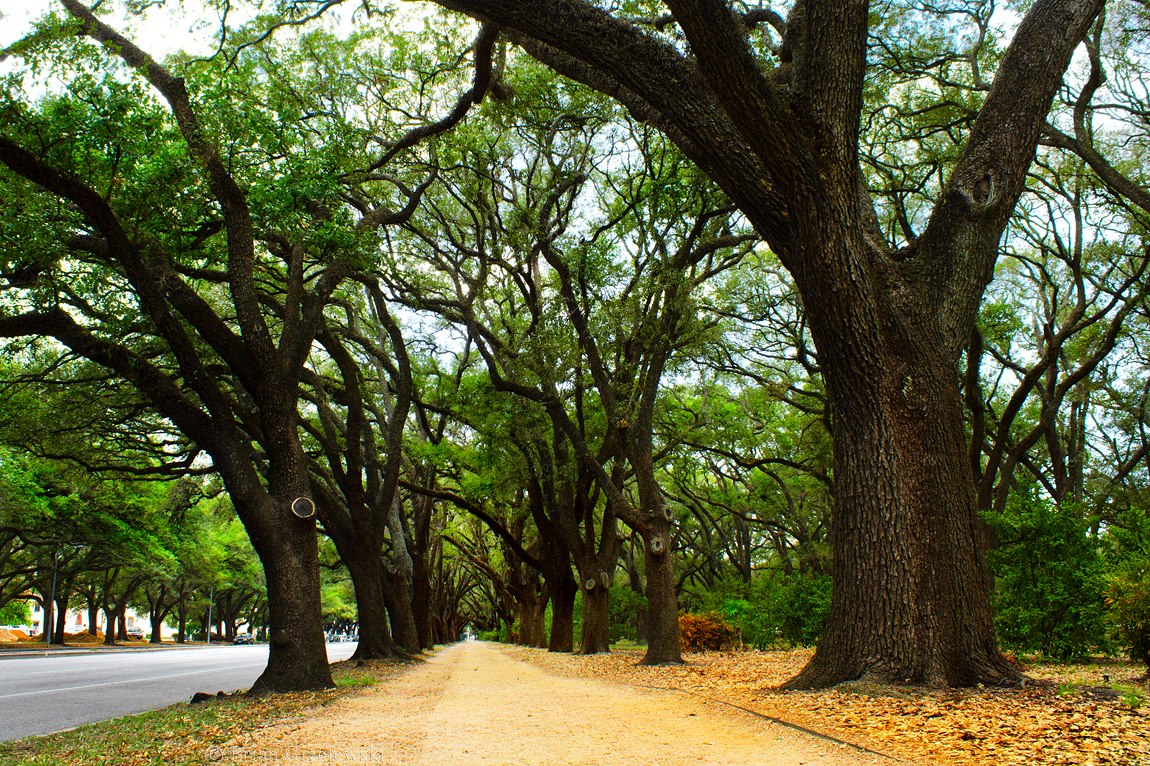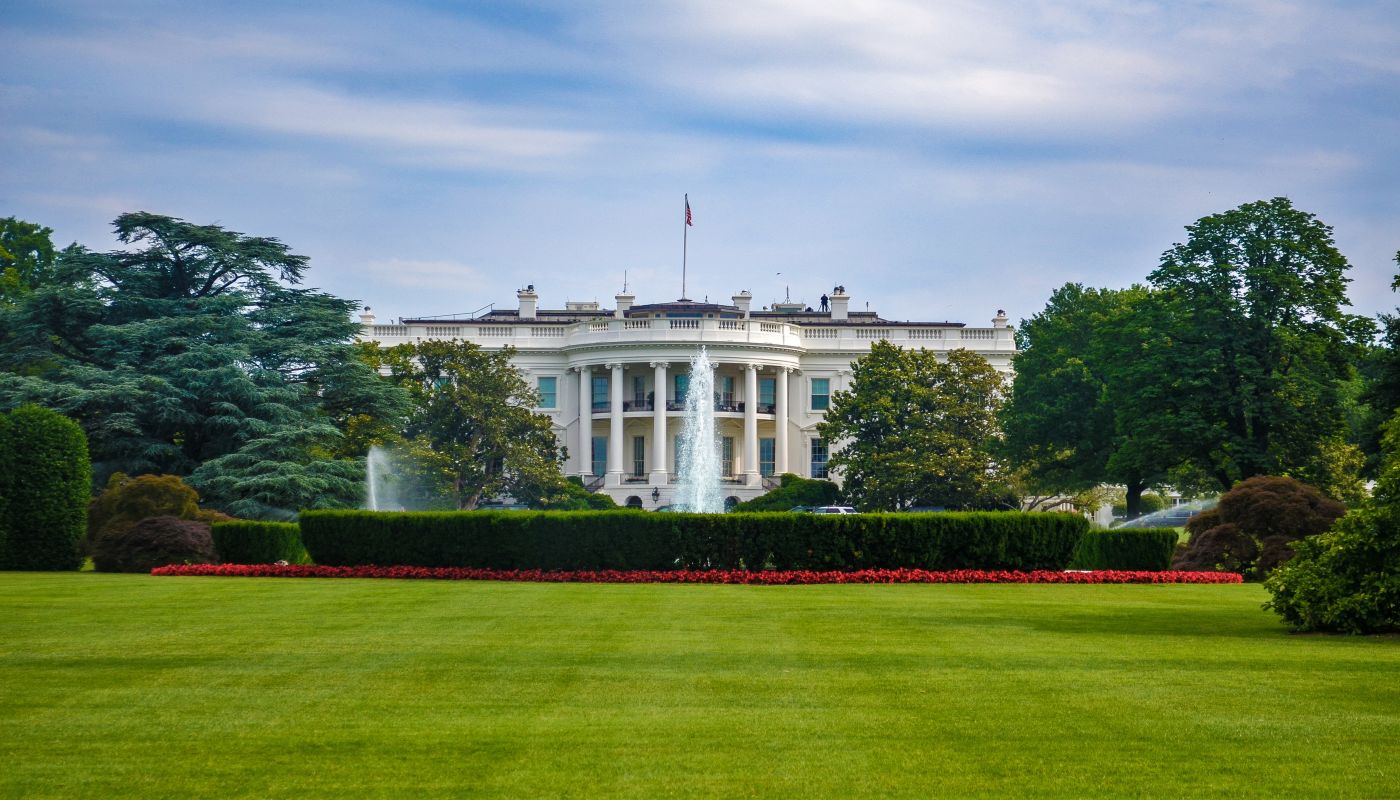
Landscape of United States of America
Flag of United States of America

United States of America

North America

The United States is a vast and diverse country located in North America, bordered by Canada to the north and Mexico to the south. It is home to over 331 million people and is the third-largest country in the world by land area. The US is known for its cultural and geographical diversity, with major cities such as New York, Los Angeles, and Chicago, as well as iconic natural landmarks like the Grand Canyon and Yellowstone National Park. The country's political system is a federal constitutional republic, with a strong emphasis on individual freedoms and democratic institutions. The US is also a major economic power, with a highly developed capitalist economy and a dominant position in global trade and finance. Despite its challenges, the United States remains a beacon of innovation and opportunity, attracting millions of immigrants and visitors from around the world every year.

What would you like to learn about in United States of America?

Select a section to explore the country where nonprofits are creating positive change.

About United States of America

Britain's American colonies broke with the mother country in 1776 and were recognized as the new nation of the United States of America following the Treaty of Paris in 1783. During the 19th and 20th centuries, 37 new states were added to the original 13 as the nation expanded across the North American continent and acquired a number of overseas possessions. The two most traumatic experiences in the nation's history were the Civil War (1861-65), in which a northern Union of states defeated a secessionist Confederacy of 11 southern slave states, and the Great Depression of the 1930s, an economic downturn during which about a quarter of the labor force lost its jobs. Buoyed by victories in World Wars I and II and the end of the Cold War in 1991, the US remains the world''s most powerful nation state. Since the end of World War II, the economy has achieved relatively steady growth, low unemployment and inflation, and rapid advances in technology.

Quick Facts

Population
316,668,567 (July 2013 est.)
Area
9,826,675 sq km
ISO Code
US
Continent
North America
Government
Constitution-based federal republic; strong democratic tradition
Active Causes
12
View all countries in North America

Geography & Environment

Climate

mostly temperate, but tropical in Hawaii and Florida, arctic in Alaska, semiarid in the great plains west of the Mississippi River, and arid in the Great Basin of the southwest; low winter temperature...

Terrain

vast central plain, mountains in west, hills and low mountains in east; rugged mountains and broad river valleys in Alaska; rugged, volcanic topography in Hawaii

Natural Resources

coal, copper, lead, molybdenum, phosphates, rare earth elements, uranium, bauxite, gold, iron, mercury, nickel, potash, silver, tungsten, zinc, petroleum, natural gas, timber

Environmental Issues

air pollution resulting in acid rain in both the US and Canada; large emitter of carbon dioxide from the burning of fossil fuels; water pollution from runoff of pesticides and fertilizers; limited nat...

People & Society

78.62 years
Avg. Life Expectancy
99%
Literacy Rate
82% of total population (2010)
Total Urban Population

Languages

English 82.1%, Spanish 10.7%, other Indo-European 3.8%, Asian and Pacific island 2.7%, other 0.7% (2000 census)

Religions

Protestant 51.3%, Roman Catholic 23.9%, Mormon 1.7%, other Christian 1.6%, Jewish 1.7%, Buddhist 0.7%, Muslim 0.6%, other or unspecified 2.5%, unaffil...

Health Expenditure

17.9% of GDP (2010) of GDP

Education Expenditure

5.4% of GDP (2009) of GDP

Economy

$50,700
GDP per Capita (PPP)
8.1%
Unemployment Rate
15.1% (2010 est.)
Below Poverty Line

Economic Overview

The US has the largest and most technologically powerful economy in the world, with a per capita GDP of $49,800. In this market-oriented economy, private individuals and business firms make most of the decisions, and the federal and state governments buy needed goods and services predominantly in the private marketplace. US business firms enjoy greater flexibility than their counterparts in Western Europe and Japan in decisions to expand capital plant, to lay off surplus workers, and to develop new products. At the same time, they face higher barriers to enter their rivals' home markets than f...

Causes in United States of America

Environment

The United States of America, one of the world's largest and most influential nations, faces a myriad of environmental challenges that significantly impact its population and ecosystems. From the devastating effects of climate change to pollution from industrial activities, the environment plays a crucial role in shaping the health and well-being of Americans. Rising temperatures have led to more frequent and severe natural disasters, such as hurricanes, wildfires, and floods, causing extensive damage to infrastructure and loss of life. Poor air quality resulting from emissions from vehicles and factories has been linked to respiratory diseases and other health issues among the populace. The depletion of natural resources, like fresh water and forests, also poses a threat to sustainability and biodiversity in the country. By understanding the impact of these environmental issues, individuals and policymakers can work together to implement solutions that promote a healthier and more sustainable future for all Americans.

Family

In the United States of America, the concept of family plays a significant role in shaping individuals and communities. Strong family bonds are often associated with better mental health, social well-being, and overall life satisfaction. However, issues such as divorce rates, single-parent households, and strained family relationships can have adverse effects on individuals and society as a whole. Research has shown that children from stable and supportive family environments tend to perform better academically, have higher self-esteem, and exhibit lower rates of delinquency. Conversely, those from fragmented or dysfunctional families may face challenges in various aspects of their lives, including emotional stability and future success. By recognizing the importance of family dynamics and promoting healthy relationships within families, we can work towards building a more resilient and harmonious society.

Human Rights

The United States of America, a country founded on the principles of freedom and equality, has long been a global leader in promoting human rights. However, despite its commitment to upholding these values, challenges persist in ensuring the full realization of human rights for all its citizens. Issues such as systemic racism, income inequality, and access to healthcare continue to impact marginalized communities disproportionately. The country's history of racial discrimination, as well as ongoing debates surrounding immigration and gender equality, highlight the complex and evolving nature of human rights in America. By addressing these challenges head-on and working towards a more inclusive and equitable society, the United States can better fulfill its promise of justice and liberty for all.

Education

In the United States of America, education plays a crucial role in shaping individuals and society as a whole. Access to quality education significantly impacts a person's socio-economic status, employment opportunities, and overall well-being. The educational system in the U.S. has been shown to perpetuate disparities among different socio-economic groups, with marginalized communities often facing inadequate resources and opportunities for academic success. Moreover, disparities in access to education can contribute to widening income gaps and perpetuate cycles of poverty. It is imperative for policymakers and stakeholders to address these systemic issues and work towards creating a more equitable and inclusive educational system that provides equal opportunities for all individuals.

Poverty

The United States of America, a developed nation, faces a significant challenge with poverty that affects millions of its citizens. Poverty in the U.S. is a complex issue influenced by various factors such as low wages, lack of affordable housing, limited access to education and healthcare, systemic racism, and economic inequality. According to the U.S. Census Bureau, in 2020, around 10.5% of Americans were living below the poverty line. The impact of poverty in the U.S. is profound, leading to disparities in health outcomes, educational attainment, and overall well-being. It is crucial to address the root causes of poverty through policies that promote economic opportunity, social mobility, and equity to ensure a better future for all Americans.

Religion

Religion has long played a significant role in shaping the cultural and social landscape of the United States of America. With a diverse population encompassing a wide range of faith traditions, religious beliefs have influenced various aspects of American life, from politics to education. Christianity remains the dominant religion, with Protestantism being the largest Christian denomination in the country. However, the US is also home to substantial Jewish, Muslim, Buddhist, Hindu, and other religious communities. Religion has been a driving force behind numerous social movements in American history, including the abolitionist movement, civil rights movement, and women's suffrage movement. Today, religion continues to impact public policy debates on issues such as abortion, LGBTQ rights, and religious freedom. Understanding the complexities of religion in America is crucial for fostering mutual respect and dialogue among its diverse population.

Clean Water

Clean water is a fundamental resource vital to the well-being of the United States of America. Access to clean water is essential for public health, agriculture, industry, and environmental sustainability. However, challenges such as pollution, aging infrastructure, and climate change threaten the quality and availability of clean water in the country. Polluted water sources can lead to serious health issues and environmental degradation. Inadequate access to clean water disproportionately affects marginalized communities, exacerbating existing social inequalities. Addressing these challenges requires comprehensive policies and investments in water infrastructure and conservation efforts to ensure a sustainable supply of clean water for current and future generations.

Economy

The United States of America stands as one of the world's largest economies, characterized by a diverse range of industries and a well-developed financial system. The country's economy significantly impacts its citizens' quality of life, with fluctuations in economic growth, employment rates, and income levels shaping individual prosperity. The economy also plays a crucial role in influencing social policies, healthcare access, educational opportunities, and overall societal well-being. Economic stability and growth are essential for ensuring a high standard of living and fostering economic mobility for all Americans.

Government

The United States of America, a federal republic comprising 50 states, is profoundly influenced by its government at various levels. The U.S. government plays a crucial role in shaping the nation's economy, social policies, and international relations. Through its legislative, executive, and judicial branches, the government enacts laws, establishes regulations, and allocates resources that impact every aspect of American life. Government initiatives such as healthcare reform, tax policies, infrastructure development, and national security measures directly affect the daily lives of U.S. citizens. Furthermore, the government's decisions on foreign policy, trade agreements, and diplomatic relations have far-reaching implications for global stability and the country's standing in the international community. Understanding the role and impact of government in the United States is essential for fostering informed citizenship and promoting active civic engagement.

Health

In the United States of America, health plays a critical role in shaping the well-being of its population. The country faces several health challenges, including high rates of chronic diseases such as obesity, diabetes, and heart disease. These diseases not only impact individual health but also place a significant economic burden on the healthcare system. Moreover, disparities in access to healthcare services further exacerbate health outcomes, particularly among minority and marginalized populations. Addressing these health issues requires a multifaceted approach that encompasses preventive measures, improved healthcare access, and greater awareness of healthy lifestyle choices. By prioritizing public health initiatives and promoting equitable healthcare services, the United States can work towards improving the overall health and well-being of its citizens.

Children

In the United States of America, children play a significant role in the fabric of society, serving as the future leaders and contributors to the nation's progress. However, various factors can impact children in profound ways, influencing their well-being and development. Issues such as poverty, inadequate access to education and healthcare, family instability, and exposure to violence can have detrimental effects on children's physical, emotional, and cognitive growth. Research has shown that adverse childhood experiences can lead to long-term negative outcomes, including mental health disorders, substance abuse, and difficulties in school and employment. It is crucial for policymakers, communities, and individuals to prioritize the well-being of children through targeted interventions and support systems to ensure that all children have the opportunity to thrive and reach their full potential.

Animals

In the United States of America, animals hold significant importance and play various roles in society, ranging from companionship to scientific research. Companion animals, such as dogs and cats, provide emotional support and companionship to millions of Americans, positively impacting their mental health and well-being. Livestock animals, including cows and chickens, contribute to the country's economy through agriculture and food production. Wildlife conservation efforts are also substantial in the U.S., with initiatives to protect endangered species and preserve natural habitats. Moreover, animals are crucial for scientific research in fields like medicine and biology, leading to advancements in healthcare and technology. However, challenges such as animal cruelty, habitat destruction, and wildlife trafficking persist, highlighting the need for continued advocacy and conservation efforts to protect animals in the United States.

Nonprofits Working in United States of America

Discover organizations making a difference in United States of America

Vincent House

Vincent House

Vincent House offers a holistic approach to transforming lives of adults affected by mental health challenges. Participants at Vincent House have access to the entire range of training opportunities in our Recovery through Work Partnership, including socialization, work, education, and shared responsibility. Vincent House members develop skills, achieve educational goals, obtain paid employment, find friendship, pursue careers and lead purposeful lives. Vincent House is a family-founded, not-for-profit organization that relies on a financial partnership with members and their families. Tuition covers approximately one half the actual cost of services; financial assistance is available to eligible applicants and their families. Vincent House leads adults with mental illness on a journey to wellness, with work being the core healing process.

Pinellas Park, Florida

Make Your Impact Today

Discover causes you care about and support the nonprofits making a difference in communities around the world.

Are you a nonprofit? Join Project World Impact for free

Join Us Free