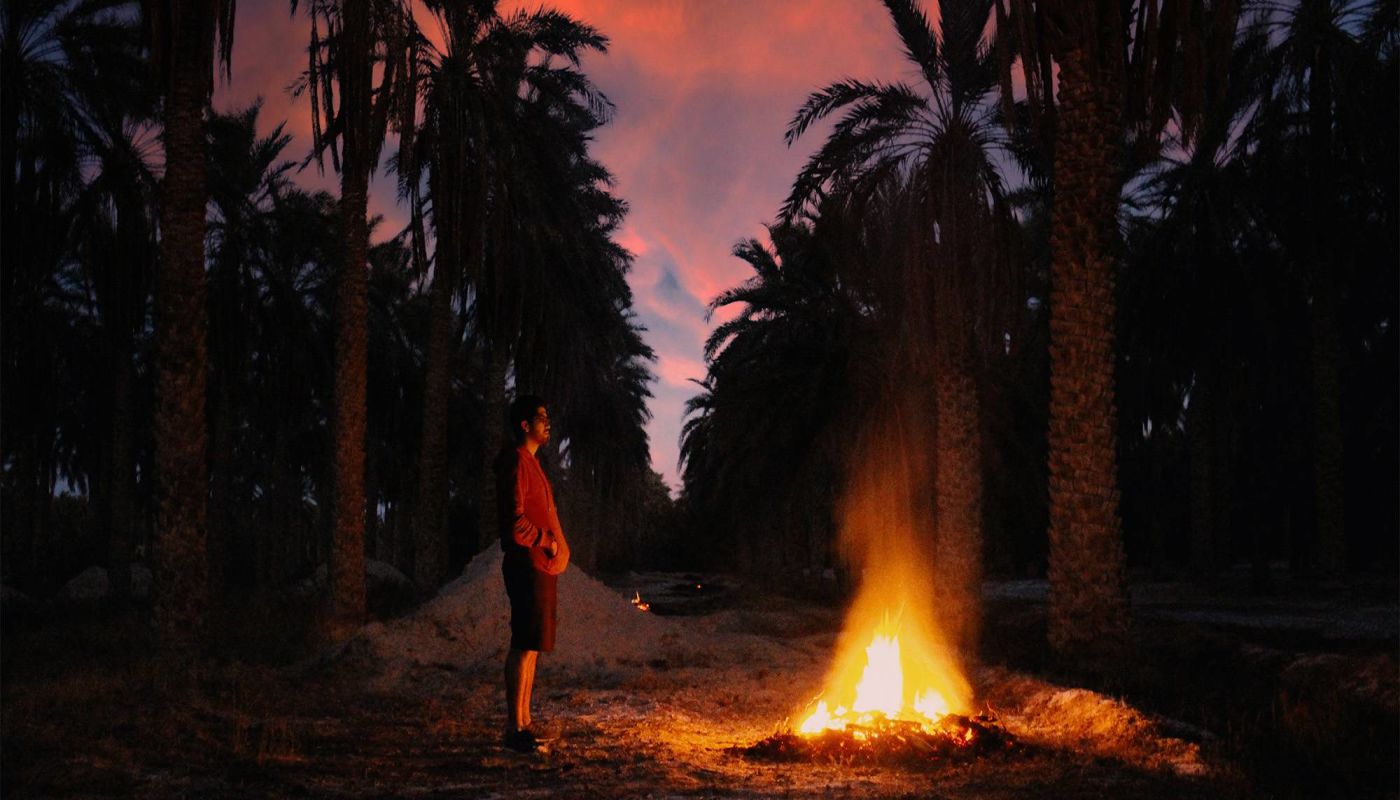
Landscape of Algeria
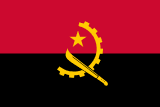
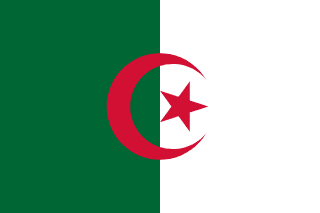
Flag of Algeria

Algeria

Africa

Algeria is a vibrant and diverse country located in North Africa, bordered by Tunisia, Libya, Niger, Mali, Mauritania, Western Sahara, and Morocco. The country covers an area of approximately 2.38 million square kilometers and has a population of over 44 million people. Algeria is home to stunning landscapes, including the Sahara Desert, the Atlas Mountains, and the Mediterranean coastline. The country has a rich cultural heritage, with influences from Berber, Arab, and European cultures, which are reflected in its cuisine, music, and art. In recent years, Algeria has been making progress in areas such as education and healthcare and has a growing tourism industry. Algeria's strategic location as a gateway to Africa and Europe, along with its abundance of natural resources, presents significant opportunities for economic growth and development. Algeria's rich culture, diverse landscapes, and ongoing progress in various areas make it a country with immense potential and exciting opportunities for growth and development.

What would you like to learn about in Algeria?

Select a section to explore the country where nonprofits are creating positive change.

About Algeria

After more than a century of rule by France, Algerians fought through much of the 1950s to achieve independence in 1962. Algeria's primary political party, the National Liberation Front (FLN), was established in 1954 as part of the struggle for independence and has largely dominated politics since. The Government of Algeria in 1988 instituted a multi-party system in response to public unrest, but the surprising first round success of the Islamic Salvation Front (FIS) in the December 1991 balloting led the Algerian army to intervene and postpone the second round of elections to prevent what the secular elite feared would be an extremist-led government from assuming power. The army began a crackdown on the FIS that spurred FIS supporters to begin attacking government targets. Fighting escalated into an insurgency, which saw intense violence from 1992-98, resulting in over 100,000 deaths - many attributed to indiscriminate massacres of villagers by extremists. The government gained the upper hand by the late-1990s, and FIS's armed wing, the Islamic Salvation Army, disbanded in January 2000. Abdelaziz BOUTEFLIKA, with the backing of the military, won the presidency in 1999 in an election widely viewed as fraudulent. He was reelected to a second term in 2004 and overwhelmingly won a third term in 2009, after the government amended the constitution in 2008 to remove presidential term limits. Longstanding problems continue to face BOUTEFLIKA, including large-scale unemployment, a shortage of housing, unreliable electrical and water supplies, government inefficiencies and corruption, and the continuing activities of extremist militants. The Salafist Group for Preaching and Combat (GSPC) in 2006 merged with al-Qa'ida to form al-Qa'ida in the Lands of the Islamic Maghreb, which has launched an ongoing series of kidnappings and bombings targeting the Algerian Government and Western interests. The government in 2011 introduced some political reforms in response to the Arab Spring, including lifting the 19-year-old state of emergency restrictions and increasing women's quotas for elected assemblies. Parliamentary elections in May 2012 and municipal and provincial elections in November 2012 saw continued dominance by the FLN, with Islamist opposition parties performing poorly. Political protest activity in the country remained low in 2012, but small, sometimes violent socioeconomic demonstrations by disparate groups continued to be a common occurrence. Parliament in 2013 is expected to revise the constitution.

Quick Facts

Population
38,087,812 (July 2013 est.)
Area
2,381,741 sq km
ISO Code
DZ
Continent
Africa
Government
republic
Active Causes
12
View all countries in Africa

Geography & Environment

Climate

arid to semiarid; mild, wet winters with hot, dry summers along coast; drier with cold winters and hot summers on high plateau; sirocco is a hot, dust/sand-laden wind especially common in summer

Terrain

mostly high plateau and desert; some mountains; narrow, discontinuous coastal plain

Natural Resources

petroleum, natural gas, iron ore, phosphates, uranium, lead, zinc

Environmental Issues

soil erosion from overgrazing and other poor farming practices; desertification; dumping of raw sewage, petroleum refining wastes, and other industrial effluents is leading to the pollution of rivers...

People & Society

76.18 years
Avg. Life Expectancy
72.6%
Literacy Rate
73% of total population (2011)
Total Urban Population

Languages

Arabic (official), French (lingua franca), Berber dialects: Kabylie Berber (Tamazight), Chaouia Berber (Tachawit), Mzab Berber, Tuareg Berber (Tamahaq...

Religions

Sunni Muslim (state religion) 99%, Christian and Jewish 1%

Health Expenditure

4.2% of GDP (2010) of GDP

Education Expenditure

4.3% of GDP (2008) of GDP

Economy

$7,600
GDP per Capita (PPP)
10.2%
Unemployment Rate
23% (2006 est.)
Below Poverty Line

Economic Overview

Algeria's economy remains dominated by the state, a legacy of the country's socialist post-independence development model. In recent years the Algerian Government has halted the privatization of state-owned industries and imposed restrictions on imports and foreign involvement in its economy. Hydrocarbons have long been the backbone of the economy, accounting for roughly 60% of budget revenues, 30% of GDP, and over 95% of export earnings. Algeria has the 10th-largest reserves of natural gas in the world and is the sixth-largest gas exporter. It ranks 16th in oil reserves. Strong revenues from...

Causes in Algeria

Environment

Algeria, a North African country known for its diverse landscapes ranging from the Sahara Desert to the Mediterranean coastline, faces significant environmental challenges that have profound impacts on its population. Desertification, caused by factors such as overgrazing, deforestation, and climate change, threatens agricultural productivity and water resources in the region. This phenomenon not only jeopardizes the livelihoods of rural communities but also exacerbates food insecurity and poverty levels. Furthermore, air and water pollution in urban areas like Algiers have detrimental effects on public health, leading to respiratory diseases and other health issues among the populace. The Algerian government has taken steps to address these environmental concerns through initiatives aimed at promoting sustainable land management practices and improving waste management systems. However, concerted efforts from all stakeholders are essential to mitigate the adverse effects of environmental degradation in Algeria and ensure a healthier and more sustainable future for its citizens.

Family

Family plays a significant role in Algerian society, serving as the cornerstone of the community and the nucleus of social structure. In Algeria, families are typically large and extended, with multiple generations living together under one roof or in close proximity. The concept of family extends beyond blood relations to include close friends and neighbors, creating a strong sense of community and support network. Family is highly valued in Algerian culture, with emphasis placed on respect for elders, loyalty to one's kin, and collective decision-making. The family unit provides emotional, financial, and practical support to its members, fostering a sense of belonging and security. However, traditional gender roles and patriarchal norms can also influence family dynamics, impacting the autonomy and opportunities available to individuals within the family unit.

Human Rights

Algeria, located in North Africa, has faced various human rights challenges over the years. The government has been criticized for restrictions on freedom of expression, assembly, and association, particularly targeting journalists, activists, and political opponents. Reports of arbitrary arrests, torture, and unfair trials have raised concerns among international human rights organizations. Additionally, discrimination against women, minority groups, and refugees remains a significant issue in the country. These violations not only infringe upon individuals' rights but also hinder Algeria's progress towards a more inclusive and democratic society. By addressing these human rights issues, Algeria can foster a climate of respect for human dignity and equality for all its citizens.

Education

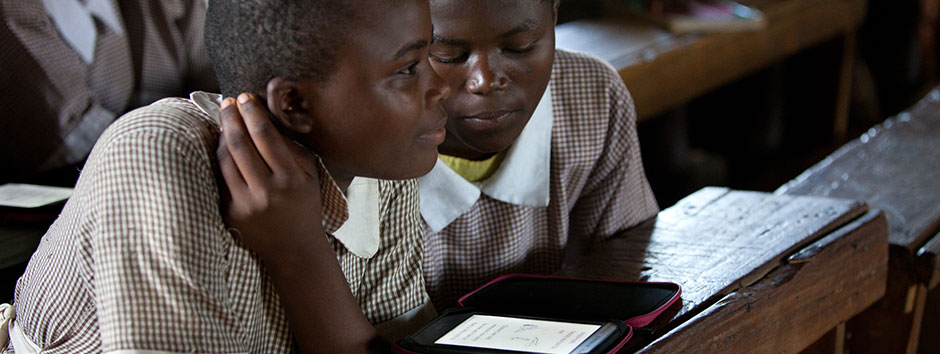
Algeria, located in North Africa, faces significant challenges in its education sector that have far-reaching consequences for the country's development. The Algerian education system is grappling with issues such as overcrowded classrooms, outdated curricula, and a lack of qualified teachers. This has resulted in low literacy rates, particularly in rural areas, perpetuating cycles of poverty and hindering socio-economic progress. Furthermore, disparities in access to quality education based on socio-economic status and gender exacerbate these challenges. The impact of these issues is profound, affecting not only individual opportunities but also the country's overall growth and stability. Addressing these educational disparities is crucial for improving the well-being of Algerian citizens and fostering sustainable development in the country.

Poverty

Poverty remains a significant challenge for Algeria, impacting a considerable portion of its population. The country faces various economic, social, and political factors that contribute to the prevalence of poverty. Despite being rich in natural resources, such as oil and gas, disparities in income distribution, lack of job opportunities, and insufficient social services have led to high poverty rates. According to the World Bank, approximately 5 million Algerians live below the national poverty line, struggling to access basic necessities like food, clean water, healthcare, and education. Poverty in Algeria disproportionately affects marginalized groups, including rural populations and youth, exacerbating social inequalities and hindering overall development efforts. Addressing poverty in Algeria requires comprehensive strategies that focus on improving economic opportunities, enhancing social protection programs, and promoting inclusive growth to uplift those most affected by deprivation.

Religion

In Algeria, religion plays a significant role in shaping societal norms and values. Islam is the predominant religion, with the majority of Algerians identifying as Sunni Muslims. Religious practices and beliefs are deeply ingrained in the culture and daily life of the Algerian people. The influence of Islam can be observed in various aspects of Algerian society, including family structure, education, politics, and social interactions. Religious holidays and traditions are widely celebrated, contributing to a strong sense of community and shared identity among Algerians. However, it is important to note that Algeria is a diverse country with a rich history of coexistence among different religious and ethnic groups. While Islam is the state religion, the Algerian Constitution guarantees freedom of religion for all citizens. Despite this legal protection, tensions between religious communities have occasionally surfaced, underscoring the complex interplay between religion and society in Algeria.

Clean Water

Algeria, a country in North Africa, faces challenges in providing clean water to its population due to factors such as arid climate, limited water resources, and inadequate infrastructure. The scarcity of clean water in Algeria has far-reaching consequences on public health, agriculture, and overall economic development. Water-borne diseases are prevalent in areas where access to clean water is limited, leading to high rates of illness and mortality. Additionally, the lack of clean water hinders agricultural productivity, affecting food security and livelihoods. Improving access to clean water in Algeria is crucial for addressing these challenges and promoting the well-being of its citizens. By investing in water infrastructure, promoting water conservation practices, and enhancing water quality monitoring systems, Algeria can mitigate the adverse effects of water scarcity and improve the lives of its people.

Economy

Algeria, situated in North Africa, is a country with a diverse economy heavily reliant on its natural resources, particularly oil and gas. The economy of Algeria has been significantly impacted by fluctuations in global oil prices, political instability, and inefficiencies in its economic policies. Despite being one of the wealthiest countries in Africa in terms of natural resources, Algeria faces challenges such as high unemployment rates, especially among the youth, and income inequality. The government has been working on diversifying its economy by investing in sectors like agriculture, renewable energy, and tourism to reduce its dependency on oil revenues. However, structural reforms are necessary to address issues such as corruption, bureaucracy, and lack of transparency that hinder economic growth and development in the country.

Government

Algeria, a North African country, has a complex political landscape where the government plays a significant role in shaping the nation's trajectory. The Algerian government, led by the President and Prime Minister, holds authority over key decision-making processes, policies, and resource allocation. The government's impact on Algeria is profound, influencing economic development, social welfare programs, infrastructure projects, and foreign relations. However, concerns have been raised about issues such as corruption, lack of transparency, and limited political freedoms within the country. These factors have contributed to public discontent and protests in recent years. Understanding the role of the government in Algeria is crucial to comprehending the challenges and opportunities facing the nation as it strives for progress and stability.

Health

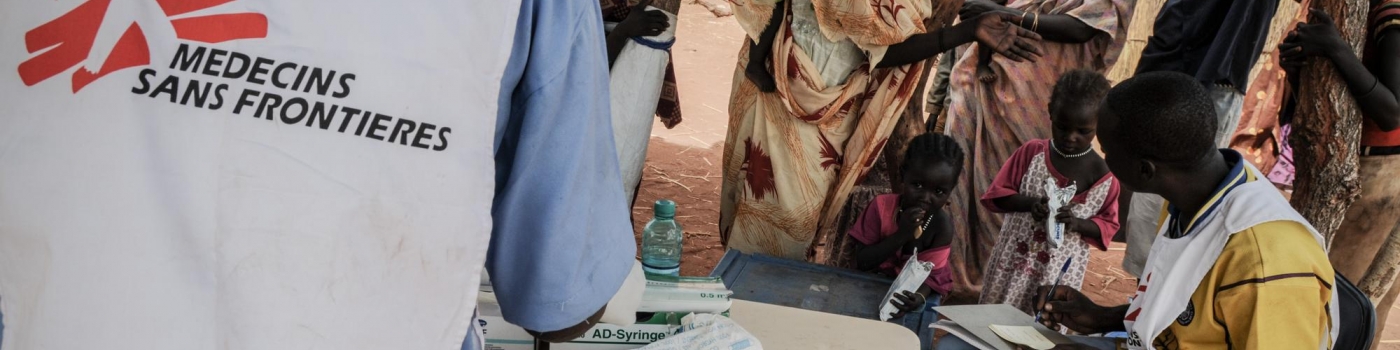
Health in Algeria is a pressing issue that significantly affects the population. The country faces various health challenges, including a high prevalence of non-communicable diseases such as diabetes, hypertension, and obesity. Limited access to healthcare services, particularly in rural areas, exacerbates the situation, leading to inadequate treatment and management of these conditions. Furthermore, the country grapples with insufficient healthcare infrastructure, shortage of medical professionals, and limited resources allocated to the healthcare sector. These factors contribute to high mortality rates and hinder the overall well-being of the Algerian population. Addressing these health challenges requires concerted efforts from the government, healthcare providers, and the international community to improve healthcare access, infrastructure, and resources in Algeria.

Children

Algeria, a North African country known for its rich history and diverse culture, faces various challenges when it comes to the well-being of its children. Children in Algeria often grapple with issues such as poverty, limited access to quality education, healthcare, and child labor. According to UNICEF, around 5.5% of children under the age of five in Algeria suffer from malnutrition, affecting their physical and cognitive development. Child labor remains a prevalent issue in the country, with many children engaged in hazardous work conditions instead of attending school. These challenges not only hinder the current well-being of Algerian children but also jeopardize their future prospects. By addressing these issues through targeted policies and interventions, Algeria can ensure a brighter future for its younger generation.

Animals

Algeria, a country located in North Africa, boasts a rich diversity of wildlife that plays a significant role in its ecosystem. Animals in Algeria, ranging from the endangered Barbary macaques in the Atlas Mountains to the Saharan cheetahs in the Sahara Desert, are essential for maintaining ecological balance and preserving biodiversity. However, these animals face numerous threats, including habitat loss due to human activities, climate change, and illegal poaching. Conservation efforts are crucial to protect these species and their habitats to ensure their survival for future generations. By raising awareness about the importance of preserving Algeria's wildlife, we can contribute to safeguarding the country's natural heritage and promoting sustainable practices for coexisting with its animal inhabitants.

Nonprofits Working in Algeria

Discover organizations making a difference in Algeria

Make Your Impact Today

Discover causes you care about and support the nonprofits making a difference in communities around the world.

Are you a nonprofit? Join Project World Impact for free

Join Us Free