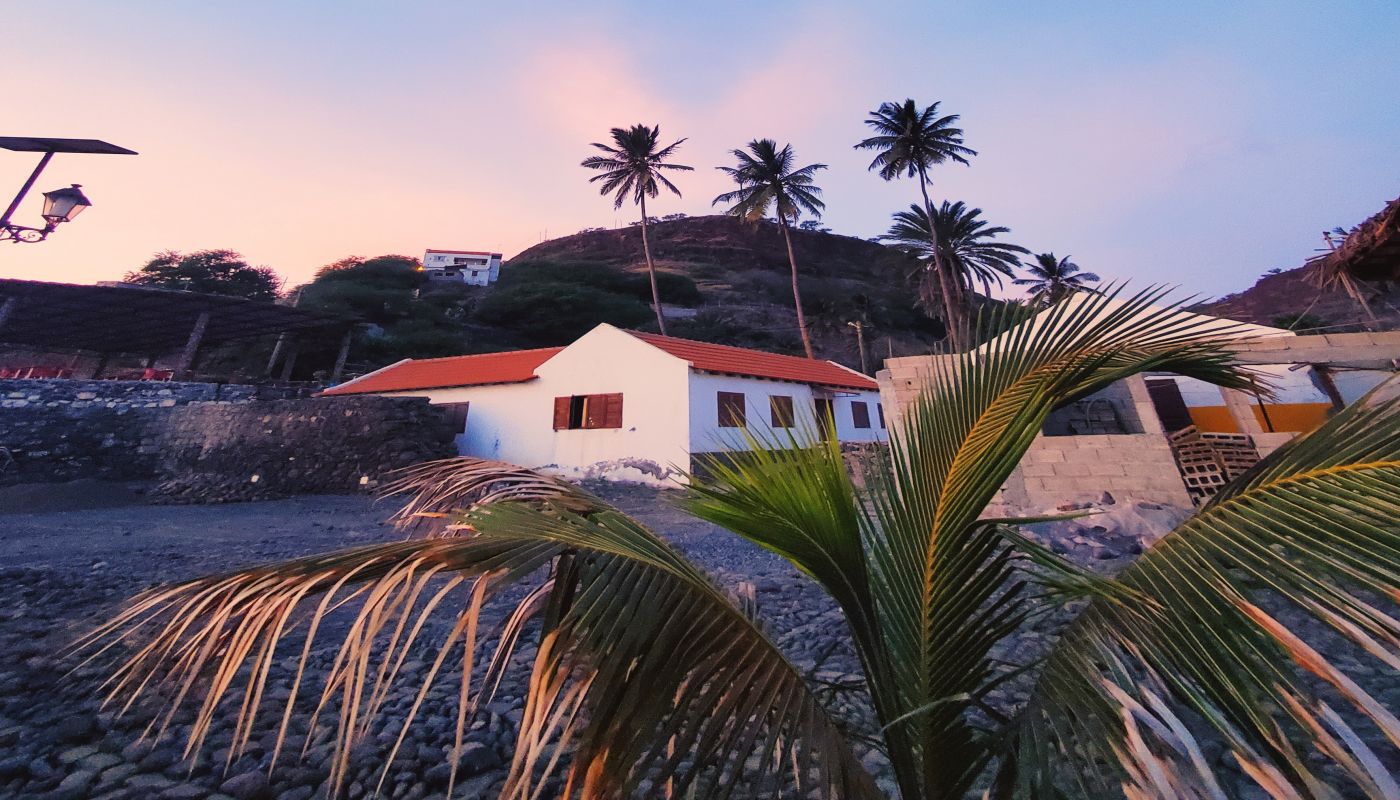
Landscape of Cabo Verde
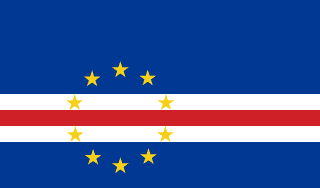
Flag of Cabo Verde

Cabo Verde

Africa

Cabo Verde is a small island nation located off the coast of Africa in the Atlantic Ocean, with a population of approximately 550,000 people. The country is made up of ten volcanic islands, known for their beautiful beaches, rugged landscapes, and unique culture. Cabo Verde has made significant progress in recent years, with a stable democracy, an improving economy, and investments in infrastructure and renewable energy. Despite being vulnerable to climate change, with issues such as drought and coastal erosion, Cabo Verde has demonstrated a commitment to sustainability and environmental conservation.

What would you like to learn about in Cabo Verde?

Select a section to explore the country where nonprofits are creating positive change.

About Cabo Verde

The uninhabited islands were discovered and colonized by the Portuguese in the 15th century; Cape Verde subsequently became a trading center for African slaves and later an important coaling and resupply stop for whaling and transatlantic shipping. Following independence in 1975, and a tentative interest in unification with Guinea-Bissau, a one-party system was established and maintained until multi-party elections were held in 1990. Cape Verde continues to exhibit one of Africa's most stable democratic governments. Repeated droughts during the second half of the 20th century caused significant hardship and prompted heavy emigration. As a result, Cape Verde's expatriate population is greater than its domestic one. Most Cape Verdeans have both African and Portuguese antecedents.

Quick Facts

Population
531,046 (July 2013 est.)
Area
4,033 sq km
ISO Code
CV
Continent
Africa
Government
republic
Active Causes
12
View all countries in Africa

Geography & Environment

Climate

temperate; warm, dry summer; precipitation meager and erratic

Terrain

steep, rugged, rocky, volcanic

Natural Resources

salt, basalt rock, limestone, kaolin, fish, clay, gypsum

Environmental Issues

soil erosion; deforestation due to demand for wood used as fuel; water shortages; desertification; environmental damage has threatened several species of birds and reptiles; illegal beach sand extract...

People & Society

71.28 years
Avg. Life Expectancy
84.9%
Literacy Rate
62.6% of total population (2011)
Total Urban Population

Languages

Portuguese (official), Crioulo (a blend of Portuguese and West African words)

Religions

Roman Catholic (infused with indigenous beliefs), Protestant (mostly Church of the Nazarene)

Health Expenditure

4.1% of GDP (2010) of GDP

Education Expenditure

5.6% of GDP (2010) of GDP

Economy

$4,200
GDP per Capita (PPP)
21%
Unemployment Rate
30% (2000)
Below Poverty Line

Economic Overview

The economy is service-oriented with commerce, transport, tourism, and public services accounting for about three-fourths of GDP. This island economy suffers from a poor natural resource base, including serious water shortages exacerbated by cycles of long-term drought and poor soil for agriculture on several of the islands. Although about 40% of the population lives in rural areas, the share of food production in GDP is low. About 82% of food must be imported. The fishing potential, mostly lobster and tuna, is not fully exploited. Cape Verde annually runs a high trade deficit financed by fore...

Causes in Cabo Verde

Environment

Cabo Verde, an archipelago nation located off the coast of West Africa, faces significant environmental challenges that profoundly impact its population and ecosystems. The country is particularly vulnerable to climate change, with rising sea levels threatening coastal communities and infrastructure. Droughts are also a recurrent issue, leading to water scarcity and food insecurity for many residents. Deforestation, soil erosion, and inadequate waste management further exacerbate the environmental stress in Cabo Verde. These factors not only endanger the unique biodiversity of the islands but also jeopardize the livelihoods of the local communities dependent on agriculture and fishing. Urgent action is needed to mitigate these environmental threats and build resilience in Cabo Verde.

Family

In Cabo Verde, family plays a central role in the social fabric of society, shaping the daily lives and experiences of its people. The concept of family extends beyond just the nuclear unit to include extended family members, creating a strong sense of kinship and community. Families in Cabo Verde are known for their close-knit relationships and mutual support, with traditions such as communal meals and gatherings reinforcing these bonds. Family members often rely on each other for emotional, financial, and social support, especially in times of need or celebration. The influence of family is evident in various aspects of life, from decision-making processes to cultural practices and values. Understanding the importance of family dynamics in Cabo Verde is crucial for promoting social cohesion and well-being within the community.

Human Rights

Cabo Verde, an island nation located off the coast of West Africa, faces various human rights challenges that impact its population. One of the primary issues is gender inequality, with women often facing discrimination in areas such as employment and access to education. Additionally, poverty and limited access to healthcare services remain significant concerns in the country, leading to violations of the right to a standard of living adequate for health and well-being. Furthermore, discrimination against marginalized groups, including people with disabilities and the LGBTQ+ community, continues to be a pressing issue in Cabo Verde. Addressing these human rights challenges is crucial for the country's development and the well-being of its citizens.

Education

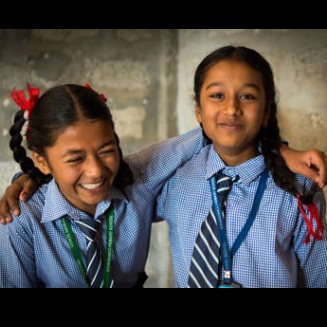
Cabo Verde, an island nation located off the coast of West Africa, faces numerous challenges in its education sector that greatly impact its development. Despite making significant progress in increasing school enrollment rates, the quality of education remains a concern. The country struggles with a high dropout rate, inadequate infrastructure, and a shortage of qualified teachers. These issues hinder Cabo Verde's ability to provide its citizens with the necessary skills and knowledge to thrive in a rapidly changing global economy. Furthermore, disparities in educational opportunities between urban and rural areas perpetuate social inequalities. Addressing these challenges and investing in a robust education system is crucial for Cabo Verde to achieve sustainable development and improve the well-being of its population.

Poverty

Cabo Verde, an archipelago located off the coast of West Africa, faces significant challenges related to poverty. Despite being classified as an upper-middle-income country, poverty remains a pressing issue in Cabo Verde, affecting approximately 27% of the population. The impact of poverty is multifaceted, leading to limited access to basic necessities such as clean water, adequate healthcare, and education. Additionally, high unemployment rates and income inequality further exacerbate the situation, particularly in rural areas where poverty rates are more pronounced. Addressing poverty in Cabo Verde requires a comprehensive approach that encompasses social, economic, and political strategies aimed at improving living conditions and fostering sustainable development.

Religion

Religion plays a significant role in the cultural landscape of Cabo Verde, a tropical archipelago off the coast of West Africa. The country is predominantly Roman Catholic, with approximately 77% of the population adhering to this faith. The influence of Catholicism is evident in various aspects of Cabo Verdean society, including its traditions, holidays, and moral values. Beyond Catholicism, there are also minority religious communities such as Protestantism, Islam, and indigenous beliefs that contribute to the religious diversity of the nation. Religion serves as a unifying force among the people of Cabo Verde, providing a framework for social cohesion and moral guidance. It also influences political decisions and societal norms, shaping the overall fabric of the country's identity.

Clean Water

Cabo Verde, an island nation off the coast of West Africa, faces significant challenges in ensuring access to clean water. With limited natural freshwater resources and a reliance on desalination plants and groundwater sources, the population of Cabo Verde often struggles to access safe drinking water. The lack of clean water not only poses health risks due to waterborne diseases but also hinders agricultural activities crucial for food security on the islands. Additionally, the effects of climate change, such as prolonged droughts and erratic rainfall patterns, further exacerbate the water scarcity issue in Cabo Verde. Addressing the clean water crisis in Cabo Verde requires sustainable management practices, investment in infrastructure, and community engagement to ensure the availability of this essential resource for all residents.

Economy

Cabo Verde, an archipelago off the northwest coast of Africa, faces various challenges due to its economy. The country heavily relies on tourism, remittances, and foreign aid as primary sources of income. The economy is vulnerable to external shocks, such as fluctuating global economic conditions and natural disasters, which can have devastating effects on the country's growth and development. The lack of diversification in the economy also poses a significant risk to Cabo Verde's long-term sustainability. In recent years, efforts have been made to enhance economic resilience through policies that promote private sector development and investments in key sectors like renewable energy and agriculture. However, more needs to be done to address underlying structural issues and create a more robust and inclusive economy that can withstand external pressures.

Government

Cabo Verde, an archipelago off the northwest coast of Africa, faces various challenges that are significantly influenced by its government. With a population of around 550,000 people, the country grapples with issues such as limited natural resources, high unemployment rates, and vulnerability to climate change. The government of Cabo Verde plays a crucial role in addressing these challenges by implementing policies that promote sustainable development, economic diversification, and social welfare programs. However, political instability and corruption have at times hindered progress in these areas. By fostering good governance practices, investing in education and healthcare, and promoting private sector growth, the government can positively impact the lives of its citizens and ensure a more stable and prosperous future for Cabo Verde.

Health

Cabo Verde, an archipelago nation located off the northwest coast of Africa, faces various health challenges that significantly impact its population. The country's health system encounters strains due to limited resources and infrastructure, leading to issues such as high infant mortality rates and prevalence of infectious diseases like malaria and tuberculosis. Additionally, non-communicable diseases, including cardiovascular diseases and diabetes, are on the rise, posing a growing burden on the healthcare system. Access to healthcare services is a concern, particularly in rural areas where facilities are scarce. Improving health outcomes in Cabo Verde requires investments in healthcare infrastructure, healthcare workforce training, disease prevention programs, and access to essential medicines. By addressing these challenges, Cabo Verde can enhance the well-being of its population and achieve better health outcomes.

Children

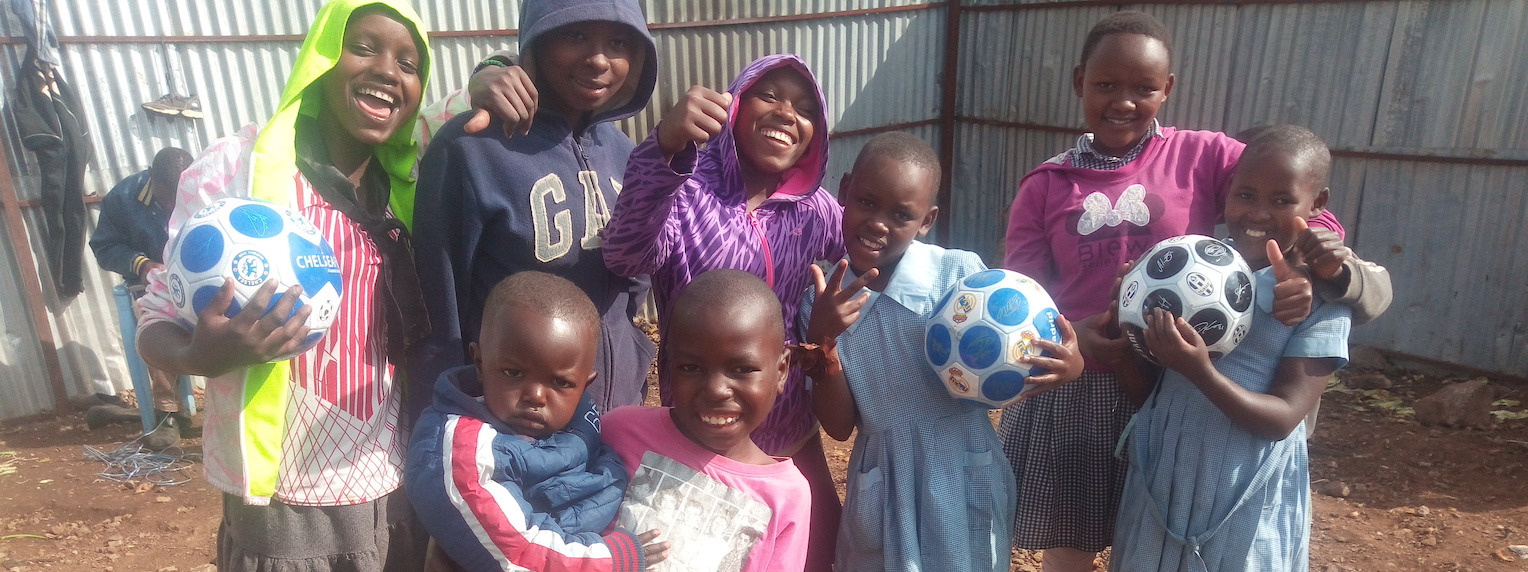
Cabo Verde, an island nation located off the coast of West Africa, faces various challenges that impact its children. One significant issue is poverty, with nearly one-third of the population living below the poverty line. This economic hardship often leads to inadequate access to education, healthcare, and nutrition for children in Cabo Verde. Furthermore, the country also grapples with high rates of child labor, affecting their well-being and hindering their opportunities for a brighter future. Despite efforts by the government and non-profit organizations to address these issues, more support and resources are needed to ensure that every child in Cabo Verde has access to basic needs and a quality education.

Animals

Located off the coast of West Africa, Cabo Verde is a country with a diverse ecosystem that is home to a variety of unique animal species. Animals play a crucial role in the livelihoods of the people of Cabo Verde, as many rely on fishing and agriculture for their sustenance. However, the delicate balance between human activities and wildlife conservation is often threatened by factors such as habitat destruction, climate change, and illegal hunting. Endemic species like the Cape Verde Giant Skink and the Raso Lark are particularly vulnerable to these pressures, facing the risk of extinction if conservation efforts are not intensified. By raising awareness about the importance of preserving Cabo Verde's rich biodiversity and implementing sustainable practices that protect its fauna, we can ensure a harmonious coexistence between humans and animals in this beautiful island nation.

Make Your Impact Today

Discover causes you care about and support the nonprofits making a difference in communities around the world.

Are you a nonprofit? Join Project World Impact for free

Join Us Free