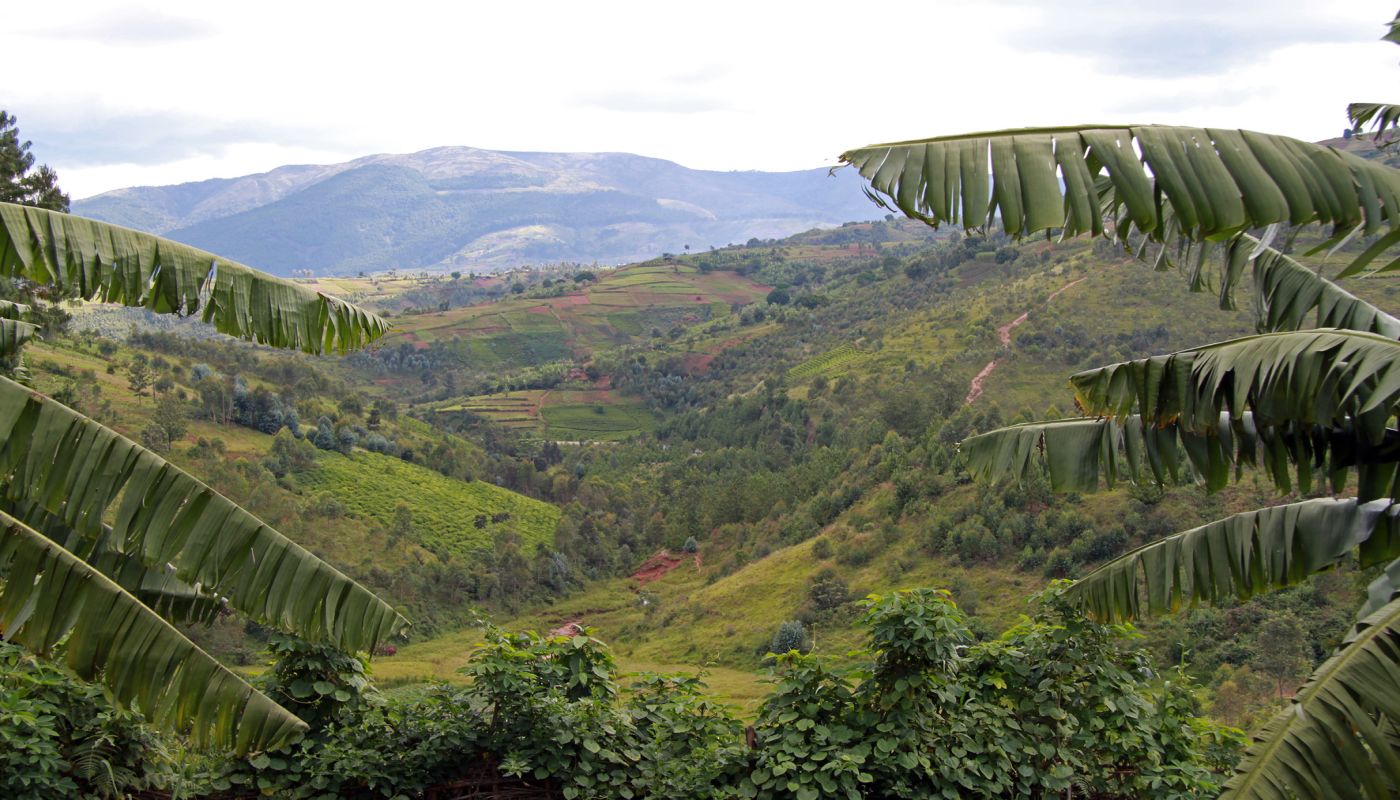
Landscape of Burundi
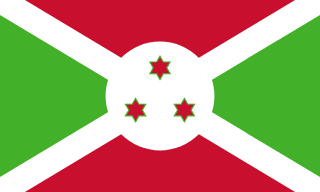
Flag of Burundi

Burundi

Africa

Burundi is a small landlocked country located in East Africa, bordered by Rwanda to the north, Tanzania to the east and south, and the Democratic Republic of Congo to the west. The country has a population of approximately 12 million people, with the majority of the population living in rural areas. The country's economy is largely based on agriculture, with coffee being the main cash crop. Burundi is home to a rich cultural heritage, including traditional drumming and dance, and a variety of natural wonders, such as the Kibira National Park and Lake Tanganyika. Burundi has made progress in recent years in areas such as economic growth and healthcare, and the country remains an important center of culture and tradition.

What would you like to learn about in Burundi?

Select a section to explore the country where nonprofits are creating positive change.

About Burundi

Burundi's first democratically elected president was assassinated in October 1993 after only 100 days in office, triggering widespread ethnic violence between Hutu and Tutsi factions. More than 200,000 Burundians perished during the conflict that spanned almost a dozen years. Hundreds of thousands of Burundians were internally displaced or became refugees in neighboring countries. An internationally brokered power-sharing agreement between the Tutsi-dominated government and the Hutu rebels in 2003 paved the way for a transition process that led to an integrated defense force, established a new constitution in 2005, and elected a majority Hutu government in 2005. The government of President Pierre NKURUNZIZA, who was reelected in 2010, continues to face many political and economic challenges.

Quick Facts

Population
10,888,321 (July 2013 est.)
Area
27,830 sq km
ISO Code
BI
Continent
Africa
Government
republic
Active Causes
12
View all countries in Africa

Geography & Environment

Climate

equatorial; high plateau with considerable altitude variation (772 m to 2,670 m above sea level); average annual temperature varies with altitude from 23 to 17 degrees centigrade but is generally mode...

Terrain

hilly and mountainous, dropping to a plateau in east, some plains

Natural Resources

nickel, uranium, rare earth oxides, peat, cobalt, copper, platinum, vanadium, arable land, hydropower, niobium, tantalum, gold, tin, tungsten, kaolin, limestone

Environmental Issues

soil erosion as a result of overgrazing and the expansion of agriculture into marginal lands; deforestation (little forested land remains because of uncontrolled cutting of trees for fuel); habitat lo...

People & Society

59.69 years
Avg. Life Expectancy
67.2%
Literacy Rate
10.9% of total population (2011)
Total Urban Population

Languages

Kirundi (official), French (official), Swahili (along Lake Tanganyika and in the Bujumbura area)

Religions

Christian 82.8% (Roman Catholic 61.4%, Protestant 21.4%), Muslim 2.5%, Adventist 2.3%, other 6.5%, unknown 5.9% (2008 census)

Health Expenditure

11.6% of GDP (2010) of GDP

Education Expenditure

6.1% of GDP (2011) of GDP

Economy

$600
GDP per Capita (PPP)
NA%
Unemployment Rate
68% (2002 est.)
Below Poverty Line

Economic Overview

Burundi is a landlocked, resource-poor country with an underdeveloped manufacturing sector. The economy is predominantly agricultural; agriculture accounts for just over 30% of GDP and employs more than 90% of the population. Burundi's primary exports are coffee and tea, which account for 90% of foreign exchange earnings, though exports are a relatively small share of GDP. Burundi's export earnings - and its ability to pay for imports - rests primarily on weather conditions and international coffee and tea prices. An ethnic-based war that lasted for over a decade resulted in more than 200,000...

Causes in Burundi

Environment

Burundi, a landlocked country in East Africa, is heavily reliant on agriculture as the main source of livelihood for its population. The environment plays a crucial role in shaping the socio-economic landscape of the country. However, Burundi is facing significant environmental challenges such as deforestation, soil erosion, and loss of biodiversity. Deforestation, mainly due to unsustainable agricultural practices and wood fuel consumption, has led to soil degradation and reduced agricultural productivity. This, in turn, has serious implications for food security and exacerbates poverty in the country. Soil erosion is another major concern in Burundi, leading to decreased soil fertility and water quality, which affects crop yields and freshwater resources. Loss of biodiversity further undermines the resilience of ecosystems and threatens the country's natural resources. Addressing these environmental issues is crucial for sustainable development in Burundi and the well-being of its population.

Family

Family plays a crucial role in the social fabric of Burundi, a small landlocked country in East Africa. In Burundian society, the family unit is highly valued and serves as the cornerstone of community life. Families in Burundi typically consist of extended relatives beyond just parents and children, with strong bonds maintained among members. The concept of Ubuntu, which emphasizes interconnectedness and mutual support, is deeply ingrained in Burundian culture and is reflected in the close-knit nature of family relationships. Families provide emotional, social, and economic support to individuals, especially in times of need or crisis. However, challenges such as poverty, conflict, and disease often strain family structures in Burundi, leading to disruptions in familial ties and impacting the well-being of individuals. Understanding the significance of family dynamics in Burundi is crucial for addressing social issues and promoting community resilience.

Human Rights

Burundi, a small landlocked country in East Africa, has faced significant challenges related to human rights. The nation has a history of political instability, ethnic tensions, and violence, which have had a profound impact on the human rights situation in the country. Issues such as extrajudicial killings, torture, arbitrary arrests, and restrictions on freedom of expression and assembly have been reported by various human rights organizations. Additionally, there have been concerns about the lack of independence of the judiciary and the limited access to justice for many Burundian citizens. The violations of human rights in Burundi have not only affected individuals but also hindered the country's development and stability.

Education

Burundi, a landlocked country in East Africa, faces numerous challenges that hinder its development, with education playing a crucial role in addressing them. The education system in Burundi faces significant obstacles such as insufficient funding, low school enrollment rates, and poor infrastructure. These issues contribute to high levels of illiteracy and limited access to quality education for the majority of the population. Education is paramount in empowering individuals, especially women and children, and breaking the cycle of poverty in Burundi. By improving access to education, the country can enhance its human capital, promote economic growth, and foster social development. Investing in education is essential for building a more prosperous and equitable society in Burundi.

Poverty

Burundi, a landlocked country in East Africa, grapples with widespread poverty that significantly impacts its population. With over 65% of its citizens living below the poverty line, this economic hardship perpetuates a cycle of deprivation and limits access to basic necessities such as healthcare, education, and clean water. The lack of economic opportunities in Burundi exacerbates the poverty levels, with a significant portion of the population relying on subsistence agriculture for their livelihoods. Furthermore, political instability and conflicts have further strained the country's economy, making it challenging for the government to effectively address the issue of poverty. Addressing the root causes of poverty in Burundi requires concerted efforts from both the government and the international community to implement sustainable development strategies that can uplift its citizens from poverty.

Religion

Religion in Burundi plays a significant role in the social fabric of the country as it is a deeply religious society. The population of Burundi is predominantly Christian, with Roman Catholicism being the largest denomination followed by various Protestant groups. Additionally, there is a minority Muslim population in the country. Religion is not only a source of spiritual guidance and comfort for many Burundians but also serves as a foundation for their cultural identity and societal norms. However, religious differences have at times led to tensions and conflicts in the country, particularly between Christian and Muslim communities. These conflicts have been exacerbated by political and ethnic divisions, further complicating the religious landscape in Burundi.

Clean Water

Burundi, a landlocked country in East Africa, faces significant challenges in accessing clean water. With a population of over 11 million people, around 8 million lack access to clean water sources, leading to waterborne diseases and high mortality rates, particularly among children. The scarcity of clean water in Burundi is exacerbated by poor infrastructure, lack of funding for water projects, and environmental degradation. In rural areas, women and children often have to walk long distances to fetch water from contaminated sources, further perpetuating the cycle of poverty and disease. Improving access to clean water in Burundi is crucial for promoting public health, reducing mortality rates, and fostering sustainable development in the region.

Economy

Burundi, a landlocked country in East Africa, has faced significant economic challenges that have had profound impacts on its population. The economy of Burundi heavily relies on agriculture, with more than 90% of the population engaged in subsistence farming. However, factors such as soil degradation, limited access to markets, and adverse weather conditions have hindered agricultural productivity and perpetuated food insecurity. Additionally, political instability and ethnic tensions have further exacerbated economic difficulties in the country, hindering foreign investment and economic growth. As a result, Burundi ranks among the poorest nations globally, with high levels of poverty and unemployment prevailing among its populace. Addressing these economic challenges is crucial to improving the livelihoods of the Burundian people and fostering sustainable development in the country.

Government

Burundi, a landlocked country in East Africa, has been plagued by political unrest and economic challenges for decades. The Government of Burundi plays a significant role in shaping the country's fate, impacting its citizens in various ways. The government's policies and decisions have often been criticized for their lack of transparency and accountability, leading to issues such as corruption and human rights violations. This has further exacerbated poverty and hindered social development in the country. Additionally, ethnic tensions and political power struggles have divided the nation, resulting in violence and instability. Despite efforts to promote peace and reconciliation, the government's actions have often fallen short, perpetuating a cycle of conflict and suffering for the people of Burundi.

Health

Burundi, a landlocked country in East Africa, faces significant health challenges that impact its population. The country has a high prevalence of infectious diseases, such as malaria, tuberculosis, and HIV/AIDS, which contribute to a high burden of illness and mortality. Malnutrition is also a pressing issue in Burundi, with a large proportion of the population experiencing food insecurity. These health challenges are exacerbated by limited access to healthcare services, poor sanitation and hygiene practices, and a shortage of healthcare workers. As a result, many Burundians face barriers in accessing quality healthcare, leading to preventable deaths and suffering. Addressing these health issues in Burundi requires targeted interventions to improve healthcare infrastructure, increase access to essential medicines, and strengthen health systems to ensure the well-being of its population.

Children

Burundi, a landlocked country in East Africa, grapples with various challenges that significantly impact its children. With a high poverty rate and limited access to education and healthcare, many Burundian children face daunting obstacles in their development and well-being. Malnutrition is a prevalent issue, affecting nearly half of all children under the age of five. The ongoing political instability and violence in the region have also led to the displacement of families, exposing children to trauma and disrupting their education. Moreover, child labor remains a pressing concern, with many children being forced into hazardous work environments to support their families. Addressing these issues is crucial to ensure a better future for the children of Burundi.

Animals

In Burundi, animals play a significant role in the lives of its people, serving as sources of food, income, and cultural significance. Livestock such as cows, goats, and chickens are essential for many rural families, providing meat, milk, and other products for sustenance and trade. Additionally, Burundi's rich biodiversity supports wildlife such as elephants, hippos, and various bird species, contributing to the country's ecosystem health and attracting tourists interested in wildlife tourism. However, the impact of deforestation, habitat loss, and poaching poses serious threats to Burundi's animal populations and biodiversity. Conservation efforts are crucial to safeguarding the country's fauna and ensuring the well-being of both animals and humans alike.

Nonprofits Working in Burundi

Discover organizations making a difference in Burundi

Make Your Impact Today

Discover causes you care about and support the nonprofits making a difference in communities around the world.

Are you a nonprofit? Join Project World Impact for free

Join Us Free