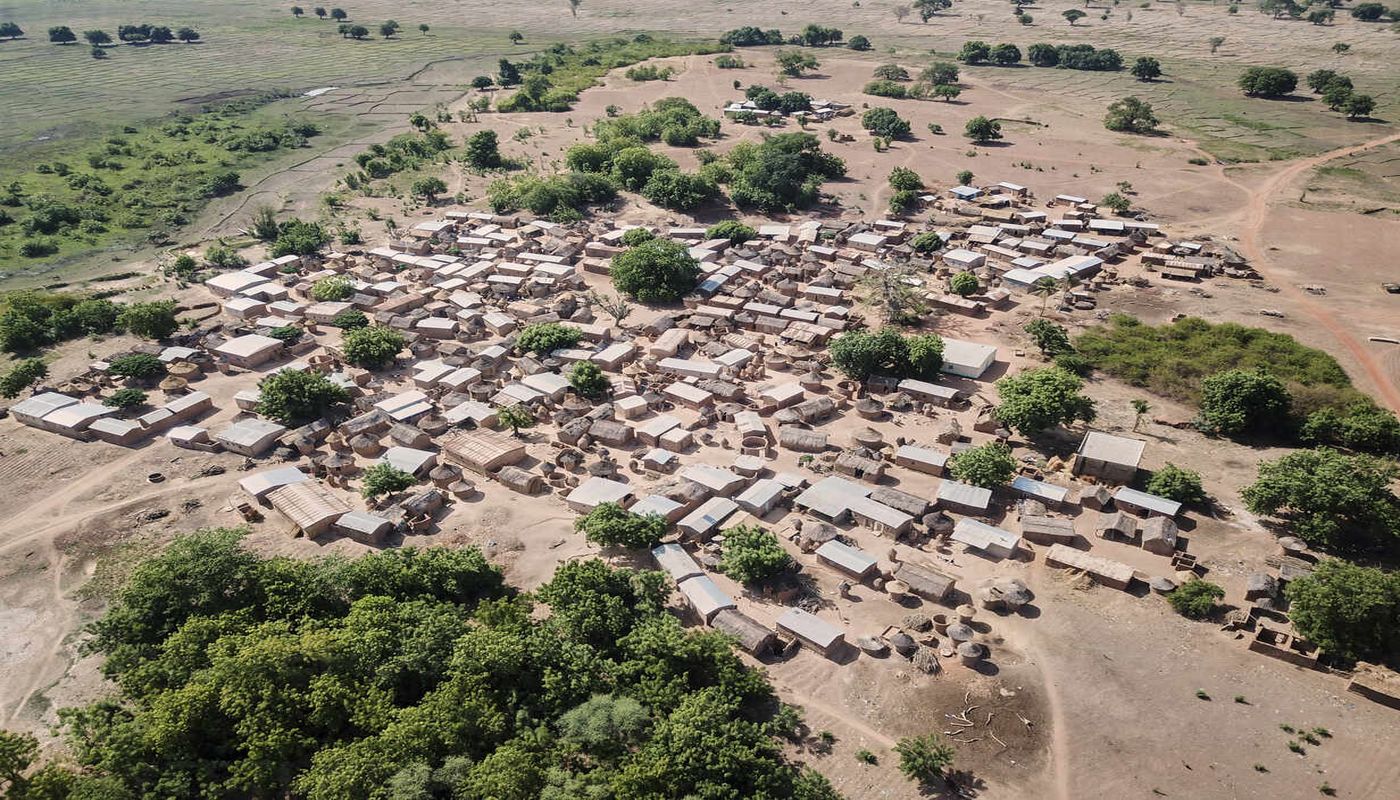
Landscape of Burkina Faso
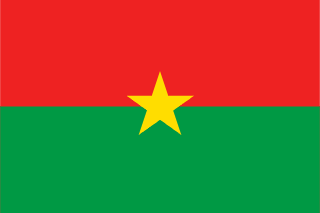
Flag of Burkina Faso

Burkina Faso

Africa

Burkina Faso is a landlocked country located in West Africa, known for its vibrant music scene and diverse natural landscapes. With a population of over 21 million people, Burkina Faso is a developing country that has made progress in areas such as healthcare, education, and environmental conservation. The country's economy is based on agriculture, mining, and services, but it also faces challenges related to economic development and income inequality. Burkina Faso has been working to improve its political stability and reduce poverty, while also promoting human rights and good governance.

What would you like to learn about in Burkina Faso?

Select a section to explore the country where nonprofits are creating positive change.

About Burkina Faso

Burkina Faso (formerly Upper Volta) achieved independence from France in 1960. Repeated military coups during the 1970s and 1980s were followed by multiparty elections in the early 1990s. Current President Blaise COMPAORE came to power in a 1987 military coup and has won every election since then. Burkina Faso's high population density and limited natural resources result in poor economic prospects for the majority of its citizens.

Quick Facts

Population
17,812,961 (July 2013 est.)
Area
274,200 sq km
ISO Code
BF
Continent
Africa
Government
parliamentary republic
Active Causes
12
View all countries in Africa

Geography & Environment

Climate

tropical; warm, dry winters; hot, wet summers

Terrain

mostly flat to dissected, undulating plains; hills in west and southeast

Natural Resources

manganese, limestone, marble; small deposits of gold, phosphates, pumice, salt

Environmental Issues

recent droughts and desertification severely affecting agricultural activities, population distribution, and the economy; overgrazing; soil degradation; deforestation

People & Society

54.43 years
Avg. Life Expectancy
28.7%
Literacy Rate
26.5% of total population (2011)
Total Urban Population

Languages

French (official), native African languages belonging to Sudanic family spoken by 90% of the population

Religions

Muslim 60.5%, Catholic 19%, animist 15.3%, Protestant 4.2%, other 0.6%, none 0.4%

Health Expenditure

6.7% of GDP (2010) of GDP

Education Expenditure

4% of GDP (2010) of GDP

Economy

$1,400
GDP per Capita (PPP)
77%
Unemployment Rate
46.7% (2009 est.)
Below Poverty Line

Economic Overview

Burkina Faso is a poor, landlocked country that relies heavily on cotton and gold exports for revenue. The country has few natural resources and a weak industrial base. About 90% of the population is engaged in subsistence agriculture, which is vulnerable to periodic drought. Cotton is the main cash crop. Since 1998, Burkina Faso has embarked upon a gradual privatization of state-owned enterprises and in 2004 revised its investment code to attract foreign investment. As a result of this new code and other legislation favoring the mining sector, the country has seen an upswing in gold explorati...

Causes in Burkina Faso

Environment

Burkina Faso, a landlocked country in West Africa, faces significant environmental challenges that profoundly impact its population. The semi-arid climate and recurrent droughts have led to desertification, soil degradation, and water scarcity, posing severe threats to agriculture, food security, and livelihoods of the people. Deforestation, largely driven by agricultural expansion and fuelwood consumption, contributes to the loss of biodiversity and exacerbates the effects of climate change. Furthermore, inadequate waste management practices and rapid urbanization have resulted in pollution of air, water, and soil, affecting public health. Addressing these environmental issues is crucial for sustainable development and the well-being of Burkina Faso's citizens.

Family

In Burkina Faso, family plays a pivotal role in shaping the social fabric and everyday life of its people. The traditional family structure in Burkina Faso is typically extended, with multiple generations living together under one roof. Families are not only a source of emotional support but also serve as a vital economic unit, with members pooling resources to meet the needs of all. Family ties are highly valued, and kinship networks often extend beyond immediate family members to include a wider circle of relatives and close friends. The concept of "ubuntu," which emphasizes the interconnectedness of all individuals within a community, underpins the importance of family in Burkina Faso society. However, economic challenges, such as poverty and limited access to education and healthcare, can strain familial relationships and disrupt traditional family structures in the country. It is crucial to recognize the significance of family in Burkina Faso and support initiatives that strengthen family bonds and promote social cohesion.

Human Rights

Burkina Faso, a landlocked country in West Africa, has been facing significant challenges with regards to human rights. The nation has experienced a surge in violence and instability in recent years, leading to widespread human rights abuses. The impact of the ongoing conflict and terrorism in Burkina Faso has resulted in violations of basic human rights, including the right to life, freedom of expression, and access to education and healthcare. Civilians, particularly women and children, have been disproportionately affected by these atrocities. The lack of security and stability in the region has also hindered efforts to promote and protect human rights effectively. It is crucial for the international community to remain vigilant and support initiatives that aim to address these violations and promote respect for human rights in Burkina Faso.

Education

In Burkina Faso, access to quality education remains a significant challenge, with only about 36% of children attending secondary school. The lack of educational opportunities perpetuates a cycle of poverty and limits the country's overall development. Education plays a crucial role in empowering individuals, reducing inequalities, and fostering economic growth. By investing in education, Burkina Faso can improve the well-being of its citizens and build a more prosperous future for the nation as a whole.

Poverty

Burkina Faso, a landlocked country in West Africa, faces significant challenges due to widespread poverty. Approximately 40% of its population lives below the poverty line, struggling with limited access to basic necessities such as clean water, healthcare, and education. This dire situation is exacerbated by factors such as political instability, climate change-induced droughts, and a lack of infrastructure development. The impact of poverty in Burkina Faso is evident in high rates of malnutrition, limited economic opportunities, and inadequate social services. Addressing poverty in this country is crucial for sustainable development and improving the quality of life for its citizens.

Religion

Religion plays a significant role in the socio-political landscape of Burkina Faso. The country is predominantly Muslim with Islam being the largest religion, followed by Christianity and indigenous beliefs. Religious practices and beliefs have historically influenced various aspects of Burkinabe society, including governance, education, and social norms. However, tensions between different religious groups have surfaced in recent years, leading to instances of violence and conflict. The rise of extremist groups in the Sahel region has further exacerbated these tensions, posing a threat to religious tolerance and stability in Burkina Faso. It is crucial for the government and civil society to promote interfaith dialogue and understanding to mitigate the risks associated with religious divisions in the country.

Clean Water

Burkina Faso, a landlocked country in West Africa, faces significant challenges in accessing clean water. The scarcity of clean water sources in Burkina Faso has adverse effects on the health and well-being of its population. With a large percentage of the population relying on agriculture for their livelihoods, access to clean water is crucial for irrigation and livestock. The lack of clean water also contributes to the spread of waterborne diseases, leading to high mortality rates, particularly among children under five years old. Furthermore, the limited access to clean water hinders economic development and perpetuates cycles of poverty within the country. Addressing the issue of clean water scarcity in Burkina Faso is essential for improving the overall quality of life and promoting sustainable development in the region.

Economy

Burkina Faso, a landlocked country in West Africa, faces significant economic challenges that impact its population's well-being. The economy of Burkina Faso heavily relies on agriculture, with over 80% of the population engaged in farming. However, recurring droughts, limited access to modern farming techniques, and inadequate infrastructure have led to low agricultural productivity. This, combined with a rapidly growing population, presents a strain on the country's food security and economic stability. Additionally, Burkina Faso is vulnerable to external shocks such as fluctuating commodity prices and global economic downturns. These factors contribute to high poverty rates and limited opportunities for economic growth and development in the country. Addressing these economic challenges is crucial to improving the livelihoods of the people of Burkina Faso and achieving sustainable development.

Government

Burkina Faso, a landlocked country in West Africa, faces a multitude of challenges that are significantly influenced by its government. The political landscape in Burkina Faso has been marked by instability and frequent coups since gaining independence from France in 1960. The government's inability to effectively address issues such as poverty, corruption, and ethnic tensions has contributed to a cycle of socio-political unrest and violence in the country. Additionally, Burkina Faso is currently grappling with a severe humanitarian crisis due to ongoing conflict and displacement, exacerbating the already dire living conditions for its citizens. The government's response to these challenges will play a crucial role in shaping the future trajectory of Burkina Faso and determining the well-being of its people.

Health

Burkina Faso, a landlocked country in West Africa, faces significant health challenges that have a profound impact on its population. With limited access to healthcare services and resources, the people of Burkina Faso struggle with high rates of infectious diseases such as malaria, HIV/AIDS, and tuberculosis. Malnutrition is also a pressing issue, particularly affecting children under five years old. The country's healthcare system is under-resourced and overburdened, leading to difficulties in providing adequate care to all those in need. Additionally, poor sanitation and lack of clean drinking water contribute to the spread of diseases and illnesses. Addressing these health issues in Burkina Faso requires coordinated efforts from the government, non-governmental organizations, and the international community to improve healthcare infrastructure, increase access to essential medicines, and promote health education and awareness.

Children

Burkina Faso, a landlocked country in West Africa, faces numerous challenges that significantly impact children within its borders. The impact of poverty, limited access to education and healthcare, child labor, and child marriage continue to be prevalent issues affecting the well-being of children in Burkina Faso. According to UNICEF, over 40% of children under the age of five suffer from chronic malnutrition, which can have long-lasting effects on their physical and cognitive development. Child labor remains a widespread problem, with many children engaged in hazardous work conditions instead of attending school. Additionally, child marriage rates are high, with around 52% of girls getting married before the age of 18. These factors not only hinder the individual growth and development of children but also perpetuate the cycle of poverty in the country. Addressing these issues is crucial to ensuring a better future for the children of Burkina Faso.

Animals

In Burkina Faso, animals play a significant role in the daily lives of its people. Livestock such as cattle, goats, and sheep are essential for the livelihoods of many individuals in rural areas, serving as a source of food, income, and social status. However, the country faces challenges related to animal health and welfare, including diseases such as trypanosomiasis and foot-and-mouth disease, which can have devastating impacts on both animals and the people who depend on them. Additionally, climate change poses a threat to animal populations in Burkina Faso, leading to increased frequency of droughts and floods that can further exacerbate food insecurity and poverty among vulnerable communities. Addressing these issues requires sustainable practices in animal husbandry, improved veterinary care, and support for small-scale farmers to build resilience in the face of environmental challenges.

Nonprofits Working in Burkina Faso

Discover organizations making a difference in Burkina Faso

Rising International

Rising International

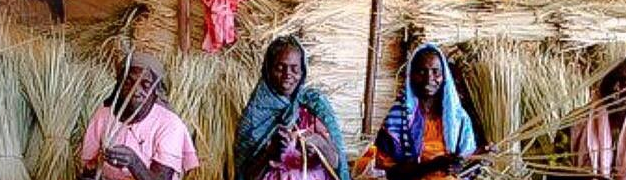
Our Unique Local-Global Solution Rising International is a nonprofit organization that has revolutionized the home party business model to alleviate poverty locally and globally. Think Avon or Tupperware for a social cause. We find the world’s most forgotten women (like Fatima) and enable them to change their destinies by selling their handmade crafts at Rising Home and Corporate Parties. We train women and teens, many un-employed or under- employed, (like Susana) to run their own Rising Home Party businesses and sell crafts made by their global sisters. We search the U.S. for party hosts (like Nancy) who invite friends to their homes to shop. Our sustainable model empowers both local and global entrepreneurs to rise above their circumstances.

Santa Cruz, California
GUTTMACHER INSTITUTE INC

GUTTMACHER INSTITUTE INC

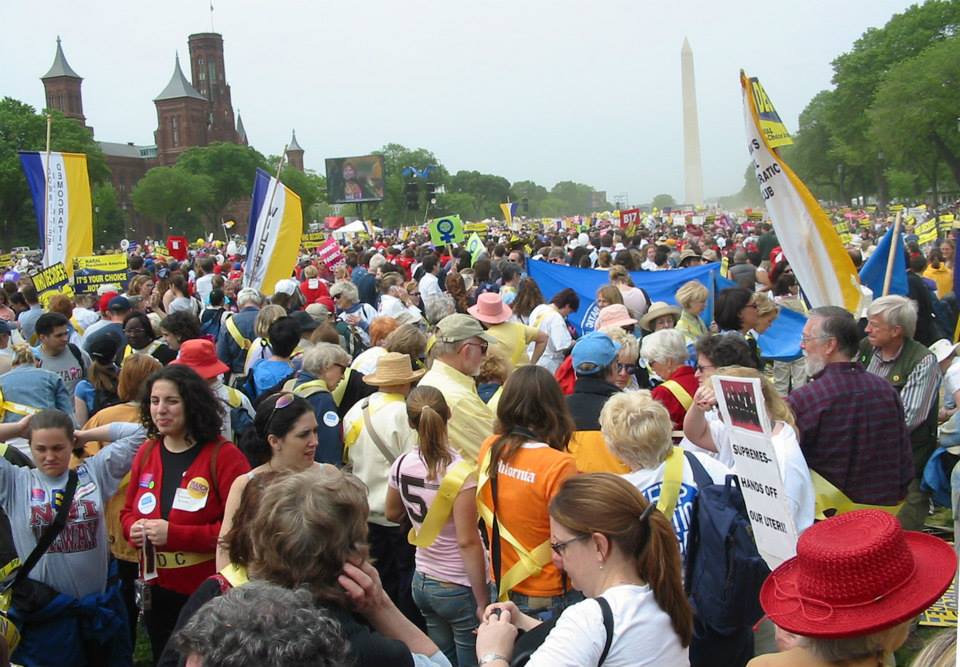
Now in its fifth decade, the Guttmacher Institute remains committed to the mission and goals that led to its creation. The Guttmacher Institute was founded in 1968 as the Center for Family Planning Program Development. At the time, Presidents John F. Kennedy, Lyndon Johnson and Richard Nixon had begun to call the public's attention to the problem of unplanned and unwanted childbearing and its consequences for individual women and men, their children and their communities both at home and abroad. Concurrently, the United States Congress was taking its first steps toward the development of an international population assistance program, as well as a multifaceted, national program aimed at providing equitable access to modern methods of birth control in the United States. By integrating nonpartisan social science research, policy analysis and public education, the Center hoped to provide a factual basis for the development of sound governmental policies and for public consideration of the sensitive issues involved in the promotion of reproductive health and rights. This purpose and commitment continue today. The Center was originally housed within the corporate structure of Planned Parenthood Federation of America (PPFA). Its program, however, was independently developed and overseen by a National Advisory Council separate from the PPFA Board of Directors. Its early development was nurtured by Alan F. Guttmacher, an eminent obstetrician-gynecologist, teacher and writer who was PPFA's president for more than a decade until his death in 1974. The Center was renamed in Dr. Guttmacher's memory, and the Guttmacher Institute incorporated as an entirely independent nonprofit policy research institute with its own Board in 1977. The Guttmacher Institute maintains offices in New York and Washington. Its current staff of 81 comprises demographers, social scientists, public policy analysts, editors, writers, communications specialists, and financial and technical personnel. A few of its employees have been with the organization for most of its existence, and an affiliation that goes back 10 or 15 years is not unusual. The Institute's work is guided by a 39-member board made up of eminent professionals from a rich variety of disciplines, as well as civic leaders from across the United States and around the world. The Guttmacher Institute's annual budget of approximately $17 million is derived largely from private foundations, government agencies, multilateral organizations and individual contributions.

New York, New York
Make Your Impact Today

Discover causes you care about and support the nonprofits making a difference in communities around the world.

Are you a nonprofit? Join Project World Impact for free

Join Us Free