Landscape of Benin
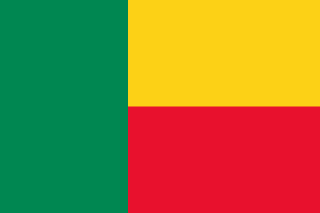
Flag of Benin

Benin

Africa

Benin is a West African country with a population of approximately 12 million. The country is known for its rich history and culture, including the ancient kingdom of Dahomey, which was renowned for its art and military prowess. Benin is also home to many natural attractions, such as the Pendjari National Park and the Ouidah beach, which offer opportunities for wildlife viewing and relaxation. Despite challenges such as poverty, limited infrastructure, and high rates of infectious diseases, Benin has made significant progress in areas such as education, health care, and economic development. The country has a diverse economy, including industries such as agriculture, manufacturing, and services, and benefits from being a member of regional organizations such as the Economic Community of West African States (ECOWAS) and the African Union (AU), which promote regional cooperation and integration.

What would you like to learn about in Benin?

Select a section to explore the country where nonprofits are creating positive change.

About Benin

Present day Benin was the site of Dahomey, a West African kingdom that rose to prominence in about 1600 and over the next two and half centuries became a regional power, largely based on its slave trade. Coastal areas of Dahomey began to be controlled by the French in the second half of the 19th century; the entire kingdom was conquered by 1894. French Dahomey achieved independence in 1960; it changed its name to the Republic of Benin in 1975. A succession of military governments ended in 1972 with the rise to power of Mathieu KEREKOU and the establishment of a government based on Marxist-Leninist principles. A move to representative government began in 1989. Two years later, free elections ushered in former Prime Minister Nicephore SOGLO as president, marking the first successful transfer of power in Africa from a dictatorship to a democracy. KEREKOU was returned to power by elections held in 1996 and 2001, though some irregularities were alleged. KEREKOU stepped down at the end of his second term in 2006 and was succeeded by Thomas YAYI Boni, a political outsider and independent. YAYI, who won a second five-year term in March 2011, has attempted to stem corruption and has strongly promoted accelerating Benin's economic growth.

Quick Facts

Population
9,877,292 (July 2013 est.)
Area
112,622 sq km
ISO Code
BJ
Continent
Africa
Government
republic
Active Causes
12
View all countries in Africa

Geography & Environment

Climate

tropical; hot, humid in south; semiarid in north

Terrain

mostly flat to undulating plain; some hills and low mountains

Natural Resources

small offshore oil deposits, limestone, marble, timber

Environmental Issues

inadequate supplies of potable water; poaching threatens wildlife populations; deforestation; desertification

People & Society

60.67 years
Avg. Life Expectancy
42.4%
Literacy Rate
44.9% of total population (2011)
Total Urban Population

Languages

French (official), Fon and Yoruba (most common vernaculars in south), tribal languages (at least six major ones in north)

Religions

Catholic 27.1%, Muslim 24.4%, Vodoun 17.3%, Protestant 10.4% (Celestial 5%, Methodist 3.2%, other Protestant 2.2%), other Christian 5.3%, other 15.5%...

Health Expenditure

4.1% of GDP (2010) of GDP

Education Expenditure

5.4% of GDP (2010) of GDP

Economy

$1,700
GDP per Capita (PPP)
NA%
Unemployment Rate
37.4% (2007 est.)
Below Poverty Line

Economic Overview

The economy of Benin remains underdeveloped and dependent on subsistence agriculture, cotton production, and regional trade. Growth in real output had averaged almost 4% before the global recession and it has returned to roughly that level in 2011-12. Inflation has subsided over the past several years. In order to raise growth, Benin plans to attract more foreign investment, place more emphasis on tourism, facilitate the development of new food processing systems and agricultural products, and encourage new information and communication technology. Specific projects to improve the business cli...

Causes in Benin

Environment

Benin, a West African country known for its rich cultural heritage and diverse ecosystems, faces significant environmental challenges that impact its population and economy. The country is particularly vulnerable to climate change, with increasing temperatures, erratic rainfall patterns, and rising sea levels threatening agricultural productivity and food security. Deforestation, unsustainable land use practices, and pollution from industrial activities further exacerbate environmental degradation in Benin. These issues have direct consequences on public health, natural resources, and overall well-being of the population. It is imperative to address these environmental concerns through sustainable practices and policies to ensure a more resilient future for the people of Benin.

Family

In Benin, a country located in West Africa, family plays a crucial role in shaping individuals' lives and society as a whole. The concept of family extends beyond the nuclear unit to include extended family members, who are often relied upon for emotional support, financial assistance, and childcare. In Beninese culture, family ties are strong and cherished, with respect for elders and ancestors holding significant importance. The influence of family can be seen in various aspects of life, including decision-making, social interactions, and the passing down of traditions and values from generation to generation. However, challenges such as poverty, limited access to education, and traditional gender roles can also impact families in Benin, affecting their well-being and opportunities for advancement.

Human Rights

Benin, a West African country, grapples with several human rights issues that significantly impact its population. Despite making progress in recent years, challenges persist in areas such as freedom of expression, gender equality, and child labor. The government of Benin has been criticized for restricting freedom of the press and targeting journalists who criticize government policies. Additionally, women and girls in Benin face discrimination and gender-based violence, with limited access to education and healthcare services. Child labor remains prevalent in sectors such as agriculture and domestic work, depriving children of their right to education and a safe environment. These human rights violations hinder the country's overall development and well-being of its citizens, highlighting the importance of addressing these issues to ensure a more just and equal society.

Education

Benin, a country located in West Africa, faces various challenges in its educational sector. With a literacy rate of around 42.4%, education plays a crucial role in shaping the future of its population. Limited access to quality education, especially in rural areas, hinders the country's development and perpetuates poverty. Additionally, gender disparities in education persist, with girls often facing barriers to accessing and completing their education. Lack of infrastructure, qualified teachers, and resources further exacerbate the situation. Addressing these challenges and investing in education is vital to improving the overall well-being and economic prospects of the people of Benin.

Poverty

Benin, a West African nation, faces significant challenges with poverty, impacting its population in various ways. With over 40% of Benin's population living below the poverty line, access to basic necessities such as healthcare, education, and clean water is limited for many. Poverty in Benin is exacerbated by factors such as high unemployment rates, limited access to quality education, and inadequate infrastructure. This creates a cycle of poverty that is difficult to break, further widening the gap between the rich and the poor. The impact of poverty in Benin is evident through malnutrition rates, lack of access to proper healthcare services, and limited opportunities for economic growth. Addressing these issues requires sustainable solutions that focus on improving education, creating job opportunities, and investing in infrastructure development to uplift the lives of the people in Benin.

Religion

Religion plays a significant role in the social fabric of Benin, a West African country known for its rich cultural heritage. The religious landscape in Benin is diverse, with the majority of the population practicing indigenous beliefs such as Vodun, which is deeply rooted in the country's history and traditions. Alongside these traditional beliefs, Islam and Christianity have also gained a strong foothold in Benin, contributing to the country's religious pluralism. This diversity has led to a relatively peaceful coexistence among different religious communities in Benin, fostering a sense of tolerance and mutual respect. However, challenges such as religious discrimination and occasional tensions between religious groups still persist, highlighting the need for continued efforts to promote interfaith harmony and understanding in the country.

Clean Water

Benin, a West African country bordered by Togo, Nigeria, Burkina Faso, and Niger, faces significant challenges in accessing clean water. With a population of over 11 million people, a considerable portion lacks access to safe drinking water, leading to severe health issues and economic setbacks. The inadequate sanitation infrastructure and limited access to clean water sources contribute to the spread of waterborne diseases such as cholera and typhoid fever. Moreover, the lack of clean water hampers agricultural productivity and perpetuates poverty in rural communities. Initiatives aimed at improving water quality and accessibility are crucial for the overall well-being and development of Benin's population.

Economy

Benin, a West African country, grapples with a myriad of economic challenges that significantly impact its population. The economy of Benin heavily relies on agriculture, which employs the majority of the workforce and contributes a substantial portion to the country's GDP. However, factors such as climate change, poor infrastructure, and limited access to markets have hindered the sector's growth, leading to food insecurity and poverty among the rural population. Additionally, Benin faces issues of corruption, inadequate investment in education and healthcare, and high unemployment rates, further exacerbating economic disparities within the country. The lack of economic diversity and heavy reliance on agriculture leave Benin vulnerable to external shocks, making sustainable development a pressing concern for the nation.

Government

Benin, a West African country bordered by Togo, Nigeria, Burkina Faso, and Niger, is grappling with several challenges that are intricately linked to its government. The government of Benin plays a crucial role in shaping the country's development, economy, and social fabric. Despite being classified as a democratic republic, Benin has faced issues with corruption, political instability, and limited access to basic services such as education and healthcare. The government's policies and actions have a direct impact on the livelihoods of its citizens, especially those in rural areas who rely heavily on agriculture for sustenance. Additionally, the government's stance on environmental protection and natural resource management is critical for the preservation of Benin's rich biodiversity. By understanding the influence of the government on Benin's society and economy, we can work towards supporting initiatives that promote good governance and sustainable development in the country.

Health

Benin, a West African country, faces numerous health challenges that significantly impact its population. With a high prevalence of infectious diseases such as malaria, tuberculosis, and HIV/AIDS, Benin struggles to provide adequate healthcare services to its citizens. Limited access to clean water and sanitation facilities further exacerbate health issues in the country. Malnutrition remains a pressing concern, particularly among children, leading to stunted growth and developmental delays. The lack of healthcare infrastructure and trained medical professionals also hinders the delivery of quality healthcare services to the population. These health challenges not only affect the physical well-being of the people in Benin but also have significant social and economic consequences for the country as a whole.

Children

Benin, located in West Africa, is a country facing numerous challenges that impact its children. One of the key issues affecting children in Benin is education. Despite efforts to improve the education system, many children still lack access to quality education due to factors such as poverty, limited infrastructure, and cultural norms that prioritize boys' education over girls'. This disparity hinders children's overall development and limits their future opportunities. Additionally, child labor remains prevalent in Benin, with many children engaged in work that deprives them of their right to education and puts them at risk of exploitation and abuse. Addressing these issues requires concerted efforts from the government, NGOs, and the international community to ensure that all children in Benin have access to education and are protected from harmful labor practices.

Animals

Benin, a West African country known for its diverse wildlife and rich biodiversity, faces various challenges related to animal conservation. The country's wildlife plays a crucial role in its ecosystem, supporting local communities through ecotourism and providing essential services such as pollination and pest control. However, habitat destruction, poaching, and climate change threaten the survival of many animal species in Benin. Endangered species such as the West African lion, African elephant, and hippopotamus are particularly at risk due to these factors. Conservation efforts in Benin focus on protecting these vulnerable species and their habitats through initiatives that involve local communities and government agencies. By raising awareness about the importance of wildlife conservation in Benin, we can help ensure the preservation of its unique animal species for future generations.

Nonprofits Working in Benin

Discover organizations making a difference in Benin

Make Your Impact Today

Discover causes you care about and support the nonprofits making a difference in communities around the world.

Are you a nonprofit? Join Project World Impact for free

Join Us Free