Landscape of Angola
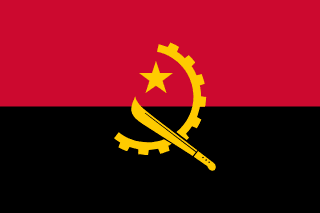
Flag of Angola

Angola

Africa

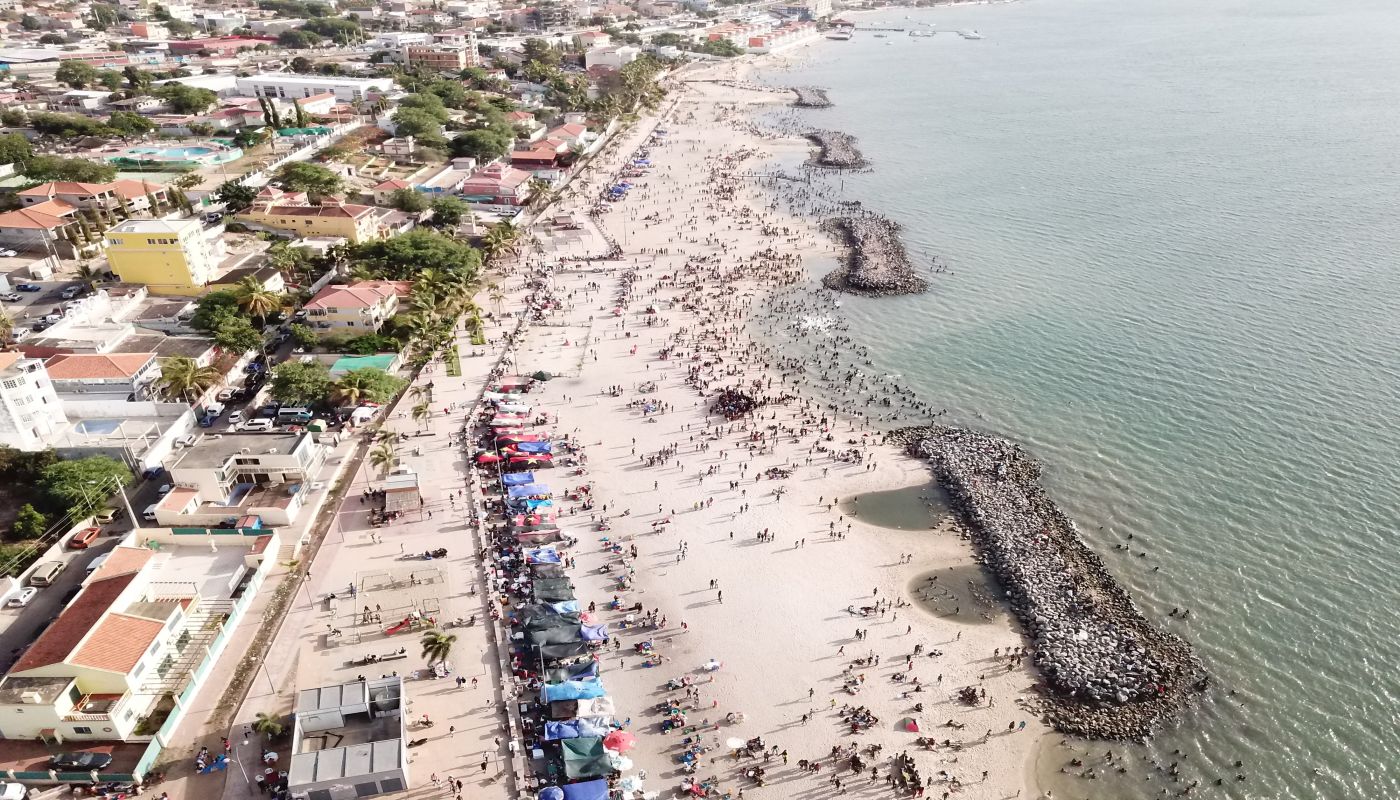
Angola is a country located in Southern Africa, bordered by Namibia, Zambia, the Democratic Republic of Congo, and the Atlantic Ocean. Despite having vast natural resources, including diamonds, oil, and gas, The country has made significant progress since the end of the civil war in 2002, with improvements in healthcare, education, and governance. Angola also has a growing economy and a young, entrepreneurial population eager to make positive change. Additionally, the country has a diverse cultural heritage, with influences from Portuguese colonizers and a variety of indigenous tribes. Angola's beautiful coastline and national parks offer opportunities for ecotourism, and the country has made commitments to conservation and wildlife protection. With its vast potential and a growing commitment to sustainability and development, Angola is home to over 32 million people.

What would you like to learn about in Angola?

Select a section to explore the country where nonprofits are creating positive change.

About Angola

Angola is still rebuilding its country since the end of a 27-year civil war in 2002. Fighting between the Popular Movement for the Liberation of Angola (MPLA), led by Jose Eduardo DOS SANTOS, and the National Union for the Total Independence of Angola (UNITA), led by Jonas SAVIMBI, followed independence from Portugal in 1975. Peace seemed imminent in 1992 when Angola held national elections, but fighting picked up again in 1993. Up to 1.5 million lives may have been lost - and 4 million people displaced - during the more than a quarter century of fighting. SAVIMBI's death in 2002 ended UNITA's insurgency and cemented the MPLA's hold on power. President DOS SANTOS pushed through a new constitution in 2010; elections held in 2012 saw him installed as president.

Quick Facts

Population
18,565,269 (July 2013 est.)
Area
1,246,700 sq km
ISO Code
AO
Continent
Africa
Government
republic; multiparty presidential regime
Active Causes
12
View all countries in Africa

Geography & Environment

Climate

semiarid in south and along coast to Luanda; north has cool, dry season (May to October) and hot, rainy season (November to April)

Terrain

narrow coastal plain rises abruptly to vast interior plateau

Natural Resources

petroleum, diamonds, iron ore, phosphates, copper, feldspar, gold, bauxite, uranium

Environmental Issues

overuse of pastures and subsequent soil erosion attributable to population pressures; desertification; deforestation of tropical rain forest, in response to both international demand for tropical timb...

People & Society

54.95 years
Avg. Life Expectancy
70.4%
Literacy Rate
59.2% of total population (2011)
Total Urban Population

Languages

Portuguese (official), Bantu and other African languages

Religions

indigenous beliefs 47%, Roman Catholic 38%, Protestant 15% (1998 est.)

Health Expenditure

2.9% of GDP (2010) of GDP

Education Expenditure

3.5% of GDP (2010) of GDP

Economy

$6,500
GDP per Capita (PPP)
NA%
Unemployment Rate
40.5% (2006 est.)
Below Poverty Line

Economic Overview

Angola's high growth rate in recent years was driven by high international prices for its oil. Angola became a member of OPEC in late 2006 and its current assigned a production quota of 1.65 million barrels a day (bbl/day). Oil production and its supporting activities contribute about 85% of GDP. Diamond exports contribute an additional 5%. Subsistence agriculture provides the main livelihood for most of the people, but half of the country's food is still imported. Increased oil production supported growth averaging more than 17% per year from 2004 to 2008. A postwar reconstruction boom and re...

Causes in Angola

Environment

Angola, a country located in Southern Africa, is deeply affected by environmental issues that have a significant impact on its population and economy. Deforestation due to logging, agricultural expansion, and infrastructure development has led to loss of biodiversity and degradation of ecosystems, such as the critical Congo Basin rainforest. This has resulted in soil erosion and decreased water quality, affecting agriculture and food security for Angolans. In addition, Angola faces challenges related to water scarcity, pollution from oil spills in its offshore oil fields, and inadequate waste management systems. These environmental challenges not only threaten the health and well-being of the people in Angola but also hinder sustainable development efforts in the country.

Family

In Angola, the concept of family holds significant importance and plays a crucial role in shaping the social fabric of the nation. The Angolan society is largely characterized by strong family ties and close-knit communities where the well-being of the family unit takes precedence. Families in Angola typically consist of extended family members beyond just parents and children, encompassing grandparents, aunts, uncles, and cousins. This extended family structure provides a support system that fosters a sense of belonging, security, and solidarity among its members. Moreover, families in Angola are often the primary source of emotional, financial, and social support, particularly in times of need or crisis. The collective values and traditions upheld within Angolan families serve as a foundation for cultural identity, heritage preservation, and intergenerational knowledge transfer.

Human Rights

Angola, a country located in Southern Africa, has faced numerous human rights challenges that have significantly impacted its population. The legacy of a 27-year civil war, which ended in 2002, has left a legacy of human rights abuses that continue to affect Angolans today. Issues such as arbitrary arrests, restrictions on freedom of expression and assembly, and gender-based violence remain prevalent in the country. These violations not only infringe upon the basic rights of Angolans but also hinder the country's development and stability. The government of Angola has taken steps to address these issues, but more efforts are needed to ensure the protection and promotion of human rights for all its citizens.

Education

Angola, a country located in Southern Africa, faces significant challenges in its education sector that profoundly affect its population. Despite efforts to improve access to education, factors such as poverty, lack of infrastructure, and teacher shortages have hindered progress. The impact of these challenges is evident in Angola's low literacy rates and high dropout rates, particularly among girls and children living in rural areas. Limited educational opportunities perpetuate cycles of poverty and inequality, further exacerbating social and economic disparities within the country. Addressing these issues is crucial for Angola's development and the well-being of its citizens.

Poverty

Angola, a country located in Southern Africa, has faced persistent challenges with poverty, which has had a profound impact on its population. Despite being rich in natural resources such as oil and diamonds, high levels of poverty persist in Angola due to factors such as a history of conflict and political instability, limited access to quality education and healthcare, and a lack of infrastructure development. The World Bank estimates that over one-third of the Angolan population lives below the national poverty line, struggling to meet their basic needs for food, shelter, and healthcare. Poverty in Angola disproportionately affects vulnerable groups such as women and children, leading to poor health outcomes and limited opportunities for economic empowerment. Addressing poverty in Angola requires comprehensive strategies that focus on improving education, healthcare, infrastructure, and promoting sustainable economic development to create lasting change for its people.

Religion

Religion plays a significant role in the social fabric of Angola, shaping its cultural identity and influencing various aspects of daily life. The country is predominantly Christian, with a majority of the population adhering to Roman Catholicism and various Protestant denominations. Religious beliefs and practices are deeply ingrained in Angolan society, influencing moral values, family structures, and community cohesion. Churches also often serve as centers for social activities, education, and charitable work, contributing to the overall well-being of the population. While freedom of religion is guaranteed by the Angolan constitution, there have been instances of religious tensions and discrimination, particularly against minority religious groups. Understanding the nuances of religious dynamics in Angola is crucial for promoting tolerance, respect, and peaceful coexistence among its diverse population.

Clean Water

Angola, a country located in Southern Africa, faces significant challenges in accessing clean water. The lack of access to clean and safe water sources has severe implications for the health and well-being of its population. According to UNICEF, only 56% of Angolans have access to basic water services, with disparities between urban and rural areas exacerbating the issue. Inadequate sanitation facilities further compound the problem, leading to waterborne diseases such as cholera and typhoid. The impact of unclean water is particularly pronounced among vulnerable groups, including children and the elderly, who are more susceptible to water-related illnesses. Addressing the issue of clean water access in Angola requires concerted efforts from government bodies, NGOs, and international organizations to implement sustainable solutions that ensure all Angolans have access to safe drinking water.

Economy

Angola, located in Southern Africa, is a country rich in natural resources, particularly oil and diamonds. Despite this wealth, the Angolan economy faces significant challenges that impact the population's well-being. The country heavily relies on oil exports, making it vulnerable to fluctuations in global oil prices. This dependence has hindered economic diversification and led to high levels of poverty and unemployment. Moreover, the legacy of a decades-long civil war has left the country with inadequate infrastructure and limited access to essential services, further exacerbating economic disparities. Addressing these issues requires comprehensive reforms to promote sustainable economic growth and improve the living conditions of Angolan citizens.

Government

Angola, a country located in Southern Africa, has faced significant challenges over the years due to various factors, with the government playing a crucial role in shaping the nation's trajectory. The impact of government decisions on Angola's economy, social welfare, and political landscape cannot be overstated. Mismanagement of resources, high levels of corruption, and lack of transparency have hindered the country's development efforts. Despite being rich in natural resources such as oil and diamonds, the benefits of these resources have not always translated into improved living conditions for the population. The government's policies and actions have a direct influence on the well-being of Angolans, making good governance essential for sustainable growth and development in the country.

Health

Angola, a country located in Southern Africa, faces numerous health challenges that significantly impact its population. The nation struggles with a high burden of diseases such as malaria, tuberculosis, HIV/AIDS, and malnutrition. Limited access to healthcare services, inadequate infrastructure, and a shortage of healthcare workers further exacerbate the health crisis in Angola. The lack of clean water and sanitation facilities also contribute to the spread of diseases. These health issues not only affect the physical well-being of the population but also have far-reaching social and economic implications. Addressing these health challenges is crucial to improving the overall well-being and quality of life for the people of Angola.

Children

In Angola, children are disproportionately affected by poverty, lack of access to education, and inadequate healthcare services. Despite progress in recent years, the country continues to grapple with high child mortality rates, malnutrition, and limited opportunities for quality education. The impact of these challenges on children is profound, often resulting in long-term consequences for their health, well-being, and future prospects. Addressing the root causes of these issues, such as poverty and limited infrastructure, is crucial to improving the lives of children in Angola and ensuring a brighter future for the next generation.

Animals

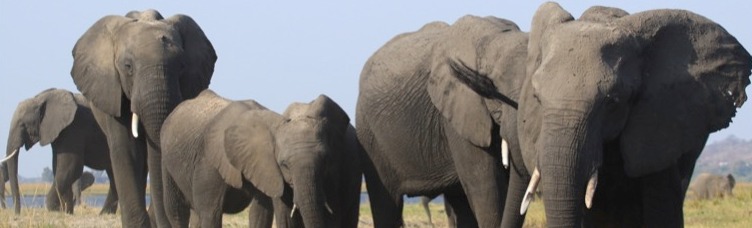
Angola, located in Southern Africa, boasts a rich biodiversity that is home to a variety of animal species. Animals play a crucial role in Angola's ecosystem, contributing to its environmental balance and supporting local communities through activities such as agriculture, tourism, and research. The country's diverse wildlife includes elephants, lions, giraffes, and numerous bird species, all of which are integral to the nation's cultural heritage and natural resources. However, Angola faces significant challenges in terms of wildlife conservation due to issues such as habitat loss, poaching, and illegal wildlife trade. Efforts are being made by the government and various conservation organizations to protect these animals and their habitats to ensure their survival for future generations.

Nonprofits Working in Angola

Discover organizations making a difference in Angola

Make Your Impact Today

Discover causes you care about and support the nonprofits making a difference in communities around the world.

Are you a nonprofit? Join Project World Impact for free

Join Us Free