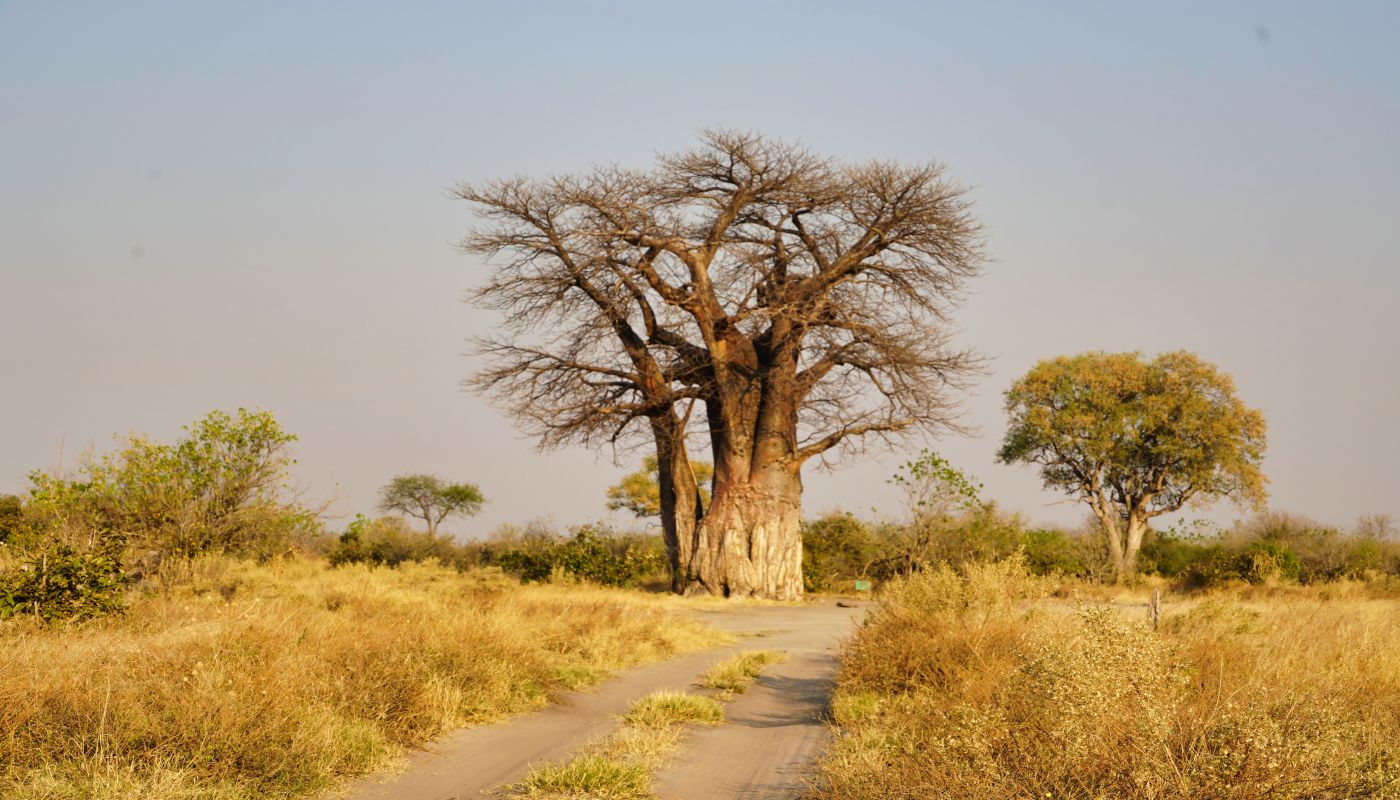
Landscape of Botswana
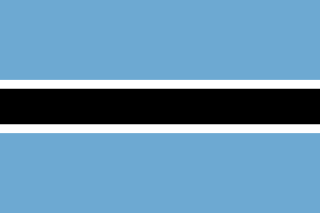
Flag of Botswana

Botswana

Africa

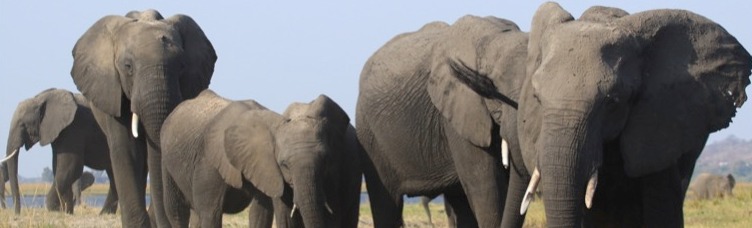
Botswana is a beautiful country located in southern Africa with a population of approximately 2.4 million people.It is known for its rich wildlife and boasts some of the most spectacular national parks in Africa, including the Okavango Delta, Chobe National Park, and Central Kalahari Game Reserve, where visitors can see a wide variety of animals such as elephants, lions, zebras, and giraffes in their natural habitat. Botswana is also home to several traditional tribes, each with its unique customs and beliefs, making it a culturally diverse destination. Moreover, the country has a stable and democratic government, a growing economy, and a strong commitment to conservation and sustainability, which has earned it a reputation as one of Africa's success stories Botswana has successfully diversified its economy beyond its traditional reliance on diamond mining, with sectors such as tourism and agriculture now playing a significant role. Botswana has achieved remarkable success in improving the well-being of its citizens and is widely regarded as a model for development in Africa.

What would you like to learn about in Botswana?

Select a section to explore the country where nonprofits are creating positive change.

About Botswana

Formerly the British protectorate of Bechuanaland, Botswana adopted its new name upon independence in 1966. More than four decades of uninterrupted civilian leadership, progressive social policies, and significant capital investment have created one of the most stable economies in Africa. Mineral extraction, principally diamond mining, dominates economic activity, though tourism is a growing sector due to the country's conservation practices and extensive nature preserves. Botswana has one of the world's highest known rates of HIV/AIDS infection, but also one of Africa's most progressive and comprehensive programs for dealing with the disease.

Quick Facts

Population
2,127,825 (July 2013 est.)
Area
581,730 sq km
ISO Code
BW
Continent
Africa
Government
parliamentary republic
Active Causes
12
View all countries in Africa

Geography & Environment

Climate

semiarid; warm winters and hot summers

Terrain

predominantly flat to gently rolling tableland; Kalahari Desert in southwest

Natural Resources

diamonds, copper, nickel, salt, soda ash, potash, coal, iron ore, silver

Environmental Issues

overgrazing; desertification; limited freshwater resources

People & Society

54.47 years
Avg. Life Expectancy
85.1%
Literacy Rate
61.7% of total population (2011)
Total Urban Population

Languages

Setswana 78.2%, Kalanga 7.9%, Sekgalagadi 2.8%, English (official) 2.1%, other 8.6%, unspecified 0.4% (2001 census)

Religions

Christian 71.6%, Badimo 6%, other 1.4%, unspecified 0.4%, none 20.6% (2001 census)

Health Expenditure

8.3% of GDP (2010) of GDP

Education Expenditure

7.8% of GDP (2009) of GDP

Economy

$17,100
GDP per Capita (PPP)
17.8%
Unemployment Rate
30.3% (2003)
Below Poverty Line

Economic Overview

Botswana has maintained one of the world's highest economic growth rates since independence in 1966. However, economic growth was negative in 2009, with the industrial sector shrinking by 30%, after the global crisis reduced demand for Botswana's diamonds. Although the economy recovered in 2010, GDP growth has again slowed. Through fiscal discipline and sound management, Botswana transformed itself from one of the poorest countries in the world to a middle-income country with a per capita GDP of $16,800 in 2012. Two major investment services rank Botswana as the best credit risk in Africa. Dia...

Causes in Botswana

Environment

Botswana, a landlocked country in Southern Africa, is renowned for its diverse ecosystems and rich biodiversity. The environment plays a crucial role in shaping the lives of Botswana's people, economy, and culture. With a significant portion of the population relying on agriculture and natural resources for their livelihoods, any changes in the environment can have profound impacts. The country faces environmental challenges such as deforestation, soil erosion, and water scarcity, exacerbated by factors like climate change and human activities. These issues not only threaten the delicate balance of ecosystems but also jeopardize food security and water availability for the population. It is imperative that sustainable practices and conservation efforts are prioritized to safeguard Botswana's environment for future generations.

Family

In Botswana, family holds significant cultural and social importance, shaping the fabric of society. The concept of family extends beyond immediate relatives to include extended family members, creating a strong sense of community and support. Families in Botswana play a crucial role in providing emotional, financial, and social support to their members, particularly during times of need or celebration. The traditional values of respect for elders and communal living further reinforce the importance of family ties in Botswana. However, modern influences such as urbanization and globalization are gradually changing the dynamics of family structures in the country. These shifts bring both challenges and opportunities as Botswana navigates the complexities of balancing tradition with modernity in the context of family life.

Human Rights

Botswana, a landlocked country in Southern Africa, has made significant strides in upholding human rights within its borders. Despite being one of the more stable and prosperous nations on the continent, Botswana still faces challenges in ensuring the protection of human rights for all its citizens. Discrimination against minority groups, gender-based violence, and limited access to education and healthcare are some of the key issues that continue to impact the human rights landscape in the country. The government of Botswana has taken steps to address these challenges through various legislative measures and policies aimed at promoting equality and social inclusion. However, there is still much work to be done to fully realize the vision of a society where all individuals can enjoy their fundamental human rights without discrimination.

Education

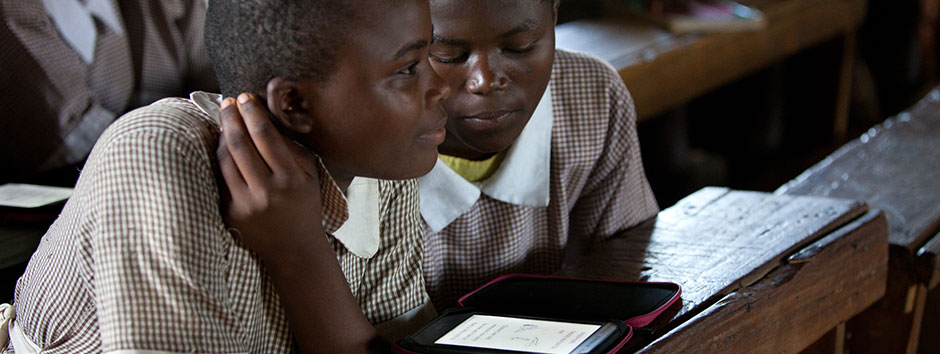
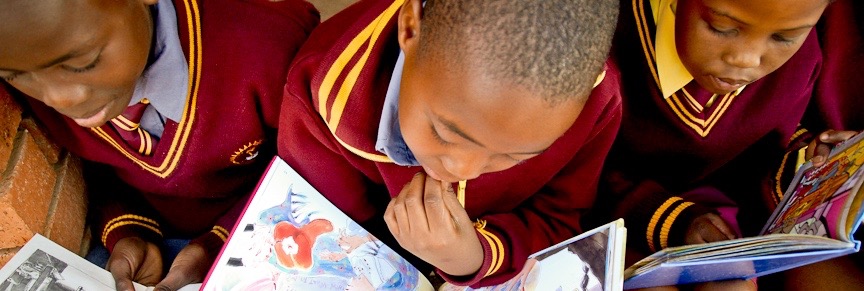
Education plays a crucial role in Botswana's development and progress. The country has made significant strides in improving its education system, with a strong emphasis on access to quality education for all its citizens. By investing in education, Botswana has managed to reduce illiteracy rates, improve healthcare outcomes, and boost economic growth. Education has empowered individuals to become skilled professionals, contributing to the country's workforce and overall prosperity. However, challenges such as limited resources and infrastructure gaps still exist, hindering the full potential of education in Botswana. By addressing these issues and continuing to prioritize education, Botswana can further enhance its social and economic development.

Poverty

Poverty remains a significant challenge in Botswana, a country located in southern Africa. Despite being classified as an upper-middle-income nation by the World Bank, poverty persists due to high levels of income inequality, limited access to basic services, and economic vulnerabilities such as heavy reliance on mineral exports, particularly diamonds. The impact of poverty in Botswana is profound, affecting education outcomes, healthcare access, and overall well-being. Furthermore, rural areas and marginalized communities bear the brunt of poverty, with limited opportunities for economic advancement exacerbating the cycle of deprivation. Addressing poverty in Botswana requires comprehensive strategies that focus on inclusive growth, social protection programs, and targeted interventions to uplift the most vulnerable populations.

Religion

Religion plays a significant role in the social fabric of Botswana, a landlocked country located in Southern Africa. Christianity is the dominant religion, with approximately 71% of the population adhering to various Christian denominations. Traditional beliefs also hold sway among a substantial portion of the populace, particularly in rural areas. The peaceful coexistence of different religious practices contributes to the country's cultural diversity and tolerance. Religious institutions in Botswana often serve as centers for community engagement, offering not only spiritual guidance but also support in areas such as education and healthcare. However, challenges such as religious conflicts and tensions do arise, highlighting the need for continued dialogue and understanding among different faith groups to foster harmony and unity in this multicultural society.

Clean Water

Clean water is a crucial resource for the people of Botswana, as it directly impacts various aspects of their lives. With approximately 70% of Botswana’s population residing in rural areas, access to clean water remains a significant challenge. Inadequate sanitation facilities and limited access to clean water sources have led to health issues such as waterborne diseases and malnutrition. Furthermore, the scarcity of clean water hinders agricultural activities, which are vital for the country's economy. Increased efforts to improve water infrastructure and promote hygiene practices are essential to address these challenges and enhance the overall well-being of the population in Botswana.

Economy

Botswana, a landlocked country in Southern Africa, boasts a relatively stable economy driven primarily by diamond mining, tourism, and agriculture. The economy of Botswana has been significantly impacted by the global economic downturn and the recent decline in diamond prices, which has led to a decrease in government revenue and hindered economic growth. Despite these challenges, Botswana has made significant strides in diversifying its economy by investing in sectors such as financial services, manufacturing, and technology. The country's economic success is also attributed to its sound governance, prudent fiscal management, and strong institutions. However, income inequality remains a pressing issue in Botswana, with a significant portion of the population still living in poverty. Addressing these disparities and promoting inclusive economic growth are crucial for Botswana's long-term development and prosperity.

Government

Botswana, a landlocked country in Southern Africa, has experienced significant economic growth and political stability since gaining independence from British colonial rule in 1966. The government of Botswana plays a crucial role in shaping the country's development and progress. With a strong commitment to democracy and good governance, the government has implemented policies that promote economic diversification, sustainable development, and social welfare. Through prudent management of its mineral resources, particularly diamonds, Botswana has been able to invest in key sectors such as education, healthcare, and infrastructure, improving the overall quality of life for its citizens. However, challenges such as high levels of income inequality, unemployment, and HIV/AIDS persist, requiring continued efforts from the government to address these issues effectively.

Health

Health plays a critical role in Botswana's development and well-being. The country faces numerous health challenges, including a high prevalence of HIV/AIDS, malaria, and tuberculosis. Additionally, non-communicable diseases such as diabetes and hypertension are on the rise. These health issues have a direct impact on the population's productivity, life expectancy, and overall quality of life. Limited access to healthcare facilities, especially in rural areas, exacerbates these challenges. The government of Botswana has made efforts to improve healthcare infrastructure and services, but more resources and awareness are needed to address the country's health issues effectively.

Children

In Botswana, children constitute a significant portion of the population and play a crucial role in shaping the nation's future. Despite progress in recent years, the country still faces challenges related to child well-being, including high rates of poverty, limited access to healthcare and education, and issues such as child labor and early marriages. These factors not only hinder the individual development of children but also have broader implications for the socio-economic development of the country as a whole. Ensuring the well-being and empowerment of children in Botswana is essential for building a sustainable and prosperous future for the nation.

Animals

Botswana, a country located in Southern Africa, is renowned for its diverse wildlife and rich natural habitats. Animals play a significant role in the ecosystem of Botswana, contributing to the country's economy through tourism and conservation efforts. The presence of iconic species such as elephants, lions, and rhinos draws visitors from around the world, providing vital revenue for local communities and supporting conservation initiatives. However, these animals face numerous threats, including habitat loss, poaching, and human-wildlife conflict. Conservation efforts are crucial to protect the biodiversity of Botswana and ensure the long-term survival of its wildlife populations.

Nonprofits Working in Botswana

Discover organizations making a difference in Botswana

Make Your Impact Today

Discover causes you care about and support the nonprofits making a difference in communities around the world.

Are you a nonprofit? Join Project World Impact for free

Join Us Free