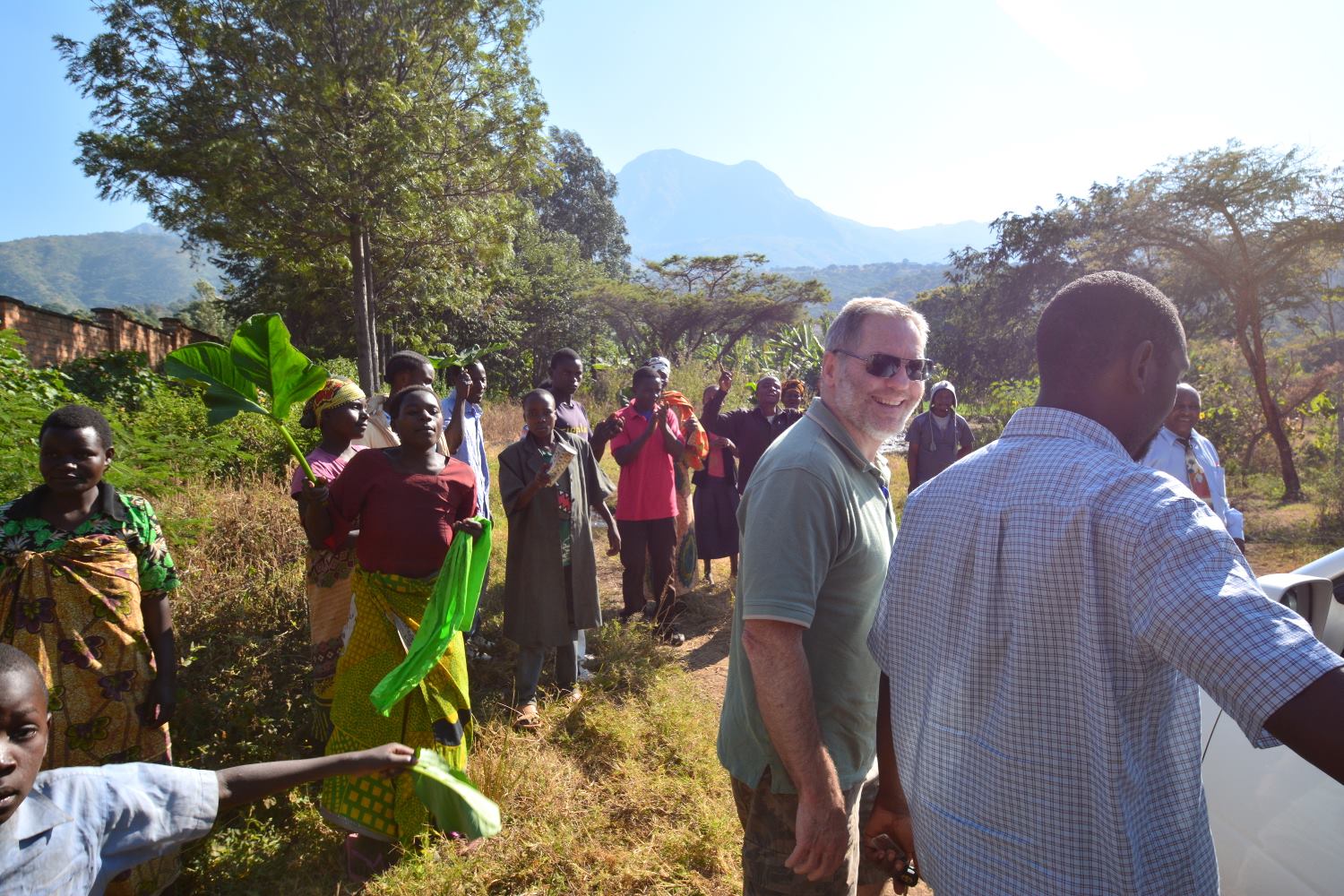
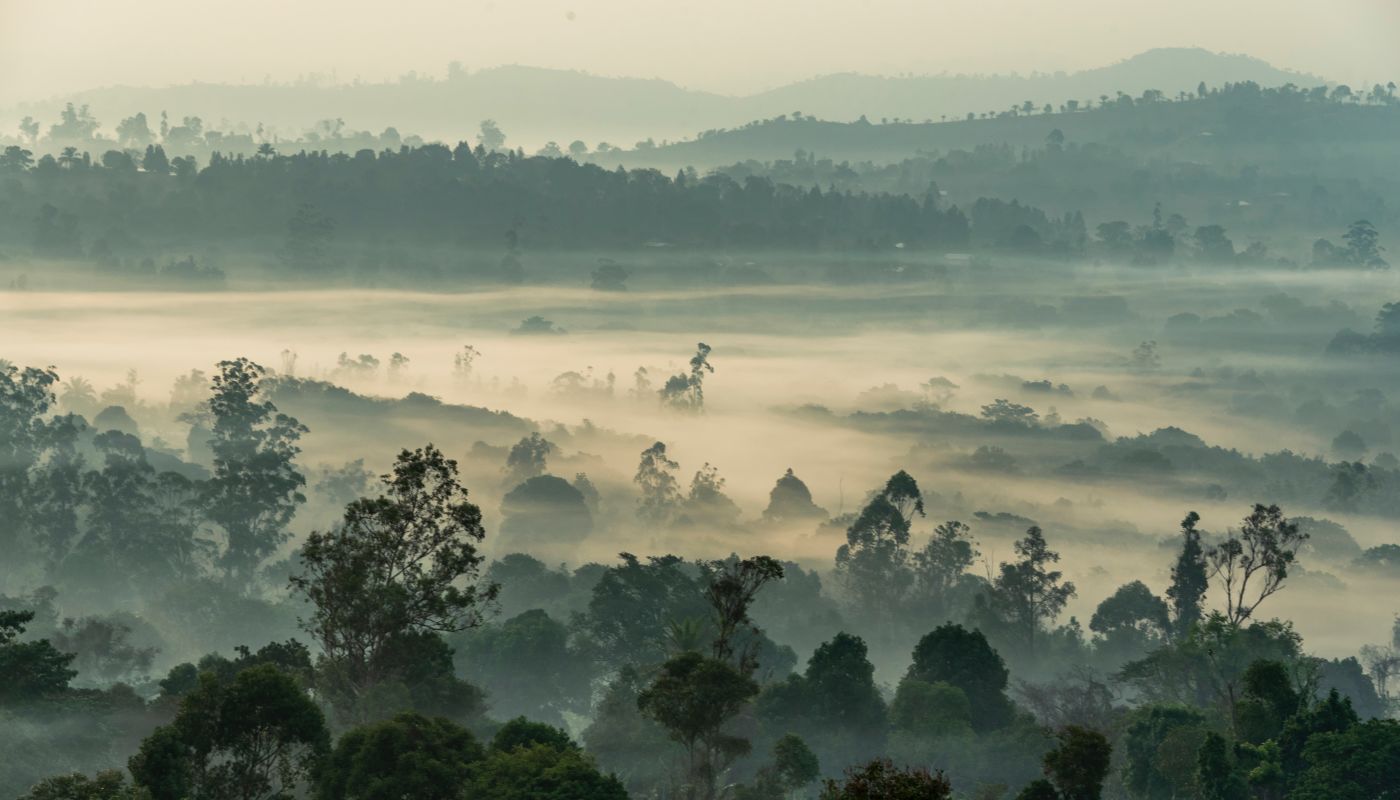
Landscape of Cameroon
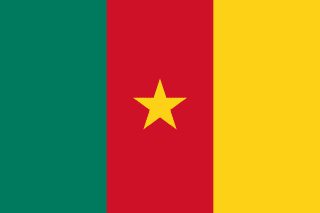
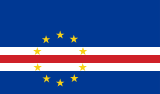
Flag of Cameroon

Cameroon

Africa

Cameroon is a country located in Central Africa, bordered by Nigeria to the west, Chad to the northeast, the Central African Republic to the east, Gabon, Equatorial Guinea, and the Republic of the Congo to the south. With a population of over 26 million people, Cameroon is a diverse country, home to more than 200 ethnic groups, each with its own unique language and culture. The official languages are French and English, reflecting Cameroon's colonial history. The country's economy is largely based on agriculture, with significant exports of oil, timber, and cocoa. Cameroon is also home to a number of national parks and wildlife reserves, including the Waza National Park and the Dja Faunal Reserve, which are important for the preservation of rare and endangered species. Cameroon is a resource-rich country with a mix of agriculture, oil, and minerals contributing to its economy. Its official languages are French and English, a reflection of its colonial history.

What would you like to learn about in Cameroon?

Select a section to explore the country where nonprofits are creating positive change.

About Cameroon

French Cameroon became independent in 1960 as the Republic of Cameroon. The following year the southern portion of neighboring British Cameroon voted to merge with the new country to form the Federal Republic of Cameroon. In 1972, a new constitution replaced the federation with a unitary state, the United Republic of Cameroon. The country has generally enjoyed stability, which has permitted the development of agriculture, roads, and railways, as well as a petroleum industry. Despite slow movement toward democratic reform, political power remains firmly in the hands of President Paul BIYA.

Quick Facts

Population
20,549,221 (July 2013 est.)
Area
475,440 sq km
ISO Code
CM
Continent
Africa
Government
republic; multiparty presidential regime
Active Causes
12
View all countries in Africa

Geography & Environment

Climate

varies with terrain, from tropical along coast to semiarid and hot in north

Terrain

diverse, with coastal plain in southwest, dissected plateau in center, mountains in west, plains in north

Natural Resources

petroleum, bauxite, iron ore, timber, hydropower

Environmental Issues

waterborne diseases are prevalent; deforestation; overgrazing; desertification; poaching; overfishing

People & Society

55.02 years
Avg. Life Expectancy
71.3%
Literacy Rate
52.1% of total population (2011)
Total Urban Population

Languages

24 major African language groups, English (official), French (official)

Religions

indigenous beliefs 40%, Christian 40%, Muslim 20%

Health Expenditure

5.1% of GDP (2010) of GDP

Education Expenditure

3.2% of GDP (2011) of GDP

Economy

$2,400
GDP per Capita (PPP)
30%
Unemployment Rate
48% (2000 est.)
Below Poverty Line

Economic Overview

Because of its modest oil resources and favorable agricultural conditions, Cameroon has one of the best-endowed primary commodity economies in sub-Saharan Africa. Still, it faces many of the serious problems confronting other underdeveloped countries, such as stagnant per capita income, a relatively inequitable distribution of income, a top-heavy civil service, endemic corruption, and a generally unfavorable climate for business enterprise. Since 1990, the government has embarked on various IMF and World Bank programs designed to spur business investment, increase efficiency in agriculture, im...

Causes in Cameroon

Environment

Cameroon, located in Central Africa, is a country rich in biodiversity and natural resources. The environment plays a crucial role in the lives of Cameroonians, with a vast majority of the population relying on agriculture, forestry, and fishing for their livelihoods. Deforestation, driven by logging, agriculture expansion, and infrastructure development, poses a significant threat to the country's diverse ecosystems and wildlife. Climate change has also brought about erratic weather patterns, leading to droughts and floods that impact agricultural productivity and food security. Additionally, pollution from industries and urban areas further degrades the environment and jeopardizes public health. It is imperative for Cameroon to prioritize sustainable environmental management practices to safeguard its natural heritage for future generations.

Family

Family plays a crucial role in Cameroonian society, shaping the lives of individuals and influencing various aspects of their well-being. In Cameroon, family is not limited to nuclear relatives but extends to include extended family members such as aunts, uncles, and grandparents. This strong emphasis on kinship fosters a sense of belonging and support among individuals, providing a safety net in times of need. Families in Cameroon often come together to celebrate important milestones, share resources, and provide emotional support to one another. However, challenges such as poverty, lack of access to healthcare, and educational opportunities can strain family dynamics and impact overall well-being. Recognizing the importance of strong family ties is essential for promoting social cohesion and addressing issues that affect Cameroonian families.

Human Rights

Cameroon, a country located in Central Africa, has faced numerous human rights challenges that have significantly impacted its citizens. Reports from credible sources such as Amnesty International and Human Rights Watch indicate widespread human rights abuses in Cameroon, including extrajudicial killings, torture, arbitrary arrests, and restrictions on freedom of expression. The ongoing conflict in the Anglophone regions of the country has resulted in a humanitarian crisis, with thousands of people displaced and numerous reports of human rights violations by both state security forces and armed separatist groups. The government's response to dissent and criticism has often been met with repression and violence, leading to a climate of fear and intimidation among civil society activists and journalists. Addressing these human rights violations is crucial for promoting stability, justice, and respect for the rule of law in Cameroon.

Education

Cameroon, a diverse nation in Central Africa, faces various challenges in its education sector that significantly impact its development and progress. The country's education system is plagued by issues such as insufficient infrastructure, inadequate resources, and a shortage of qualified teachers, particularly in rural areas. These factors contribute to low enrollment rates and high dropout rates, especially among girls and children from marginalized communities. As a result, many Cameroonians are deprived of quality education, limiting their opportunities for personal growth and socio-economic advancement. Improving access to education and enhancing its quality is crucial for Cameroon to address issues of poverty, inequality, and underdevelopment.

Poverty

Poverty remains a critical issue in Cameroon, significantly impacting its population and development. With a poverty rate of over 37%, a large portion of the country's inhabitants struggle to meet basic needs such as food, shelter, and healthcare. The consequences of poverty are far-reaching, affecting education outcomes, healthcare access, and overall quality of life. Limited economic opportunities, inadequate infrastructure, and social inequalities contribute to the perpetuation of poverty in Cameroon. Efforts to address poverty in the country include government initiatives, international aid programs, and civil society interventions aimed at improving livelihoods and promoting sustainable development. However, more comprehensive strategies and targeted interventions are needed to effectively combat poverty and uplift the lives of Cameroonians.

Religion

Religion holds significant influence in Cameroon, a country known for its diverse cultural and religious landscape. With a population comprising Christians, Muslims, and followers of indigenous belief systems, religion plays a vital role in shaping societal norms and values. Christianity is the dominant religion in the country, with Catholicism and Protestantism being the most practiced denominations. Islam also has a sizable following, particularly in the northern regions of Cameroon. Traditional African religions are still observed by a minority of the population, contributing to the rich tapestry of spiritual beliefs in the country. Despite this religious diversity, tensions and conflicts based on religious differences have occasionally arisen, highlighting the need for interfaith dialogue and understanding to promote peace and harmony among Cameroonians.

Clean Water

Cameroon, a country located in Central Africa, faces significant challenges regarding access to clean water. With a population of over 25 million people, a considerable portion of the population lacks access to safe drinking water and proper sanitation facilities. The shortage of clean water in Cameroon is primarily attributed to poor infrastructure, rapid urbanization, and environmental degradation. This scarcity of clean water has severe consequences on the health and well-being of the population, leading to waterborne diseases such as cholera, typhoid fever, and diarrhea. Furthermore, the lack of clean water disproportionately affects vulnerable groups such as children and women. Addressing the issue of clean water in Cameroon requires concerted efforts from the government, non-governmental organizations, and the international community to improve infrastructure, promote hygiene practices, and ensure sustainable water management practices are implemented nationwide.

Economy

Cameroon, located in Central Africa, is a country with a diverse economy heavily reliant on agriculture, oil production, and services. The economy of Cameroon faces various challenges, including a lack of infrastructure, political instability, and corruption. These factors hinder economic growth and development, leading to high unemployment rates and widespread poverty. The impact of the economy on the people of Cameroon is profound, with many struggling to access basic necessities such as food, healthcare, and education. Additionally, economic disparities exist between urban and rural areas, exacerbating social inequalities. Efforts to improve the economy through sustainable development projects and investment in key sectors are crucial to addressing these challenges and improving the quality of life for the people of Cameroon.

Government

Cameroon, a country in Central Africa, faces various challenges influenced by its government. The government of Cameroon plays a significant role in shaping the country's political, economic, and social landscape. However, issues such as corruption, lack of transparency, and human rights violations have been prevalent in the governance of the country. These factors have contributed to political instability, hindered economic growth, and exacerbated social inequalities within the Cameroonian society. The government's actions or lack thereof have had a direct impact on the lives of its citizens, leading to protests, unrest, and displacement of populations, particularly in regions affected by conflict and separatist movements. It is crucial to address these issues to foster sustainable development and ensure the well-being of all Cameroonians.

Health

Cameroon, a country located in Central Africa, faces significant health challenges that impact its population. The healthcare system in Cameroon is characterized by limited access to quality healthcare services, particularly in rural areas where infrastructure and resources are scarce. Maternal and child health remain major concerns, with high rates of maternal mortality and child malnutrition. Infectious diseases such as malaria, HIV/AIDS, and tuberculosis also pose significant threats to the population. Furthermore, the country grapples with a shortage of healthcare professionals and inadequate funding for the healthcare sector. These health issues not only affect the well-being of individuals but also hinder the overall development of the country. Raising awareness about these challenges is crucial to mobilize support for improving healthcare infrastructure, increasing access to essential services, and ultimately enhancing the health outcomes of the Cameroonian population.

Children

Cameroon, a country located in Central Africa, faces numerous challenges that impact its children. High poverty rates and lack of access to quality education and healthcare services are major issues affecting the well-being of Cameroonian children. According to UNICEF, an estimated 2.6 million children in Cameroon are living in poverty, lacking basic necessities such as clean water, adequate nutrition, and proper shelter. Furthermore, the ongoing political unrest and armed conflicts in certain regions of the country have resulted in widespread displacement of families, leaving many children vulnerable to violence, exploitation, and recruitment by armed groups. The lack of adequate protection mechanisms and social services exacerbates the risks faced by children in Cameroon, hindering their overall development and well-being.

Animals

Cameroon, located in Central Africa, boasts a rich diversity of wildlife that plays a crucial role in its ecosystem. Animals in Cameroon face numerous threats, primarily due to habitat loss, poaching, and the illegal wildlife trade. This not only endangers the survival of various species but also disrupts the delicate balance of the environment. Elephants, gorillas, and pangolins are among the many vulnerable species in Cameroon facing extinction if urgent conservation measures are not implemented. Furthermore, the loss of biodiversity has far-reaching impacts on local communities dependent on wildlife for sustenance and economic activities such as eco-tourism. By raising awareness about the importance of protecting Cameroon's animals, we can contribute to safeguarding its unique natural heritage for future generations.

Nonprofits Working in Cameroon

Discover organizations making a difference in Cameroon

GUTTMACHER INSTITUTE INC

GUTTMACHER INSTITUTE INC

Now in its fifth decade, the Guttmacher Institute remains committed to the mission and goals that led to its creation. The Guttmacher Institute was founded in 1968 as the Center for Family Planning Program Development. At the time, Presidents John F. Kennedy, Lyndon Johnson and Richard Nixon had begun to call the public's attention to the problem of unplanned and unwanted childbearing and its consequences for individual women and men, their children and their communities both at home and abroad. Concurrently, the United States Congress was taking its first steps toward the development of an international population assistance program, as well as a multifaceted, national program aimed at providing equitable access to modern methods of birth control in the United States. By integrating nonpartisan social science research, policy analysis and public education, the Center hoped to provide a factual basis for the development of sound governmental policies and for public consideration of the sensitive issues involved in the promotion of reproductive health and rights. This purpose and commitment continue today. The Center was originally housed within the corporate structure of Planned Parenthood Federation of America (PPFA). Its program, however, was independently developed and overseen by a National Advisory Council separate from the PPFA Board of Directors. Its early development was nurtured by Alan F. Guttmacher, an eminent obstetrician-gynecologist, teacher and writer who was PPFA's president for more than a decade until his death in 1974. The Center was renamed in Dr. Guttmacher's memory, and the Guttmacher Institute incorporated as an entirely independent nonprofit policy research institute with its own Board in 1977. The Guttmacher Institute maintains offices in New York and Washington. Its current staff of 81 comprises demographers, social scientists, public policy analysts, editors, writers, communications specialists, and financial and technical personnel. A few of its employees have been with the organization for most of its existence, and an affiliation that goes back 10 or 15 years is not unusual. The Institute's work is guided by a 39-member board made up of eminent professionals from a rich variety of disciplines, as well as civic leaders from across the United States and around the world. The Guttmacher Institute's annual budget of approximately $17 million is derived largely from private foundations, government agencies, multilateral organizations and individual contributions.

New York, New York
Make Your Impact Today

Discover causes you care about and support the nonprofits making a difference in communities around the world.

Are you a nonprofit? Join Project World Impact for free

Join Us Free