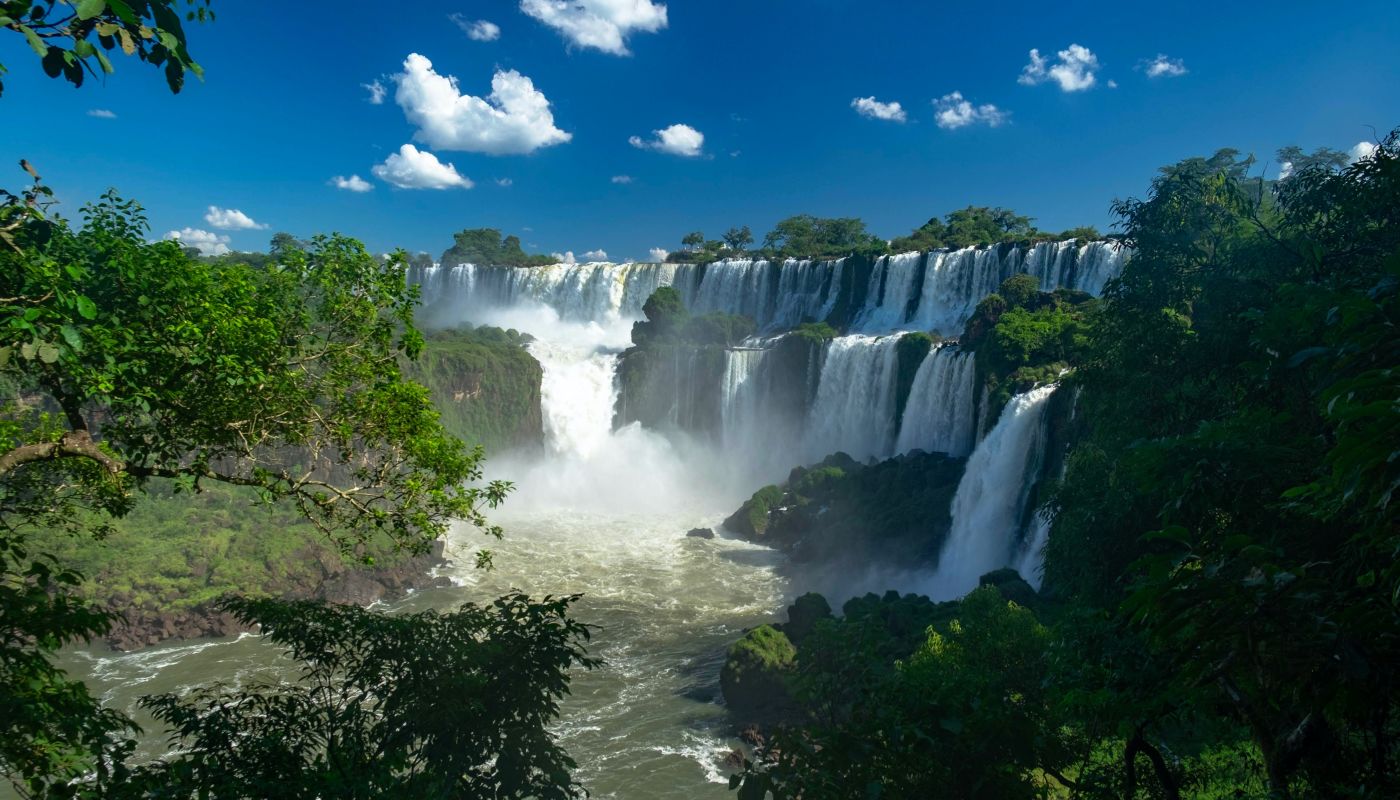
Landscape of Argentina
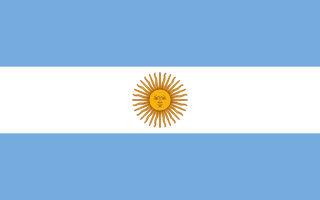
Flag of Argentina

Argentina

South America

Argentina is a country with a rich and diverse population, comprising people from various ethnic and cultural backgrounds. The population of Argentina is estimated to be around 45 million people, with the majority living in urban areas such as Buenos Aires, Cordoba, and Rosario. The people of Argentina are known for their warm hospitality and friendly nature, which has made the country a popular destination for tourists from around the world. The country's population is also known for its creativity and artistic talents, with Argentina producing many world-renowned writers, musicians, and artists. The country's rich history, cultural diversity, and friendly people make Argentina a unique and vibrant place to live and visit. Argentina's history is marked by political and economic concerns, but it remains a resilient and proud nation with a unique identity and strong sense of community.

What would you like to learn about in Argentina?

Select a section to explore the country where nonprofits are creating positive change.

About Argentina

In 1816, the United Provinces of the Rio Plata declared their independence from Spain. After Bolivia, Paraguay, and Uruguay went their separate ways, the area that remained became Argentina. The country's population and culture were heavily shaped by immigrants from throughout Europe, with Italy and Spain providing the largest percentage of newcomers from 1860 to 1930. Up until about the mid-20th century, much of Argentina's history was dominated by periods of internal political conflict between Federalists and Unitarians and between civilian and military factions. After World War II, an era of Peronist populism and direct and indirect military interference in subsequent governments was followed by a military junta that took power in 1976. Democracy returned in 1983 after a failed bid to seize the Falkland Islands (Islas Malvinas) by force, and has persisted despite numerous challenges, the most formidable of which was a severe economic crisis in 2001-02 that led to violent public protests and the successive resignations of several presidents. In January 2013, Argentina assumed a nonpermanent seat on the UN Security Council for the 2013-14 term.

Quick Facts

Population
42,610,981 (July 2013 est.)
Area
2,780,400 sq km
ISO Code
AR
Continent
South America
Government
republic
Active Causes
12
View all countries in South America

Geography & Environment

Climate

mostly temperate; arid in southeast; subantarctic in southwest

Terrain

rich plains of the Pampas in northern half, flat to rolling plateau of Patagonia in south, rugged Andes along western border

Natural Resources

fertile plains of the pampas, lead, zinc, tin, copper, iron ore, manganese, petroleum, uranium

Environmental Issues

environmental problems (urban and rural) typical of an industrializing economy such as deforestation, soil degradation, desertification, air pollution, and water pollution

People & Society

77.32 years
Avg. Life Expectancy
97.9%
Literacy Rate
92% of total population (2010)
Total Urban Population

Languages

Spanish (official), Italian, English, German, French, indigenous (Mapudungun, Quechua)

Religions

nominally Roman Catholic 92% (less than 20% practicing), Protestant 2%, Jewish 2%, other 4%

Health Expenditure

8.1% of GDP (2010) of GDP

Education Expenditure

5.8% of GDP (2010) of GDP

Economy

$18,400
GDP per Capita (PPP)
7.2%
Unemployment Rate
30%
Below Poverty Line

Economic Overview

Argentina benefits from rich natural resources, a highly literate population, an export-oriented agricultural sector, and a diversified industrial base. Although one of the world's wealthiest countries 100 years ago, Argentina suffered during most of the 20th century from recurring economic crises, persistent fiscal and current account deficits, high inflation, mounting external debt, and capital flight. A severe depression, growing public and external indebtedness, and an unprecedented bank run culminated in 2001 in the most serious economic, social, and political crisis in the country's turb...

Causes in Argentina

Environment

Argentina, a country known for its vast and diverse landscapes, is profoundly affected by environmental issues. The extensive agricultural activities, deforestation practices, and industrial growth in Argentina have led to significant environmental challenges such as soil degradation, water pollution, and loss of biodiversity. The country's economy heavily relies on agriculture, particularly soybean production, which has resulted in large-scale deforestation of the native forests. Additionally, rapid urbanization and industrialization have contributed to air and water pollution in major cities like Buenos Aires. These environmental issues not only impact the natural ecosystems and wildlife but also pose serious health risks to the population. Addressing these challenges requires a collective effort to promote sustainable practices, conservation measures, and environmental awareness among the citizens of Argentina.

Family

In Argentina, family plays a central role in shaping the social fabric and cultural values of the nation. The concept of family extends beyond immediate relatives to include extended family members, emphasizing strong bonds and mutual support among kin. Families in Argentina often gather for important events and celebrations, fostering a sense of unity and belonging. Moreover, family ties are instrumental in providing emotional support, financial assistance, and caregiving for individuals throughout their lives. The influence of family is evident in various aspects of Argentine society, from decision-making processes to social norms and traditions. Understanding the significance of family dynamics in Argentina is crucial for appreciating the country's rich heritage and community-oriented mindset.

Human Rights

Argentina has a rich history intertwined with various human rights issues that have significantly impacted the country. The period of military dictatorship from 1976 to 1983, known as the "Dirty War," saw severe human rights violations, including forced disappearances, torture, and killings of political dissidents. The aftermath of this dark chapter led to the establishment of the National Commission on the Disappearance of Persons (CONADEP) in 1983, which documented over 8,900 cases of enforced disappearances. Since then, Argentina has made significant strides in addressing human rights abuses through trials of military officials and the repeal of amnesty laws. Despite these advancements, challenges remain, including indigenous rights, gender-based violence, and the protection of marginalized communities. Continued efforts are necessary to ensure the protection and promotion of human rights for all individuals in Argentina.

Education

In Argentina, education plays a significant role in shaping the future of its citizens and the overall development of the nation. The country has a long-standing commitment to providing quality education to its population, with the government investing a considerable portion of its budget into the education sector. Despite these efforts, disparities exist in access to education, particularly in rural and marginalized urban areas, leading to inequality in educational opportunities. As a result, Argentina faces challenges in achieving educational equity and ensuring that all its citizens have access to quality education. Addressing these disparities and improving the overall quality of education are crucial steps towards enhancing social mobility, reducing poverty, and fostering economic development in the country.

Poverty

Argentina, a country known for its diverse culture and rich history, is grappling with the significant challenge of poverty. According to official statistics, around a third of the population in Argentina lives below the poverty line. The impact of poverty in Argentina is far-reaching, affecting various aspects of society such as access to education, healthcare, and employment opportunities. Inadequate housing conditions and limited access to basic services further exacerbate the situation, particularly for vulnerable populations such as children and the elderly. Addressing poverty in Argentina requires multi-faceted strategies that focus on improving social welfare programs, promoting economic growth, and ensuring equitable distribution of resources.

Religion

Religion plays a significant role in Argentina, a country known for its religious diversity. The majority of the population identifies as Roman Catholic, with the influence of Catholicism deeply ingrained in the cultural fabric of the nation. In recent years, however, there has been a noticeable shift towards secularism, with a growing number of Argentinians identifying as non-religious or adhering to other faiths such as Protestantism, Judaism, Islam, and Buddhism. This religious pluralism has contributed to a more tolerant and inclusive society, fostering a sense of unity among different religious communities. Despite this diversity, religious discrimination and intolerance still persist in certain areas, highlighting the ongoing importance of promoting interfaith dialogue and understanding in Argentina.

Clean Water

Argentina, a country known for its rich cultural heritage and diverse landscapes, faces significant challenges in ensuring access to clean water for its population. Water scarcity and pollution are major concerns in Argentina, with an estimated 3 million people lacking access to safe drinking water. The impact of contaminated water sources is far-reaching, leading to health issues such as gastrointestinal diseases and other waterborne illnesses. Additionally, industrial activities and inadequate wastewater treatment contribute to the pollution of rivers and groundwater, further exacerbating the water crisis. Addressing these challenges requires a comprehensive approach that includes improving water infrastructure, implementing effective water management policies, and increasing public awareness about the importance of clean water for health and well-being.

Economy

Argentina, a South American country rich in natural resources and cultural heritage, has faced economic challenges that have significantly impacted its population. The country's economy has been characterized by periods of growth and instability, with issues such as high inflation rates, a large fiscal deficit, and external debt posing significant challenges. These economic factors have led to a decrease in purchasing power for the Argentine people, causing a decline in living standards and increasing poverty rates. The government has implemented various measures to address these economic challenges, but the road to recovery remains long and challenging. It is crucial to raise awareness about the economic situation in Argentina to support efforts towards sustainable development and improved living conditions for its citizens.

Government

Argentina, a country located in South America, has been greatly affected by the decisions and policies of its government. The government of Argentina plays a crucial role in shaping the country's economy, social welfare, and overall well-being of its citizens. The government's policies on taxation, trade regulations, and public spending directly impact the country's economic growth and stability. In recent years, Argentina has faced economic challenges such as high inflation rates, currency devaluation, and a growing public debt burden. These issues are often intertwined with government decisions on fiscal management and economic policies. Moreover, government initiatives in areas such as healthcare, education, and social welfare have a significant impact on the quality of life of the Argentine population. It is essential for the government to make informed and responsible decisions that prioritize the long-term prosperity and welfare of its citizens.

Health

Argentina, like many other countries, faces various health challenges that impact its population. One of the primary health concerns in Argentina is access to healthcare services, with disparities existing between urban and rural areas. Limited access to quality healthcare facilities and healthcare professionals in remote regions hinders the delivery of essential medical services to the population. Additionally, non-communicable diseases such as cardiovascular diseases and cancer are prevalent in Argentina, contributing significantly to the country's disease burden. Furthermore, mental health issues are on the rise, with stigma and limited resources hindering access to mental health services for those in need. Addressing these health challenges requires a comprehensive approach that includes improving healthcare infrastructure, increasing healthcare workforce capacity, and promoting awareness of preventive health measures among the population.

Children

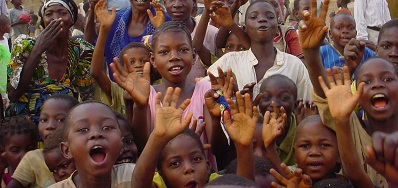
In Argentina, children face various challenges that significantly impact their well-being and future prospects. High poverty rates, inadequate access to education and healthcare, and a lack of social support systems contribute to the vulnerability of many Argentine children. According to UNICEF, around 48% of children in Argentina live in poverty, facing food insecurity and limited access to basic necessities. This economic hardship often results in barriers to education, perpetuating a cycle of poverty for generations. Furthermore, issues such as child labor and insufficient child protection services further exacerbate the challenges faced by Argentine children. Raising awareness about these issues is crucial to mobilize support for policies and programs that can improve the lives of children in Argentina.

Animals

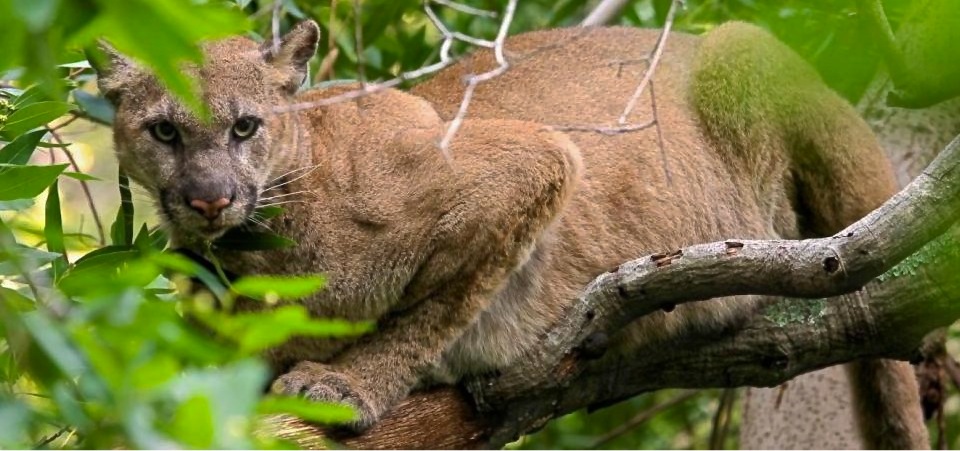
Argentina is home to a diverse range of animal species, including the iconic jaguar, puma, and the endangered giant anteater. The country's rich ecosystems provide habitats for a wide array of wildlife, promoting biodiversity and ecological balance. However, animals in Argentina face numerous threats such as habitat destruction, poaching, and climate change. Deforestation for agriculture and urban development has led to the loss of crucial habitats for many species, pushing them towards endangerment. Illegal hunting and trafficking further endanger wildlife populations, disrupting the delicate balance of nature in Argentina. Climate change exacerbates these issues by altering ecosystems and food availability for animals. Conservation efforts are crucial to protect Argentina's unique fauna and ensure their survival for future generations.

Nonprofits Working in Argentina

Discover organizations making a difference in Argentina

Make Your Impact Today

Discover causes you care about and support the nonprofits making a difference in communities around the world.

Are you a nonprofit? Join Project World Impact for free

Join Us Free