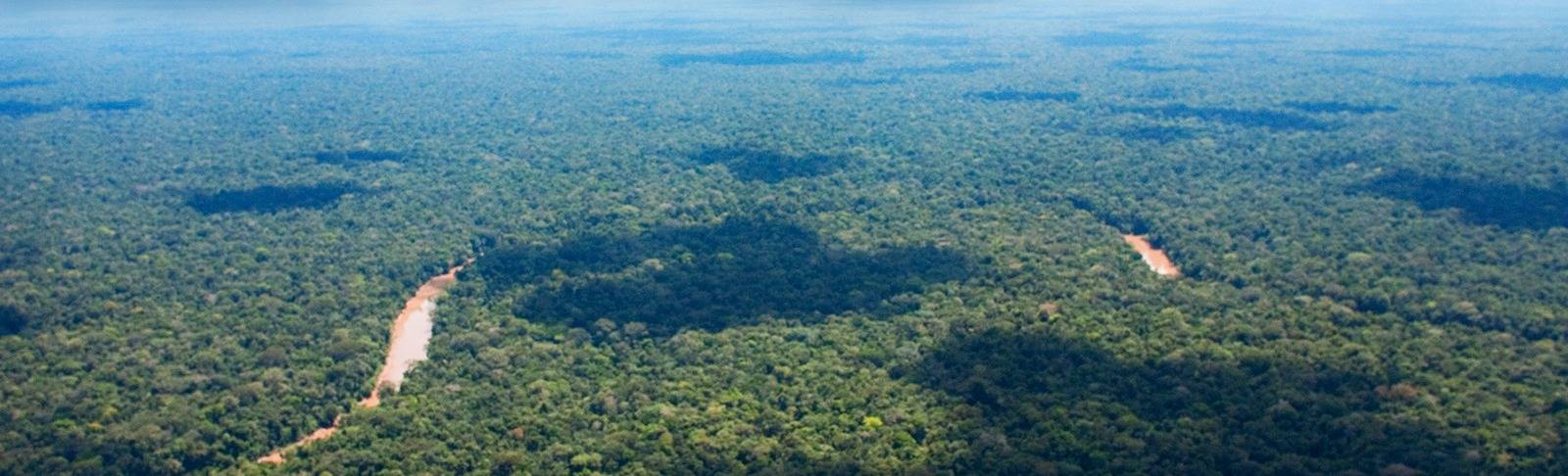
Landscape of Colombia
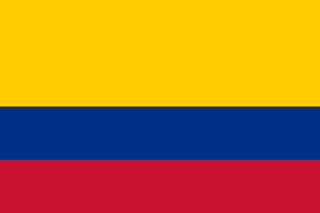
Flag of Colombia

Colombia

South America

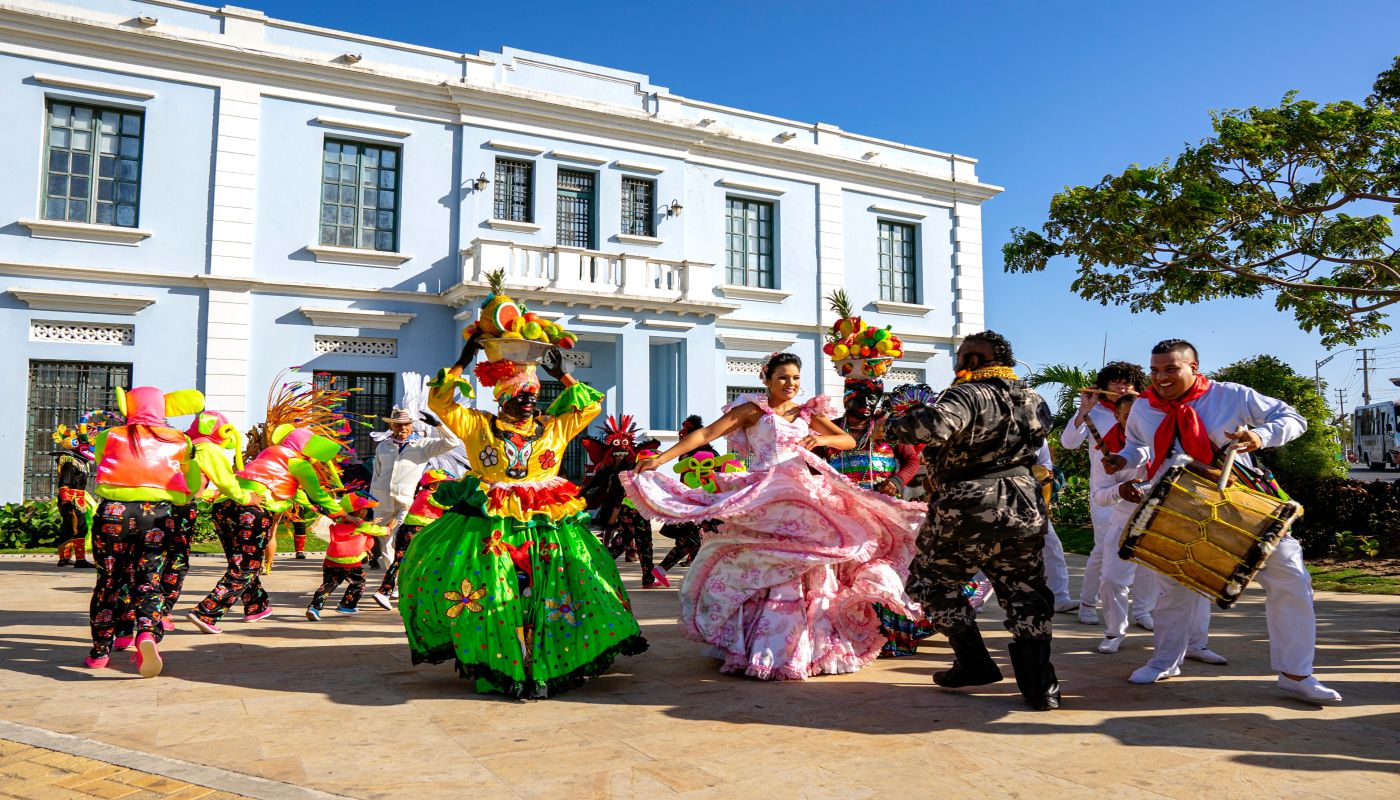
Colombia is a country located in the northwestern region of South America. It is the fourth largest country in the continent and has a diverse geography ranging from the Andes mountain range to the Amazon rainforest and Caribbean coast. Colombia has a rich history and culture that blends Indigenous, European, and African influences. Its economy is largely based on agriculture, mining, and oil exports, and it has made significant strides in recent years in terms of economic growth and political stability. With a population of over 50 million people, it is considered one of the most promising emerging markets in the world. Despite its struggles with drug cartels and political instability in the past, Colombia is a popular destination for tourists and a hub for innovation and entrepreneurship.

What would you like to learn about in Colombia?

Select a section to explore the country where nonprofits are creating positive change.

About Colombia

Colombia was one of the three countries that emerged from the collapse of Gran Colombia in 1830 (the others are Ecuador and Venezuela). A nearly five-decade long conflict between government forces and anti-government insurgent groups, principally the Revolutionary Armed Forces of Colombia (FARC) heavily funded by the drug trade, escalated during the 1990s. More than 31,000 former paramilitaries had demobilized by the end of 2006 and the United Self Defense Forces of Colombia as a formal organization had ceased to function. In the wake of the paramilitary demobilization, emerging criminal groups arose, whose members include some former paramilitaries. The insurgents lack the military or popular support necessary to overthrow the government, but continue attacks against civilians. Large areas of the countryside are under guerrilla influence or are contested by security forces. In October 2012, the Colombian Government started formal peace negotiations with the FARC aimed at reaching a definitive bilateral ceasefire and incorporating demobilized FARC members into mainstream society and politics. The Colombian Government has stepped up efforts to reassert government control throughout the country, and now has a presence in every one of its administrative departments. Despite decades of internal conflict and drug related security challenges, Colombia maintains relatively strong democratic institutions characterized by peaceful, transparent elections and the protection of civil liberties.

Quick Facts

Population
45,745,783 (July 2013 est.)
Area
1,138,910 sq km
ISO Code
CO
Continent
South America
Government
republic; executive branch dominates government structure
Active Causes
12
View all countries in South America

Geography & Environment

Climate

tropical along coast and eastern plains; cooler in highlands

Terrain

flat coastal lowlands, central highlands, high Andes Mountains, eastern lowland plains (Llanos)

Natural Resources

petroleum, natural gas, coal, iron ore, nickel, gold, copper, emeralds, hydropower

Environmental Issues

deforestation; soil and water quality damage from overuse of pesticides; air pollution, especially in Bogota, from vehicle emissions

People & Society

75.02 years
Avg. Life Expectancy
93.6%
Literacy Rate
75% of total population (2010)
Total Urban Population

Languages

Spanish (official)

Religions

Roman Catholic 90%, other 10%

Health Expenditure

7.6% of GDP (2010) of GDP

Education Expenditure

4.5% of GDP (2011) of GDP

Economy

$11,000
GDP per Capita (PPP)
10.4%
Unemployment Rate
34.1% (2011 est.)
Below Poverty Line

Economic Overview

Colombia's consistently sound economic policies and aggressive promotion of free trade agreements in recent years have bolstered its ability to face external shocks. Real GDP has grown more than 4% per year for the past three years, continuing almost a decade of strong economic performance. All three major ratings agencies have upgraded Colombia's government debt to investment grade. Nevertheless, Colombia depends heavily on oil exports, making it vulnerable to a drop in oil prices. Economic development is stymied by inadequate infrastructure, weakened further by recent flooding. Moreover, the...

Causes in Colombia

Environment

Colombia, a country known for its rich biodiversity and diverse ecosystems, faces significant environmental challenges that impact its population and economy. The environmental issues in Colombia are multifaceted, ranging from deforestation and soil degradation to water pollution and loss of biodiversity. Deforestation, driven by agriculture, illegal logging, and mining activities, threatens the country's valuable rainforests and contributes to climate change. Soil degradation, mainly caused by unsustainable agricultural practices, poses a threat to food security and rural livelihoods. Water pollution, resulting from industrial discharges and inadequate waste management systems, affects both human health and aquatic ecosystems. Loss of biodiversity, due to habitat destruction and illegal wildlife trade, jeopardizes Colombia's unique flora and fauna. Addressing these environmental challenges is crucial for the long-term sustainability of Colombia's natural resources and the well-being of its people.

Family

In Colombia, family is a central and fundamental institution that plays a significant role in shaping the social fabric of the country. Families in Colombia are typically close-knit, with multiple generations often living together or in close proximity, providing emotional support and a sense of belonging. The concept of "familismo," which emphasizes loyalty, reciprocity, and solidarity within the family unit, is deeply ingrained in Colombian culture. Family members are relied upon for emotional and financial support, especially in times of crisis or hardship. Additionally, family gatherings and celebrations are important cultural traditions that strengthen familial bonds and reinforce the value of kinship. However, it is important to note that issues such as domestic violence, child abuse, and gender disparities can also impact Colombian families, highlighting the complexities within familial relationships in this diverse South American nation.

Human Rights

Colombia faces significant human rights challenges that impact its population in various ways. The country has been plagued by decades of internal armed conflict, leading to numerous human rights violations, including forced displacement, extrajudicial killings, and attacks on social leaders and human rights defenders. Indigenous and Afro-Colombian communities are particularly vulnerable to these violations due to their land tenure issues and cultural practices. The persistence of these violations not only hampers the basic rights of Colombians but also impedes the country's overall development and stability. Addressing these human rights issues is crucial for Colombia to achieve lasting peace and social justice.

Education

Colombia, a country renowned for its vibrant culture and diverse landscapes, has long grappled with socio-economic challenges that have significantly impacted its education system. The lack of access to quality education, particularly in rural areas and among marginalized communities, has perpetuated a cycle of poverty and inequality in Colombia. Limited resources, inadequate infrastructure, and a deficit in qualified teachers have hindered the delivery of quality education to all Colombian children. As a result, many students struggle to acquire the necessary skills and knowledge to succeed in an increasingly competitive global economy. Addressing these educational disparities is crucial for Colombia's future development and prosperity. By investing in education and providing equal opportunities for all children, Colombia can break the cycle of poverty, empower its citizens, and foster sustainable growth for generations to come.

Poverty

Poverty in Colombia is a complex issue that significantly impacts the country's population. With a poverty rate of around 27%, many Colombians struggle to meet their basic needs, leading to limited access to education, healthcare, and adequate housing. This economic disparity is often exacerbated by factors such as political instability, violence, and unequal distribution of wealth. The rural areas, in particular, bear the brunt of poverty, with indigenous and Afro-Colombian communities facing higher levels of deprivation. The cycle of poverty is further perpetuated as limited opportunities for economic advancement hinder social mobility. Addressing poverty in Colombia requires a multifaceted approach that includes targeted social programs, job creation initiatives, and sustainable economic development efforts.

Religion

Religion holds significant influence in Colombia, where Catholicism is deeply ingrained in the cultural fabric of the nation. The majority of Colombians identify as Roman Catholic, with the Church playing a prominent role in shaping societal norms and values. Religious beliefs often intersect with political and social issues, impacting policies on issues such as abortion and same-sex marriage. Additionally, the presence of other faiths, such as Protestantism and indigenous spiritual practices, adds to the religious diversity of Colombia. Despite strides towards secularism, religion continues to be a defining aspect of Colombian identity and society.

Clean Water

Colombia, a country rich in biodiversity and natural resources, faces significant challenges in ensuring access to clean water for its population. With approximately 30% of rural Colombians lacking access to safe drinking water, the issue of water contamination and scarcity poses a threat to public health and economic development. The pollution of rivers and water sources due to industrial activities, deforestation, and inadequate waste management systems exacerbates the problem, leading to waterborne diseases and environmental degradation. Moreover, the unequal distribution of clean water resources across regions further deepens social inequalities in Colombia. Addressing these challenges requires sustainable management practices, investments in infrastructure, and effective policies to safeguard water quality and availability for all Colombians.

Economy

Colombia, a country located in South America, faces a myriad of economic challenges that have significant impacts on its population. The Colombian economy is heavily dependent on commodities such as oil, coal, and coffee, making it vulnerable to fluctuations in global prices. This reliance on commodities has led to economic instability, inequality, and high levels of poverty in the country. Additionally, Colombia has been plagued by issues such as corruption, political instability, and armed conflict, which further hinder economic development and prosperity for its citizens. The lack of access to quality education and healthcare exacerbates the economic disparities within the country, perpetuating a cycle of poverty for many Colombians. It is crucial for policymakers and stakeholders to address these issues through sustainable economic policies and social programs to promote inclusive growth and development in Colombia.

Government

Colombia, a country located in South America, has a complex history marked by political unrest, armed conflict, and drug-related violence. The impact of the Colombian government on its citizens is profound and multifaceted. Government policies and actions have played a significant role in shaping the socio-economic landscape of the nation, influencing issues such as poverty, inequality, and access to healthcare and education. In recent years, efforts have been made to address these challenges through initiatives aimed at promoting peace, reconciliation, and sustainable development. However, systemic corruption and challenges in implementing reforms continue to hinder progress towards a more stable and prosperous society. It is crucial for both the government and the people of Colombia to work together towards building a brighter future for all its citizens.

Health

In Colombia, health plays a crucial role in shaping the nation's well-being and development. The country faces various health challenges, including high rates of infectious diseases such as dengue fever, malaria, and Zika virus. Limited access to healthcare services, especially in rural areas, contributes to disparities in health outcomes among different population groups. Additionally, issues such as malnutrition, inadequate sanitation, and insufficient healthcare infrastructure further exacerbate the country's health concerns. Addressing these challenges requires a comprehensive approach that prioritizes improving healthcare access, strengthening healthcare systems, and promoting public health initiatives. By investing in healthcare and prioritizing the well-being of its citizens, Colombia can work towards achieving better health outcomes and ultimately enhancing the quality of life for its people.

Children

Colombia, a country rich in culture and natural beauty, faces numerous challenges that impact its children. One of the most pressing issues affecting Colombian children is the ongoing armed conflict and violence that has plagued the nation for decades. Children in Colombia are often caught in the crossfire between various armed groups, leading to high rates of displacement, injuries, and even death. This exposure to violence can have long-lasting psychological effects on children, impacting their mental health and well-being. Additionally, many children in Colombia lack access to quality education, healthcare, and other essential services, further exacerbating their vulnerabilities. Addressing these issues and ensuring the protection and well-being of Colombian children is crucial for the country's future development and stability.

Animals

Colombia, a country known for its rich biodiversity, is home to a wide variety of animals that play a crucial role in its ecosystem. The impact of animals in Colombia extends beyond their intrinsic value to the environment and encompasses cultural, economic, and scientific significance. From the majestic jaguars and colorful toucans to the endangered species like the Andean condor, the diverse wildlife in Colombia faces numerous threats such as deforestation, illegal wildlife trade, and habitat destruction. These issues not only endanger the survival of many species but also disrupt the delicate balance of the ecosystem, leading to far-reaching consequences for both wildlife and humans. Raising awareness about the importance of preserving Colombia's animals is essential to safeguarding the country's natural heritage for future generations.

Nonprofits Working in Colombia

Discover organizations making a difference in Colombia

Make Your Impact Today

Discover causes you care about and support the nonprofits making a difference in communities around the world.

Are you a nonprofit? Join Project World Impact for free

Join Us Free