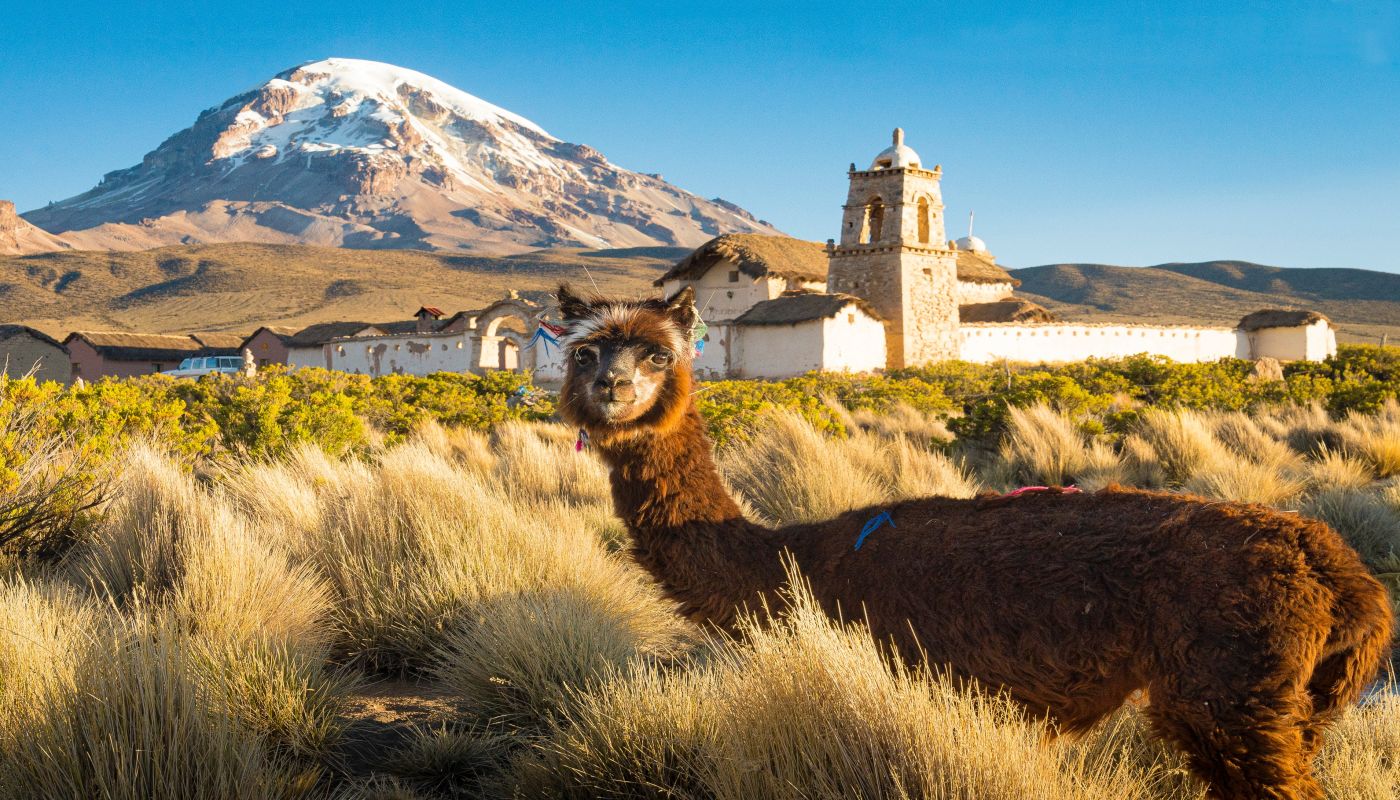
Landscape of Bolivia
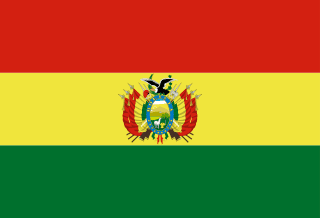
Flag of Bolivia

Bolivia

South America

Bolivia is a beautiful country located in South America with a population of over 11 million people. Bolivia boasts a diverse geography, including the Andes Mountains, the Amazon Rainforest, and the high-altitude plateau known as the Altiplano. This provides the country with unique ecological systems and natural resources, such as lithium, which has become a significant economic driver for the country. Bolivia is also known for its rich cultural heritage, with 36 indigenous languages recognized by the government.

What would you like to learn about in Bolivia?

Select a section to explore the country where nonprofits are creating positive change.

About Bolivia

Bolivia, named after independence fighter Simon BOLIVAR, broke away from Spanish rule in 1825; much of its subsequent history has consisted of a series of nearly 200 coups and countercoups. Democratic civilian rule was established in 1982, but leaders have faced difficult problems of deep-seated poverty, social unrest, and illegal drug production. In December 2005, Bolivians elected Movement Toward Socialism leader Evo MORALES president - by the widest margin of any leader since the restoration of civilian rule in 1982 - after he ran on a promise to change the country's traditional political class and empower the nation's poor, indigenous majority. However, since taking office, his controversial strategies have exacerbated racial and economic tensions between the Amerindian populations of the Andean west and the non-indigenous communities of the eastern lowlands. In December 2009, President MORALES easily won reelection, and his party took control of the legislative branch of the government, which will allow him to continue his process of change. In October 2011, the country held its first judicial elections to appoint judges to the four highest courts.

Quick Facts

Population
10,461,053 (July 2013 est.)
Area
1,098,581 sq km
ISO Code
BO
Continent
South America
Government
republic; note - the new constitution defines Bolivia as a "Social Unitarian State"
Active Causes
12
View all countries in South America

Geography & Environment

Climate

varies with altitude; humid and tropical to cold and semiarid

Terrain

rugged Andes Mountains with a highland plateau (Altiplano), hills, lowland plains of the Amazon Basin

Natural Resources

tin, natural gas, petroleum, zinc, tungsten, antimony, silver, iron, lead, gold, timber, hydropower

Environmental Issues

the clearing of land for agricultural purposes and the international demand for tropical timber are contributing to deforestation; soil erosion from overgrazing and poor cultivation methods (including...

People & Society

68.22 years
Avg. Life Expectancy
91.2%
Literacy Rate
67% of total population (2010)
Total Urban Population

Languages

Spanish (official) 60.7%, Quechua (official) 21.2%, Aymara (official) 14.6%, foreign languages 2.4%, other 1.2% (2001 census)

Religions

Roman Catholic 95%, Protestant (Evangelical Methodist) 5%

Health Expenditure

4.8% of GDP (2010) of GDP

Education Expenditure

7.6% of GDP (2010) of GDP

Economy

$5,200
GDP per Capita (PPP)
7.5%
Unemployment Rate
49.6%
Below Poverty Line

Economic Overview

Bolivia is one of the poorest and least developed countries in Latin America. Following a disastrous economic crisis during the early 1980s, reforms spurred private investment, stimulated economic growth, and cut poverty rates in the 1990s. The period 2003-05 was characterized by political instability, racial tensions, and violent protests against plans - subsequently abandoned - to export Bolivia's newly discovered natural gas reserves to large Northern Hemisphere markets. In 2005, the government passed a controversial hydrocarbons law that imposed significantly higher royalties and required...

Causes in Bolivia

Environment

Bolivia, a landlocked country in South America, faces various environmental challenges that significantly impact its population and ecosystems. The country's diverse geography, ranging from the Andean mountain ranges to the Amazon rainforest, is vulnerable to climate change effects such as extreme weather events, deforestation, and water scarcity. These environmental issues have profound consequences on Bolivia's agriculture, biodiversity, and human health. Deforestation for agriculture and illegal logging threaten the country's rich flora and fauna, leading to habitat loss and species extinction. Additionally, water scarcity exacerbated by melting glaciers in the Andes poses a threat to both rural communities dependent on agriculture and urban populations requiring access to clean water. Addressing these environmental challenges requires coordinated efforts at the national and international levels to promote sustainable practices and conservation initiatives.

Family

In Bolivia, family plays a central role in shaping the social fabric of the society. Families in Bolivia are typically large, multigenerational, and strongly interconnected. The concept of family extends beyond just immediate relatives to include extended family members and close friends, creating a strong support system for individuals throughout their lives. This emphasis on family is deeply rooted in Bolivian culture and traditions, with family gatherings and celebrations holding significant importance. Family values such as loyalty, respect, and solidarity are highly valued and emphasized in Bolivian households. However, it is important to note that family dynamics in Bolivia can also be influenced by socioeconomic factors, with disparities in access to resources impacting the well-being of families across the country.

Human Rights

Bolivia, a South American nation known for its rich cultural heritage and diverse landscapes, has faced numerous challenges related to human rights. Despite making significant strides in recent years, issues such as discrimination against indigenous communities, gender-based violence, and limited access to education and healthcare persist in the country. The marginalized groups in Bolivia often experience social and economic disparities, hindering their ability to fully enjoy their fundamental rights. Efforts have been made by the government and various organizations to address these issues and promote human rights for all Bolivians. However, continued advocacy and awareness are crucial in order to bring about lasting change and ensure a more equitable society for the people of Bolivia.

Education

Education in Bolivia faces numerous challenges that impact the country's development and well-being. Despite efforts to improve access to education, factors such as poverty, inequality, and cultural barriers continue to hinder progress. According to the World Bank, Bolivia has one of the lowest literacy rates in South America, with only around 85% of the population being literate. The quality of education is also a concern, with many schools lacking resources and qualified teachers. This lack of quality education perpetuates cycles of poverty and limits opportunities for social mobility. Addressing these issues is crucial for Bolivia to build a more inclusive and prosperous society, where all individuals have the chance to reach their full potential.

Poverty

Bolivia, a landlocked country in South America, grapples with significant poverty that profoundly impacts its population. Despite boasting rich natural resources like minerals and natural gas, Bolivia struggles with widespread poverty due to factors such as income inequality, limited access to education and healthcare, and a lack of job opportunities in rural areas. According to the World Bank, nearly 40% of Bolivians live below the national poverty line, with indigenous communities and rural populations disproportionately affected. Poverty in Bolivia not only hinders economic development but also exacerbates social issues such as malnutrition, inadequate housing, and limited access to clean water and sanitation. Addressing poverty in Bolivia requires comprehensive strategies that prioritize education, healthcare, and sustainable economic development to improve the well-being of its citizens.

Religion

Religion in Bolivia holds significant influence over the country's societal fabric and cultural identity. With a population that is predominantly Roman Catholic, Bolivia's religious landscape is deeply intertwined with its history and traditions. The Catholic Church has played a pivotal role in shaping Bolivia's social norms, values, and practices, influencing everything from family life to political discourse. In recent years, however, there has been a notable rise in indigenous spiritual practices and beliefs, reflecting the country's rich cultural diversity and challenging the dominance of Catholicism. This shift highlights the ongoing evolution of religious dynamics in Bolivia and underscores the need for dialogue and understanding among different religious communities to foster harmony and inclusivity in the nation.

Clean Water

In Bolivia, access to clean water remains a critical issue that significantly impacts the population's well-being and development. According to the World Bank, only 57% of Bolivians have access to basic water services, with disparities more pronounced in rural areas where access drops to as low as 33%. This lack of clean water infrastructure leads to health issues such as waterborne diseases, affecting children and communities disproportionately. The scarcity of clean water also hinders agricultural productivity and economic growth in the country. Addressing this challenge requires sustainable investments in water infrastructure, improved governance, and community engagement to ensure equitable access to safe drinking water for all Bolivians.

Economy

Bolivia, a landlocked country in South America, faces several challenges, with the economy playing a significant role in shaping its socio-political landscape. The country's economy heavily relies on natural resources, particularly minerals and natural gas. The fluctuations in global commodity prices directly impact Bolivia's economic stability, leading to periods of both growth and recession. Additionally, income inequality and poverty remain persistent issues, with a large percentage of the population living below the poverty line. The government has made efforts to address these challenges through social programs and initiatives aimed at diversifying the economy. However, more sustainable solutions are needed to ensure long-term economic prosperity and stability for the people of Bolivia.

Government

Bolivia, a landlocked country in South America, has a complex history intertwined with its governmental structures. The government in Bolivia plays a significant role in shaping the country's socio-political landscape, economy, and overall development. Political instability and corruption have been longstanding challenges that have hindered progress in Bolivia. The government's policies regarding natural resource management, land distribution, and social welfare programs deeply impact the lives of its citizens, particularly those in rural and marginalized communities. In recent years, efforts have been made to address these issues through democratic reforms and initiatives aimed at promoting social inclusion and economic growth. By understanding the intricate relationship between the Bolivian government and its people, we can better support efforts to foster sustainable development and social justice in the country.

Health

Bolivia faces numerous challenges in the realm of healthcare, which significantly impact its population. With a high poverty rate and limited access to quality medical services, many Bolivians struggle to receive adequate healthcare. The country's healthcare system is often strained, leading to long wait times and insufficient resources in hospitals and clinics. Additionally, issues such as malnutrition, lack of clean water, and inadequate sanitation contribute to health problems among the population. These factors have led to high rates of preventable diseases and a lower life expectancy compared to other countries in the region. Addressing these healthcare challenges is crucial to improving the well-being of Bolivians and promoting sustainable development in the country.

Children

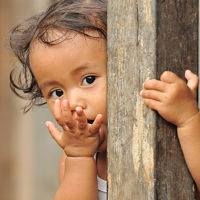
In Bolivia, children face numerous challenges that impact their well-being and development. A significant issue affecting children in Bolivia is poverty, with approximately 60% of the population living below the poverty line. This economic hardship often results in limited access to education, healthcare, and nutritious food for many Bolivian children. Moreover, child labor remains prevalent in the country, with an estimated 850,000 children engaged in various forms of work, depriving them of their right to a proper education and putting their health and safety at risk. Additionally, Bolivia has one of the highest rates of child malnutrition in South America, affecting around 27% of children under the age of five. Addressing these challenges requires comprehensive efforts from the government, civil society organizations, and international partners to ensure that every child in Bolivia has access to essential services and a safe environment to thrive.

Animals

Bolivia, a country known for its rich biodiversity, is home to a wide variety of animal species that play a crucial role in its ecosystem. Animals in Bolivia face numerous threats, including habitat loss, climate change, and illegal wildlife trade. Deforestation for agriculture and mining activities has led to the destruction of important wildlife habitats, putting many species at risk of extinction. Climate change is also impacting animal populations in Bolivia, with shifts in temperature and precipitation patterns affecting their survival and reproduction. Furthermore, the illegal trade of wildlife poses a significant threat to many species, leading to population declines and disrupting the delicate balance of the country's ecosystems. It is essential to raise awareness about these issues and take action to protect Bolivia's diverse animal life for the benefit of both wildlife and people.

Nonprofits Working in Bolivia

Discover organizations making a difference in Bolivia

NPH USA

NPH USA

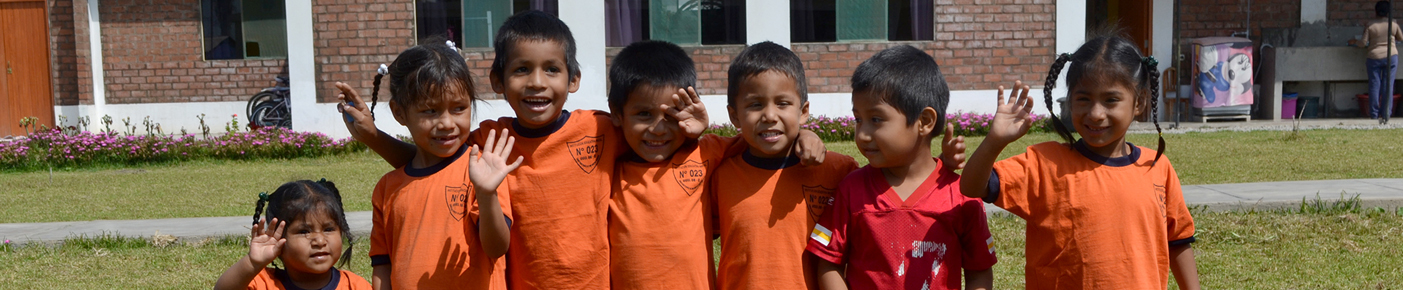
NPH USA transforms the lives of orphaned, abandoned and disadvantaged children in Latin America and the Caribbean by supporting the homes, healthcare and educational programs of Nuestros Pequeños Hermanos (NPH, Spanish for "Our Little Brothers and Sisters"). Together, we create families for life and teach children the values of unconditional love, shared responsibility and helping others. Our donors help children overcome poverty and become leaders in their own communities. Since its founding in 1954, NPH has assisted more than 20,000 children and is currently raising more than 3,400 boys and girls in Bolivia, the Dominican Republic, El Salvador, Guatemala, Haiti, Honduras, Mexico, Nicaragua and Peru. An additional 1,600 students who live outside the homes receive scholarships, meals and health care. NPH outreach programs provided over 95,000 services in 2014.

Chicago, Illinois

Make Your Impact Today

Discover causes you care about and support the nonprofits making a difference in communities around the world.

Are you a nonprofit? Join Project World Impact for free

Join Us Free