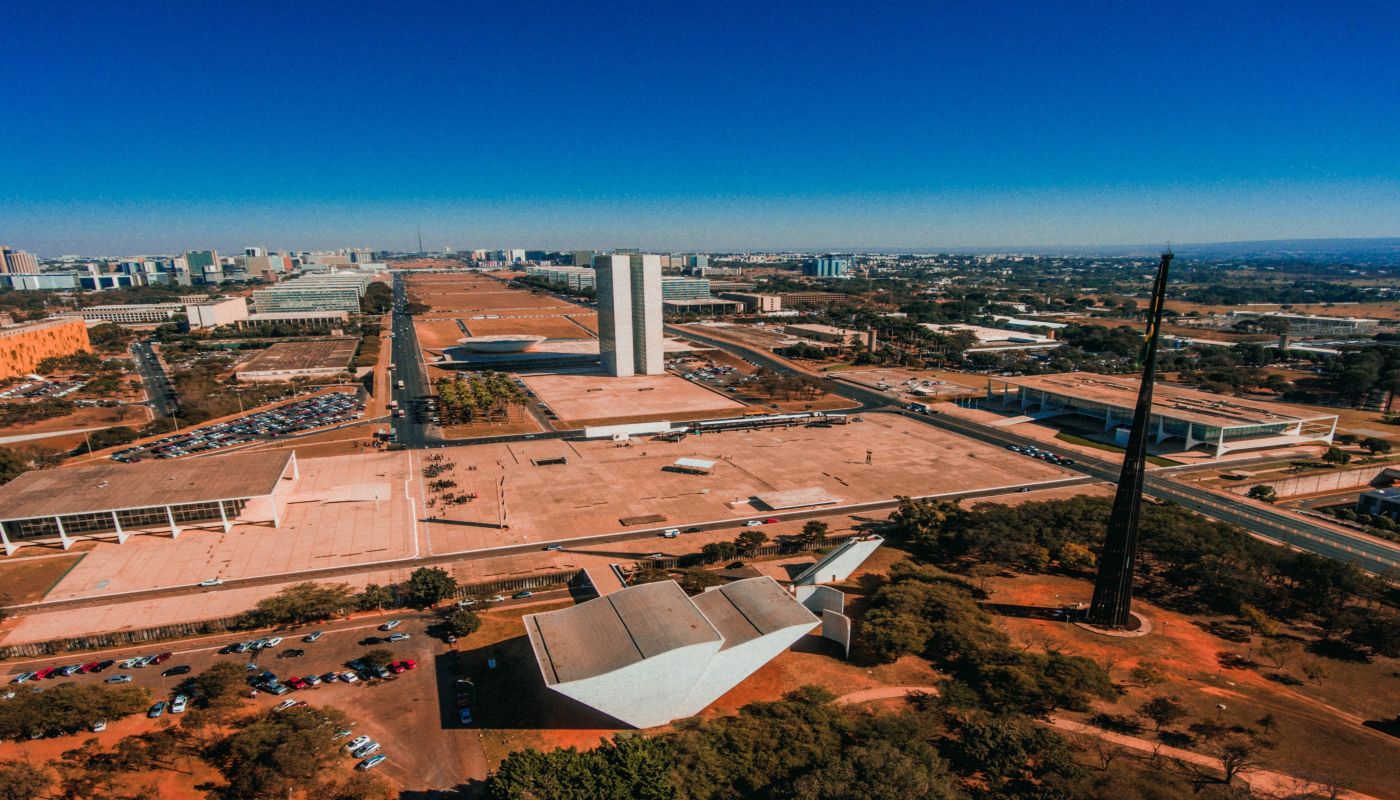
Landscape of Brazil
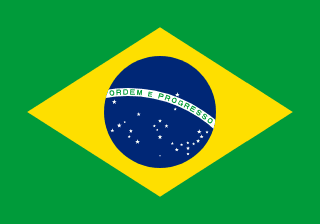
Flag of Brazil

Brazil

South America

With a population of over 200 million, Brazil is one of the most populous nations in the world. Brazil is a large and diverse country located in South America, covering an area of approximately 8.5 million square kilometers. The official language is Portuguese, which was introduced during the country's colonial period by the Portuguese. The economy of Brazil is diverse and driven by a mix of industries including agriculture, manufacturing, and services. Brazil is a major producer of commodities such as coffee, soybeans, beef, and iron ore, and is one of the world's largest exporters of these products. The Brazilian people are committed to innovating and thriving their quality of life by making important contributions to fields ranging from science and technology to art and music.

What would you like to learn about in Brazil?

Select a section to explore the country where nonprofits are creating positive change.

About Brazil

Following more than three centuries under Portuguese rule, Brazil gained its independence in 1822, maintaining a monarchical system of government until the abolition of slavery in 1888 and the subsequent proclamation of a republic by the military in 1889. Brazilian coffee exporters politically dominated the country until populist leader Getulio VARGAS rose to power in 1930. By far the largest and most populous country in South America, Brazil underwent more than a half century of populist and military government until 1985, when the military regime peacefully ceded power to civilian rulers. Brazil continues to pursue industrial and agricultural growth and development of its interior. Exploiting vast natural resources and a large labor pool, it is today South America's leading economic power and a regional leader, one of the first in the area to begin an economic recovery. Highly unequal income distribution and crime remain pressing problems.

Quick Facts

Population
201,009,622 (July 2013 est.) (July 2013 est.)
Area
8,514,877 sq km
ISO Code
BR
Continent
South America
Government
federal republic
Active Causes
12
View all countries in South America

Geography & Environment

Climate

mostly tropical, but temperate in south

Terrain

mostly flat to rolling lowlands in north; some plains, hills, mountains, and narrow coastal belt

Natural Resources

bauxite, gold, iron ore, manganese, nickel, phosphates, platinum, tin, rare earth elements, uranium, petroleum, hydropower, timber

Environmental Issues

deforestation in Amazon Basin destroys the habitat and endangers a multitude of plant and animal species indigenous to the area; there is a lucrative illegal wildlife trade; air and water pollution in...

People & Society

73.02 years
Avg. Life Expectancy
90.4%
Literacy Rate
87% of total population (2010)
Total Urban Population

Languages

Portuguese (official and most widely spoken language)

Religions

Roman Catholic (nominal) 73.6%, Protestant 15.4%, Spiritualist 1.3%, Bantu/Voodoo 0.3%, other 1.8%, unspecified 0.2%, none 7.4% (2000 census)

Health Expenditure

9% of GDP (2010) of GDP

Education Expenditure

5.6% of GDP (2009) of GDP

Economy

$12,100
GDP per Capita (PPP)
5.5%
Unemployment Rate
21.4%
Below Poverty Line

Economic Overview

Characterized by large and well-developed agricultural, mining, manufacturing, and service sectors, Brazil's economy outweighs that of all other South American countries, and Brazil is expanding its presence in world markets. Since 2003, Brazil has steadily improved its macroeconomic stability, building up foreign reserves, and reducing its debt profile by shifting its debt burden toward real denominated and domestically held instruments. In 2008, Brazil became a net external creditor and two ratings agencies awarded investment grade status to its debt. After strong growth in 2007 and 2008, th...

Causes in Brazil

Environment

Brazil, as a country with an abundant and diverse natural environment, faces significant challenges related to environmental issues. The Amazon rainforest, located predominantly in Brazil, plays a crucial role not only in the country's ecosystem but also on a global scale as the Amazon Rainforest is often referred to as the "lungs of the Earth." Deforestation, primarily driven by agricultural expansion and illegal logging, poses a severe threat to the biodiversity and climate stability of the region. Additionally, Brazil struggles with pollution in its urban areas, affecting both human health and the environment. The government and various organizations are working towards sustainable practices and conservation efforts to protect Brazil's natural resources for future generations.

Family

In Brazil, family plays a central role in shaping society and individuals. The concept of family in Brazil extends beyond immediate relatives to include extended family members, creating strong bonds and support systems. Families in Brazil are often large and closely-knit, with relationships characterized by warmth, loyalty, and mutual care. The influence of family can be seen in various aspects of Brazilian life, including decision-making, social behaviors, and cultural practices. The strong emphasis on family ties in Brazil fosters a sense of belonging and security for individuals, but it can also perpetuate traditional gender roles and inequalities within the family structure. Understanding the significance of family dynamics in Brazil is crucial for addressing social issues and promoting a more inclusive and equitable society.

Human Rights

Brazil is a country characterized by a complex interplay of social, economic, and political factors that influence the state of Human Rights within its borders. Despite having a constitution that enshrines fundamental rights and protections for its citizens, Brazil faces significant challenges in ensuring the full realization of these rights for all individuals. Issues such as police violence, discrimination against marginalized groups, and environmental degradation pose serious threats to Human Rights in the country. The impact of these violations is profound, leading to widespread inequalities, social unrest, and a lack of accountability within the justice system. As Brazil continues to grapple with these challenges, it is crucial for both the government and civil society to work together to address these issues and uphold the principles of Human Rights for all its citizens.

Education

Education plays a crucial role in shaping the future of Brazil, a country with a vast socio-economic landscape. With a population of over 200 million people, Brazil faces significant challenges in providing quality education to all its citizens. The disparities in educational opportunities are evident, particularly in rural and marginalized communities where access to schools and resources is limited. This lack of educational equity hinders social mobility and perpetuates the cycle of poverty in many regions of the country. Inadequate funding, poor infrastructure, and a shortage of qualified teachers further exacerbate the situation, contributing to low literacy rates and high dropout rates. Despite these challenges, initiatives are being implemented to improve the education system in Brazil, focusing on enhancing teacher training, increasing school enrollment, and promoting educational inclusivity. By addressing these issues, Brazil can work towards a more equitable and prosperous future for its people.

Poverty

Brazil, a country marked by economic disparities, grapples with the pervasive issue of poverty that affects millions of its citizens. The impact of poverty in Brazil is profound, leading to inadequate access to education, healthcare, and basic services for a significant portion of the population. This disparity perpetuates a cycle of generational poverty, hindering social mobility and exacerbating income inequality. Despite efforts to address poverty through social programs and policies, challenges such as corruption and economic instability continue to impede progress in alleviating this pressing issue. It is crucial for policymakers and stakeholders to prioritize sustainable solutions that address the root causes of poverty in Brazil and work towards creating a more equitable society.

Religion

Religion holds significant influence in Brazil, a country characterized by religious diversity and fervor. The predominant religion in Brazil is Christianity, with the majority of the population identifying as Roman Catholic. This religious affiliation has deep historical roots, stemming from Portuguese colonization in the 16th century. Beyond Catholicism, there is a growing presence of Protestant denominations, particularly Pentecostalism, which has gained popularity in recent decades. Religion plays a pivotal role in shaping Brazilian culture, influencing social norms, politics, and daily life. It serves as a source of comfort, guidance, and community for many Brazilians, providing a moral compass and fostering a sense of belonging. However, religious diversity in Brazil also presents challenges, as tensions can arise between different faith traditions and belief systems. Despite these challenges, religion continues to be a fundamental aspect of Brazilian society, contributing to its rich tapestry of cultural heritage.

Clean Water

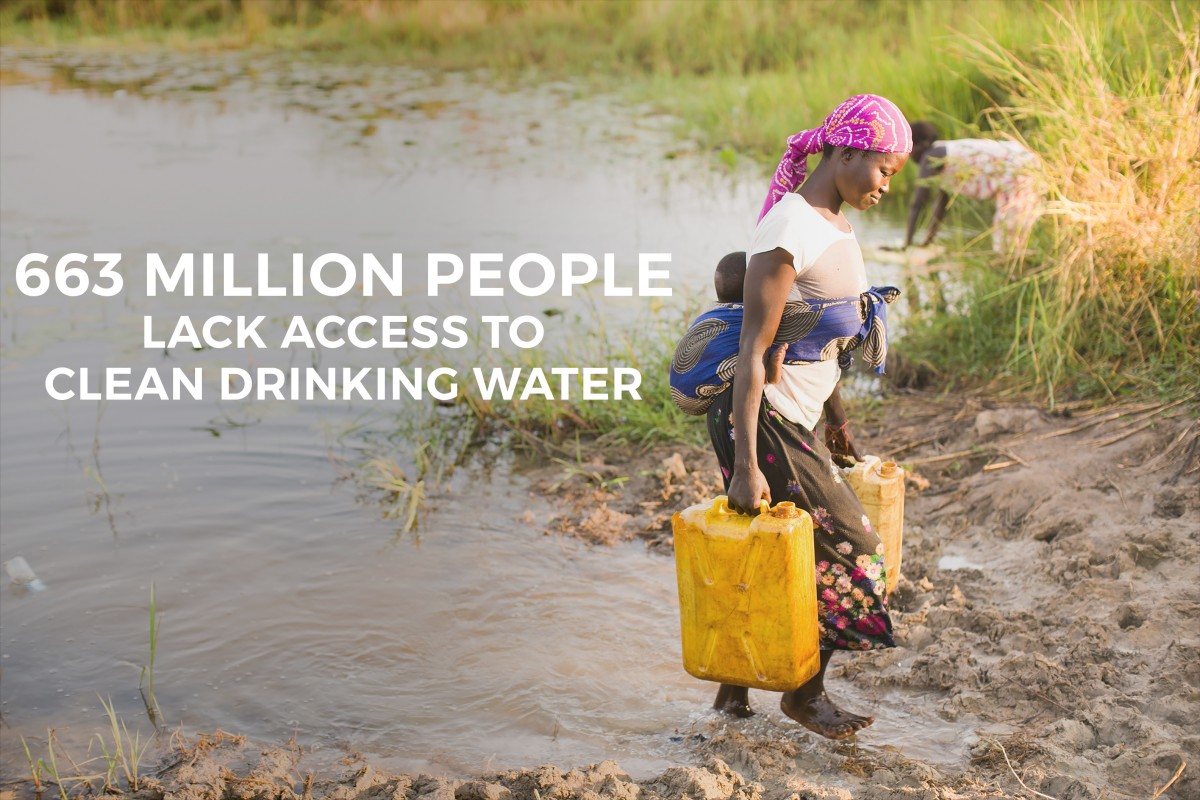
Brazil, a country known for its vast natural resources and biodiversity, faces significant challenges in ensuring access to clean water for its population. With over 70% of its water sources contaminated due to pollution from industrial activities, mining operations, and urbanization, clean water scarcity remains a pressing issue in Brazil. The lack of access to clean water has severe repercussions on public health, leading to waterborne diseases such as cholera and typhoid fever. Additionally, the agricultural sector, a crucial component of Brazil's economy, is heavily dependent on irrigation systems that rely on clean water sources. Addressing the issue of clean water scarcity in Brazil requires comprehensive policies that prioritize environmental protection, sustainable development, and investment in water treatment infrastructure.

Economy

Brazil, a country with a diverse economy heavily reliant on agriculture, mining, manufacturing, and services, faces significant challenges due to the impact of its economy. The Brazilian economy has been historically characterized by periods of growth and recession, influenced by factors such as political instability, corruption, and global market fluctuations. The country's economic performance directly affects its population's livelihoods, with high levels of income inequality and poverty prevalent in many regions. Economic downturns have led to increased unemployment rates and social unrest, further exacerbating existing issues. Additionally, environmental concerns arise from the exploitation of Brazil's natural resources for economic gain, leading to deforestation and ecological degradation. Addressing these economic challenges is crucial for Brazil's sustainable development and the well-being of its citizens.

Government

Brazil, as a country, faces numerous challenges that are deeply influenced by its government. The Brazilian government plays a crucial role in shaping the nation's economic, social, and environmental landscape. Political corruption, ineffective governance, and lack of transparency have been persistent issues that have hindered Brazil's progress. These factors have contributed to economic inequality, high levels of poverty, and environmental degradation. Additionally, government policies related to deforestation in the Amazon rainforest have significant implications not only for Brazil but also for global climate change. It is imperative for the Brazilian government to address these issues effectively to ensure sustainable development and a better future for its citizens.

Health

Brazil, a country known for its vibrant culture and natural beauty, faces significant health challenges that impact its population. One of the key issues affecting health in Brazil is the unequal distribution of healthcare resources, leading to disparities in access to quality medical services among different socioeconomic groups. Additionally, infectious diseases such as Zika virus, dengue fever, and tuberculosis continue to pose a threat to public health in Brazil. Furthermore, non-communicable diseases like obesity and cardiovascular conditions are on the rise, placing a growing burden on the healthcare system. Addressing these health issues requires a multi-faceted approach that includes improving healthcare infrastructure, increasing access to preventive services, and promoting healthy lifestyle choices among the population.

Children

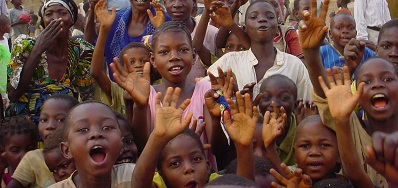
In Brazil, children face various challenges that deeply impact their lives. Factors such as poverty, inadequate access to education, healthcare, and high rates of violence contribute to the vulnerability of Brazilian children. 21.9% of the population in Brazil lives in poverty, with children being disproportionately affected by this issue. Lack of proper education and healthcare services further exacerbate the situation, hindering their development and future opportunities. Moreover, Brazil has one of the highest rates of violence against children in the world, with cases of physical abuse, exploitation, and trafficking being significant concerns. These issues underscore the urgent need for comprehensive social policies and interventions to safeguard the well-being and rights of Brazilian children.

Animals

In Brazil, a country known for its diverse ecosystems and rich biodiversity, animals play a crucial role in maintaining the delicate balance of its natural environment. The vast Amazon rainforest, home to countless species of wildlife, serves as a vital carbon sink and is essential for global climate regulation. However, deforestation, illegal logging, and agricultural expansion continue to threaten the habitat of many endemic species, pushing them towards extinction. Additionally, the illegal wildlife trade poses a significant threat to Brazil's fauna, with animals often falling victim to poaching and trafficking for profit. Conservation efforts are crucial to safeguard the future of Brazil's unique wildlife and preserve the country's natural heritage for generations to come.

Nonprofits Working in Brazil

Discover organizations making a difference in Brazil

Make Your Impact Today

Discover causes you care about and support the nonprofits making a difference in communities around the world.

Are you a nonprofit? Join Project World Impact for free

Join Us Free