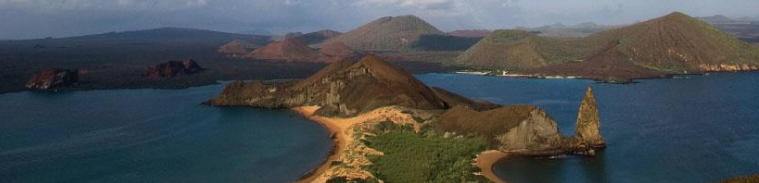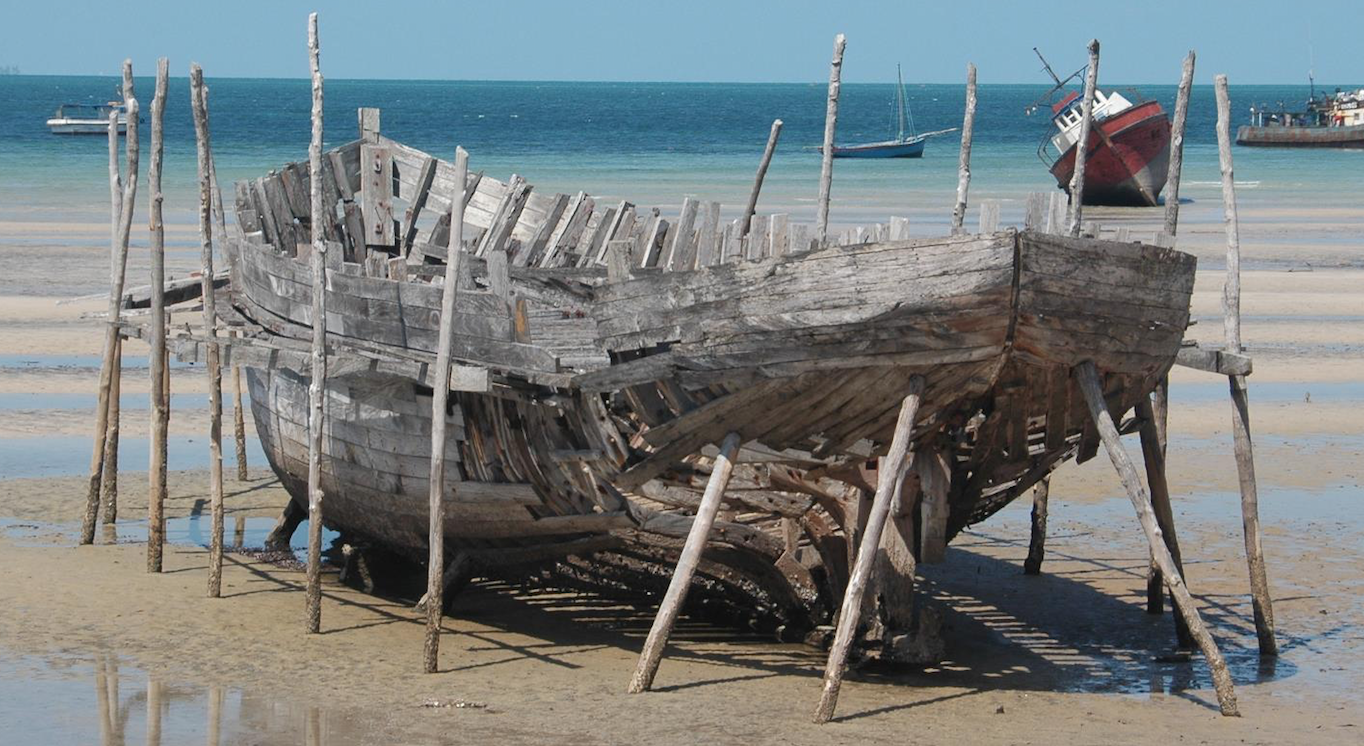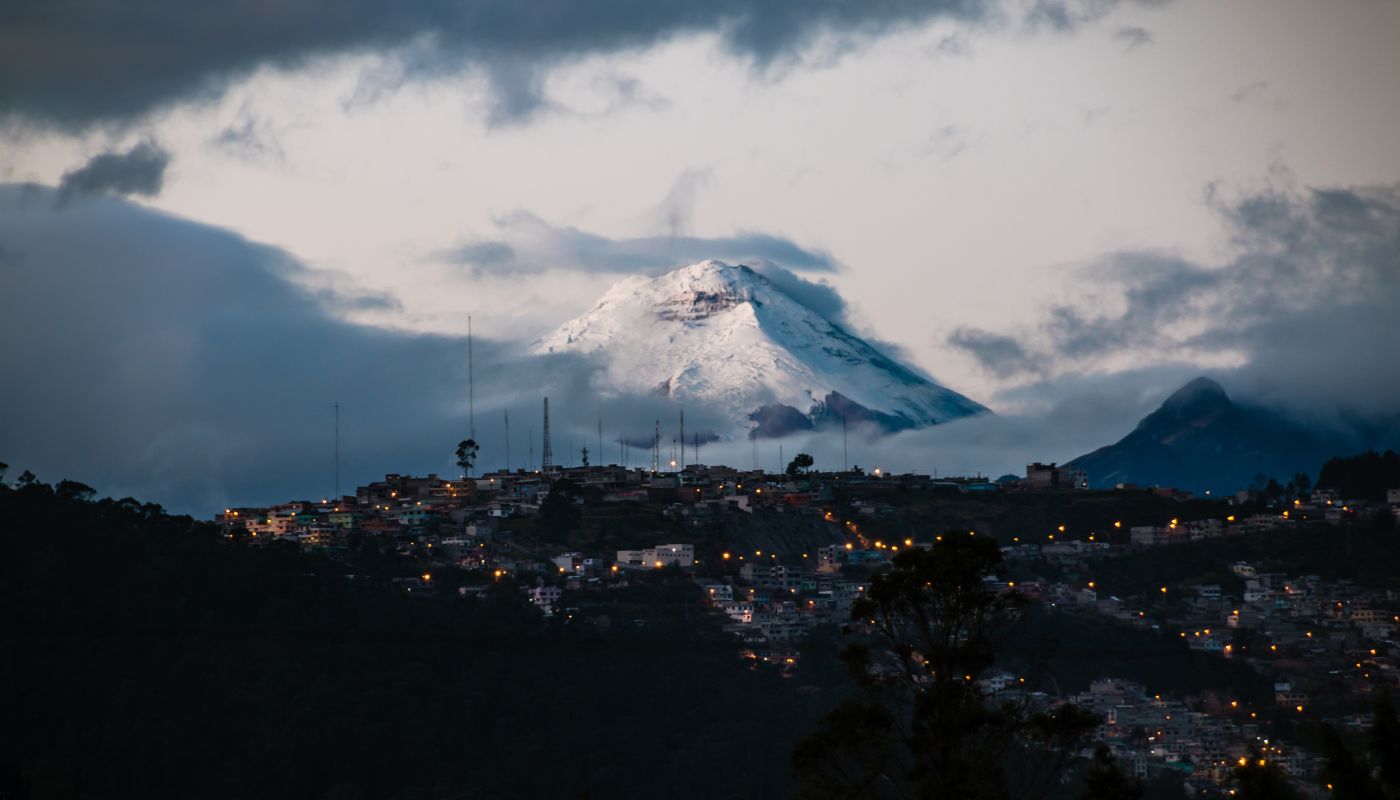
Landscape of Ecuador
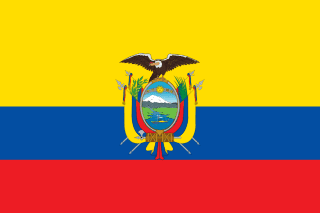
Flag of Ecuador

Ecuador

South America

Ecuador is home to over 17 million people and is part of South America. The famous Andes mountains and the Galapagos islands are two notable landmarks. Ecuador has taken a leading role in the global fight against climate change, with a commitment to reducing greenhouse gas emissions and protecting its precious natural resources. It is also one of the world's largest exporters of bananas and roses, and it is also a significant producer of cocoa, coffee, and tropical fruits. Ecuador's resources provide a foundation for its economic and social development, and the country continues to invest in sustainable development to ensure that these resources are used responsibly and for the benefit of all Ecuadorians.

What would you like to learn about in Ecuador?

Select a section to explore the country where nonprofits are creating positive change.

About Ecuador

What is now Ecuador formed part of the northern Inca Empire until the Spanish conquest in 1533. Quito became a seat of Spanish colonial government in 1563 and part of the Viceroyalty of New Granada in 1717. The territories of the Viceroyalty - New Granada (Colombia), Venezuela, and Quito - gained their independence between 1819 and 1822 and formed a federation known as Gran Colombia. When Quito withdrew in 1830, the traditional name was changed in favor of the "Republic of the Equator." Between 1904 and 1942, Ecuador lost territories in a series of conflicts with its neighbors. A border war with Peru that flared in 1995 was resolved in 1999. Although Ecuador marked 30 years of civilian governance in 2004, the period was marred by political instability. Protests in Quito contributed to the mid-term ouster of three of Ecuador's last four democratically elected presidents. In late 2008, voters approved a new constitution, Ecuador's 20th since gaining independence. General elections were held in February 2013, and voters re-elected President Rafael CORREA.

Quick Facts

Population
15,439,429 (July 2013 est.)
Area
283,561 sq km
ISO Code
EC
Continent
South America
Government
republic
Active Causes
12
View all countries in South America

Geography & Environment

Climate

tropical along coast, becoming cooler inland at higher elevations; tropical in Amazonian jungle lowlands

Terrain

coastal plain (costa), inter-Andean central highlands (sierra), and flat to rolling eastern jungle (oriente)

Natural Resources

petroleum, fish, timber, hydropower

Environmental Issues

deforestation; soil erosion; desertification; water pollution; pollution from oil production wastes in ecologically sensitive areas of the Amazon Basin and Galapagos Islands

People & Society

76.15 years
Avg. Life Expectancy
91.6%
Literacy Rate
67% of total population (2010)
Total Urban Population

Languages

Spanish (official), indigenous (Quechua, Shuar)

Religions

Roman Catholic 95%, other 5%

Health Expenditure

8.1% of GDP (2010) of GDP

Education Expenditure

4.9% of GDP (2010) of GDP

Economy

$10,200
GDP per Capita (PPP)
4.9%
Unemployment Rate
27.3% (December 2012 est.)
Below Poverty Line

Economic Overview

Ecuador is substantially dependent on its petroleum resources, which have accounted for more than half of the country's export earnings and approximately two-fifths of public sector revenues in recent years. In 1999/2000, Ecuador's economy suffered from a banking crisis, with GDP contracting by 5.3% and poverty increasing significantly. In March 2000, the Congress approved a series of structural reforms that also provided for the adoption of the US dollar as legal tender. Dollarization stabilized the economy, and positive growth returned in the years that followed, helped by high oil prices, r...

Causes in Ecuador

Environment

Ecuador, a country known for its rich biodiversity and stunning landscapes, faces significant environmental challenges that impact its population. The diverse ecosystems of the Amazon rainforest, the Andes mountains, and the Galapagos Islands are under threat from deforestation, mining activities, and climate change. These environmental issues not only endanger the unique flora and fauna of Ecuador but also have profound effects on the local communities that depend on these natural resources for their livelihoods. Deforestation leads to soil erosion, loss of habitat for wildlife, and contributes to climate change through increased carbon emissions. Mining activities contaminate water sources and soil, posing health risks to human populations. Climate change exacerbates extreme weather events, affecting agriculture and food security. It is crucial for Ecuador to prioritize sustainable practices and conservation efforts to protect its environment and ensure the well-being of its people.

Family

In Ecuador, family plays a central role in the social fabric of the country, with strong ties and relationships forming the foundation of society. The concept of family extends beyond immediate relatives to include extended family members, creating a support system that is deeply ingrained in Ecuadorian culture. Families in Ecuador typically prioritize unity, loyalty, and mutual assistance, with a strong emphasis on collective well-being. The close-knit nature of family relationships in Ecuador often leads to a sense of interconnectedness and communal responsibility among its members. However, economic challenges and urbanization have put strains on traditional family structures, leading to changes in societal norms and values surrounding family dynamics.

Human Rights

Ecuador, a country in South America known for its rich biodiversity and diverse indigenous cultures, faces significant human rights challenges. Despite constitutional protections and international commitments, systemic issues such as discrimination against indigenous peoples, gender-based violence, and limitations on freedom of expression persist. Indigenous communities often experience land rights violations due to extractive industries, leading to environmental degradation and threats to their way of life. Women in Ecuador continue to face high rates of gender-based violence, with inadequate legal frameworks and social attitudes contributing to low reporting and conviction rates. Additionally, restrictions on freedom of expression and attacks on journalists raise concerns about the state of democracy and civil liberties in the country. Addressing these human rights issues is crucial for promoting social justice and equitable development in Ecuador.

Education

Ecuador, a country situated in South America, faces significant challenges in its education sector. With a diverse population and varying levels of access to quality education, Ecuador struggles to provide equal opportunities for all its citizens. Limited infrastructure, inadequate resources, and socio-economic disparities contribute to the educational divide within the country. The impact of these challenges is profound, affecting not only individual students but also the nation's overall development and progress. Recognizing the importance of education as a catalyst for social mobility and economic growth, efforts to address these issues are crucial for Ecuador's future prosperity.

Poverty

Ecuador, a country in South America, grapples with the challenge of poverty which significantly impacts its population. Approximately 25.5% of Ecuadorians live below the national poverty line, with indigenous communities and rural areas bearing the brunt of this issue. Limited access to quality education and healthcare, inadequate infrastructure, and a lack of economic opportunities exacerbate the cycle of poverty in the country. The consequences of poverty in Ecuador are profound, affecting not only individuals and families but also hindering the overall socio-economic development of the nation. To address this pressing issue, concerted efforts are required from both the government and civil society to implement sustainable solutions that uplift those living in poverty and pave the way for a more equitable society.

Religion

Religion plays a significant role in the social fabric of Ecuador, a country located in South America. With a predominantly Catholic population, religion has a deep-rooted influence on various aspects of Ecuadorian society. The Catholic Church has historically been intertwined with the country's culture, shaping traditions, values, and even political decisions. Religion also plays a crucial role in shaping moral values and providing a sense of community for many Ecuadorians. Beyond Catholicism, there is a growing presence of other religious beliefs in the country, such as Protestantism and indigenous spiritual practices, adding to the diverse religious landscape of Ecuador. While religion can unite individuals and communities, it can also occasionally lead to tensions and conflicts, particularly in areas where different religious beliefs intersect. Understanding the complex interplay of religion in Ecuador is essential for appreciating the country's cultural richness and diversity, as well as fostering mutual respect among its people.

Clean Water

Ecuador, a country located in South America, faces significant challenges regarding access to clean water. Despite being rich in water resources, a large percentage of the population lacks access to safe drinking water and adequate sanitation facilities. This issue is exacerbated by factors such as deforestation, industrial pollution, and poor infrastructure. The lack of clean water has far-reaching impacts on public health, leading to waterborne diseases and contributing to high mortality rates, particularly among children. Additionally, the scarcity of clean water hinders agricultural productivity and economic development in the country. Addressing this issue requires concerted efforts from government agencies, non-governmental organizations, and the international community to ensure sustainable management of water resources and improve access to clean water for all Ecuadorians.

Economy

Ecuador, a country located in South America, faces several challenges due to its economy. The economy of Ecuador heavily relies on oil exports, which makes it vulnerable to fluctuations in global oil prices. Additionally, the country struggles with high levels of debt and limited fiscal flexibility, which hinders its ability to invest in key sectors such as education and healthcare. This economic instability has significant impacts on the population, leading to high levels of poverty and inequality. Moreover, Ecuador is prone to natural disasters such as earthquakes and volcanic eruptions, which further exacerbate its economic challenges. Addressing these economic issues is crucial to improving the livelihoods of the people in Ecuador and fostering sustainable development in the country.

Government

Ecuador, a diverse South American nation known for its rich cultural heritage and stunning natural landscapes, faces several challenges stemming from the impact of governmental decisions on its population. The government of Ecuador plays a crucial role in shaping the country's development trajectory, with policies influencing various aspects of society, including economic stability, healthcare, education, and environmental conservation. However, political instability, corruption, and uneven distribution of resources have hindered progress in addressing key issues such as poverty, inequality, and environmental sustainability. Despite recent efforts to promote social welfare and economic growth, persistent challenges remain. By understanding the complex interplay between government actions and their consequences for the Ecuadorian people, we can work towards fostering positive change and sustainable development in this vibrant nation.

Health

Ecuador, a country in South America, faces various health challenges that significantly impact its population. One of the primary health concerns in Ecuador is access to healthcare services, particularly in rural areas where resources are limited. As a result, many individuals in these regions struggle to receive adequate medical attention, leading to higher rates of preventable diseases and poorer health outcomes. Additionally, environmental factors such as air pollution and inadequate sanitation contribute to respiratory illnesses and waterborne diseases. Moreover, lifestyle factors like poor nutrition and limited physical activity contribute to the rising rates of obesity and related health issues in Ecuadorian communities. Addressing these health disparities requires a holistic approach that involves improving healthcare infrastructure, promoting public health education, and implementing policies that support healthier lifestyles.

Children

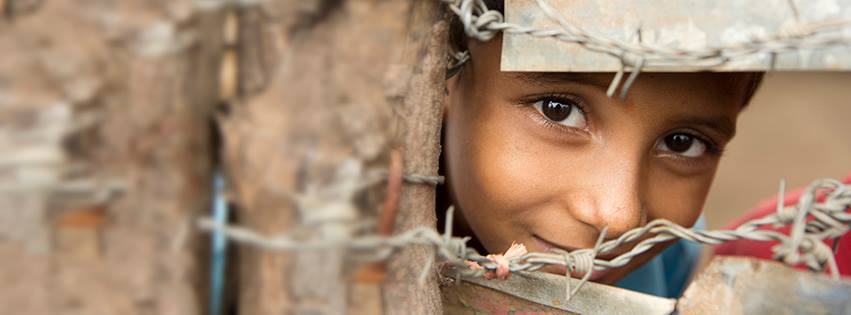
Ecuador, a country located in South America, faces various challenges that impact its children significantly. Poverty, limited access to education and healthcare, and high rates of child labor are among the key issues affecting Ecuadorian children. According to UNICEF, approximately 27% of children in Ecuador live in poverty, hindering their access to proper nutrition, education, and healthcare services. This lack of resources contributes to a high dropout rate in schools and limits children's opportunities for a better future. Additionally, child labor remains prevalent in Ecuador, with many children engaged in hazardous work conditions that jeopardize their health and well-being. Addressing these challenges requires a concerted effort from government agencies, non-profit organizations, and the international community to ensure the protection and well-being of Ecuador's children.

Animals

Ecuador, a country known for its rich biodiversity and varied ecosystems, faces numerous challenges when it comes to the impact of animals on its environment and society. The Amazon rainforest, which covers a significant portion of Ecuador's land, is home to a diverse array of wildlife, many of which are facing threats due to deforestation, habitat loss, and illegal wildlife trade. Endangered species such as the Andean condor, the Galapagos tortoise, and the Amazonian pink river dolphin are particularly at risk. Additionally, human-wildlife conflicts arise as agricultural expansion encroaches on natural habitats, leading to conflicts with animals like jaguars and spectacled bears. Conservation efforts have been implemented to address these issues, but continued vigilance and support are needed to ensure the preservation of Ecuador's unique flora and fauna.

Nonprofits Working in Ecuador

Discover organizations making a difference in Ecuador

Make Your Impact Today

Discover causes you care about and support the nonprofits making a difference in communities around the world.

Are you a nonprofit? Join Project World Impact for free

Join Us Free