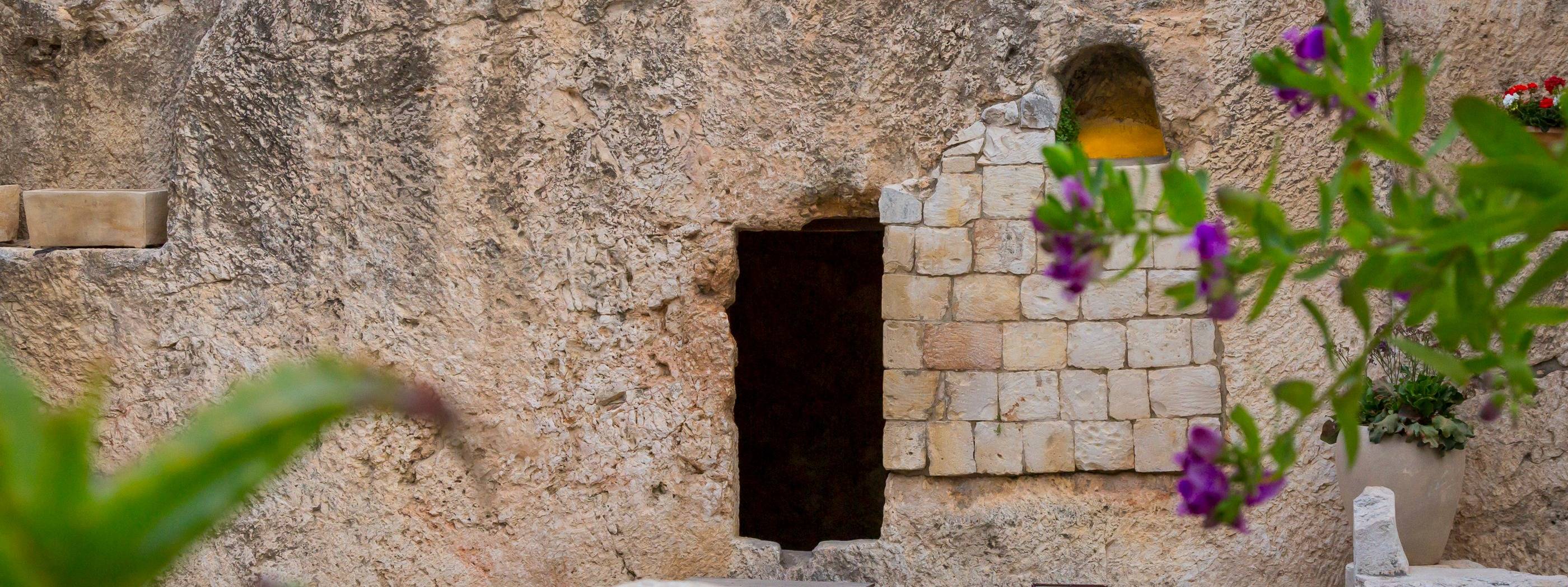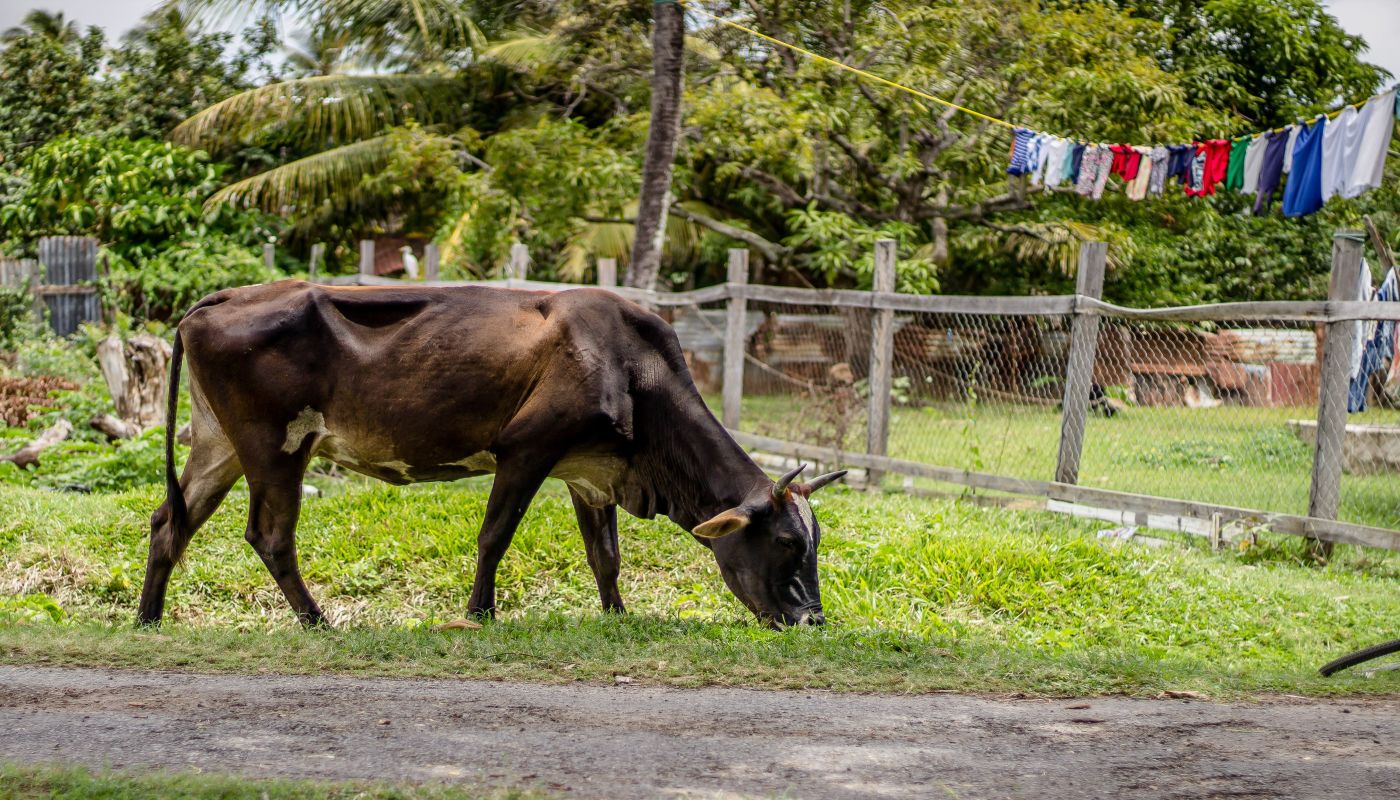
Landscape of Guyana
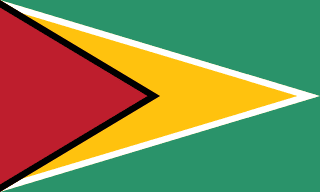
Flag of Guyana

Guyana

South America

Guyana is a country located on the northern coast of South America, bordered by Venezuela, Brazil, and Suriname with a population of over 780,000 people. In addition to its oil resources, Guyana is home to a thriving agricultural sector, producing a wide range of crops such as rice, sugar, and fruits. This has led to increased interest and investment in the country, creating new opportunities for economic growth and development. Guyana has made significant strides in environmental conservation, with its government committing to protecting over 2 million hectares of forest, one of the largest conservation commitments in history.

What would you like to learn about in Guyana?

Select a section to explore the country where nonprofits are creating positive change.

About Guyana

Originally a Dutch colony in the 17th century, by 1815 Guyana had become a British possession. The abolition of slavery led to black settlement of urban areas and the importation of indentured servants from India to work the sugar plantations. The resulting ethnocultural divide has persisted and has led to turbulent politics. Guyana achieved independence from the UK in 1966, and since then it has been ruled mostly by socialist-oriented governments. In 1992, Cheddi JAGAN was elected president in what is considered the country's first free and fair election since independence. After his death five years later, his wife, Janet JAGAN, became president but resigned in 1999 due to poor health. Her successor, Bharrat JAGDEO, was reelected in 2001 and again in 2006. Donald RAMOTAR was elected president in 2011.

Quick Facts

Population
739,903 (July 2013 est.)
Area
214,969 sq km
ISO Code
GY
Continent
South America
Government
republic
Active Causes
12
View all countries in South America

Geography & Environment

Climate

tropical; hot, humid, moderated by northeast trade winds; two rainy seasons (May to August, November to January)

Terrain

mostly rolling highlands; low coastal plain; savanna in south

Natural Resources

bauxite, gold, diamonds, hardwood timber, shrimp, fish

Environmental Issues

water pollution from sewage and agricultural and industrial chemicals; deforestation

People & Society

67.68 years
Avg. Life Expectancy
91.8%
Literacy Rate
29% of total population (2010)
Total Urban Population

Languages

English, Amerindian dialects, Creole, Caribbean Hindustani (a dialect of Hindi), Urdu

Religions

Protestant 30.5% (Pentecostal 16.9%, Anglican 6.9%, Seventh-Day Adventist 5%, Methodist 1.7%), Hindu 28.4%, Roman Catholic 8.1%, Jehovah's Witnesses 1...

Health Expenditure

5.4% of GDP (2010) of GDP

Education Expenditure

3.6% of GDP (2011) of GDP

Economy

$8,100
GDP per Capita (PPP)
11%
Unemployment Rate
35% (2006)
Below Poverty Line

Economic Overview

The Guyanese economy exhibited moderate economic growth in recent years and is based largely on agriculture and extractive industries. The economy is heavily dependent upon the export of six commodities - sugar, gold, bauxite, shrimp, timber, and rice - which represent nearly 60% of the country's GDP and are highly susceptible to adverse weather conditions and fluctuations in commodity prices. Guyana's entrance into the Caricom Single Market and Economy (CSME) in January 2006 has broadened the country''s export market, primarily in the raw materials sector. Guyana has experienced positive grow...

Causes in Guyana

Environment

Guyana, a country located on the northeastern coast of South America, is greatly impacted by its environment. With a diverse ecosystem that includes tropical rainforests, savannas, and unique wildlife, Guyana faces environmental challenges such as deforestation, habitat destruction, and climate change. Deforestation, primarily driven by logging and mining activities, threatens the country's rich biodiversity and contributes to greenhouse gas emissions. The destruction of natural habitats also endangers indigenous communities that rely on these ecosystems for their livelihoods. Additionally, Guyana is vulnerable to the effects of climate change, with rising sea levels posing a significant risk to coastal areas. It is crucial for both local authorities and the international community to work together to protect Guyana's environment and ensure sustainable development for future generations.

Family

In Guyana, the concept of family holds significant cultural and societal importance. Family is considered the cornerstone of Guyanese society, where strong familial bonds play a crucial role in shaping individuals' identities and values. In this close-knit community, families provide emotional support, financial stability, and a sense of belonging. The extended family structure is prevalent, with multiple generations often living together or in close proximity, fostering a sense of unity and cooperation. Moreover, family gatherings and celebrations are key aspects of Guyanese culture, reinforcing the importance of kinship ties. However, challenges such as poverty, domestic violence, and migration can strain family relationships in Guyana, highlighting the need for support services and interventions to strengthen familial bonds and promote overall well-being.

Human Rights

Guyana, a South American nation known for its diverse culture and lush rainforests, faces human rights challenges that impact its citizens. One significant issue is the prevalence of gender-based violence, with women and girls often experiencing high rates of domestic abuse and sexual violence. Additionally, discrimination against the LGBTQ+ community remains a concern, as they face societal stigma and legal barriers to equality. Furthermore, indigenous communities in Guyana struggle to protect their land rights, facing encroachment from industries such as mining and logging. These human rights violations hinder the country's progress towards a more inclusive and just society, highlighting the need for continued advocacy and action to uphold the rights of all Guyanese citizens.

Education

Guyana, a South American country known for its diverse culture and rich natural resources, faces significant challenges in the realm of education. With a population of just under 800,000, Guyana struggles with limited access to quality education, particularly in rural and remote areas. This lack of educational infrastructure and resources hinders the country's overall development and perpetuates inequality. Additionally, issues such as teacher shortages, inadequate school facilities, and low literacy rates further compound the educational challenges faced by Guyana. Improving access to quality education in Guyana is crucial for fostering economic growth, reducing poverty, and promoting social development in the country.

Poverty

Guyana, a country located on the northern mainland of South America, faces significant challenges related to poverty. Poverty in Guyana is primarily attributed to factors such as limited access to education, healthcare, and economic opportunities. The poverty rate in Guyana stands at around 35%, with rural areas being particularly affected. This widespread poverty has a profound impact on the population, leading to issues like malnutrition, inadequate housing, and limited access to clean water and sanitation facilities. Additionally, poverty in Guyana is often intergenerational, with children born into poor families facing a higher risk of remaining trapped in the cycle of poverty. Addressing poverty in Guyana requires comprehensive efforts to improve education, healthcare, and economic development opportunities for all citizens.

Religion

Religion plays a significant role in the diverse cultural landscape of Guyana, a country located on the northeastern coast of South America. With a population comprising various ethnic groups, including Indo-Guyanese, Afro-Guyanese, and Indigenous peoples, Guyana boasts a rich tapestry of religious beliefs and practices. Christianity, Hinduism, and Islam are the predominant religions in the country, each contributing to the spiritual fabric of its society. Religious institutions and organizations not only serve as places of worship but also play a vital role in providing social services and fostering community cohesion. Furthermore, religious festivals and celebrations form an integral part of Guyanese cultural life, showcasing the country's religious diversity and fostering interfaith dialogue and understanding among its populace.

Clean Water

Guyana, a country located on the northern coast of South America, faces significant challenges in ensuring access to clean water for its population. With a large portion of the country's population residing in rural areas, access to safe drinking water remains a critical issue. Contaminated water sources and inadequate sanitation facilities contribute to the spread of waterborne diseases, posing serious health risks to the people of Guyana. Furthermore, climate change has led to increased instances of flooding and saltwater intrusion, further compromising the quality of available water sources. Addressing these challenges and improving access to clean water is essential for safeguarding public health and promoting sustainable development in Guyana.

Economy

Guyana, a country located in South America, has a diverse economy that is heavily influenced by its natural resources. The economy of Guyana is largely dependent on industries such as agriculture, mining, and forestry. The country is rich in natural resources including gold, bauxite, timber, and agricultural products such as sugar, rice, and seafood. However, despite these resources, Guyana faces several economic challenges including high levels of poverty and income inequality. The impact of the economy on the people of Guyana is significant, with many citizens struggling to access basic services such as healthcare and education due to limited government resources. Additionally, the economy of Guyana is vulnerable to external factors such as fluctuations in commodity prices and climate change, further complicating its growth prospects.

Government

Guyana, a country located on the northeastern coast of South America, is known for its diverse culture, rich biodiversity, and unique demographics. The government of Guyana plays a crucial role in shaping the country's development and addressing its challenges. The government's policies and decisions impact various aspects of Guyanese society, including economic development, social welfare, environmental protection, and political stability. Key issues facing the government include managing natural resources sustainably, promoting inclusive growth, improving infrastructure, and addressing social inequalities. It is essential for the government to engage in transparent and accountable governance to ensure the well-being of all Guyanese citizens and foster long-term sustainable development.

Health

Guyana, a country located on the northern coast of South America, faces significant health challenges that have a profound impact on its population. With a high prevalence of diseases such as malaria, tuberculosis, and HIV/AIDS, the healthcare system in Guyana struggles to provide adequate medical services to its citizens. Limited access to healthcare facilities, shortage of healthcare professionals, and inadequate funding further exacerbate the situation. Additionally, lifestyle-related issues such as poor nutrition, lack of exercise, and high rates of tobacco and alcohol consumption contribute to the burden of disease in Guyana. Addressing these health issues is crucial to improving the overall well-being and quality of life for the people of Guyana.

Children

Guyana, a country located on the northern coast of South America, faces significant challenges in ensuring the well-being of its children. Despite efforts to improve child welfare, issues such as poverty, limited access to quality education and healthcare, and high rates of child labor persist in Guyana. According to UNICEF, approximately 43% of children under the age of 18 live in poverty, which hinders their access to basic necessities and opportunities for growth and development. Additionally, child labor remains a pressing concern, with an estimated 1 in 10 children engaged in hazardous work that jeopardizes their health and well-being. Addressing these challenges requires a multifaceted approach that involves government intervention, community support, and advocacy for policies that protect and promote the rights of children in Guyana.

Animals

Guyana, a country rich in biodiversity, is home to a plethora of diverse animal species that play a crucial role in its ecosystem. Animals in Guyana have a significant impact on the environment, contributing to the balance of the ecosystem and providing essential services such as pollination, seed dispersal, and pest control. The country's vast rainforests serve as habitats for a wide array of wildlife, including jaguars, giant river otters, and harpy eagles. However, these animals face numerous threats such as habitat destruction, poaching, and climate change, putting their populations at risk. Conservation efforts are crucial to protect Guyana's unique wildlife and preserve its natural heritage for future generations.

Nonprofits Working in Guyana

Discover organizations making a difference in Guyana

KENDALL OPTOMETRY MINISTRY INC

ORGANIZATIONAL MISSION STATEMENT With primary emphasis in underdeveloped countries, Kendall Optometry Ministry, Inc. was established in 2003 to spread the Word of our Lord and Savior Jesus Christ. This is accomplished by providing glasses to improve the vision of people living in many underdeveloped countries. These impoverished people can now see to read their Bible, and also improve their standard of living. Kendall Optometry Ministry, Inc (KOM) is a 501-3c non-profit organization formed to provide optical equipment and training to Christian optical mission teams traveling all over the world. The equipment and training is provided at no cost and supplies are provided at a break even price. Teams are responsible for building their own eyeglasses inventory but much assistance (in the form of training and software) is provided by KOM to assist in the building of this inventory. KOM also has a limited supply of barcoded glasses (prescription in barcode) which can be used to quickly build an inventory. A testimonial by the President. (Revised: 9/8/2018) I grew up in a Christian family. My father, M. H. Kendall , was a college professor and head of the religion department at Mars Hill College, Mars Hill, N.C. for nearly 40 years. I worked for 29 years for General Electric Appliances in Louisville, Ky. During the last 4 years I averaged several hundred thousand miles each year on international travel installing computer systems. All of this travel went flawlessly. God blessed me in everything that I did. It was something that I found to be obvious that God had a hand in my work. In July, 1999 I decided I would take one mission trip to Honduras working through an organization called "Baptist Medical Dental Mission International" (BMDMI.ORG). My intent was to "pay back the Lord" with this one mission trip. When I arrived in the village, I asked the team leader what he wanted me to do. He said he had several boxes of used prescription glasses to hand out. These glasses were dirty, broken, and not measured. As you can see in Figure 1 to the left (scroll down a bit), we just set them out on a table and people came by and tried them on until something helped them. I immediately knew this was wrong but it was the best we could do then. I came back from that trip with a God Given passion to do it better. Since 1999 I have gone to Honduras 27 times and Nicaragua 3 times. Each time something would be improved. The use of the autorefractor was introduced into Honduras in 2003 (to see Figure 2 scroll down a bit) and another one into Nicaragua in 2004. A special series of computer programs were developed to manage and build the inventory. You can review these programs at http://eyeglasses-Inventory.com/. Since 2003 of the 51 BMDMI mission teams more than 95% of these teams use the equipment and software developed by Kendall Optometry Ministry, Inc. In 2003 Kendall Optometry Ministry was incorporated as a 501-3c non-profit company. Using donations provided by several churches and individuals this company purchased a set of equipment which could be loaned out to Christian mission teams going all over the world. Later in 2005 a 2nd kit was purchased and in 2006 a 3rd and a 4th kit was purchased. In the beginning of 2007 a 5th kit was purchased. At the end of 2007 a 6th and 7th kit including a Retinomax 3 was purchased. By the end of 2009 the company owned 10 kits. In 2010 the company purchased two more kits. In 2011 the company purchased 1 more kit bringing the total to 13. By 2017 the company had purchased 18 kits. In 2018 KOM purchased kit number 19. See the growth of the company at this link. 2018 is only part of the year on this graph. Other teams will participate. The teams use this equipment to not only allow people to read their Bible but to also to help them improve their standard of living. You can read about some of these teams in the Teams Supported area of this web site. Tell us about your Christian mission team. Let us help you be more effective in your work for the Lord. If you would like our help send an E-Mail to: HollandKendall@kendalloptoministry.org Holland Kendall, President Kendall Optometry Ministry, Inc.

LOUISVILLE, Kentucky

Make Your Impact Today

Discover causes you care about and support the nonprofits making a difference in communities around the world.

Are you a nonprofit? Join Project World Impact for free

Join Us Free