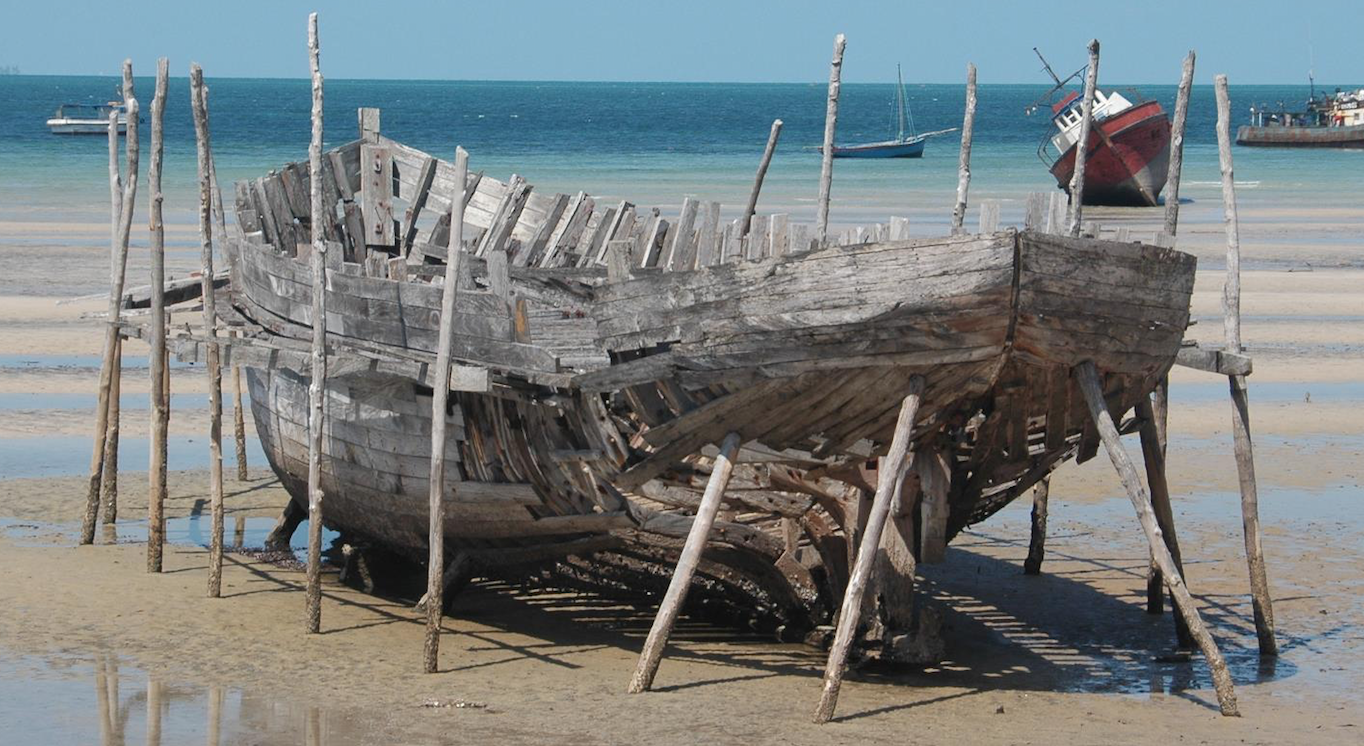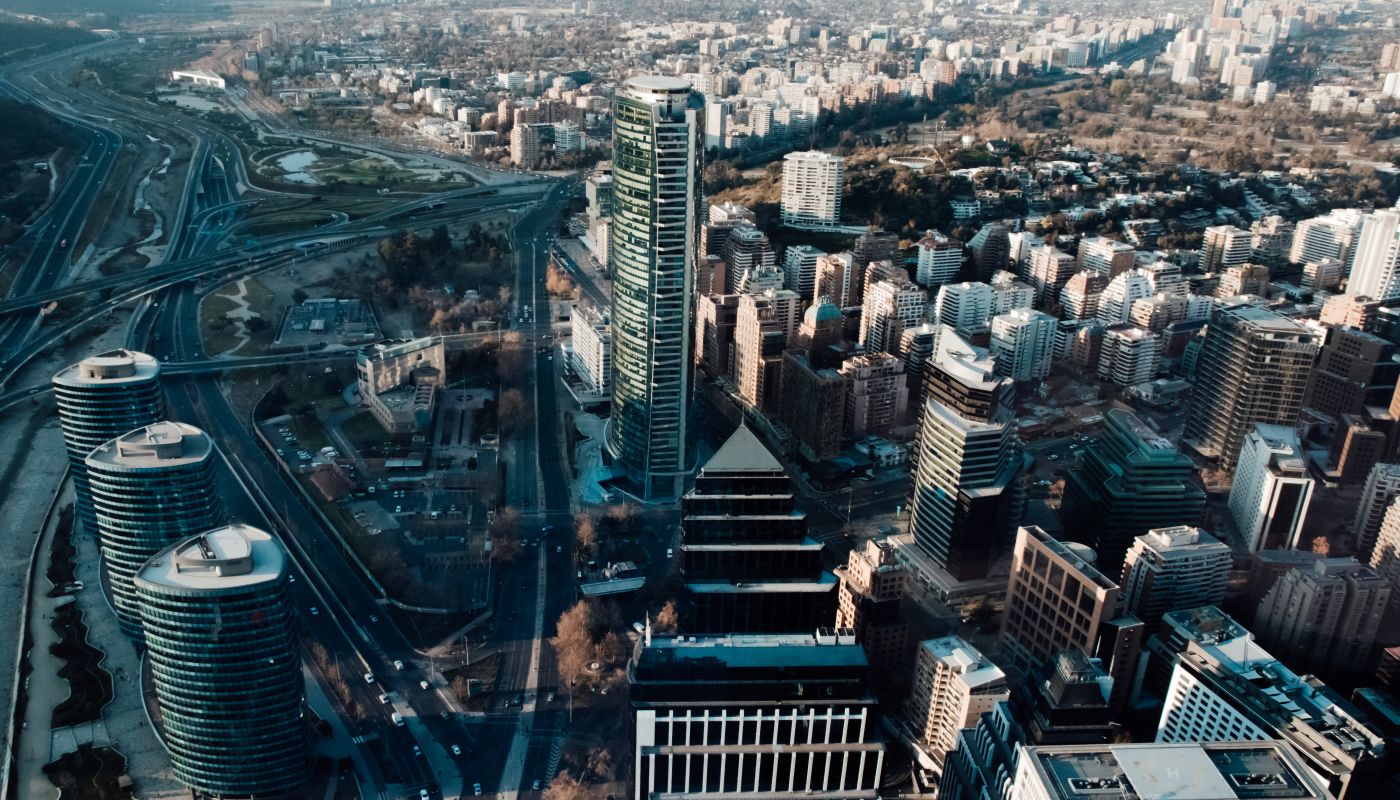
Landscape of Chile
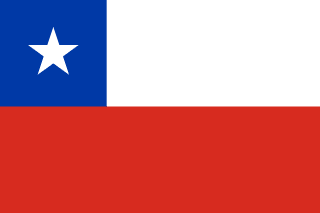
Flag of Chile

Chile

South America

Chile is a long, narrow country located in the southwestern part of South America. It borders the Pacific Ocean to the west, Peru to the north, Bolivia to the northeast, Argentina to the east, and the Drake Passage to the south. Chile is known for its diverse landscapes, ranging from the arid Atacama Desert in the north to the icy fjords and glaciers of Patagonia in the south. The country's capital, Santiago, is a bustling metropolis with a rich cultural scene and a thriving economy. Chile is also famous for its wine production, particularly in the Central Valley region. The country has a population of around 19 million people, with a stable democracy and a growing economy, and is considered one of the most prosperous nations in Latin America.

What would you like to learn about in Chile?

Select a section to explore the country where nonprofits are creating positive change.

About Chile

Prior to the arrival of the Spanish in the 16th century, the Inca ruled northern Chile while the Mapuche inhabited central and southern Chile. Although Chile declared its independence in 1810, decisive victory over the Spanish was not achieved until 1818. In the War of the Pacific (1879-83), Chile defeated Peru and Bolivia and won its present northern regions. It was not until the 1880s that the Mapuche were brought under central government control. After a series of elected governments, the three-year-old Marxist government of Salvador ALLENDE was overthrown in 1973 by a military coup led by Augusto PINOCHET, who ruled until a freely elected president was inaugurated in 1990. Sound economic policies, maintained consistently since the 1980s, have contributed to steady growth, reduced poverty rates by over half, and have helped secure the country's commitment to democratic and representative government. Chile has increasingly assumed regional and international leadership roles befitting its status as a stable, democratic nation.

Quick Facts

Population
17,216,945 (July 2013 est.)
Area
756,102 sq km
ISO Code
CL
Continent
South America
Government
republic
Active Causes
12
View all countries in South America

Geography & Environment

Climate

temperate; desert in north; Mediterranean in central region; cool and damp in south

Terrain

low coastal mountains; fertile central valley; rugged Andes in east

Natural Resources

copper, timber, iron ore, nitrates, precious metals, molybdenum, hydropower

Environmental Issues

widespread deforestation and mining threaten natural resources; air pollution from industrial and vehicle emissions; water pollution from raw sewage

People & Society

78.27 years
Avg. Life Expectancy
98.6%
Literacy Rate
89% of total population (2010)
Total Urban Population

Languages

Spanish (official), Mapudungun, German, English

Religions

Roman Catholic 70%, Evangelical 15.1%, Jehovah's Witnesses 1.1%, other Christian 1%, other 4.6%, none 8.3% (2002 census)

Health Expenditure

8% of GDP (2010) of GDP

Education Expenditure

4.2% of GDP (2010) of GDP

Economy

$18,700
GDP per Capita (PPP)
6.4%
Unemployment Rate
15.1% (2009 est.)
Below Poverty Line

Economic Overview

Chile has a market-oriented economy characterized by a high level of foreign trade and a reputation for strong financial institutions and sound policy that have given it the strongest sovereign bond rating in South America. Exports account for approximately one-third of GDP, with commodities making up some three-quarters of total exports. Copper alone provides 19% of government revenue. From 2003 through 2012, real growth averaged almost 5% per year, despite the slight contraction in 2009 that resulted from the global financial crisis. Chile deepened its longstanding commitment to trade libera...

Causes in Chile

Environment

Chile, a country known for its diverse landscapes ranging from deserts to glaciers, is deeply impacted by environmental factors. The geography of Chile makes it particularly vulnerable to natural disasters such as earthquakes, volcanic eruptions, and tsunamis. Additionally, the country faces environmental challenges such as air and water pollution due to industrial activities and mining operations. Climate change has also brought about prolonged droughts and wildfires, affecting agriculture and water availability. These environmental issues have significant implications for the health and well-being of the Chilean population, as well as the country's economy and biodiversity. It is crucial for Chile to prioritize sustainable development practices and conservation efforts to mitigate the impacts of these environmental challenges.

Family

In Chile, family plays a significant role in shaping social structures and influencing individuals' lives. The concept of family extends beyond the nuclear unit to include extended family members, creating strong bonds and support systems. Familial ties in Chile are deeply rooted in traditions and cultural values, with family gatherings and celebrations holding great importance. The family structure in Chile often follows a patriarchal model, where the father is viewed as the head of the household. This influence can impact decision-making processes within families and contribute to gender roles within society. Additionally, family dynamics can influence educational attainment, economic opportunities, and overall well-being. Understanding the impact of family on individuals in Chile is crucial for developing targeted interventions to support family units and promote positive outcomes for all members.

Human Rights

Chile, a country located in South America, has a complex history marked by periods of political unrest and social upheaval. Human Rights issues have played a significant role in shaping the fabric of Chilean society. The legacy of the military dictatorship led by General Augusto Pinochet from 1973 to 1990 continues to impact the nation, with reports of human rights violations such as torture, forced disappearances, and extrajudicial killings. Despite Chile's transition to democracy, challenges persist, including the treatment of indigenous communities, gender-based violence, and economic inequality. Organizations such as Amnesty International and Human Rights Watch monitor and report on human rights abuses in Chile, advocating for justice and accountability. It is crucial to raise awareness about these issues to support efforts towards a more just and equitable society in Chile.

Education

In Chile, education plays a significant role in shaping the future of its citizens and the overall development of the country. Despite recent improvements, Chile still faces challenges in its education system, including disparities in access to quality education between urban and rural areas, socio-economic backgrounds, and indigenous populations. The quality of education is often linked to socio-economic status, with wealthier families having better access to high-quality schools and resources. This perpetuates a cycle of inequality that hinders social mobility and economic growth. Additionally, there are concerns regarding the privatization of education in Chile, which has led to a two-tiered system that further exacerbates inequalities. Addressing these issues is crucial for Chile to ensure equal opportunities for all its citizens and foster sustainable development.

Poverty

Chile, a country located in South America, is grappling with the persistent issue of poverty, which has profound impacts on its population. Despite being one of the more developed nations in the region, economic disparities are prevalent, leading to a significant portion of the population living below the poverty line. Poverty in Chile is often linked to factors such as unequal access to education, limited job opportunities, and social inequality. The effects of poverty can be seen in various aspects of life, including health outcomes, educational attainment, and overall quality of life for many Chileans. Addressing this issue requires a multi-faceted approach that involves improving access to education, creating job opportunities, and promoting social equality initiatives.

Religion

Religion holds a significant place in the cultural landscape of Chile. The country is predominantly Roman Catholic, with approximately 66% of the population identifying as Catholic. This religious affiliation has played a crucial role in shaping various aspects of Chilean society, including its traditions, values, and even political landscape. The influence of Catholicism can be seen in the country's holidays, festivals, and ceremonies, which often have religious undertones. Additionally, the Catholic Church has historically held a position of authority and influence in Chilean politics and social issues. However, in recent years, there has been a noticeable decline in religious affiliation among Chileans, with an increasing number of people identifying as non-religious or adhering to other faiths. This shift reflects changing attitudes towards religion in Chilean society and highlights the need for greater understanding and acceptance of diverse beliefs.

Clean Water

Chile, located in South America, is a country known for its diverse landscapes, ranging from the arid Atacama Desert to the lush forests of the south. Despite its natural beauty, Chile faces significant challenges when it comes to access to clean water. The increasing demand for water, coupled with pollution and climate change, has put pressure on the country's water resources. This has led to issues such as water scarcity, contamination of rivers and lakes, and inadequate access to safe drinking water in certain areas. The impact of these challenges is felt across various sectors, including agriculture, industry, and public health. Ensuring clean water for all Chileans is crucial not only for their well-being but also for the sustainable development of the country as a whole.

Economy

Chile, a country located in South America, has experienced various economic challenges that have significantly impacted its population. The economy of Chile heavily relies on copper exports, making it vulnerable to fluctuations in global copper prices. Additionally, income inequality remains a pressing issue, with a large wealth gap between the rich and poor. This disparity has led to social unrest and protests in recent years, highlighting the need for economic reforms to address these inequalities. Furthermore, access to quality education and healthcare remains limited for many Chileans, further exacerbating socio-economic disparities. It is crucial for policymakers and stakeholders to address these economic challenges to create a more equitable society for all Chileans.

Government

Chile, a South American nation known for its stunning landscapes and rich cultural heritage, has been significantly influenced by its government throughout history. The government of Chile plays a crucial role in shaping the country's economy, social policies, and overall development. Policies implemented by the government have a direct impact on various aspects of Chilean society, ranging from education and healthcare to environmental protection and industrial growth. Additionally, political decisions have the power to affect income distribution, poverty levels, and access to essential services for the population. Understanding the role of the government in Chile is essential for comprehending the country's past, present, and future trajectory.

Health

Chile, a country located in South America, faces various health challenges that significantly impact its population. One of the key issues affecting Chile is the high prevalence of non-communicable diseases such as obesity, diabetes, and cardiovascular diseases. Factors contributing to this health crisis include inadequate access to healthcare services, poor dietary habits, and sedentary lifestyles. Additionally, air pollution in urban areas poses a serious threat to public health in Chile, leading to respiratory illnesses and other adverse health effects. The country also grapples with mental health issues, with a notable increase in depression and anxiety disorders among its citizens. Addressing these health concerns requires a comprehensive approach that includes improving healthcare infrastructure, promoting healthy lifestyles, and implementing effective pollution control measures.

Children

Chile, a country located in South America, faces various challenges that impact its children. Despite recent improvements in child well-being indicators, such as education and healthcare access, many Chilean children still experience poverty, violence, and discrimination. Economic disparities within the country contribute to these issues, with indigenous and marginalized communities being particularly vulnerable. Additionally, natural disasters, such as earthquakes and wildfires, further exacerbate the difficulties faced by Chilean children, disrupting their lives and causing long-lasting trauma. Addressing these challenges requires a comprehensive approach that focuses on improving social programs, promoting equality, and providing support to vulnerable populations.

Animals

Chile, a country known for its stunning natural landscapes and diverse ecosystems, is home to a wide variety of animal species that play a crucial role in its environment. The fauna of Chile includes unique wildlife such as the Andean condor, Humboldt penguin, and vicuña, all of which contribute to the country's biodiversity and ecological balance. However, these animals face numerous threats due to habitat loss, climate change, poaching, and human-wildlife conflicts. Conservation efforts in Chile are vital to protect these vulnerable species and preserve the country's rich natural heritage for future generations. By raising awareness about the importance of wildlife conservation, we can help safeguard Chile's unique animal populations and ensure a sustainable future for both wildlife and people.

Nonprofits Working in Chile

Discover organizations making a difference in Chile

Make Your Impact Today

Discover causes you care about and support the nonprofits making a difference in communities around the world.

Are you a nonprofit? Join Project World Impact for free

Join Us Free