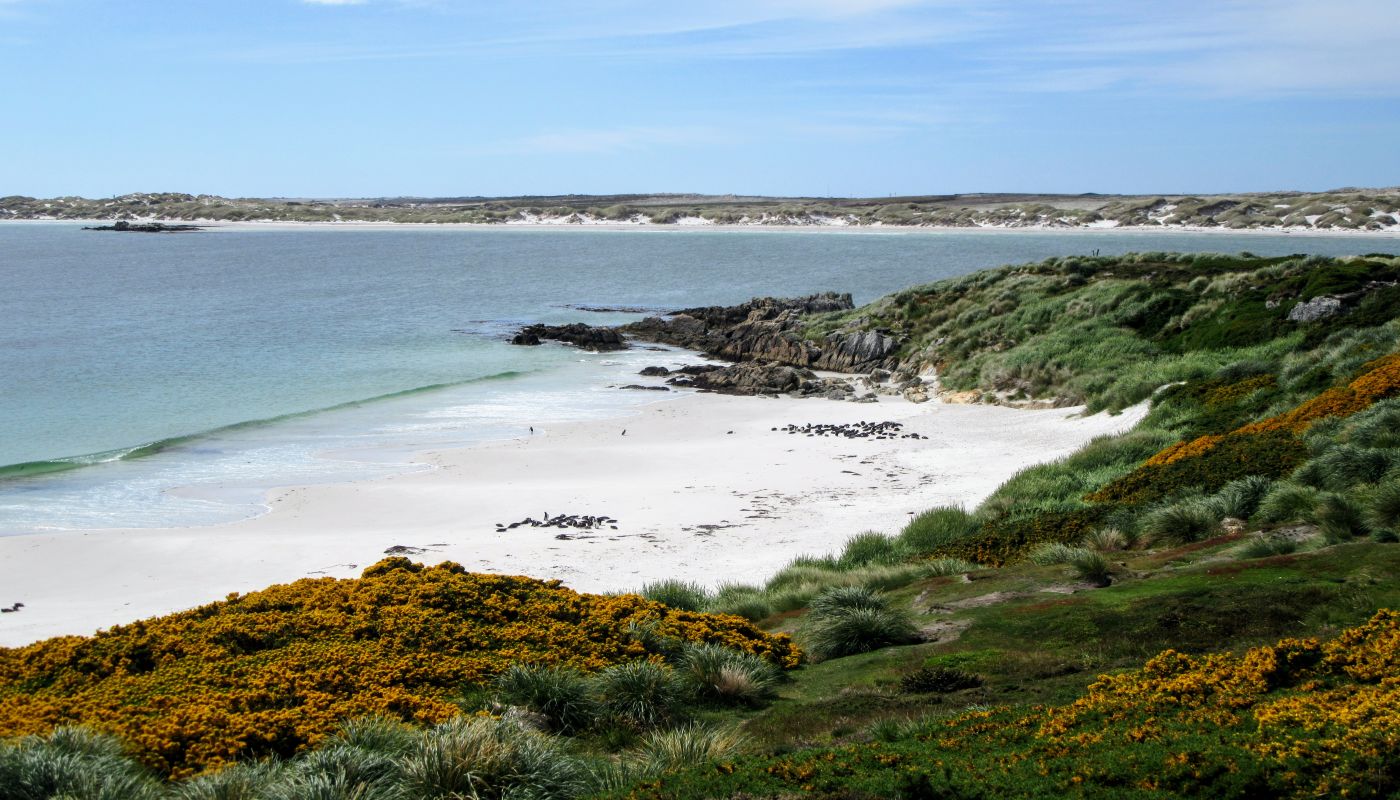
Landscape of Falkland Islands
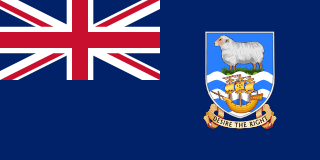
Flag of Falkland Islands

Falkland Islands

South America

The Falkland Islands, also known as the Malvinas, are a British overseas territory located in the South Atlantic Ocean. With a population of around 3,500 people, the Falkland Islands are a remote and sparsely populated region that is heavily dependent on fishing and tourism. The territory has been the subject of a long-standing dispute between Britain and Argentina, which has resulted in tensions and occasional military conflicts. The Falkland Islands remain a resilient and unique destination for visitors seeking to explore its natural beauty and experience its distinct culture.

What would you like to learn about in Falkland Islands?

Select a section to explore the country where nonprofits are creating positive change.

About Falkland Islands

The Falkland Islands, also known as the Malvinas, are a British overseas territory located in the South Atlantic Ocean. With a population of around 3,500 people, the Falkland Islands are a remote and sparsely populated region that is heavily dependent on fishing and tourism. The territory has been the subject of a long-standing dispute between Britain and Argentina, which has resulted in tensions and occasional military conflicts. The Falkland Islands remain a resilient and unique destination for visitors seeking to explore its natural beauty and experience its distinct culture.

Quick Facts

ISO Code
FK
Continent
South America
Active Causes
12
View all countries in South America

Causes in Falkland Islands

Environment

The Falkland Islands, an archipelago located in the South Atlantic Ocean, face environmental challenges that significantly impact their ecosystem and inhabitants. With a fragile biodiversity comprising unique flora and fauna, the islands are vulnerable to climate change, overfishing, and pollution. Rising sea levels threaten coastal areas, while changing ocean temperatures affect marine life crucial for the local economy. The introduction of invasive species also poses a threat to native wildlife. Addressing these environmental concerns requires sustainable practices and conservation efforts to protect the natural beauty and biodiversity of the Falkland Islands for future generations.

Family

The Falkland Islands, a British Overseas Territory in the South Atlantic Ocean, are home to a population of around 3,400 people. Family plays a significant role in the lives of Falkland Islanders, as it serves as the cornerstone of their society and culture. Families in the Falkland Islands are known for their close-knit bonds, with strong emphasis placed on family values, traditions, and support systems. The tight-knit nature of families in the Falklands fosters a sense of community and belonging, providing individuals with emotional support and stability. Furthermore, families often play a crucial role in the social and economic fabric of the islands, with many businesses being family-owned and operated. Overall, family ties are integral to the social cohesion and well-being of the Falkland Islands' residents.

Human Rights

The Falkland Islands, a British Overseas Territory located in the South Atlantic Ocean, is home to a population of around 3,500 people. While the islands enjoy a high standard of living and are largely autonomous in their governance, human rights issues remain pertinent. Despite being relatively isolated, the Falkland Islands are not immune to global human rights concerns. Challenges include ensuring the rights of indigenous peoples, such as the indigenous Falkland Islanders, protecting the environment, and addressing issues related to discrimination and equality. Access to healthcare, education, and other social services also play a significant role in upholding human rights on the islands. It is crucial for authorities and organizations to work collaboratively to address these challenges and ensure that human rights are upheld for all residents of the Falkland Islands.

Education

The Falkland Islands, a British Overseas Territory in the South Atlantic Ocean, is home to a population of approximately 3,500 residents. Education plays a crucial role in shaping the future of the Falkland Islands, as it equips individuals with the necessary knowledge and skills to participate effectively in society. With a strong emphasis on education, the Falkland Islands Government ensures that all residents have access to quality education from early childhood to higher education levels. The education system in the Falkland Islands is designed to promote personal development, critical thinking, and creativity among students, preparing them for diverse career opportunities and contributing to the overall socio-economic development of the region.

Poverty

The Falkland Islands, a remote British overseas territory in the South Atlantic Ocean, faces unique challenges due to its isolated location and small population. While the territory boasts a high standard of living compared to many other countries, poverty remains a pertinent issue for some residents. Factors such as limited job opportunities, high living costs, and reliance on imported goods contribute to economic disparities within the population. The impact of poverty in the Falkland Islands is evident in issues such as inadequate access to healthcare, education, and housing for certain individuals and families. By raising awareness of the challenges faced by those living in poverty in the Falkland Islands, we can work towards supporting initiatives that aim to address these disparities and improve the overall well-being of all residents.

Religion

The Falkland Islands, a British Overseas Territory in the South Atlantic, has a predominantly Christian population, with Anglicanism being the largest denomination followed by Roman Catholicism. Religion plays a significant role in the lives of many Falkland Islanders, influencing their values, traditions, and social interactions. Churches serve as community centers, providing spiritual guidance and support to residents. The practice of religion also plays a role in various aspects of public life, including education and governance. Despite the religious diversity within the islands, there is a sense of unity and respect among different faith communities. Understanding the impact of religion on the Falkland Islands sheds light on the cultural fabric and social dynamics of this unique territory.

Clean Water

The Falkland Islands, a British Overseas Territory located in the South Atlantic Ocean, is home to a population of around 3,400 inhabitants. Access to clean water in this remote archipelago is of paramount importance due to its isolated location and limited infrastructure. The availability of clean water directly impacts public health, agriculture, and overall quality of life for the residents of the Falkland Islands. Contaminated water sources can lead to various waterborne diseases, posing serious health risks to the population. Furthermore, clean water is vital for agricultural practices and the sustainability of the islands' ecosystem. Ensuring a safe and reliable supply of clean water is crucial for the well-being and development of the Falkland Islands.

Economy

The Falkland Islands, an overseas territory of the United Kingdom, is an archipelago located in the South Atlantic Ocean. The economy of the Falkland Islands is heavily reliant on fishing and agriculture, particularly sheep farming. These industries play a crucial role in sustaining the island's economy and providing employment opportunities for its residents. The fishing sector, in particular, accounts for a significant portion of the country's GDP and plays a vital role in supporting local livelihoods. However, the economy of the Falkland Islands is vulnerable to external factors such as fluctuations in fish stocks and changing market conditions. In recent years, efforts have been made to diversify the economy by investing in tourism and offshore oil exploration. Despite these efforts, challenges remain in ensuring sustainable economic development for the Falkland Islands.

Government

The Falkland Islands, an overseas territory of the United Kingdom located in the South Atlantic Ocean, have been a subject of territorial dispute between the UK and Argentina for decades. The government of the Falkland Islands plays a crucial role in managing the territory's affairs, including governance, economy, and social services. As a self-governing British Overseas Territory, the Falkland Islands have their own constitution and legislative assembly, responsible for making laws and policies to meet the needs of the islanders. The government's decisions impact various aspects of life on the islands, from infrastructure development to environmental protection. Additionally, with the ongoing sovereignty dispute with Argentina, the government plays a key role in advocating for the interests and rights of the Falkland Islanders on the international stage.

Health

The Falkland Islands, a British Overseas Territory located in the South Atlantic Ocean, face unique health challenges due to their remote location and small population. With a population of approximately 3,400 residents, access to healthcare services is limited, requiring individuals to sometimes travel long distances for specialized care. The islands also struggle with issues such as obesity, mental health disorders, and substance abuse, which can further strain the healthcare system. Limited resources and a sparse healthcare workforce pose additional challenges in delivering adequate medical care to the residents. Furthermore, the harsh climate and geographic isolation of the Falkland Islands can impact the mental and physical well-being of its inhabitants. Increasing awareness about these health challenges is crucial in mobilizing support and resources to improve the overall well-being of the Falkland Islands population.

Children

The Falkland Islands, a British Overseas Territory located in the South Atlantic Ocean, is home to a population of approximately 3,400 residents. Children in the Falkland Islands face unique challenges due to the remote location of the islands and limited access to resources. While the islands boast high standards of living and education, children may experience isolation and limited opportunities for social interaction with peers outside of their small community. Furthermore, the harsh weather conditions and geographical isolation can impact children's mental health and well-being. It is crucial to address these challenges and provide support systems to ensure the holistic development and welfare of children in the Falkland Islands.

Animals

The Falkland Islands, an archipelago in the South Atlantic Ocean, is home to a diverse range of wildlife including penguins, albatrosses, seals, and dolphins. These animals play a crucial role in the ecosystem of the islands and are essential to the overall biodiversity of the region. However, human activities such as overfishing, pollution, and climate change pose significant threats to the wildlife in the Falkland Islands. For example, overfishing can deplete food sources for marine animals, while pollution can harm their habitats and health. Climate change also has a profound impact on the animals in this region, affecting their breeding patterns and food availability. It is vital to raise awareness about these issues and take action to protect the precious wildlife of the Falkland Islands for future generations.

Nonprofits Working in Falkland Islands

Discover organizations making a difference in Falkland Islands

Make Your Impact Today

Discover causes you care about and support the nonprofits making a difference in communities around the world.

Are you a nonprofit? Join Project World Impact for free

Join Us Free