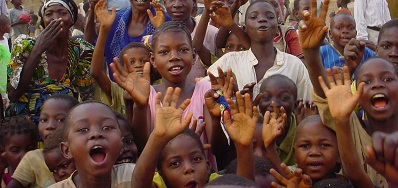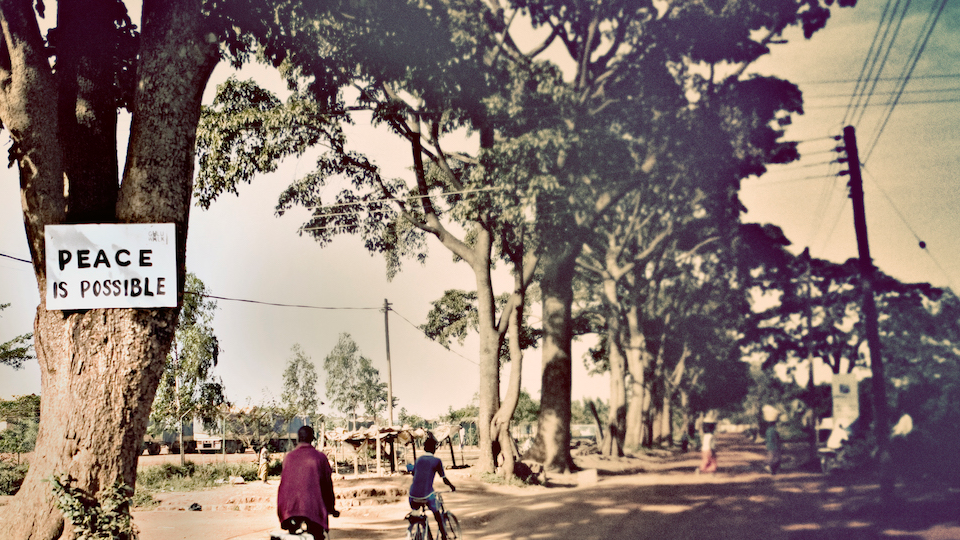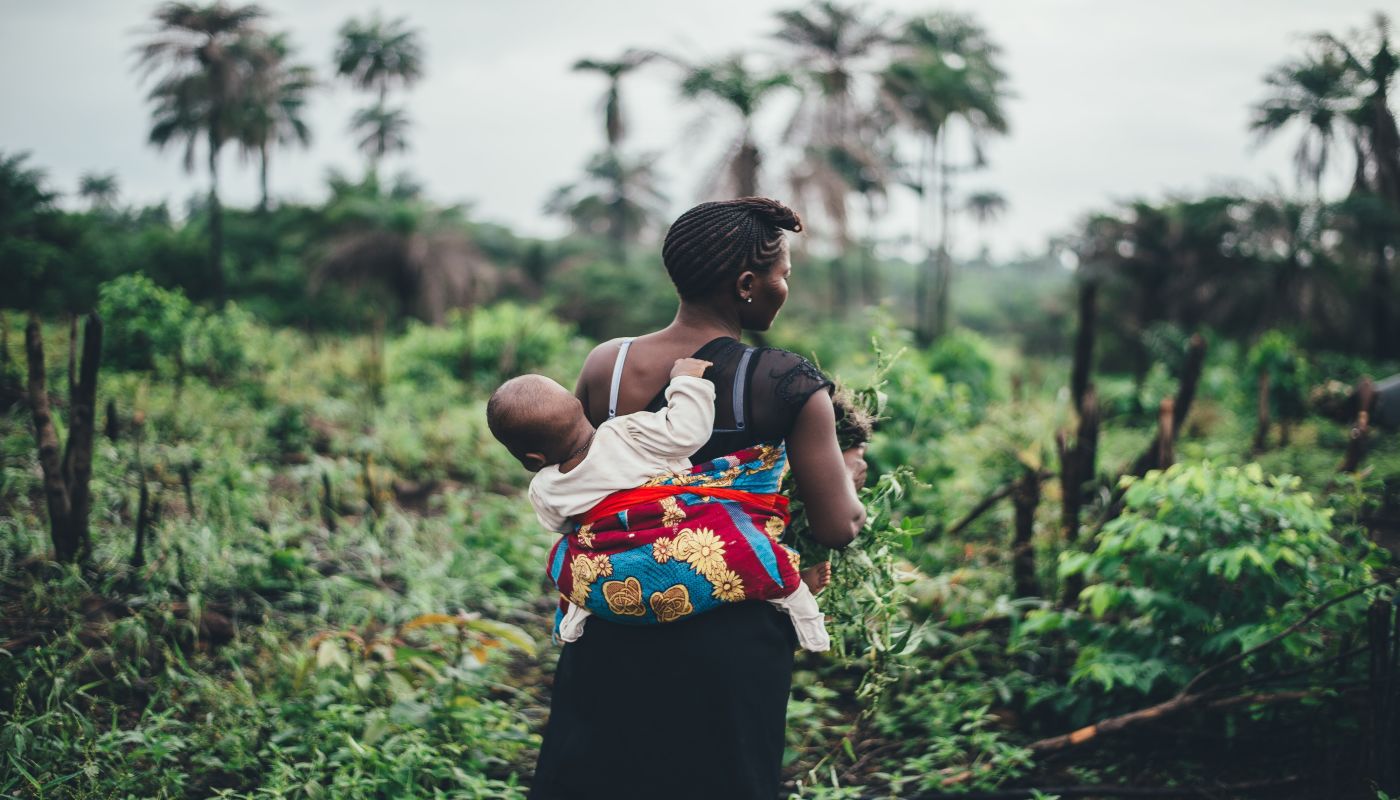
Landscape of Central African Republic
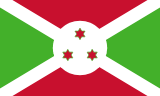
Flag of Central African Republic

Central African Republic

Africa

The Central African Republic is a landlocked country located in central Africa, with a population of around 4.7 million people.with one of the largest populations of forest elephants in the world. Aside from challenges related to political instability and economic development, the Central African Republic has a rich cultural heritage and a strong sense of community. Efforts to address these challenges and promote greater political stability and economic growth are ongoing, with the international community working to support the country's development and prosperity.

What would you like to learn about in Central African Republic?

Select a section to explore the country where nonprofits are creating positive change.

About Central African Republic

The former French colony of Ubangi-Shari became the Central African Republic upon independence in 1960. After three tumultuous decades of misrule - mostly by military governments - civilian rule was established in 1993 and lasted for one decade. In March, 2003 President Ange-Felix PATASSE was deposed in a military coup led by General Francois BOZIZE, who established a transitional government. Elections held in 2005 affirmed General BOZIZE as president; he was reelected in 2011 in voting widely viewed as flawed. The government still does not fully control the countryside, where pockets of lawlessness persist. The militant group the Lord's Resistance Army continues to destabilize southeastern Central African Republic, and several rebel groups joined together in early December 2012 to launch a series of attacks that left them in control of numerous towns in the northern and central parts of the country. The rebels - who are unhappy with BOZIZE's government - participated in peace talks in early January 2013 which resulted in a coalition government including the rebellion's leadership. In March 2013, the coalition government dissolved, rebels seized the capital, and President BOZIZE fled the country. Rebel leader Michel DJOTODIA assumed the presidency, reappointed Nicolas TIANGAYE as Prime Minister, and established a transitional government on 31 March. On 13 April 2013, the National Transitional Council affirmed DJOTODIA as President.

Quick Facts

Population
5,166,510 (July 2013 est.)
Area
622,984 sq km
ISO Code
CF
Continent
Africa
Government
republic
Active Causes
12
View all countries in Africa

Geography & Environment

Climate

tropical; hot, dry winters; mild to hot, wet summers

Terrain

vast, flat to rolling, monotonous plateau; scattered hills in northeast and southwest

Natural Resources

diamonds, uranium, timber, gold, oil, hydropower

Environmental Issues

tap water is not potable; poaching has diminished the country's reputation as one of the last great wildlife refuges; desertification; deforestation

People & Society

50.9 years
Avg. Life Expectancy
56.6%
Literacy Rate
39.1% of total population (2011)
Total Urban Population

Languages

French (official), Sangho (lingua franca and national language), tribal languages

Religions

indigenous beliefs 35%, Protestant 25%, Roman Catholic 25%, Muslim 15%

Health Expenditure

4% of GDP (2010) of GDP

Education Expenditure

1.2% of GDP (2011) of GDP

Economy

$800
GDP per Capita (PPP)
8%
Unemployment Rate
NA%
Below Poverty Line

Economic Overview

Subsistence agriculture, together with forestry and mining, remains the backbone of the economy of the Central African Republic (CAR), with about 60% of the population living in outlying areas. The agricultural sector generates more than half of GDP. Timber and diamonds account for most export earnings, followed by cotton. Important constraints to economic development include the CAR's landlocked position, a poor transportation system, a largely unskilled work force, and a legacy of misdirected macroeconomic policies. Factional fighting between the government and its opponents remains a drag o...

Causes in Central African Republic

Environment

The Central African Republic, a landlocked country in Central Africa, is rich in natural resources and biodiversity. However, the environment in the Central African Republic is facing severe threats due to deforestation, climate change, and unsustainable agricultural practices. Deforestation, primarily driven by logging for timber and clearing land for agriculture, has led to the loss of vital habitats for wildlife and contributed to soil erosion and desertification. Climate change has exacerbated the situation, leading to more frequent droughts and floods that further strain the country's already fragile ecosystems. Unsustainable agricultural practices, such as slash-and-burn farming, have also had a detrimental impact on the environment, depleting soil fertility and causing widespread degradation. Addressing these environmental challenges is crucial for the well-being of both the people and wildlife of the Central African Republic.

Family

Family plays a crucial role in the social fabric of the Central African Republic, where traditional family structures are deeply ingrained in the society. The country has a high prevalence of child marriage, with nearly 1 in 2 girls being married before the age of 18, often due to poverty and cultural practices. This early marriage disrupts education and limits economic opportunities for young girls, perpetuating the cycle of poverty in the country. Additionally, the Central African Republic has been plagued by conflict and instability, leading to family separation, displacement, and trauma among its population. The breakdown of families due to conflict has left many children vulnerable to exploitation, violence, and recruitment by armed groups. Strengthening family support systems and addressing issues such as child marriage and conflict-induced family breakdown are vital steps towards improving the well-being of individuals and communities in the Central African Republic.

Human Rights

The Central African Republic (CAR) has been plagued by ongoing conflicts, political instability, and human rights abuses for decades. The impact of human rights violations in CAR is profound, with widespread reports of extrajudicial killings, torture, sexual violence, forced displacement, and recruitment of child soldiers. The lack of accountability for these violations has only perpetuated a cycle of violence and impunity in the country. Human rights organizations have documented systematic abuses committed by various armed groups, including state security forces and rebel militias. The international community has raised concerns about the deteriorating human rights situation in CAR and called for urgent action to address the root causes of the crisis. It is crucial to support efforts to promote justice, accountability, and respect for human rights in CAR to ensure lasting peace and stability in the region.

Education

The Central African Republic (CAR) faces numerous challenges in its education sector, which significantly impacts the country's development. With a history of political instability and conflict, CAR has struggled to provide consistent and quality education to its population. According to UNESCO, only 54% of primary school-aged children are enrolled in school, with significant disparities between urban and rural areas. The lack of infrastructure, qualified teachers, and resources further hinder access to education in CAR. This situation perpetuates a cycle of poverty and limits opportunities for social and economic advancement. Addressing these educational challenges is crucial for the long-term stability and prosperity of the Central African Republic.

Poverty

The Central African Republic (CAR) is a landlocked country in Central Africa facing significant challenges, with poverty being a leading issue impacting its population. The country has a fragile economy, marked by limited infrastructure, high unemployment rates, and widespread poverty. According to the World Bank, over 70% of the population in CAR lives below the poverty line, struggling to access basic necessities such as food, clean water, healthcare, and education. Poverty in CAR is further exacerbated by political instability, armed conflict, and recurrent humanitarian crises, making it difficult for the government and international organizations to address the underlying causes effectively. As a result, many Central Africans are trapped in a cycle of poverty that hinders their ability to improve their living conditions and access essential services.

Religion

Religion plays a significant role in the Central African Republic (CAR), a landlocked country in Central Africa. The country has a diverse religious landscape, with Christianity being the dominant faith followed by Islam and indigenous beliefs. Religious identities often intersect with ethnic divisions, leading to tensions and conflicts. The ongoing conflict in CAR, which began in 2013, has been fueled by religious differences between Christian militias known as anti-balaka and Muslim rebel groups known as Seleka. This has resulted in widespread violence, displacement of populations, and a humanitarian crisis. Interfaith dialogue and reconciliation efforts are crucial to mitigating religious tensions and fostering peace in CAR.

Clean Water

The Central African Republic (CAR) is a landlocked country in Central Africa with a population of approximately 4.7 million people. Access to clean water remains a significant challenge for many citizens in CAR, with only 56% of the population having access to improved water sources. The lack of clean water infrastructure leads to waterborne diseases such as cholera, typhoid fever, and diarrhea, which pose serious health risks to the population. Additionally, the scarcity of clean water hinders agricultural productivity and economic development in the country. Addressing the issue of clean water access in CAR is crucial for improving public health, enhancing food security, and fostering overall socio-economic progress in the nation.

Economy

The Central African Republic (CAR) is a landlocked country located in the heart of Africa, facing numerous economic challenges that have deeply impacted its population. The economy of CAR heavily relies on agriculture, with the majority of the population engaged in subsistence farming. However, recurring conflicts, political instability, and inadequate infrastructure have hindered economic development and perpetuated poverty in the country. CAR also suffers from a lack of access to basic services such as healthcare and education, further exacerbating its economic woes. The impact of these factors is evident in the high levels of unemployment, low GDP per capita, and widespread poverty that characterize the country. Addressing these economic challenges is crucial for improving the living conditions of the people of CAR and fostering sustainable development in the region.

Government

The Central African Republic (CAR) has faced significant challenges due to political instability, armed conflict, and widespread poverty. The government in CAR plays a crucial role in addressing these issues and providing essential services to its citizens. However, corruption, weak governance systems, and limited resources have hindered the government's ability to effectively govern the country. This has led to a lack of access to basic services such as healthcare, education, and infrastructure, further exacerbating the already dire situation in CAR. International support and intervention are crucial in helping the government of CAR address these challenges and improve the lives of its people.

Health

The Central African Republic (CAR) is a landlocked country in Central Africa, known for its political instability and ongoing conflicts. The state of health in CAR is dire, with limited access to healthcare facilities, shortage of medical supplies, and high rates of preventable diseases. The lack of infrastructure and trained medical professionals further exacerbate the healthcare challenges faced by the population. According to the World Health Organization, CAR has some of the poorest health indicators globally, with high maternal and child mortality rates, prevalence of infectious diseases such as malaria and HIV/AIDS, and inadequate sanitation leading to widespread waterborne illnesses. Addressing the health issues in CAR requires significant investments in healthcare infrastructure, training of healthcare workers, and improving access to essential medicines and services.

Children

The Central African Republic, a landlocked country in Central Africa, has been plagued by decades of conflict and instability, leading to widespread poverty and limited access to education and healthcare. Children in the Central African Republic are heavily impacted by these challenges, with a high prevalence of malnutrition, lack of educational opportunities, and exposure to violence and recruitment into armed groups. According to UNICEF, more than half of the country's population are children under the age of 18, with many facing severe humanitarian crises. The ongoing conflict has also resulted in the displacement of thousands of children, leaving them vulnerable to exploitation and abuse. Addressing the needs of children in the Central African Republic is crucial for building a more stable and prosperous future for the country. Source: UNICEF - Central African Republic Country Profile

Animals

The Central African Republic, situated in the heart of Africa, is a country blessed with diverse wildlife, including elephants, gorillas, and various species of antelope. The presence of these animals not only enriches the country's biodiversity but also plays a crucial role in its economy through ecotourism. However, due to factors such as poaching, habitat destruction, and climate change, the animal population in the Central African Republic is facing significant threats. Poaching for ivory and bushmeat remains a pressing issue, with organized crime syndicates targeting elephants and other vulnerable species. Additionally, deforestation and land degradation are reducing the habitats available for wildlife to thrive. Climate change further exacerbates these challenges by altering ecosystems and impacting animal populations. As a result, concerted efforts are needed to protect the country's wildlife and preserve its natural heritage for future generations.

Nonprofits Working in Central African Republic

Discover organizations making a difference in Central African Republic

Make Your Impact Today

Discover causes you care about and support the nonprofits making a difference in communities around the world.

Are you a nonprofit? Join Project World Impact for free

Join Us Free