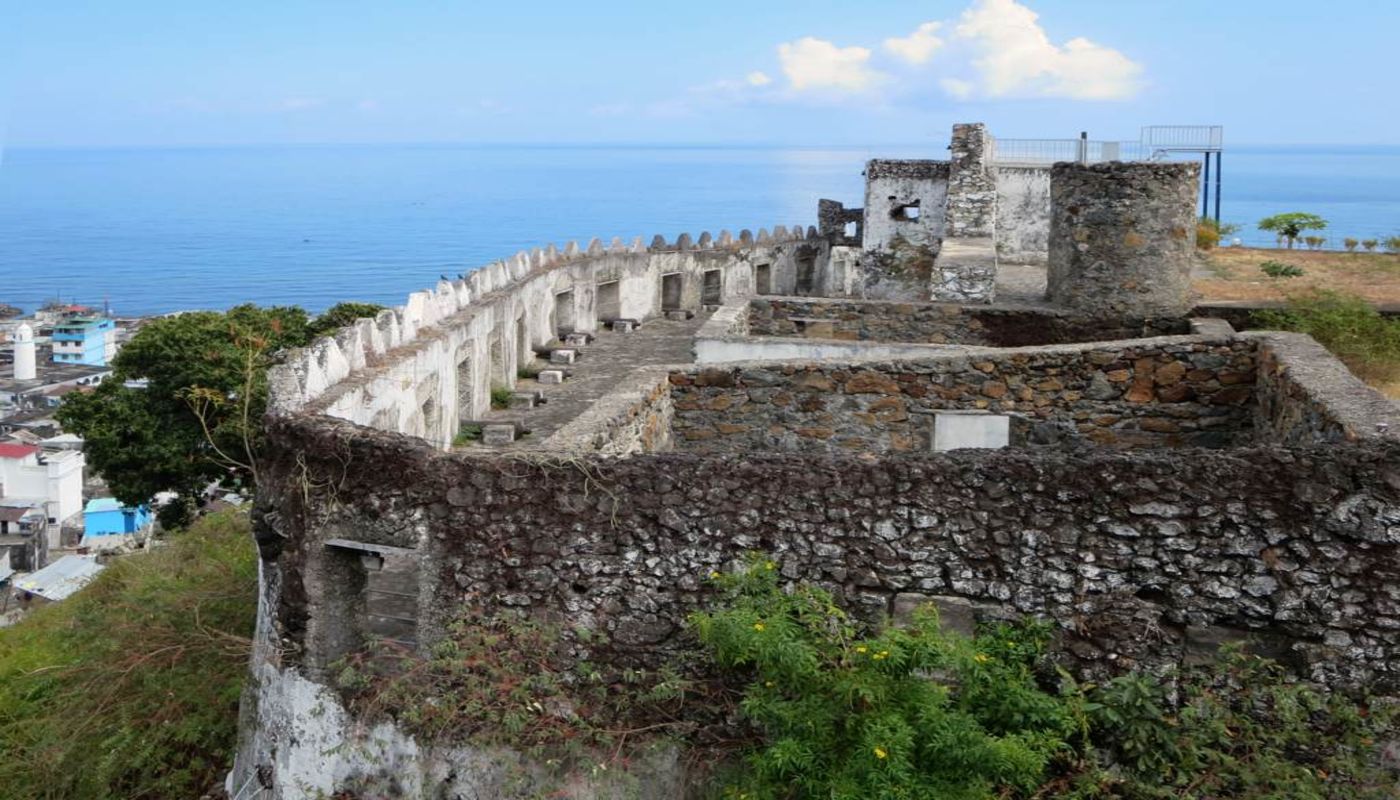
Landscape of Comoros
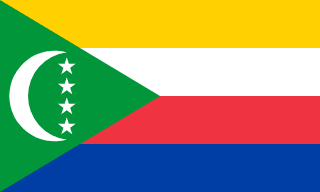
Flag of Comoros

Comoros

Africa

Comoros is a small island nation located off the east coast of Africa in the Indian Ocean, with a population of around 850,000. The country consists of three main islands - Grande Comore, Mohéli, and Anjouan - as well as numerous smaller islands. Comoros is known for its beautiful beaches, coral reefs, and unique culture, which combines African, Arab, and French influences. Despite challenges such as poverty, limited infrastructure, and vulnerability to natural disasters, Comoros has made progress in areas such as education, health care, and gender equality. The country also benefits from being a member of the African Union (AU) and the Indian Ocean Commission (IOC), which promote regional cooperation and economic development.
What would you like to learn about in Comoros?

Select a section to explore the country where nonprofits are creating positive change.

About Comoros

Comoros is a small island nation located off the east coast of Africa in the Indian Ocean, with a population of around 850,000. The country consists of three main islands - Grande Comore, Mohéli, and Anjouan - as well as numerous smaller islands. Comoros is known for its beautiful beaches, coral reefs, and unique culture, which combines African, Arab, and French influences. Despite challenges such as poverty, limited infrastructure, and vulnerability to natural disasters, Comoros has made progress in areas such as education, health care, and gender equality. The country also benefits from being a member of the African Union (AU) and the Indian Ocean Commission (IOC), which promote regional cooperation and economic development.
Causes in Comoros

Environment

Comoros, a small island nation in the Indian Ocean, is particularly vulnerable to the impacts of environmental degradation. The country faces challenges such as deforestation, soil erosion, and limited access to clean water sources. These environmental issues greatly impact the livelihoods of the Comorian people, who heavily rely on agriculture for sustenance. Deforestation, driven by unsustainable logging practices and agricultural expansion, has led to soil erosion and loss of biodiversity. Additionally, inadequate waste management systems contribute to pollution of water sources, posing serious health risks to the population. Addressing these environmental challenges is crucial for the sustainable development and well-being of the people of Comoros.

Human Rights

The Union of the Comoros, consisting of three main islands located off the eastern coast of Africa, faces significant challenges in upholding human rights standards. Despite being a signatory to various international human rights treaties, including the Universal Declaration of Human Rights, the country struggles with issues such as political instability, corruption, and inadequate access to basic services. Human rights violations in Comoros range from restrictions on freedom of expression and assembly to gender-based violence and discrimination. The lack of effective enforcement mechanisms and accountability measures further exacerbate these issues, leading to a cycle of impunity. By addressing these challenges and prioritizing human rights protections, Comoros can work towards fostering a more just and equitable society for all its citizens.

Education

The Union of the Comoros, a small island nation in the Indian Ocean, faces several challenges in the realm of education. With a literacy rate of around 77%, access to quality education remains a significant concern. Limited resources, poor infrastructure, and high levels of poverty have hindered educational progress in the country. The impact of these challenges is profound, as it restricts the opportunities available to the population, perpetuates cycles of poverty, and hampers overall socio-economic development. Addressing these issues through targeted interventions such as improved infrastructure, teacher training, and increased access to educational resources is crucial for the advancement of Comoros.

Poverty

Comoros, a small island nation located off the eastern coast of Africa, faces significant challenges related to poverty. With a population of over 800,000 people, Comoros is among the world's poorest countries, with approximately 45% of its population living below the poverty line. The impacts of poverty in Comoros are far-reaching, affecting access to healthcare, education, and basic necessities such as clean water and adequate food. Limited economic opportunities and high levels of unemployment further exacerbate the issue, contributing to a cycle of poverty that is difficult to break. As a result, many in Comoros struggle to meet their most basic needs, leading to widespread social and health disparities within the population. Efforts to address poverty in Comoros require comprehensive strategies that focus on improving access to education, healthcare, and employment opportunities in order to uplift the country's most vulnerable populations.

Religion

Comoros, a small island nation located in the Indian Ocean, has a population predominantly practicing Islam, with Sunni Muslims comprising the majority of adherents. Religion plays a significant role in the daily lives of the Comorian people, influencing their social interactions, cultural practices, and governance structures. Mosques are central to community life, serving not only as places of worship but also as hubs for social gatherings and religious education. The Islamic faith shapes Comorian values, guiding their moral compass and interpersonal relationships. While there is freedom of religion guaranteed by the constitution, societal norms often prioritize adherence to Islam. Religious leaders hold considerable influence in shaping public opinion and policy decisions in this predominantly conservative society. Understanding the nuances of how religion impacts the lives of the Comorian people is essential for fostering intercultural understanding and promoting religious tolerance within this unique cultural context.

Clean Water

Comoros, a small island nation located in the Indian Ocean, faces significant challenges in accessing clean water. With a population of over 800,000 people, Comoros struggles with limited freshwater resources, leading to water scarcity and inadequate sanitation facilities. The lack of clean water has severe consequences on public health, with waterborne diseases such as cholera and dysentery being prevalent. Furthermore, the agricultural sector, which is vital to the country's economy, suffers due to inconsistent access to clean water for irrigation. Addressing the issue of clean water in Comoros requires sustainable solutions and investments in infrastructure to improve water supply and sanitation services for the population.

Economy

Comoros, a small island nation located in the Indian Ocean, faces significant challenges in its economy that profoundly affect its population. With a heavy reliance on agriculture, particularly vanilla and cloves exports, the country struggles with limited diversification and vulnerability to external market fluctuations. The lack of industrial development and infrastructure further impedes economic growth, leading to high unemployment rates and widespread poverty. Additionally, Comoros grapples with political instability and a history of coups, hindering long-term stability and economic progress. These factors combined contribute to a cycle of underdevelopment and economic hardship for the people of Comoros, highlighting the urgent need for sustainable solutions to uplift the nation.

Government

The Union of the Comoros, a small island nation located in the Indian Ocean, faces various challenges that are significantly influenced by its government. The country has experienced political instability, corruption, and weak governance systems, which have hindered its development and progress. The impact of these issues is felt across all sectors, including healthcare, education, and infrastructure. Limited resources and mismanagement have led to inadequate public services and a lack of investment in key areas crucial for the well-being of the population. The government plays a crucial role in addressing these challenges by implementing effective policies, promoting transparency, and fostering good governance practices. By strengthening its institutions and prioritizing the needs of its citizens, the government of Comoros can positively impact the lives of its people and contribute to sustainable development.

Health

Located in the Indian Ocean, Comoros is a small island nation facing significant health challenges. With a high population density and limited access to healthcare services, the country grapples with infectious diseases such as malaria, tuberculosis, and HIV/AIDS. Malnutrition is prevalent among children under five, contributing to a high infant mortality rate. Furthermore, the lack of clean water and sanitation facilities poses a threat to public health, leading to the spread of waterborne diseases. The healthcare system in Comoros is under-resourced, with shortages of medical staff and inadequate infrastructure hindering the delivery of quality care. Addressing these health issues requires a multi-faceted approach that includes improving healthcare infrastructure, enhancing disease prevention and control measures, and promoting health education among the population.

Children

Comoros, a small island nation located in the Indian Ocean, faces a multitude of challenges that impact its children. Children in Comoros are vulnerable to malnutrition, limited access to education, and inadequate healthcare services. The prevalence of poverty in the country exacerbates these issues, leading to a high infant mortality rate and hindering the overall well-being of children. Furthermore, natural disasters such as cyclones pose additional threats to the safety and development of children in Comoros. It is crucial to address these challenges and prioritize the needs of children in order to ensure a brighter future for the next generation of Comorians.

Family

In the Union of the Comoros, a small island nation located in the Indian Ocean, family plays a pivotal role in shaping the social fabric and cultural norms of society. Comorian families are typically large and extended, with a strong emphasis on kinship ties and communal living. Families in Comoros provide emotional support, financial assistance, and caregiving for members across generations. The concept of family extends beyond biological relatives to include close friends and neighbors who are considered part of the family unit. This interconnectedness fosters a sense of unity and solidarity within communities, where individuals rely on each other for assistance and guidance. However, challenges such as poverty, limited access to healthcare and education, and political instability can strain family structures in Comoros, impacting their ability to provide for their members' well-being.

Animals

Comoros, a small island nation located in the Indian Ocean, is home to a diverse range of animal species that play a crucial role in the ecosystem and the livelihoods of its people. The unique biodiversity of Comoros includes endangered species like the Coelacanth, Aldabra giant tortoises, and various lemurs. These animals are not only important for maintaining the balance of the ecosystem but also contribute significantly to the country's tourism industry, attracting visitors from around the world. However, factors such as habitat loss, deforestation, and illegal wildlife trade pose significant threats to the survival of these animals in Comoros. Conservation efforts are crucial to protect these species and preserve the rich natural heritage of the country for future generations.

Make Your Impact Today

Discover causes you care about and support the nonprofits making a difference in communities around the world.

Are you a nonprofit? Join Project World Impact for free

Join Us Free